
Causes and Podiatric Care for Foot Pain During Pregnancy

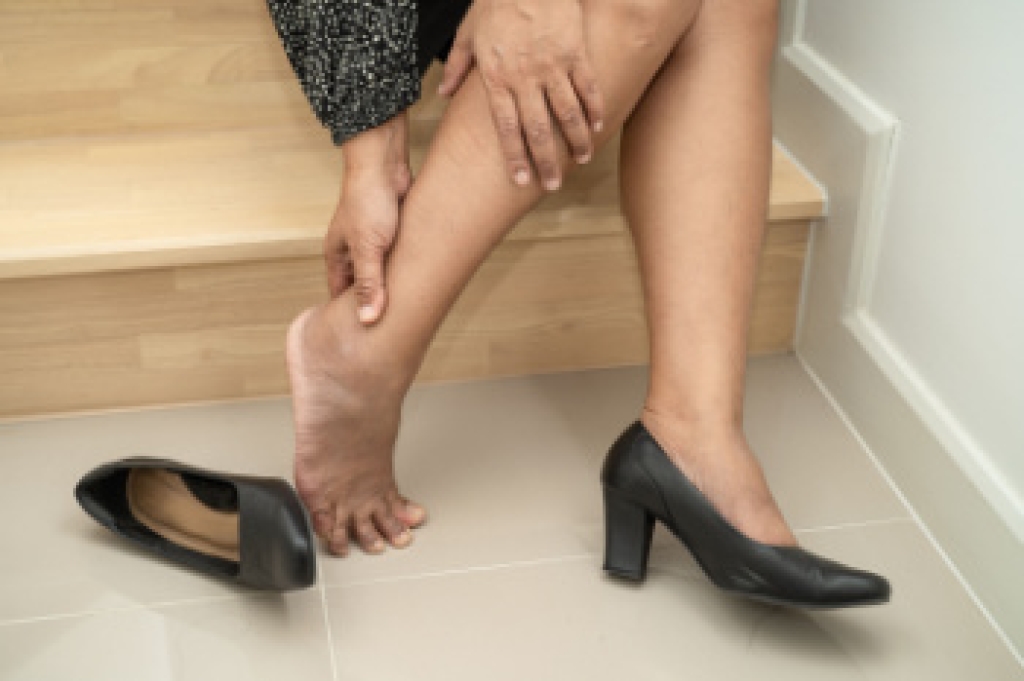
Pregnancy often leads to various changes in the body, and the feet are no exception. As weight increases, so does foot load, which may alter your gait and lead to discomfort or imbalance. Hormonal shifts and water retention can cause swelling, arch collapse, and pain in the heels, arches, or balls of the feet. Conditions like plantar fasciitis, flat feet, and overpronatio, are common during this time. A podiatrist can evaluate these symptoms, provide custom orthotics, recommend safe exercises, and offer relief strategies to improve comfort and mobility. If you are experiencing foot pain during pregnancy, it is suggested that you schedule an appointment with a podiatrist who can provide effective relief and treatment solutions.

Pregnant women with swollen feet can be treated with a variety of different methods that are readily available. For more information about other cures for swollen feet during pregnancy, consult with one of our podiatrists from Pennsylvania Foot & Ankle. Our doctors will attend to all of your foot and ankle needs.

What Foot Problems Can Arise During Pregnancy?

One problem that can occur is overpronation, which occurs when the arch of the foot flattens and tends to roll inward.  This can cause pain and discomfort in your heels while you’re walking or even just standing up, trying to support your baby.  

Another problem is edema, or swelling in the extremities. This often affects the feet during pregnancy but tends to occur in the later stages. 

How Can I Keep My Feet Healthy During Pregnancy?

  • Wearing orthotics can provide extra support for the feet and help distribute weight evenly
  • Minimize the amount of time spent walking barefoot
  • Wear shoes with good arch support
  • Wear shoes that allow for good circulation to the feet
  • Elevate feet if you experience swelling
  • Massage your feet
  • Get regular, light exercise, such as walking, to promote blood circulation to the feet

If you have any questions, please feel free to contact one of our offices located in Bensalem, Philadelphia, Northeast Philadelphia, Yardley, PA, and Hamilton, NJ . We offer the newest diagnostic and treatment technologies for all your foot care needs.

Read more about Foot Care for Pregnant Women

What Is Ankle Bursitis?

Ankle bursitis is the inflammation of small fluid-filled sacs called bursae that cushion the bones, tendons, and muscles near the ankle joint. It is often caused by repetitive motion, prolonged pressure, injury, or wearing poorly fitting shoes. This condition can lead to pain, swelling, warmth, and limited movement in the ankle area, making walking and physical activity uncomfortable. A podiatrist can diagnose ankle bursitis through a physical exam and imaging, then develop a personalized treatment plan. Care may include rest strategies, wearing proper footwear, orthotics, anti-inflammatory therapies, and targeted exercises. If you are experiencing persistent ankle pain or swelling, it is suggested that you schedule an appointment with a podiatrist who can accurately diagnose and treat what may be going on.

Foot Pain

Foot pain can be extremely painful and debilitating. If you have a foot pain, consult with one of our podiatrists from Pennsylvania Foot & Ankle. Our doctors will assess your condition and provide you with quality foot and ankle treatment.

Causes

Foot pain is a very broad condition that could be caused by one or more ailments. The most common include:

  • Bunions
  • Hammertoes
  • Plantar Fasciitis
  • Bone Spurs
  • Corns
  • Tarsal Tunnel Syndrome
  • Ingrown Toenails
  • Arthritis (such as Gout, Rheumatoid, and Osteoarthritis)
  • Flat Feet
  • Injury (from stress fractures, broken toe, foot, ankle, Achilles tendon ruptures, and sprains)
  • And more

Diagnosis

To figure out the cause of foot pain, podiatrists utilize several different methods. This can range from simple visual inspections and sensation tests to X-rays and MRI scans. Prior medical history, family medical history, and any recent physical traumatic events will all be taken into consideration for a proper diagnosis.

Treatment

Treatment depends upon the cause of the foot pain. Whether it is resting, staying off the foot, or having surgery; podiatrists have a number of treatment options available for foot pain.

If you have any questions, please feel free to contact one of our offices located in Bensalem, Philadelphia, Northeast Philadelphia, Yardley, PA, and Hamilton, NJ . We offer the newest diagnostic and treatment technologies for all your foot care needs.

Read more about Foot Pain

Improving Foot Surgery With Digital Angle Tools

In certain types of foot surgery, small bones in the front of the foot need to be realigned to reduce pain and improve function. These procedures are often done through tiny incisions, which is called minimally invasive surgery. One of the challenges in this approach is making sure the angle of the bone cut is just right, especially when the surgeon cannot see everything directly. To help with this, some surgeons now use digital angle-measuring tools. These tools provide real-time feedback, allowing for more precise adjustments during the procedure. The goal is to improve the outcome, reduce healing time, and lower the chance of needing further corrections. Using this kind of technology can support better results, especially for people with bunions or other forefoot problems. If you are considering foot surgery and want to understand your options, it is suggested that you speak with a podiatrist who can explain the approach that fits your needs.

Foot surgery is sometimes necessary to treat a foot ailment. To learn more, contact one of our podiatrists of Pennsylvania Foot & Ankle. Our doctors will assist you with all of your foot and ankle needs.

When Is Surgery Necessary?

Foot and ankle surgery is generally reserved for cases in which less invasive, conservative procedures have failed to alleviate the problem. Some of the cases in which surgery may be necessary include:

  • Removing foot deformities like bunions and bone spurs
  • Severe arthritis that has caused bone issues
  • Cosmetic reconstruction

What Types of Surgery Are There?

The type of surgery you receive will depend on the nature of the problem you have. Some of the possible surgeries include:

  • Bunionectomy for painful bunions
  • Surgical fusion for realignment of bones
  • Neuropathy decompression surgery to treat nerve damage

Benefits of Surgery

Although surgery is usually a last resort, it can provide more complete pain relief compared to non-surgical methods and may allow you to finally resume full activity.

Surgical techniques have also become increasingly sophisticated. Techniques like endoscopic surgery allow for smaller incisions and faster recovery times.

If you have any questions, please feel free to contact one of our offices located in Bensalem, Philadelphia, Northeast Philadelphia, Yardley, PA, and Hamilton, NJ . We offer the newest diagnostic and treatment technologies for all your foot care needs.
Read more about Foot Surgery

It's Time for Beautiful Feet

You don't need an excuse to have beautiful nails. Step outside without worrying about the appearance of your feet.

Why Are My Feet Swollen?

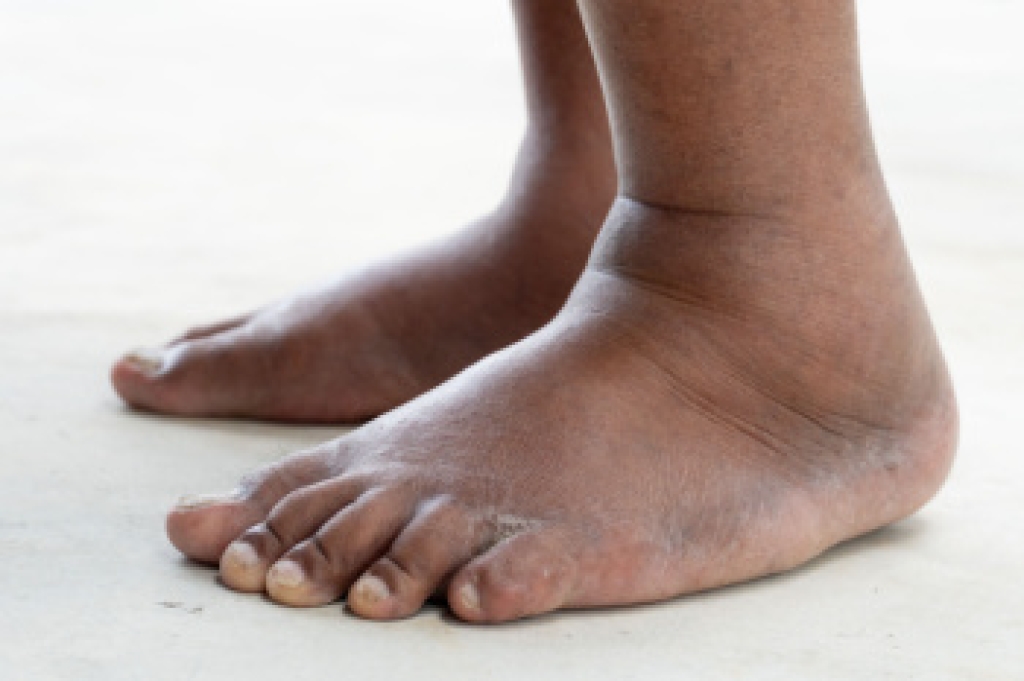
Swollen feet can be uncomfortable and concerning. Common causes include standing or sitting for long periods, pregnancy, or wearing ill-fitting shoes. However, swelling may also be a sign of underlying medical conditions, such as heart failure, kidney disease, lymphedema, or venous insufficiency. Symptoms include puffiness, skin tightness, or difficulty walking. A podiatrist can assess the cause of the swelling with a thorough examination and help manage it with proper footwear, compression therapy, or referrals to other specialists, if needed. Early treatment is essential to prevent complications. If you are experiencing persistent or painful foot swelling, it is suggested that you schedule an appointment with a podiatrist who can offer appropriate treatment solutions.

Swollen feet can be a sign of an underlying condition. If you have any concerns, contact one of our podiatrists of Pennsylvania Foot & Ankle. Our doctors can provide the care you need to keep you pain-free and on your feet.

Swollen feet are a common ailment among pregnant women and people who stand or sit for extended periods. Aging may increase the possibility of swollen feet and patients who are obese often notice when their feet are swelling too. There may be medical reasons why swollen feet occur:

  • Phlebitis - A condition that causes the veins to become inflamed and can also cause leg pain.
  • Liver disease - This may lead to low blood levels of albumin which is a protein. This can cause fluid in the blood to pass into the tissues and several areas of the body can become swollen.
  • Heart failure - When the heart doesn’t pump properly the blood that is normally pumped back to the heart can pool in the veins of the legs causing swollen feet.
  • Kidney disease - One of the main functions of the kidneys is releasing excess fluid in the body. This type of condition can make it difficult for the kidneys to function properly, and as a result the feet may become swollen.
  • Deep-vein thrombosis (DVT)- This is a serious condition where blood clots form in the veins of the legs. They can block the return of blood from the legs to the heart which may cause the feet to swell. It is important to be treated by a podiatrist if this condition is present.

Swollen feet can also be caused by bone and tendon conditions, including fractures, arthritis, and tendinitis. Additionally, there may be skin and toenail conditions and an infection may cause the feet to swell. Patients who take medicine to treat high blood pressure may be prone to getting swollen feet. 

Many patients elevate their feet to help relieve the swelling and this is generally a temporary remedy. When a podiatrist is consulted the reason behind the swelling can be uncovered and subsequently treated.

If you have any questions please contact one of our offices located in Bensalem, Philadelphia, Northeast Philadelphia, Yardley, PA, and Hamilton, NJ . We offer the newest diagnostic and treatment technologies for all your foot and ankle needs.

Read more about Swelling of the Feet

Connect With Us