Symptoms of Sesamoiditis

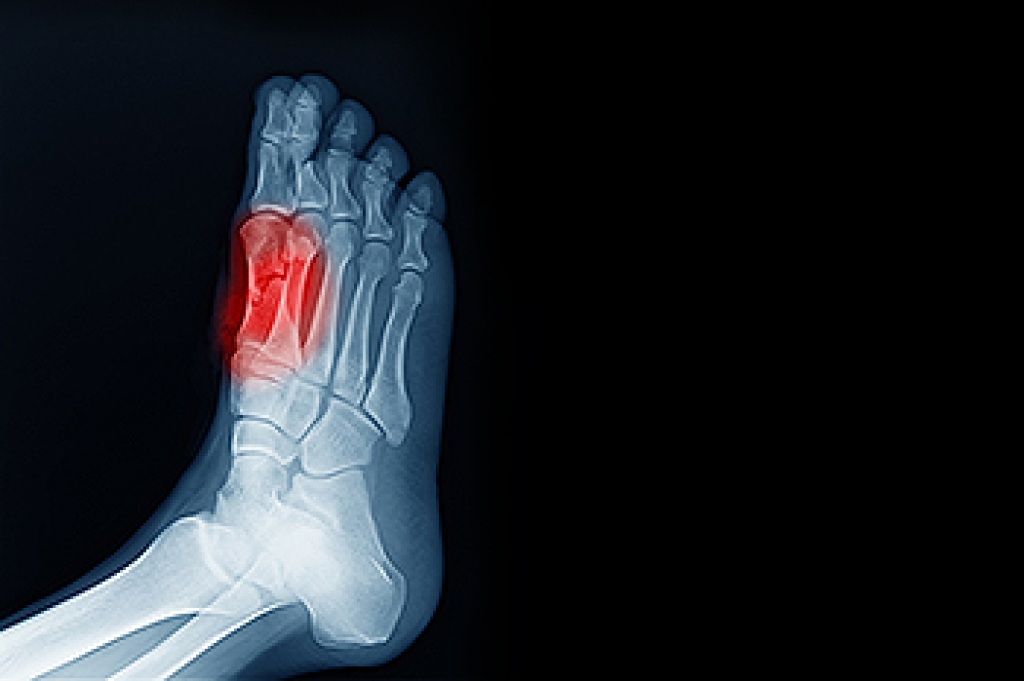
Sesamoiditis is an inflammation of the sesamoid bones which are small, round bones located beneath the big toe joint. These bones are essential for helping the big toe move properly during walking or running. Sesamoiditis typically results from repetitive pressure or overuse, particularly in athletes or individuals who engage in high-impact activities. Common symptoms include pain and swelling beneath the big toe that worsens with activities like running and jumping. There may also be tenderness when the area is touched and movement of the toe may become painful. Diagnosis is usually made through a physical examination and imaging tests such as X-rays or MRI scans to rule out other conditions. Relief typically involves rest, anti-inflammatory medications, and orthotics to relieve pressure on the affected area. If you have any of the above symptoms, it is suggested that you consult a podiatrist who can accurately diagnose and treat sesamoiditis. 

Sesamoiditis is an unpleasant foot condition characterized by pain in the balls of the feet. If you think you’re struggling with sesamoiditis, contact one of our podiatrists of Pennsylvania Foot & Ankle. Our doctors will treat your condition thoroughly and effectively.

Sesamoiditis

Sesamoiditis is a condition of the foot that affects the ball of the foot. It is more common in younger people than it is in older people. It can also occur with people who have begun a new exercise program, since their bodies are adjusting to the new physical regimen. Pain may also be caused by the inflammation of tendons surrounding the bones. It is important to seek treatment in its early stages because if you ignore the pain, this condition can lead to more serious problems such as severe irritation and bone fractures.

Causes of Sesamoiditis

  • Sudden increase in activity
  • Increase in physically strenuous movement without a proper warm up or build up
  • Foot structure: those who have smaller, bonier feet or those with a high arch may be more susceptible

Treatment for sesamoiditis is non-invasive and simple. Doctors may recommend a strict rest period where the patient forgoes most physical activity. This will help give the patient time to heal their feet through limited activity. For serious cases, it is best to speak with your doctor to determine a treatment option that will help your specific needs.

If you have any questions, please feel free to contact one of our offices located in Bensalem, Philadelphia, Northeast Philadelphia, Yardley, PA, and Hamilton, NJ . We offer the newest diagnostic and treatment technologies for all your foot care needs.

Read more about Sesamoiditis

Plantar Fasciitis and Motion

Plantar fasciitis is a condition tied closely to the biomechanics of the foot. The plantar fascia, a thick band of tissue under the foot, helps support the arch and absorbs impact during walking. It starts at the heel bone and fans out toward the toes. When walking, this tissue stretches and recoils, maintaining foot stability and aiding motion. Improper gait, like uneven pressure on the foot, can strain the fascia. Over time, this strain may lead to tiny tears, causing pain and inflammation. The body repairs these tears with collagen, but repetitive strain may disrupt proper healing, leading to chronic pain. Biomechanical issues, such as flat feet or tight calf muscles, can worsen the problem. Proper treatment, including stretching, wearing supportive footwear, and more, helps. If you have ongoing heel pain, it is suggested that you see a podiatrist to identify the underlying cause, and get expert care

Plantar fasciitis can be very painful and inconvenient. If you are experiencing heel pain or symptoms of plantar fasciitis, contact one of our podiatrists  from Pennsylvania Foot & Ankle. Our doctors can provide the care you need to keep you pain-free and on your feet.

What Is Plantar Fasciitis?

Plantar fasciitis is the inflammation of the thick band of tissue that runs along the bottom of your foot, known as the plantar fascia, and causes mild to severe heel pain.

What Causes Plantar Fasciitis?

  • Excessive running
  • Non-supportive shoes
  • Overpronation
  • Repeated stretching and tearing of the plantar fascia

How Can It Be Treated?

  • Conservative measures – anti-inflammatories, ice packs, stretching exercises, physical therapy, orthotic devices
  • Shockwave therapy – sound waves are sent to the affected area to facilitate healing and are usually used for chronic cases of plantar fasciitis
  • Surgery – usually only used as a last resort when all else fails. The plantar fascia can be surgically detached from the heel

While very treatable, plantar fasciitis is definitely not something that should be ignored. Especially in severe cases, speaking to your doctor right away is highly recommended to avoid complications and severe heel pain. Your podiatrist can work with you to provide the appropriate treatment options tailored to your condition.

If you have any questions, please feel free to contact one of our offices located in Bensalem, Philadelphia, Northeast Philadelphia, Yardley, PA, and Hamilton, NJ . We offer the newest diagnostic and treatment technologies for all your foot care needs.

Read more about Plantar Fasciitis

Wounds That Don't Heal Need to Be Checked

Your feet are covered most of the day. If you're diabetic, periodic screening is important for good health. Numbness is often a sign of diabetic foot and can mask a sore or wound.

Pickleball and Arthritis

Pickleball, a blend of tennis, badminton, and ping-pong, is a low-impact sport that is gaining popularity for its joint-friendly benefits. Low impact means less stress on weight-bearing joints like hips, knees, and ankles, making it ideal for individuals with arthritis. The gentle, consistent movement during pickleball stimulates the production of synovial fluid, which lubricates joints and reduces stiffness. Regular play also improves balance, agility, and joint flexibility, key factors in preventing falls, which is a common concern for those with arthritis. To maximize the benefits, proper preparation is essential. Warm up before playing to loosen joints, and use supportive footwear designed to accommodate arthritic feet. If you play pickleball and have persistent joint pain, it is suggested that you consult a podiatrist to help you stay active safely.

Arthritis can be a difficult condition to live with. If you are seeking treatment, contact one of our podiatrists from Pennsylvania Foot & Ankle. Our doctors can provide the care you need to keep you pain-free and on your feet.

Arthritic Foot Care  

Arthritis is a joint disorder that involves the inflammation of different joints in your body, such as those in your feet. Arthritis is often caused by a degenerative joint disease and causes mild to severe pain in all affected areas. In addition to this, swelling and stiffness in the affected joints can also be a common symptom of arthritis.

In many cases, wearing ill-fitting shoes can worsen the effects and pain of arthritis. Wearing shoes that have a lower heel and extra room can help your feet feel more comfortable. In cases of rheumatoid arthritis, the arch in your foot may become problematic. Buying shoes with proper arch support that contour to your feet can help immensely.

Alleviating Arthritic Pain

  • Exercises that stretch the foot can prevent further pain and injury and increase mobility
  • Most of the pain can be alleviated with anti-inflammatory drugs, heat, and topical medications
  • Massages can help temporarily alleviate pain.

It is best to see your doctor for the treatment that is right for your needs and symptoms. Conditions vary, and a podiatrist can help you determine the right method of care for your feet.

If you have any questions please feel free to contact one of our offices located in Bensalem, Philadelphia, Northeast Philadelphia, Yardley, PA, and Hamilton, NJ . We offer the newest diagnostic tools and technology to treat your foot and ankle needs.

Read more about Arthritic Foot Care

Causes of Lumps and Bumps on the Toe

A lump on the toe can arise for any number of reasons and may vary in size, location, and texture. Probably the most common cause of a lump on the toe is a bunion, caused when the bones of the big or little toe shift out of place. Another cause, termed hallux rigidus, involves stiffness and bony growths on top of the big toe due to arthritis or wear and tear. Softer lumps, such as digital mucous cysts, are fluid-filled sacs that often form near joints and may result from injury or wearing ill-fitting shoes. Conditions like Morton’s neuroma, a nerve-related issue under the toes, or calluses and corns from pressure and friction, can also lead to lumps. Each condition requires a specific approach for relief and prevention of further complications. A podiatrist can provide an accurate diagnosis of the lump or bump on your toe. Treatment options include orthotics or minor surgical procedures depending on the cause. Guidance on footwear choices to alleviate discomfort may be offered. If you notice an unusual lump or bump on a toe, it is suggested that you schedule an appointment with a podiatrist for a diagnosis and treatment.

Toe pain can disrupt your daily activities. If you have any concerns, contact one of our podiatrists of Pennsylvania Foot & Ankle. Our doctors can provide the care you need to keep you pain-free and on your feet.

What Causes Toe Pain?

Most severe toe pain is caused due to a sports injury, trauma from dropping something heavy on the toe, or bumping into something rigid. Other problems can develop over time for various reasons.

Toe pain can be caused by one or more ailments. The most common include:

  • Trauma
  • Sports injury
  • Wearing shoes that are too tight
  • Arthritis
  • Gout
  • Corns and calluses
  • Hammertoe
  • Bunions
  • Blisters
  • Ingrown toenails
  • Sprains
  • Fractures (broken bones)
  • Dislocations

When to See a Podiatrist

  • Severe pain
  • Persistent pain that lasts more than a week
  • Signs of infection
  • Continued swelling
  • Pain that prevents walking

Diagnosis

In many cases the cause of toe pain is obvious, but in others, a podiatrist may want to use more advanced methods to determine the problem. These can range from simple visual inspections and sensation tests to X-rays and MRI scans. Prior medical history, family medical history, and any recent physical traumatic events will all be taken into consideration for a proper diagnosis.

Treatment

Treatments for toe pain and injuries vary and may include shoe inserts, padding, taping, medicines, injections, and in some cases, surgery. If you believe that you have broken a toe, please see a podiatrist as soon as possible.

If you have any questions please contact one of our offices located in Bensalem, Philadelphia, Northeast Philadelphia, Yardley, PA, and Hamilton, NJ . We offer the newest diagnostic and treatment technologies for all your foot and ankle needs.

Read more about Toe Pain

Connect With Us