
Plantar warts are small growths that develop on parts of the feet that bear weight. They're typically found on the bottom of the foot. Don't live with plantar warts, and call us today!
Plantar warts are small growths that develop on parts of the feet that bear weight. They're typically found on the bottom of the foot. Don't live with plantar warts, and call us today!
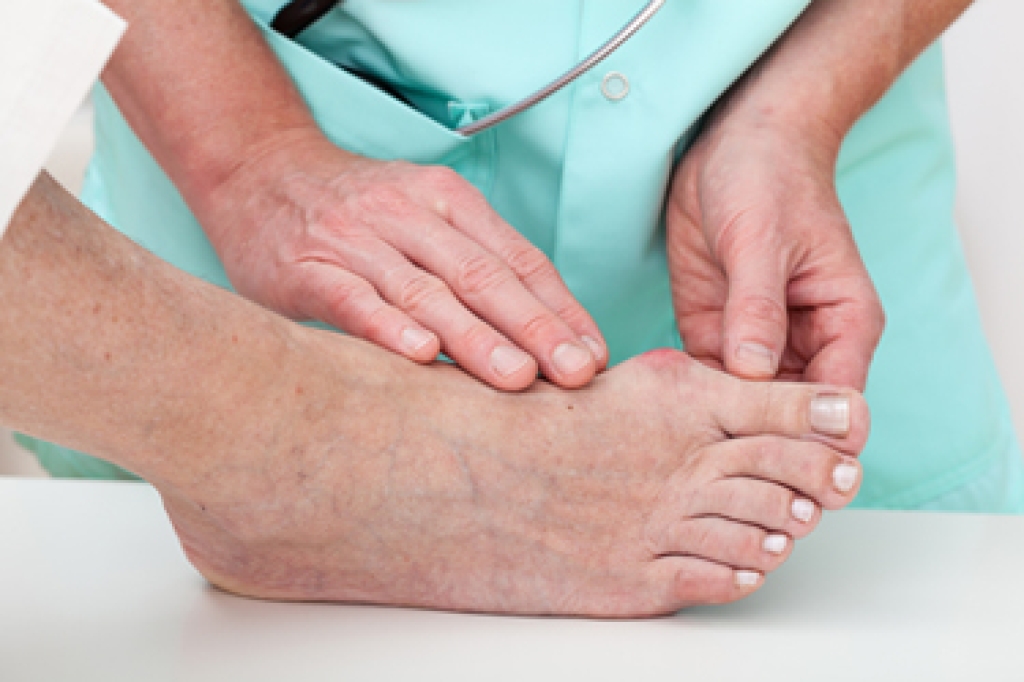
A bunion is a painful deformity that occurs over time, causing a bony protrusion at the base of the big toe joint. Aside from being unsightly, a bunion can become quite painful and inflamed. Bunions are often caused by high heels that force the foot forward, or footwear that is pointy, tight at the toes, or puts pressure on the big toe joint. Heredity and diseases that affect the joints can increase the risk of a bunion developing. If you have a bunion, it’s suggested that you make an appointment with a podiatrist. There are a variety of methods that can be used to correct the deformity and restore the natural alignment of your big toe. After examining and assessing the bunion, your podiatrist will explain their findings and go over your treatment options.
If you are suffering from bunion pain, contact one of our podiatrists of Pennsylvania Foot & Ankle. Our doctors can provide the care you need to keep you pain-free and on your feet.
What Is a Bunion?
Bunions are painful bony bumps that usually develop on the inside of the foot at the joint of the big toe. As the deformity increases over time, it may become painful to walk and wear shoes. Women are more likely to exacerbate existing bunions since they often wear tight, narrow shoes that shift their toes together. Bunion pain can be relieved by wearing wider shoes with enough room for the toes.
Causes
Symptoms
In order to diagnose your bunion, your podiatrist may ask about your medical history, symptoms, and general health. Your doctor might also order an x-ray to take a closer look at your feet. Nonsurgical treatment options include orthotics, padding, icing, changes in footwear, and medication. If nonsurgical treatments don’t alleviate your bunion pain, surgery may be necessary.
If you have any questions, please feel free to contact one of our offices located in Bensalem, Philadelphia, Northeast Philadelphia, Yardley, PA, and Hamilton, NJ . We offer the newest diagnostic and treatment technologies for all your foot care needs.
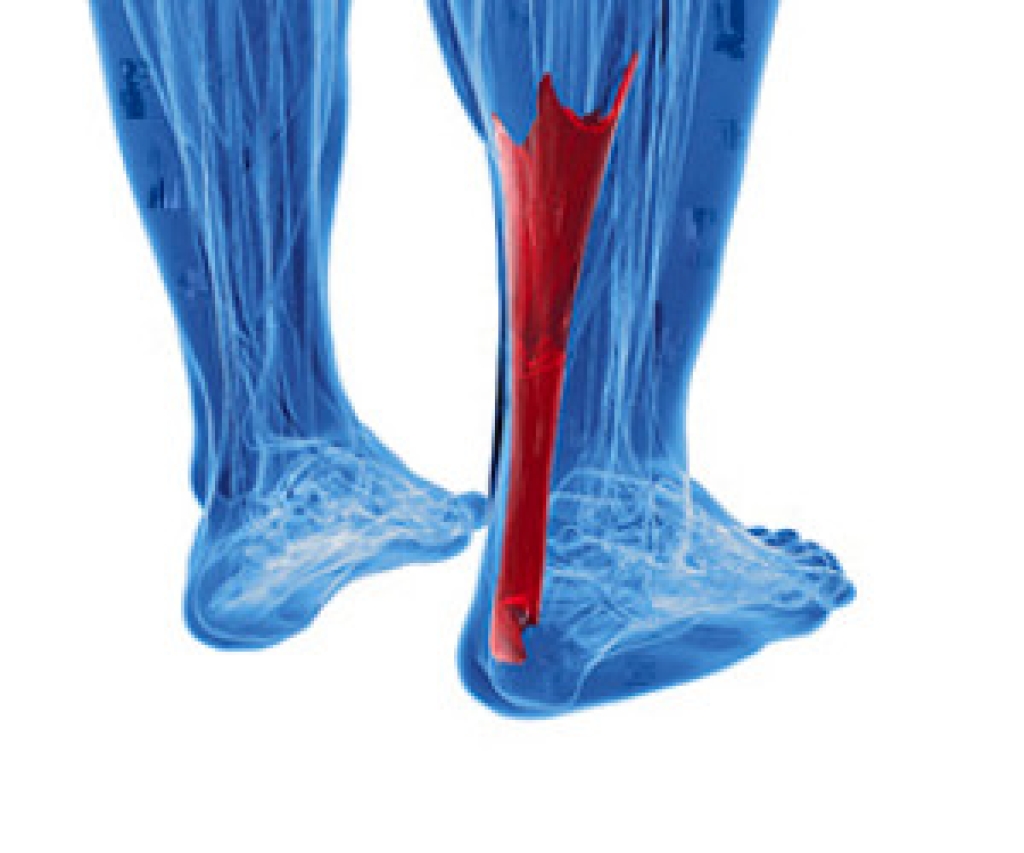 When your Achilles tendon, which connects the calf muscles to the heel bone, is overused, the area may become inflamed. This is a condition known as insertional Achilles tendonitis. In active adults, it is often caused by repetitive use through running or jumping. Symptoms include a sharp pain in the back of the heel, or in some cases, a dull ache. The area will be tender to the touch, and redness and swelling often develops. The first thing you can do is to rest the foot and apply ice to reduce pain and swelling. Try not to rub or poke the area. Non-steroidal anti-inflammatory medication, which can be prescribed by a podiatrist, may help to reduce the inflammation. Once inflammation in the area has diminished there are a number of exercises you can do to strengthen the calf muscles. This will be key to keep from developing chronic tendonitis of the tendon. It is a good idea to visit a podiatrist for a full diagnosis, treatment options, and a list of exercises you can do.
Achilles tendon injuries need immediate attention to avoid future complications. If you have any concerns, contact one of our podiatrists of Pennsylvania Foot & Ankle. Our doctors can provide the care you need to keep you pain-free and on your feet.
What Is the Achilles Tendon?
The Achilles tendon is a tendon that connects the lower leg muscles and calf to the heel of the foot. It is the strongest tendon in the human body and is essential for making movement possible. Because this tendon is such an integral part of the body, any injuries to it can create immense difficulties and should immediately be presented to a doctor.
What Are the Symptoms of an Achilles Tendon Injury?
There are various types of injuries that can affect the Achilles tendon. The two most common injuries are Achilles tendinitis and ruptures of the tendon.
Achilles Tendinitis Symptoms
Rupture Symptoms
Treatment and Prevention
Achilles tendon injuries are diagnosed by a thorough physical evaluation, which can include an MRI. Treatment involves rest, physical therapy, and in some cases, surgery. However, various preventative measures can be taken to avoid these injuries, such as:
If you have any questions please feel free to contact one of our offices located in Bensalem, Philadelphia, Northeast Philadelphia, Yardley, PA, and Hamilton, NJ . We offer the newest diagnostic tools and technology to treat your foot and ankle needs.
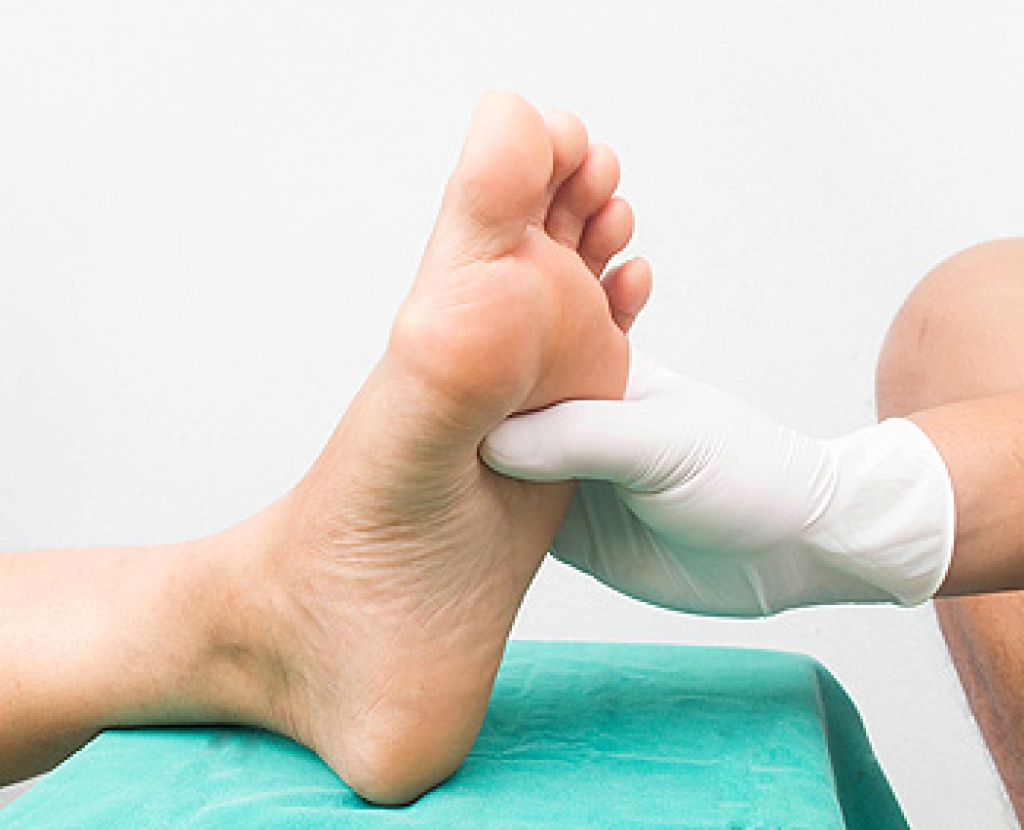
If you have diabetes, you may be more likely to develop various foot conditions. Due to chronically high blood sugar levels, diabetic patients may experience nerve damage in their feet, poor circulation, or an impaired immune system. These complications can lead to diabetic foot ulcers (wounds that heal poorly on the lower limbs) which can become infected when left unnoticed. People with diabetes are also more susceptible to develop corns, calluses, and cracked heels due to the skin on the feet becoming dry. Foot deformities like hammertoes and bunions, and infections like athlete’s foot and fungal toenails, can also be common among people with diabetes. If you have diabetes, it is strongly suggested that you check your feet regularly for any abnormalities. If you notice anything out of the ordinary, please seek the care of a podiatrist as soon as possible.
Diabetic foot care is important in preventing foot ailments such as ulcers. If you are suffering from diabetes or have any other concerns about your feet, contact one of our podiatrists from Pennsylvania Foot & Ankle. Our doctors can provide the care you need to keep you pain-free and on your feet.
Diabetic Foot Care
Diabetes affects millions of people every year. The condition can damage blood vessels in many parts of the body, especially the feet. Because of this, taking care of your feet is essential if you have diabetes, and having a podiatrist help monitor your foot health is highly recommended.
The Importance of Caring for Your Feet
Patients with diabetes should have their doctor monitor their blood levels, as blood sugar levels play such a huge role in diabetic care. Monitoring these levels on a regular basis is highly advised.
It is always best to inform your healthcare professional of any concerns you may have regarding your feet, especially for diabetic patients. Early treatment and routine foot examinations are keys to maintaining proper health, especially because severe complications can arise if proper treatment is not applied.
If you have any questions, please feel free to contact one of our offices located in Bensalem, Philadelphia, Northeast Philadelphia, Yardley, PA, and Hamilton, NJ . We offer the newest diagnostic and treatment technologies for all your foot care needs.

If you are suffering from tenderness, pain, or stiffness in the joints of your feet or ankles, call us to schedule an appointment.
Connect With Us
