
Your feet are covered most of the day. If you're diabetic, periodic screening is important for good health. Numbness is often a sign of diabetic foot and can mask a sore or wound.
Your feet are covered most of the day. If you're diabetic, periodic screening is important for good health. Numbness is often a sign of diabetic foot and can mask a sore or wound.
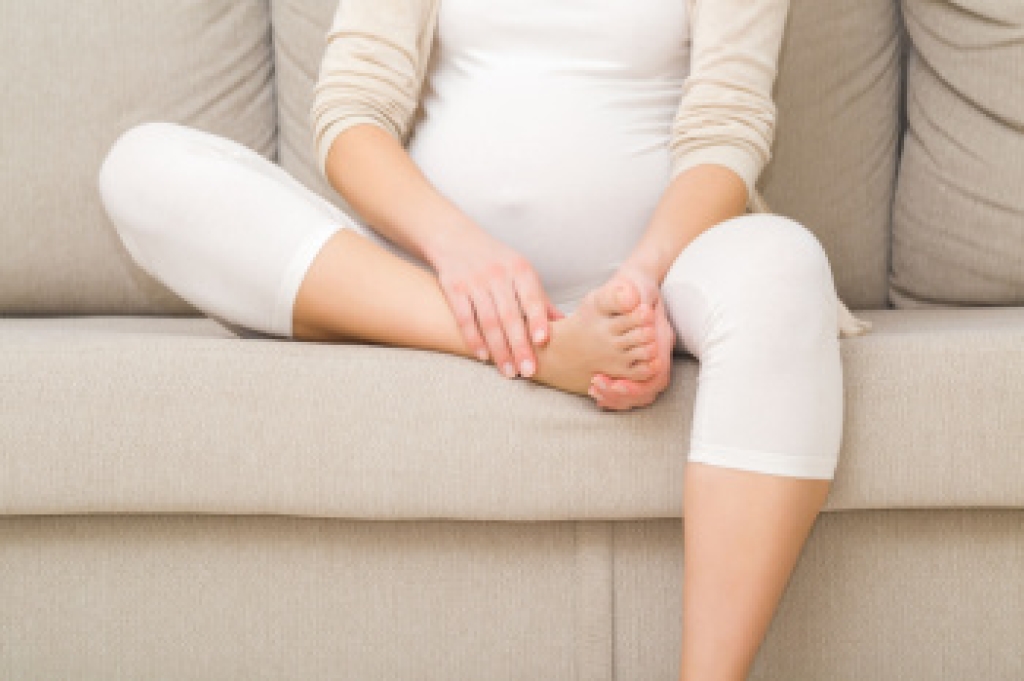
Pregnancy often leads to various changes in the body, and the feet are no exception. As weight increases, so does foot load, which may alter your gait and lead to discomfort or imbalance. Hormonal shifts and water retention can cause swelling, arch collapse, and pain in the heels, arches, or balls of the feet. Conditions like plantar fasciitis, flat feet, and overpronatio, are common during this time. A podiatrist can evaluate these symptoms, provide custom orthotics, recommend safe exercises, and offer relief strategies to improve comfort and mobility. If you are experiencing foot pain during pregnancy, it is suggested that you schedule an appointment with a podiatrist who can provide effective relief and treatment solutions.
Pregnant women with swollen feet can be treated with a variety of different methods that are readily available. For more information about other cures for swollen feet during pregnancy, consult with one of our podiatrists from Pennsylvania Foot & Ankle. Our doctors will attend to all of your foot and ankle needs.
What Foot Problems Can Arise During Pregnancy?
One problem that can occur is overpronation, which occurs when the arch of the foot flattens and tends to roll inward. This can cause pain and discomfort in your heels while you’re walking or even just standing up, trying to support your baby.
Another problem is edema, or swelling in the extremities. This often affects the feet during pregnancy but tends to occur in the later stages.
How Can I Keep My Feet Healthy During Pregnancy?
If you have any questions, please feel free to contact one of our offices located in Bensalem, Philadelphia, Northeast Philadelphia, Yardley, PA, and Hamilton, NJ . We offer the newest diagnostic and treatment technologies for all your foot care needs.
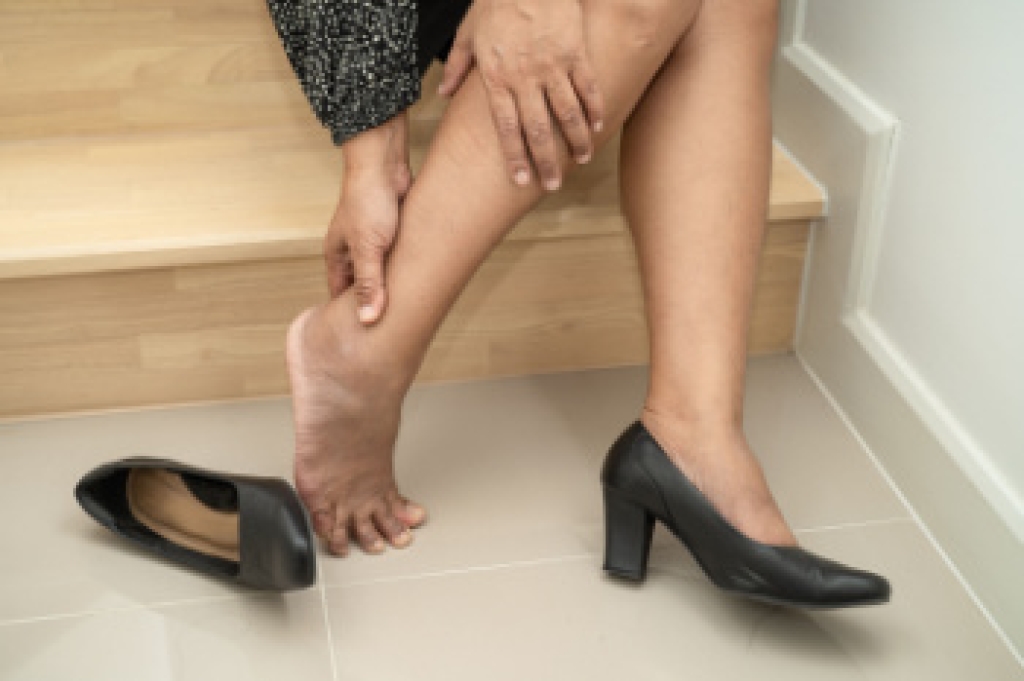
Ankle bursitis is the inflammation of small fluid-filled sacs called bursae that cushion the bones, tendons, and muscles near the ankle joint. It is often caused by repetitive motion, prolonged pressure, injury, or wearing poorly fitting shoes. This condition can lead to pain, swelling, warmth, and limited movement in the ankle area, making walking and physical activity uncomfortable. A podiatrist can diagnose ankle bursitis through a physical exam and imaging, then develop a personalized treatment plan. Care may include rest strategies, wearing proper footwear, orthotics, anti-inflammatory therapies, and targeted exercises. If you are experiencing persistent ankle pain or swelling, it is suggested that you schedule an appointment with a podiatrist who can accurately diagnose and treat what may be going on.
Foot Pain
Foot pain can be extremely painful and debilitating. If you have a foot pain, consult with one of our podiatrists from Pennsylvania Foot & Ankle. Our doctors will assess your condition and provide you with quality foot and ankle treatment.
Causes
Foot pain is a very broad condition that could be caused by one or more ailments. The most common include:
Diagnosis
To figure out the cause of foot pain, podiatrists utilize several different methods. This can range from simple visual inspections and sensation tests to X-rays and MRI scans. Prior medical history, family medical history, and any recent physical traumatic events will all be taken into consideration for a proper diagnosis.
Treatment
Treatment depends upon the cause of the foot pain. Whether it is resting, staying off the foot, or having surgery; podiatrists have a number of treatment options available for foot pain.
If you have any questions, please feel free to contact one of our offices located in Bensalem, Philadelphia, Northeast Philadelphia, Yardley, PA, and Hamilton, NJ . We offer the newest diagnostic and treatment technologies for all your foot care needs.

In certain types of foot surgery, small bones in the front of the foot need to be realigned to reduce pain and improve function. These procedures are often done through tiny incisions, which is called minimally invasive surgery. One of the challenges in this approach is making sure the angle of the bone cut is just right, especially when the surgeon cannot see everything directly. To help with this, some surgeons now use digital angle-measuring tools. These tools provide real-time feedback, allowing for more precise adjustments during the procedure. The goal is to improve the outcome, reduce healing time, and lower the chance of needing further corrections. Using this kind of technology can support better results, especially for people with bunions or other forefoot problems. If you are considering foot surgery and want to understand your options, it is suggested that you speak with a podiatrist who can explain the approach that fits your needs.
Foot surgery is sometimes necessary to treat a foot ailment. To learn more, contact one of our podiatrists of Pennsylvania Foot & Ankle. Our doctors will assist you with all of your foot and ankle needs.
When Is Surgery Necessary?
Foot and ankle surgery is generally reserved for cases in which less invasive, conservative procedures have failed to alleviate the problem. Some of the cases in which surgery may be necessary include:
What Types of Surgery Are There?
The type of surgery you receive will depend on the nature of the problem you have. Some of the possible surgeries include:
Benefits of Surgery
Although surgery is usually a last resort, it can provide more complete pain relief compared to non-surgical methods and may allow you to finally resume full activity.
Surgical techniques have also become increasingly sophisticated. Techniques like endoscopic surgery allow for smaller incisions and faster recovery times.
If you have any questions, please feel free to contact one of our offices located in Bensalem, Philadelphia, Northeast Philadelphia, Yardley, PA, and Hamilton, NJ . We offer the newest diagnostic and treatment technologies for all your foot care needs.

You don't need an excuse to have beautiful nails. Step outside without worrying about the appearance of your feet.
Connect With Us
