
Your feet are covered most of the day. If you're diabetic, periodic screening is important for good health. Numbness is often a sign of diabetic foot and can mask a sore or wound.
Your feet are covered most of the day. If you're diabetic, periodic screening is important for good health. Numbness is often a sign of diabetic foot and can mask a sore or wound.

Pregnancy often leads to various changes in the body, and the feet are no exception. As weight increases, so does foot load, which may alter your gait and lead to discomfort or imbalance. Hormonal shifts and water retention can cause swelling, arch collapse, and pain in the heels, arches, or balls of the feet. Conditions like plantar fasciitis, flat feet, and overpronatio, are common during this time. A podiatrist can evaluate these symptoms, provide custom orthotics, recommend safe exercises, and offer relief strategies to improve comfort and mobility. If you are experiencing foot pain during pregnancy, it is suggested that you schedule an appointment with a podiatrist who can provide effective relief and treatment solutions.
Pregnant women with swollen feet can be treated with a variety of different methods that are readily available. For more information about other cures for swollen feet during pregnancy, consult with one of our podiatrists from Pennsylvania Foot & Ankle. Our doctors will attend to all of your foot and ankle needs.
What Foot Problems Can Arise During Pregnancy?
One problem that can occur is overpronation, which occurs when the arch of the foot flattens and tends to roll inward. This can cause pain and discomfort in your heels while you’re walking or even just standing up, trying to support your baby.
Another problem is edema, or swelling in the extremities. This often affects the feet during pregnancy but tends to occur in the later stages.
How Can I Keep My Feet Healthy During Pregnancy?
If you have any questions, please feel free to contact one of our offices located in Bensalem, Philadelphia, Northeast Philadelphia, Yardley, PA, and Hamilton, NJ . We offer the newest diagnostic and treatment technologies for all your foot care needs.
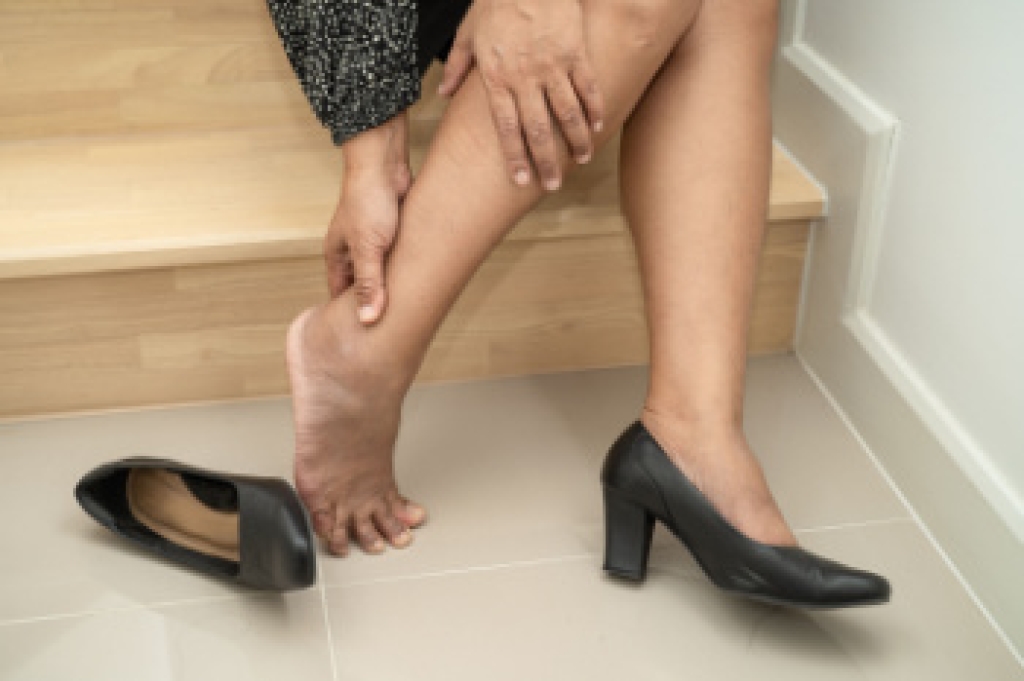
Ankle bursitis is the inflammation of small fluid-filled sacs called bursae that cushion the bones, tendons, and muscles near the ankle joint. It is often caused by repetitive motion, prolonged pressure, injury, or wearing poorly fitting shoes. This condition can lead to pain, swelling, warmth, and limited movement in the ankle area, making walking and physical activity uncomfortable. A podiatrist can diagnose ankle bursitis through a physical exam and imaging, then develop a personalized treatment plan. Care may include rest strategies, wearing proper footwear, orthotics, anti-inflammatory therapies, and targeted exercises. If you are experiencing persistent ankle pain or swelling, it is suggested that you schedule an appointment with a podiatrist who can accurately diagnose and treat what may be going on.
Foot Pain
Foot pain can be extremely painful and debilitating. If you have a foot pain, consult with one of our podiatrists from Pennsylvania Foot & Ankle. Our doctors will assess your condition and provide you with quality foot and ankle treatment.
Causes
Foot pain is a very broad condition that could be caused by one or more ailments. The most common include:
Diagnosis
To figure out the cause of foot pain, podiatrists utilize several different methods. This can range from simple visual inspections and sensation tests to X-rays and MRI scans. Prior medical history, family medical history, and any recent physical traumatic events will all be taken into consideration for a proper diagnosis.
Treatment
Treatment depends upon the cause of the foot pain. Whether it is resting, staying off the foot, or having surgery; podiatrists have a number of treatment options available for foot pain.
If you have any questions, please feel free to contact one of our offices located in Bensalem, Philadelphia, Northeast Philadelphia, Yardley, PA, and Hamilton, NJ . We offer the newest diagnostic and treatment technologies for all your foot care needs.

In certain types of foot surgery, small bones in the front of the foot need to be realigned to reduce pain and improve function. These procedures are often done through tiny incisions, which is called minimally invasive surgery. One of the challenges in this approach is making sure the angle of the bone cut is just right, especially when the surgeon cannot see everything directly. To help with this, some surgeons now use digital angle-measuring tools. These tools provide real-time feedback, allowing for more precise adjustments during the procedure. The goal is to improve the outcome, reduce healing time, and lower the chance of needing further corrections. Using this kind of technology can support better results, especially for people with bunions or other forefoot problems. If you are considering foot surgery and want to understand your options, it is suggested that you speak with a podiatrist who can explain the approach that fits your needs.
Foot surgery is sometimes necessary to treat a foot ailment. To learn more, contact one of our podiatrists of Pennsylvania Foot & Ankle. Our doctors will assist you with all of your foot and ankle needs.
When Is Surgery Necessary?
Foot and ankle surgery is generally reserved for cases in which less invasive, conservative procedures have failed to alleviate the problem. Some of the cases in which surgery may be necessary include:
What Types of Surgery Are There?
The type of surgery you receive will depend on the nature of the problem you have. Some of the possible surgeries include:
Benefits of Surgery
Although surgery is usually a last resort, it can provide more complete pain relief compared to non-surgical methods and may allow you to finally resume full activity.
Surgical techniques have also become increasingly sophisticated. Techniques like endoscopic surgery allow for smaller incisions and faster recovery times.
If you have any questions, please feel free to contact one of our offices located in Bensalem, Philadelphia, Northeast Philadelphia, Yardley, PA, and Hamilton, NJ . We offer the newest diagnostic and treatment technologies for all your foot care needs.

You don't need an excuse to have beautiful nails. Step outside without worrying about the appearance of your feet.
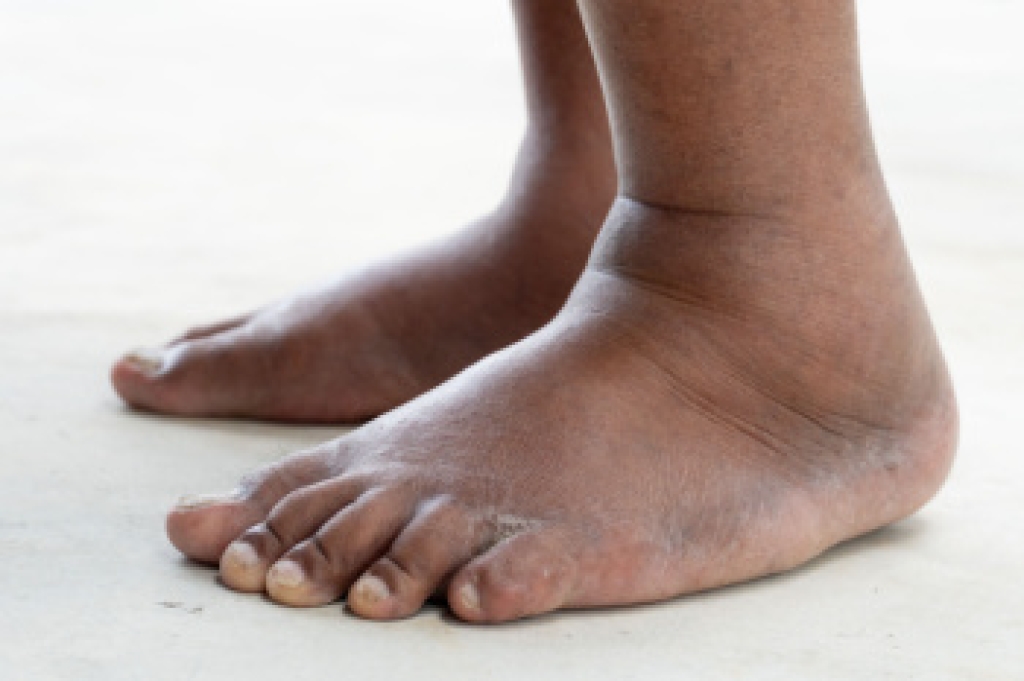
Swollen feet can be uncomfortable and concerning. Common causes include standing or sitting for long periods, pregnancy, or wearing ill-fitting shoes. However, swelling may also be a sign of underlying medical conditions, such as heart failure, kidney disease, lymphedema, or venous insufficiency. Symptoms include puffiness, skin tightness, or difficulty walking. A podiatrist can assess the cause of the swelling with a thorough examination and help manage it with proper footwear, compression therapy, or referrals to other specialists, if needed. Early treatment is essential to prevent complications. If you are experiencing persistent or painful foot swelling, it is suggested that you schedule an appointment with a podiatrist who can offer appropriate treatment solutions.
Swollen feet can be a sign of an underlying condition. If you have any concerns, contact one of our podiatrists of Pennsylvania Foot & Ankle. Our doctors can provide the care you need to keep you pain-free and on your feet.
Swollen feet are a common ailment among pregnant women and people who stand or sit for extended periods. Aging may increase the possibility of swollen feet and patients who are obese often notice when their feet are swelling too. There may be medical reasons why swollen feet occur:
Swollen feet can also be caused by bone and tendon conditions, including fractures, arthritis, and tendinitis. Additionally, there may be skin and toenail conditions and an infection may cause the feet to swell. Patients who take medicine to treat high blood pressure may be prone to getting swollen feet.
Many patients elevate their feet to help relieve the swelling and this is generally a temporary remedy. When a podiatrist is consulted the reason behind the swelling can be uncovered and subsequently treated.
If you have any questions please contact one of our offices located in Bensalem, Philadelphia, Northeast Philadelphia, Yardley, PA, and Hamilton, NJ . We offer the newest diagnostic and treatment technologies for all your foot and ankle needs.

Achilles tendon enthesopathy is a condition where the tendon that connects the calf muscle to the heel becomes irritated where it attaches to the bone. This area can become stiff, sore, or swollen, especially after being active or spending a lot of time on your feet. It may be harder to walk comfortably in the morning or after sitting for long periods of time. This condition can develop from repeated stress, wearing poor footwear, or tight calf muscles. Stretching, supportive shoes, and rest can sometimes ease the symptoms, but ignoring the discomfort can lead to more serious problems. Some people benefit from custom inserts, targeted exercises, or other treatments to relieve pressure on the heel and help the tendon heal. If you are having ongoing pain near the back of your heel that does not improve with simple care, it is suggested that you consult a podiatrist for proper evaluation and appropriate treatment.
Achilles tendon injuries need immediate attention to avoid future complications. If you have any concerns, contact one of our podiatrists of Pennsylvania Foot & Ankle. Our doctors can provide the care you need to keep you pain-free and on your feet.
What Is the Achilles Tendon?
The Achilles tendon is a tendon that connects the lower leg muscles and calf to the heel of the foot. It is the strongest tendon in the human body and is essential for making movement possible. Because this tendon is such an integral part of the body, any injuries to it can create immense difficulties and should immediately be presented to a doctor.
What Are the Symptoms of an Achilles Tendon Injury?
There are various types of injuries that can affect the Achilles tendon. The two most common injuries are Achilles tendinitis and ruptures of the tendon.
Achilles Tendinitis Symptoms
Rupture Symptoms
Treatment and Prevention
Achilles tendon injuries are diagnosed by a thorough physical evaluation, which can include an MRI. Treatment involves rest, physical therapy, and in some cases, surgery. However, various preventative measures can be taken to avoid these injuries, such as:
If you have any questions please feel free to contact one of our offices located in Bensalem, Philadelphia, Northeast Philadelphia, Yardley, PA, and Hamilton, NJ . We offer the newest diagnostic tools and technology to treat your foot and ankle needs.
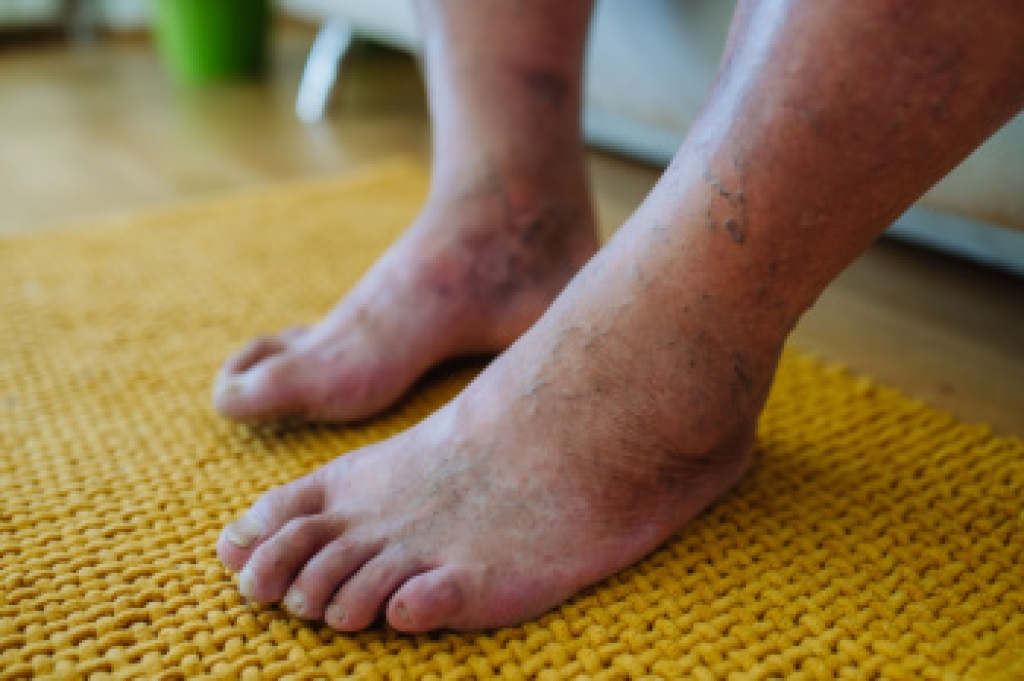
Diabetes can cause nerve damage, known as neuropathy, and poor circulation, leading to decreased sensation and slower healing in the feet. This makes it easier to develop unnoticed cuts, blisters, or infections, which can worsen without proper care. Symptoms include numbness, tingling, burning sensations, dry or cracked skin, swelling, and slow-healing wounds. Feet may appear discolored, swollen, or have ulcers, which can be painless due to nerve damage, but are at high risk for infection. A podiatrist can diagnose diabetic foot problems with a thorough foot exam, assessing circulation and nerve function. Treatment focuses on preventing complications through regular foot care, wound management, custom orthotics, and education on proper hygiene and footwear. If you have diabetes, it is suggested that you schedule regular appointments with a podiatrist for ongoing care.
Diabetic foot care is important in preventing foot ailments such as ulcers. If you are suffering from diabetes or have any other concerns about your feet, contact one of our podiatrists from Pennsylvania Foot & Ankle. Our doctors can provide the care you need to keep you pain-free and on your feet.
Diabetic Foot Care
Diabetes affects millions of people every year. The condition can damage blood vessels in many parts of the body, especially the feet. Because of this, taking care of your feet is essential if you have diabetes, and having a podiatrist help monitor your foot health is highly recommended.
The Importance of Caring for Your Feet
Patients with diabetes should have their doctor monitor their blood levels, as blood sugar levels play such a huge role in diabetic care. Monitoring these levels on a regular basis is highly advised.
It is always best to inform your healthcare professional of any concerns you may have regarding your feet, especially for diabetic patients. Early treatment and routine foot examinations are keys to maintaining proper health, especially because severe complications can arise if proper treatment is not applied.
If you have any questions, please feel free to contact one of our offices located in Bensalem, Philadelphia, Northeast Philadelphia, Yardley, PA, and Hamilton, NJ . We offer the newest diagnostic and treatment technologies for all your foot care needs.

Do you suffer from heel pain when you get up in the morning? If so, you should seek professional help and have a proper diagnosis performed. Heel pain can be caused by several different foot-related conditions.

Rheumatoid arthritis is a long-term condition that causes inflammation in the joints, often starting in the feet. In many cases, the toes or middle part of the foot are the first areas to become painful or swollen. The joints most often affected are the ones at the base of the toes, as well as the joints below the ankle. These areas can become stiff, unstable, or painful, and over time, the shape of the foot can change. Some people develop soft lumps, called nodules, that form over pressure points like the heel or the back of the ankle. Fluid-filled sacs under the ball of the foot, known as bursae, may become sore if irritated. Corns, calluses, and thick skin may build up in areas that take extra pressure, especially if walking becomes uneven. A podiatrist can provide support through an accurate diagnosis, pressure relief techniques, and long-term foot care. If you have rheumatoid arthritis that is causing foot pain, it is suggested that you schedule an appointment with a podiatrist for appropriate treatment.
Because RA affects more than just your joints, including the joints in your feet and ankles, it is important to seek early diagnosis from your podiatrist if you feel like the pain in your feet might be caused by RA. For more information, contact one of our podiatrists of Pennsylvania Foot & Ankle. Our doctors will assist you with all of your podiatric concerns.
What Is Rheumatoid Arthritis?
Rheumatoid Arthritis (RA) is an autoimmune disorder in which the body’s own immune system attacks the membranes surrounding the joints. Inflammation of the lining and eventually the destruction of the joint’s cartilage and bone occur, causing severe pain and immobility.
Rheumatoid Arthritis of the Feet
Although RA usually attacks multiple bones and joints throughout the entire body, almost 90 percent of cases result in pain in the foot or ankle area.
Symptoms
Diagnosis
Quick diagnosis of RA in the feet is important so that the podiatrist can treat the area effectively. Your doctor will ask you about your medical history, occupation, and lifestyle to determine the origin of the condition. Rheumatoid Factor tests help to determine if someone is affected by the disease.
If you have any questions, please feel free to contact one of our offices located in Bensalem, Philadelphia, Northeast Philadelphia, Yardley, PA, and Hamilton, NJ . We offer the newest diagnostic and treatment technologies for all your foot care needs.
Connect With Us
