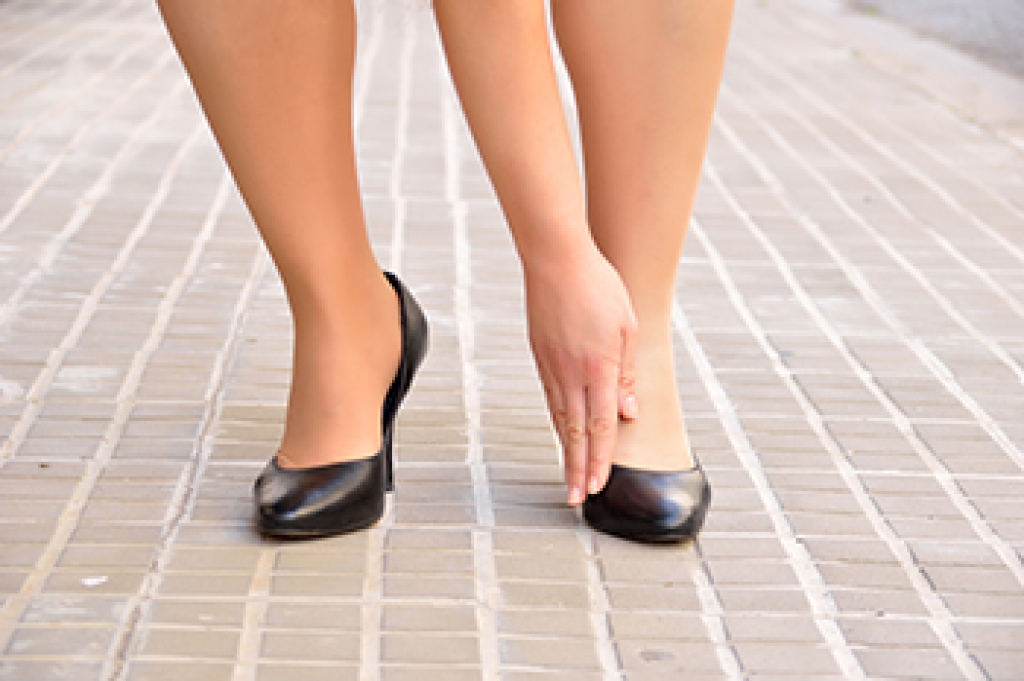
Pain Related to Wearing High Heels

High-heeled shoes can alter foot posture and place stress on the feet and ankles. Elevating the heel shifts body weight forward, increasing pressure under the ball of the foot and compressing the toes. This change in alignment can strain joints, irritate nerves, and overload soft tissues that help stabilize the arch. Patients may notice burning pain beneath the forefoot, aching in the heel, stiffness through the mid-foot, or soreness around the ankle. A narrow toe box can crowd the toes, contributing to bunions, hammertoes, and possible ingrown toenails. A podiatrist evaluates gait, joint motion, and areas of pressure to identify the source of pain. Treatment options include padding, orthotic devices to redistribute load, and guidance on shoe choices. If you feel pain after wearing high-heeled shoes, it is suggested that you make an appointment with a podiatrist for an exam, diagnosis, and treatment options.

High heels have a history of causing foot and ankle problems. If you have any concerns about your feet or ankles, contact one of our podiatrists from Pennsylvania Foot & Ankle. Our doctors can provide the care you need to keep you pain-free and on your feet.

Effects of High Heels on the Feet

High heels are popular shoes among women because of their many styles and societal appeal.  Despite this, high heels can still cause many health problems if worn too frequently.

Which Parts of My Body Will Be Affected by High Heels?

  • Ankle Joints
  • Achilles Tendon – May shorten and stiffen with prolonged wear
  • Balls of the Feet
  • Knees – Heels cause the knees to bend constantly, creating stress on them
  • Back – They decrease the spine’s ability to absorb shock, which may lead to back pain.  The vertebrae of the lower back may compress.

What Kinds of Foot Problems Can Develop from Wearing High Heels?

  • Corns
  • Calluses
  • Hammertoe
  • Bunions
  • Morton’s Neuroma
  • Plantar Fasciitis

How Can I Still Wear High Heels and Maintain Foot Health?

If you want to wear high heeled shoes, make sure that you are not wearing them every day, as this will help prevent long term physical problems.  Try wearing thicker heels as opposed to stilettos to distribute weight more evenly across the feet.  Always make sure you are wearing the proper shoes for the right occasion, such as sneakers for exercising.  If you walk to work, try carrying your heels with you and changing into them once you arrive at work.  Adding inserts to your heels can help cushion your feet and absorb shock. Full foot inserts or metatarsal pads are available. 

If you have any questions, please feel free to contact one of our offices located in Bensalem, Philadelphia, Northeast Philadelphia, Yardley, PA, and Hamilton, NJ . We offer the newest diagnostic and treatment technologies for all your foot care needs.
Read more about Effect of High Heels on the Feet

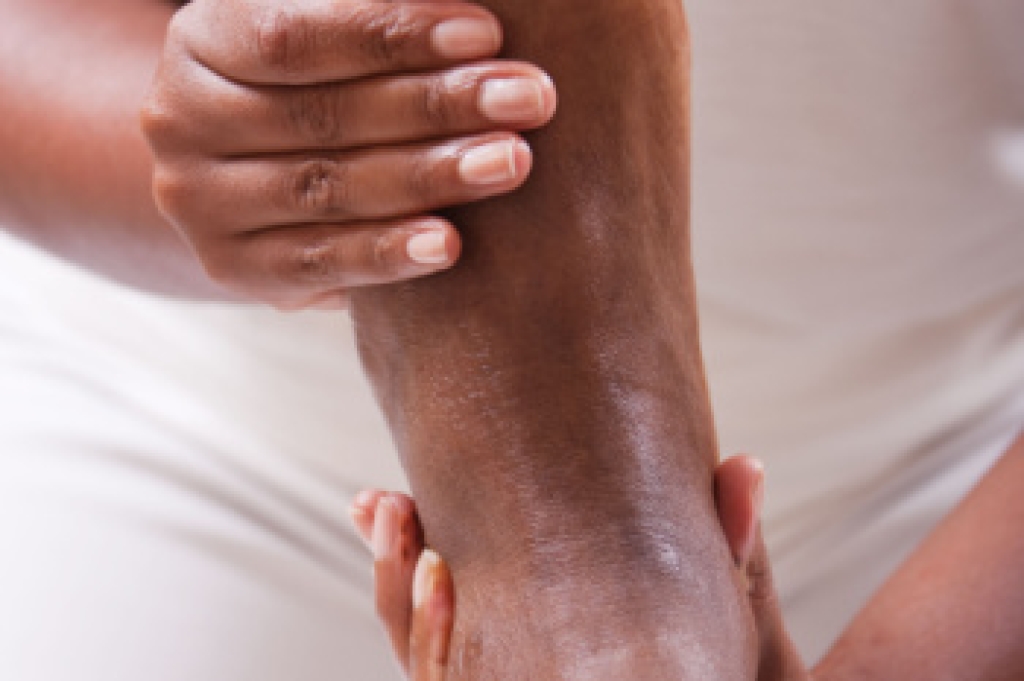
Steps Toward More Comfortable Movement

Reliable mobility depends on feet that feel supported, flexible, and free of irritation. Caring for the skin, monitoring nail health, and selecting footwear that matches your activity level all play a role in keeping each step steady. Light stretching for the toes, heels, and ankles can enhance flexibility, while addressing small concerns early prevents soreness that may interrupt daily routines. Conditions such as calluses, cracked skin, fungal infections, and numbness can gradually make walking less comfortable if they are ignored. Many adults also benefit from routine foot evaluations, which help identify changes that may interfere with balance or endurance. When the feet stay comfortable, staying active becomes far easier. If you notice persistent discomfort or difficulty with walking, it is suggested that you schedule an appointment with a podiatrist for personalized care.

Everyday foot care is very important to prevent infection and other foot ailments. If you need your feet checked, contact one of our podiatrists from Pennsylvania Foot & Ankle. Our doctors can provide the care you need to keep you pain-free and on your feet.

Everyday Foot Care

Often, people take care of their bodies, face and hair more so than they do for their feet. But the feet are a very important aspect of our bodies, and one that we should pay more attention to. Without our feet, we would not be able to perform most daily tasks.

It is best to check your feet regularly to make sure there are no new bruises or cuts that you may not have noticed before. For dry feet, moisturizer can easily be a remedy and can be applied as often as necessary to the affected areas. Wearing shoes that fit well can also help you maintain good foot health, as well as making it easier to walk and do daily activities without the stress or pain of ill-fitting shoes, high heels, or even flip flops. Wearing clean socks with closed shoes is important to ensure that sweat and bacteria do not accumulate within the shoe. Clean socks help to prevent Athlete’s foot, fungi problems, bad odors, and can absorb sweat.

If you have any questions, please feel free to contact one of our offices located in Bensalem, Philadelphia, Northeast Philadelphia, Yardley, PA, and Hamilton, NJ . We offer the newest diagnostic and treatment technologies for all your foot care needs.
Read more about Everyday Foot Care

Reminder: When Was the Last Time...?

Custom orthotics, or shoe inserts, should be periodically replaced. Orthotics must fit properly to give you the best results. Protect your feet and ankles!

Flat Feet Risks

Flat feet are a foot condition in which the arches collapse or fail to develop fully, causing the feet to roll inward during standing and walking. When the feet roll in, the ankles often tilt down toward the ground on one side, creating instability and uneven weight distribution. This altered alignment can have a domino effect on the knees and hip joints, leading to discomfort and joint strain over time. Flat feet are also linked to plantar fasciitis, foot fatigue, in addition to foot and ankle arthritis. A podiatrist can evaluate foot structure, gait, and alignment to determine the severity of flat feet. Treatment may include supportive footwear, custom orthotics, and targeted therapies. If you have flat feet and foot pain or joint discomfort is affecting your daily life, it is suggested that you schedule a visit with a podiatrist for relief and management tips.

Flatfoot is a condition many people suffer from. If you have flat feet, contact one of our podiatrists from Pennsylvania Foot & Ankle. Our doctors will treat your foot and ankle needs.

What Are Flat Feet?

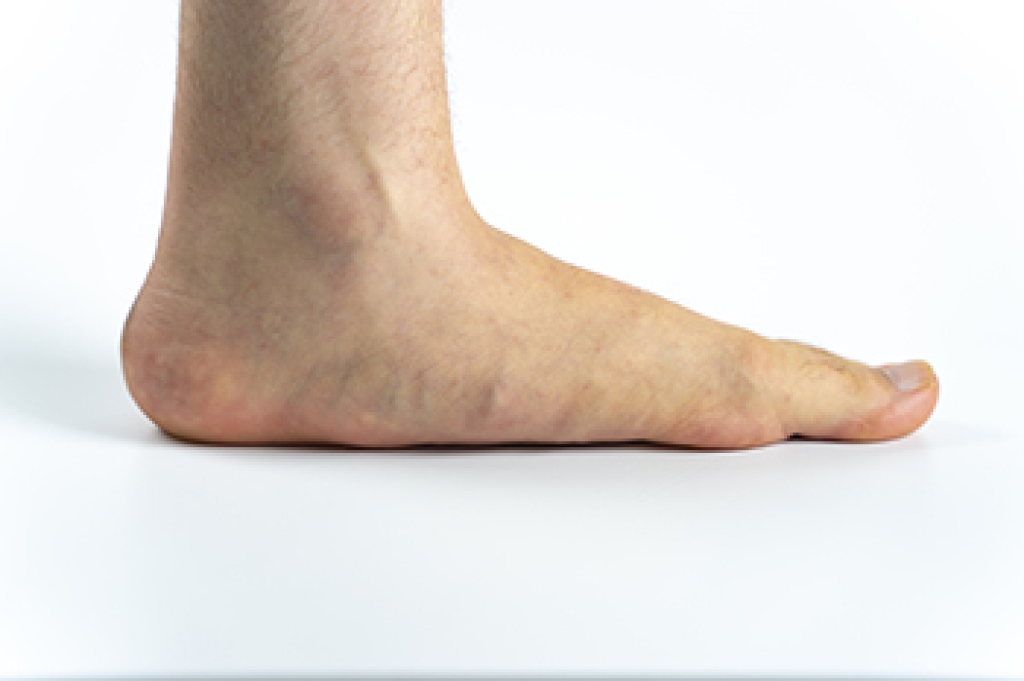
Flatfoot is a condition in which the arch of the foot is depressed and the sole of the foot is almost completely in contact with the ground. About 20-30% of the population generally has flat feet because their arches never formed during growth.

Conditions & Problems:

Having flat feet makes it difficult to run or walk because of the stress placed on the ankles.

Alignment – The general alignment of your legs can be disrupted, because the ankles move inward which can cause major discomfort.

Knees – If you have complications with your knees, flat feet can be a contributor to arthritis in that area.  

Symptoms

  • Pain around the heel or arch area
  • Trouble standing on the tip toe
  • Swelling around the inside of the ankle
  • Flat look to one or both feet
  • Having your shoes feel uneven when worn

Treatment

If you are experiencing pain and stress on the foot you may weaken the posterior tibial tendon, which runs around the inside of the ankle. 

If you have any questions, please feel free to contact one of our offices located in Bensalem, Philadelphia, Northeast Philadelphia, Yardley, PA, and Hamilton, NJ . We offer the newest diagnostic and treatment technologies for all your foot care needs.
Read more about Flat Feet

Foot Corns and How to Relieve Discomfort

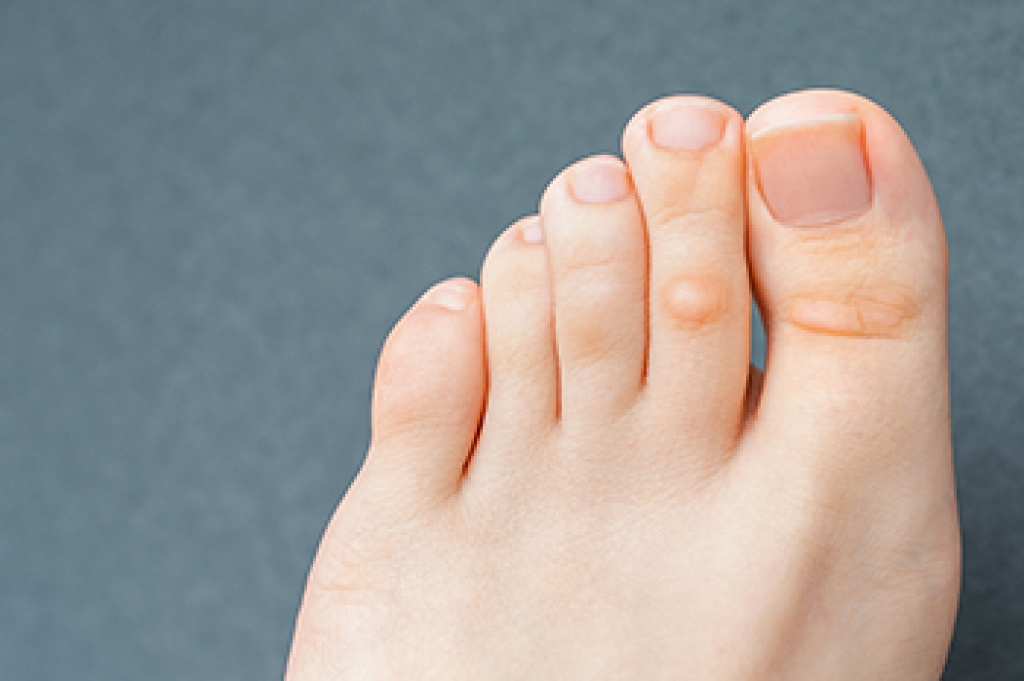
Foot corns are small, thickened areas of hardened skin that develop due to repeated pressure or friction, often on the tops, sides, or soles of the feet. They commonly form from wearing tight shoes, abnormal foot mechanics, or frequent walking or standing. Symptoms include raised, rough bumps that can be tender or extremely painful, especially when pressure is applied. Corns can interfere with walking and daily activities, if left untreated. A podiatrist can safely remove corns, address the underlying cause, and recommend strategies to prevent recurrence. Treatment may include padding, custom orthotics, footwear adjustments, and guidance on proper foot care. Corns can cause extreme pain. If you have developed a foot corn, it is suggested that you consult a podiatrist who can offer effective relief and treatment solutions.

Corns can make walking very painful and should be treated immediately. If you have questions regarding your feet and ankles, contact one of our podiatrists of Pennsylvania Foot & Ankle. Our doctors will treat your foot and ankle needs.

Corns: What Are They? And How Do You Get Rid of Them?
Corns are thickened areas on the skin that can become painful. They are caused by excessive pressure and friction on the skin. Corns press into the deeper layers of the skin and are usually round in shape.

Ways to Prevent Corns
There are many ways to get rid of painful corns such as:

  • Wearing properly fitting shoes that have been measured by a professional
  • Wearing shoes that are not sharply pointed or have high heels
  • Wearing only shoes that offer support

Treating Corns

Although most corns slowly disappear when the friction or pressure stops, this isn’t always the case. Consult with your podiatrist to determine the best treatment option for your case of corns.

If you have any questions, please feel free to contact one of our offices located in Bensalem, Philadelphia, Northeast Philadelphia, Yardley, PA, and Hamilton, NJ . We offer the newest diagnostic and treatment technologies for all your foot care needs.

Read more about Understanding Corns and Calluses

Connect With Us