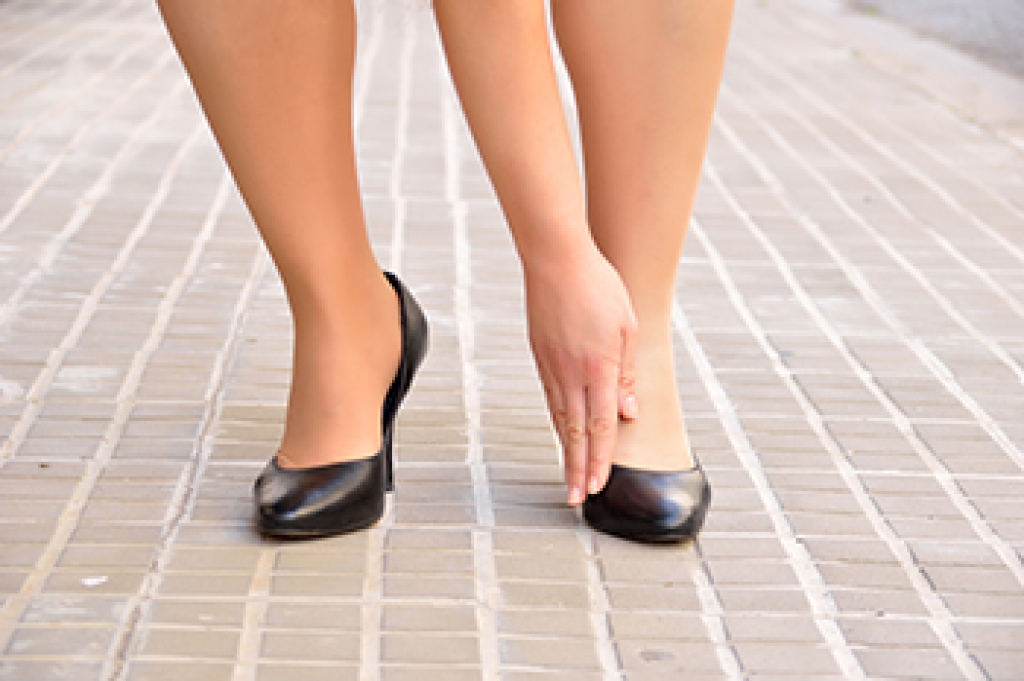
High-heeled shoes can alter foot posture and place stress on the feet and ankles. Elevating the heel shifts body weight forward, increasing pressure under the ball of the foot and compressing the toes. This change in alignment can strain joints, irritate nerves, and overload soft tissues that help stabilize the arch. Patients may notice burning pain beneath the forefoot, aching in the heel, stiffness through the mid-foot, or soreness around the ankle. A narrow toe box can crowd the toes, contributing to bunions, hammertoes, and possible ingrown toenails. A podiatrist evaluates gait, joint motion, and areas of pressure to identify the source of pain. Treatment options include padding, orthotic devices to redistribute load, and guidance on shoe choices. If you feel pain after wearing high-heeled shoes, it is suggested that you make an appointment with a podiatrist for an exam, diagnosis, and treatment options.
High heels have a history of causing foot and ankle problems. If you have any concerns about your feet or ankles, contact one of our podiatrists from Pennsylvania Foot & Ankle. Our doctors can provide the care you need to keep you pain-free and on your feet.
Effects of High Heels on the Feet
High heels are popular shoes among women because of their many styles and societal appeal. Despite this, high heels can still cause many health problems if worn too frequently.
Which Parts of My Body Will Be Affected by High Heels?
- Ankle Joints
- Achilles Tendon – May shorten and stiffen with prolonged wear
- Balls of the Feet
- Knees – Heels cause the knees to bend constantly, creating stress on them
- Back – They decrease the spine’s ability to absorb shock, which may lead to back pain. The vertebrae of the lower back may compress.
What Kinds of Foot Problems Can Develop from Wearing High Heels?
- Corns
- Calluses
- Hammertoe
- Bunions
- Morton’s Neuroma
- Plantar Fasciitis
How Can I Still Wear High Heels and Maintain Foot Health?
If you want to wear high heeled shoes, make sure that you are not wearing them every day, as this will help prevent long term physical problems. Try wearing thicker heels as opposed to stilettos to distribute weight more evenly across the feet. Always make sure you are wearing the proper shoes for the right occasion, such as sneakers for exercising. If you walk to work, try carrying your heels with you and changing into them once you arrive at work. Adding inserts to your heels can help cushion your feet and absorb shock. Full foot inserts or metatarsal pads are available.
If you have any questions, please feel free to contact one of our offices located in Bensalem, Philadelphia, Northeast Philadelphia, Yardley, PA, and Hamilton, NJ . We offer the newest diagnostic and treatment technologies for all your foot care needs.
