Connect With Us

An ingrown toenail is a common foot condition that occurs when the edge of the nail grows into the surrounding skin. This often affects the big toe and can lead to discomfort and inflammation if not addressed early. The condition develops gradually and may begin with mild irritation before progressing into more noticeable pain. Ingrown toenails are frequently linked to improper nail care or external pressure on the toes. Understanding how this condition forms helps individuals take preventive steps and maintain proper foot health.
Several causes contribute to the development of an ingrown toenail. Poorly fitting shoes that crowd the toes place continuous pressure on the nail, forcing it to grow into the skin. Improper nail trimming is another leading factor, especially when nails are cut too short or rounded at the edges, instead of straight across. Repetitive stress from activities such as running or prolonged standing can also increase risk. In some cases, natural nail shape or inherited traits make certain individuals more prone to this condition.
Symptoms of an ingrown toenail often begin with localized pain along the nail edge. As the condition progresses, redness and swelling may develop in the surrounding skin. The area can become tender to the touch and uncomfortable when wearing shoes or walking. In more advanced cases, infection may occur, leading to increased swelling, warmth, and drainage. Early recognition of these symptoms is important to prevent worsening discomfort and complications.
Risk factors include wearing tight footwear, improper grooming habits, excessive sweating, and activities that place repeated pressure on the toes. Individuals with curved nails or previous nail injuries may also face a higher likelihood of recurrence. Proper foot care, including wearing well-fitting shoes and maintaining correct trimming techniques, can reduce risk. Treatment may involve relieving pressure, addressing inflammation, and preventing infection. If you have an ingrown toenail, it is suggested that you consult a podiatrist for an accurate diagnosis and appropriate treatment.
Ingrown toenails can become painful if they are not treated properly. For more information about ingrown toenails, contact one of our podiatrists of Pennsylvania Foot & Ankle. Our doctors can provide the care you need to keep you pain-free and on your feet.
Ingrown Toenails
Ingrown toenails occur when a toenail grows sideways into the bed of the nail, causing pain, swelling, and possibly infection.
Causes
Prevention
Wearing proper fitting shoes and using proper cutting techniques will also help decrease your risk of developing ingrown toenails.
Treatment
Ingrown toenails are a very treatable foot condition. In minor cases, soaking the affected area in salt or antibacterial soaps will not only help with the ingrown nail itself, but also help prevent any infections from occurring. In more severe cases, surgery is an option. In either case, speaking to your podiatrist about this condition will help you get a better understanding of specific treatment options that are right for you.
If you have any questions, please feel free to contact one of our offices located in Bensalem, Philadelphia, Northeast Philadelphia, Yardley, PA, and Hamilton, NJ . We offer the newest diagnostic and treatment technologies for all your foot care needs.

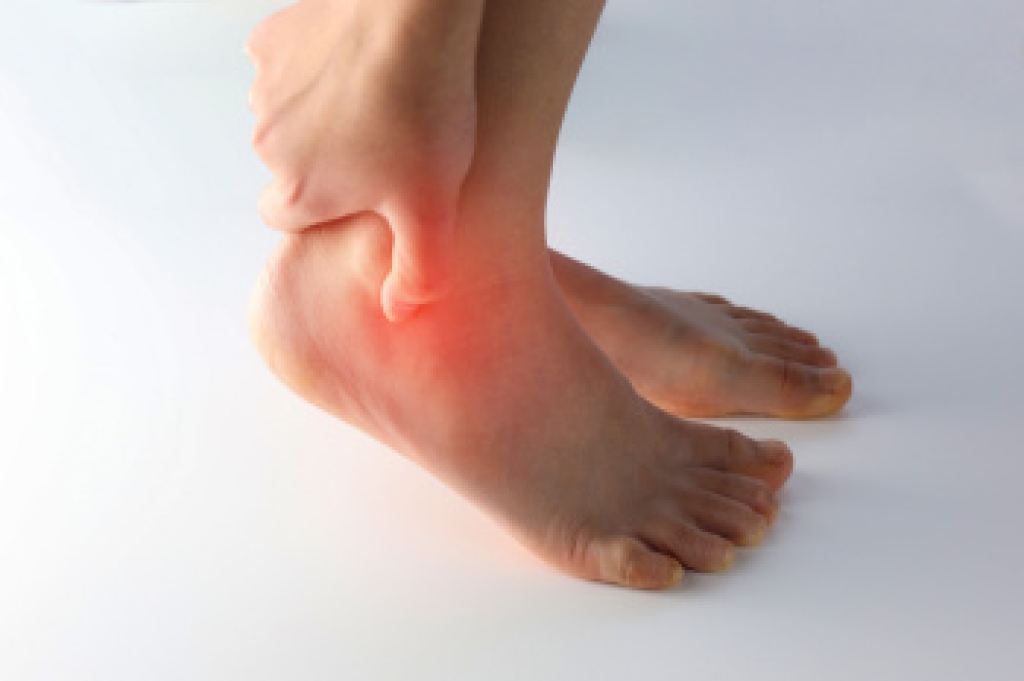
Stretching plays an important role in maintaining flexibility, mobility, and overall foot health. The feet contain numerous muscles, tendons, and ligaments that work together to support movement and balance. These structures are placed under constant stress when walking, running, and standing throughout the day. When the muscles and soft tissues of the feet become tight, individuals may experience discomfort, stiffness, or reduced mobility. Foot flexibility is especially important for maintaining proper movement patterns and reducing strain on other areas of the lower body. Healthy foot function can contribute to better comfort and improved performance during everyday activities.
Limited flexibility in the feet can affect more than just the foot itself. Tight muscles and restricted movement may contribute to conditions like heel pain, arch discomfort, and reduced ankle mobility. These issues can influence walking mechanics and place additional stress on the ankles, knees, and legs. Athletes, active individuals, and people who spend long hours on their feet may be more likely to experience foot tightness and related discomfort. Paying attention to foot mobility is an important part of maintaining healthy movement and supporting overall musculoskeletal function. Early evaluation can help identify underlying issues that may be contributing to ongoing foot pain or stiffness.
Podiatric care can help address foot problems that affect flexibility and mobility. A podiatrist can evaluate foot structure, gait, and joint function to determine whether underlying conditions are contributing to discomfort or restricted movement. A professional assessment may identify issues involving the muscles, tendons, or joints that require specialized care. By addressing the source of foot pain and mobility limitations, a podiatrist can help improve function and support long-term foot health. Maintaining proper foot movement is important for staying active and comfortable throughout daily life. If you are experiencing foot stiffness, reduced mobility, or foot pain, it is suggested that you consult a podiatrist for an evaluation and appropriate treatment options.
Everyday foot care is very important to prevent infection and other foot ailments. If you need your feet checked, contact one of our podiatrists from Pennsylvania Foot & Ankle. Our doctors can provide the care you need to keep you pain-free and on your feet.
Everyday Foot Care
Often, people take care of their bodies, face and hair more so than they do for their feet. But the feet are a very important aspect of our bodies, and one that we should pay more attention to. Without our feet, we would not be able to perform most daily tasks.
It is best to check your feet regularly to make sure there are no new bruises or cuts that you may not have noticed before. For dry feet, moisturizer can easily be a remedy and can be applied as often as necessary to the affected areas. Wearing shoes that fit well can also help you maintain good foot health, as well as making it easier to walk and do daily activities without the stress or pain of ill-fitting shoes, high heels, or even flip flops. Wearing clean socks with closed shoes is important to ensure that sweat and bacteria do not accumulate within the shoe. Clean socks help to prevent Athlete’s foot, fungi problems, bad odors, and can absorb sweat.
If you have any questions, please feel free to contact one of our offices located in Bensalem, Philadelphia, Northeast Philadelphia, Yardley, PA, and Hamilton, NJ . We offer the newest diagnostic and treatment technologies for all your foot care needs.

Diabetic foot ulcers are open wounds that most often develop when several problems come together over time. Diabetes can reduce feeling in the feet, making it harder to notice a blister, cut, pressure spot, or irritation from footwear. At the same time, changes in circulation may slow healing, allowing even a small injury to worsen instead of improving. Foot shape changes and dry, fragile skin can also increase the chance of skin breakdown. Because pain may be limited or absent, some ulcers develop without the person realizing how serious the problem has become. A podiatrist can examine the feet for pressure points, skin damage, circulation concerns, and signs of infection before complications become more severe. Early detection and treatment are important because these wounds can become deeper and harder to heal if ignored. If you have diabetes and notice skin changes or wounds on your feet, it is strongly suggested that you are under the care of a podiatrist who can help you to manage this serious condition.
Diabetic foot care is important in preventing foot ailments such as ulcers. If you are suffering from diabetes or have any other concerns about your feet, contact one of our podiatrists from Pennsylvania Foot & Ankle. Our doctors can provide the care you need to keep you pain-free and on your feet.
Diabetic Foot Care
Diabetes affects millions of people every year. The condition can damage blood vessels in many parts of the body, especially the feet. Because of this, taking care of your feet is essential if you have diabetes, and having a podiatrist help monitor your foot health is highly recommended.
The Importance of Caring for Your Feet
Patients with diabetes should have their doctor monitor their blood levels, as blood sugar levels play such a huge role in diabetic care. Monitoring these levels on a regular basis is highly advised.
It is always best to inform your healthcare professional of any concerns you may have regarding your feet, especially for diabetic patients. Early treatment and routine foot examinations are keys to maintaining proper health, especially because severe complications can arise if proper treatment is not applied.
If you have any questions, please feel free to contact one of our offices located in Bensalem, Philadelphia, Northeast Philadelphia, Yardley, PA, and Hamilton, NJ . We offer the newest diagnostic and treatment technologies for all your foot care needs.
Connect With Us