
Custom orthotics, or shoe inserts, should be periodically replaced. Orthotics must fit properly to give you the best results. Protect your feet and ankles!
Custom orthotics, or shoe inserts, should be periodically replaced. Orthotics must fit properly to give you the best results. Protect your feet and ankles!
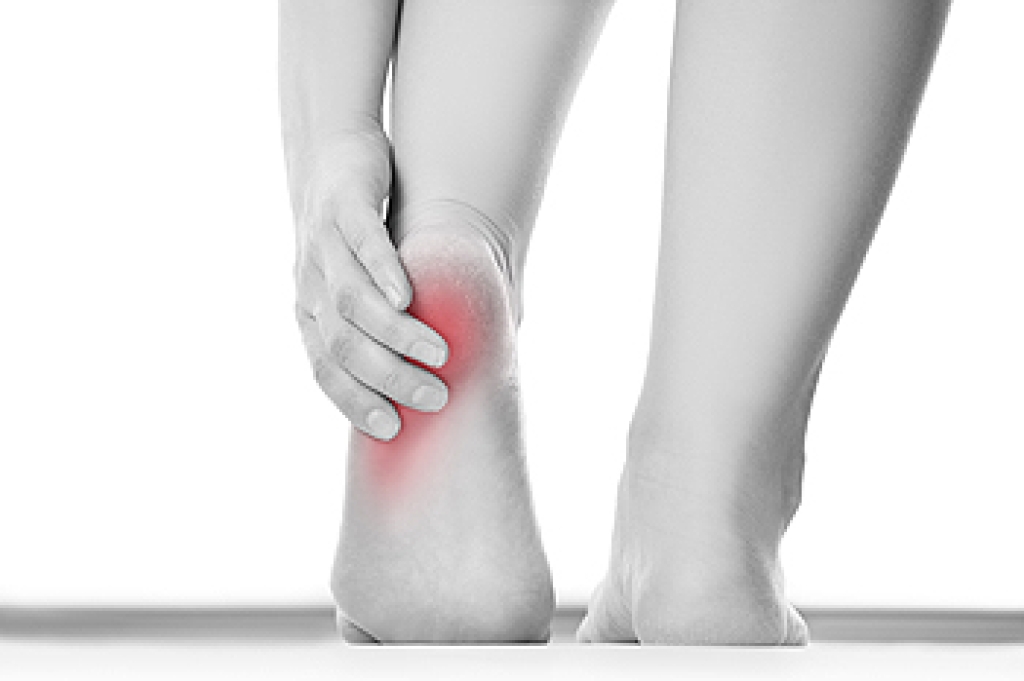 Research has indicated that there are several forms of heel pain. The most common type is referred to as plantar fasciitis, and this occurs as a result of an inflamed plantar fascia. This is the band of tissue that is located on the sole of the foot, connecting the heel to the toes. Heel bursitis is a condition where pain is felt in the middle of the heel, and can develop as a result of falling from an extended height. Young children who participate in sporting activities may develop Sever’s disease, and this may develop from an inflamed Achilles tendon. Many patients will experience heel pain at some point in their lives, and there are methods to managing the pain and discomfort. If you have any type of heel pain, it is advised to consult with a podiatrist who will perform a proper diagnosis, and begin the correct treatment.
Many people suffer from bouts of heel pain. For more information, contact one of our podiatrists of Pennsylvania Foot & Ankle. Our doctors can provide the care you need to keep you pain-free and on your feet.
Causes of Heel Pain
Heel pain is often associated with plantar fasciitis. The plantar fascia is a band of tissues that extends along the bottom of the foot. A rip or tear in this ligament can cause inflammation of the tissue.
Achilles tendonitis is another cause of heel pain. Inflammation of the Achilles tendon will cause pain from fractures and muscle tearing. Lack of flexibility is also another symptom.
Heel spurs are another cause of pain. When the tissues of the plantar fascia undergo a great deal of stress, it can lead to ligament separation from the heel bone, causing heel spurs.
Why Might Heel Pain Occur?
Treatments
Heel pain should be treated as soon as possible for immediate results. Keeping your feet in a stress-free environment will help. If you suffer from Achilles tendonitis or plantar fasciitis, applying ice will reduce the swelling. Stretching before an exercise like running will help the muscles. Using all these tips will help make heel pain a condition of the past.
If you have any questions, please feel free to contact one of our offices located in Bensalem, Philadelphia, Northeast Philadelphia, Yardley, PA, and Hamilton, NJ . We offer the newest diagnostic and treatment technologies for all your foot care needs.
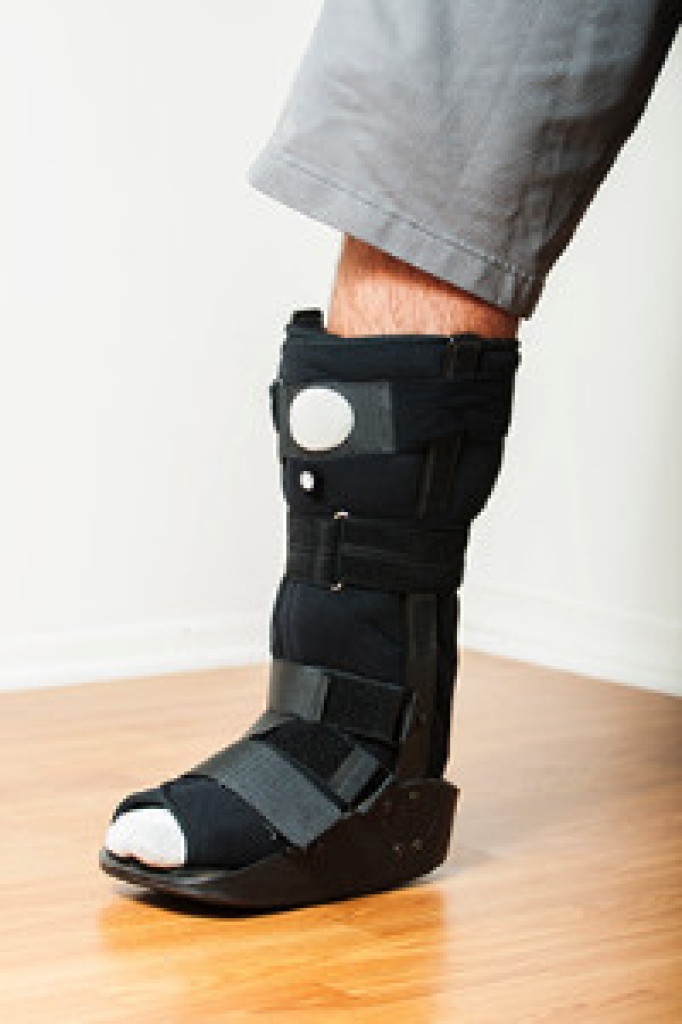
A broken foot can be very painful, considering how much weight the feet endure on a daily basis. The symptoms and treatment for a broken foot vary depending on which bone is affected and how the break occurred. You will most likely require a physical examination of the foot before a proper diagnosis can occur. A doctor may have to take an X-ray, bone scan, CT or MRI to understand what type of injury it is. To begin treating the break, your doctor may recommend an over-the-counter pain reliever. One procedure to fix the fracture is called, “reduction.” This consists of the doctor manipulating the bones back into the correct position. Another option is immobilization, which involves the foot being put in a cast or boot. Occasionally, surgery is an option. If you cannot see a doctor immediately and suspect you have a broken foot, it is suggested to apply ice, keep the foot elevated, avoid putting weight on it and wrap the injury lightly. If you believe you may have a broken foot, or have any kind of foot pain, you should consult with a podiatrist who can help.
A broken foot requires immediate medical attention and treatment. If you need your feet checked, contact one of our podiatrists from Pennsylvania Foot & Ankle. Our doctors can provide the care you need to keep you pain-free and on your feet.
Broken Foot Causes, Symptoms, and Treatment
A broken foot is caused by one of the bones in the foot typically breaking when bended, crushed, or stretched beyond its natural capabilities. Usually the location of the fracture indicates how the break occurred, whether it was through an object, fall, or any other type of injury.
Common Symptoms of Broken Feet:
Those that suspect they have a broken foot shoot seek urgent medical attention where a medical professional could diagnose the severity.
Treatment for broken bones varies depending on the cause, severity and location. Some will require the use of splints, casts or crutches while others could even involve surgery to repair the broken bones. Personal care includes the use of ice and keeping the foot stabilized and elevated.
If you have any questions, please feel free to contact one of our offices located in Bensalem, Philadelphia, Northeast Philadelphia, Yardley, PA, and Hamilton, NJ . We offer the newest diagnostic and treatment technologies for all your foot care needs.
 Athletes are known to have many foot and ankle complications. Some issues tend to affect the athletes of specific sports more than others. For example, “turf toe” is common among those who participate in football, soccer, basketball, wrestling, gymnastics, and dance. Turf toe is the spraining of the big toe joint. Another usual injury among athletes is a stress fracture. Those who run and jump on hard surfaces, such as runners, basketball players, and dancers, commonly experience fractures. Additionally, Achilles tendonitis, which is the inflammation of the back of your ankle, is seen among basketball and tennis players. Finally, a pinched nerve condition known as tarsal tunnel syndrome is seen among various types of athletes. Considering the extra stress athletes put on their bodies, it is no surprise that they are prone to foot and ankle injuries. These people in particular should look out for complications so they can continue performing in their respective sport effectively. If you believe you may have a foot or ankle injury due to a sport, you should contact a podiatrist.
Ankle and foot injuries are common among athletes and in many sports. They can be caused by several problems and may be potentially serious. If you are feeling pain or think you were injured in a sporting event or when exercising, consult with one of our podiatrists from Pennsylvania Foot & Ankle. Our doctors will assess your condition and provide you with quality foot and ankle treatment.
Common Injuries
The most common injuries that occur in sporting activities include:
Symptoms
Symptoms vary depending upon the injury and in some cases, there may be no symptoms at all. However, in most cases, some form of symptom is experienced. Pain, aching, burning, bruising, tenderness, tightness or stiffness, sensation loss, difficulty moving, and swelling are the most common symptoms.
Treatment
Just as symptoms vary depending upon the injury, so do treatment options. A common treatment method is known as the RICE method. This method involves rest, applying ice, compression and elevating the afflicted foot or ankle. If the injury appears to be more serious, surgery might be required, such as arthroscopic or reconstructive surgery. Lastly, rehabilitation or therapy might be needed to gain full functionality in the afflicted area. Any discomfort experienced by an athlete must be evaluated by a licensed, reputable medical professional.
If you have any questions please contact one of our offices located in Bensalem, Philadelphia, Northeast Philadelphia, Yardley, PA, and Hamilton, NJ . We offer the newest diagnostic and treatment technologies for all your foot and ankle needs.

Suffering from this type of pain? You may have the foot condition known as Morton's neuroma. Morton's neuroma may develop as a result of ill-fitting footwear and existing foot deformities. We can help.
Connect With Us
