Understanding Foot Blisters

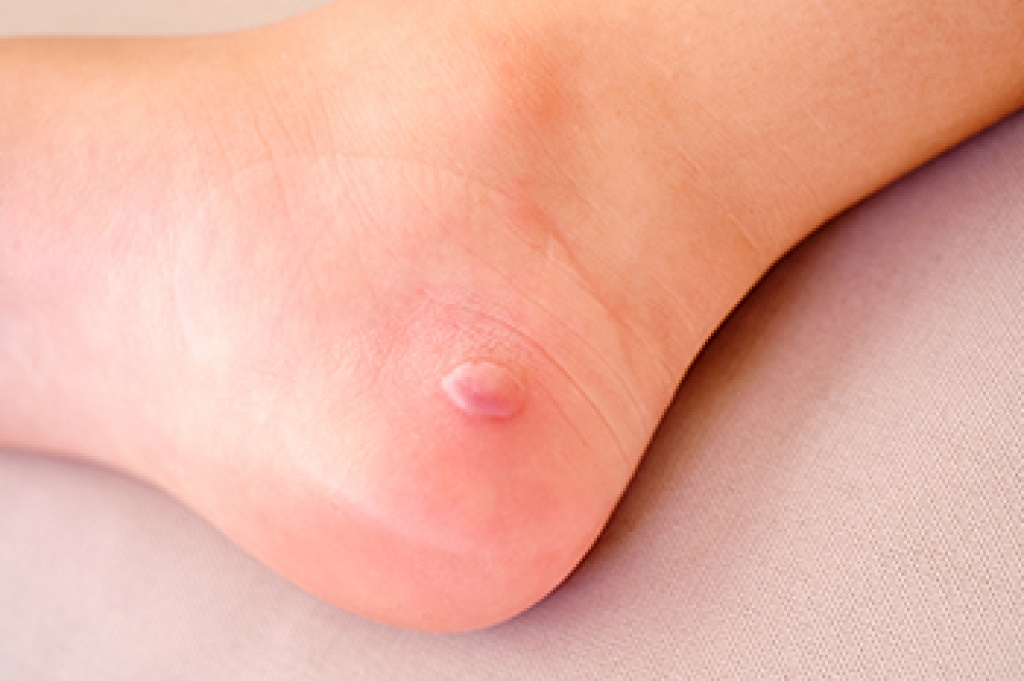
Blisters on the feet can make walking painful and interfere with normal activity. A blister is a fluid-filled swelling that forms within or just under the skin. It usually develops after the outer layer of skin becomes damaged. Fluid then collects beneath that layer and cushions the tissue below. Foot blisters can result from friction, heat, or pressure. Blood blisters form when a small blood vessel near the skin breaks and leaks into the damaged area. A blister containing pus can be a sign of infection and deserves professional attention.

Friction is an important cause of foot blisters. It occurs when skin repeatedly moves against another surface, which can damage the outer layers. Shoes that rub against the heel or toes can create this type of irritation. Pressure and shearing forces can also damage skin. Shearing occurs when the skin stays in place while deeper tissue shifts underneath it. Blisters can also develop after burns or around areas affected by fractures. Fracture blisters can contain clear fluid or blood. They can complicate healing because damaged skin has a greater risk of infection.

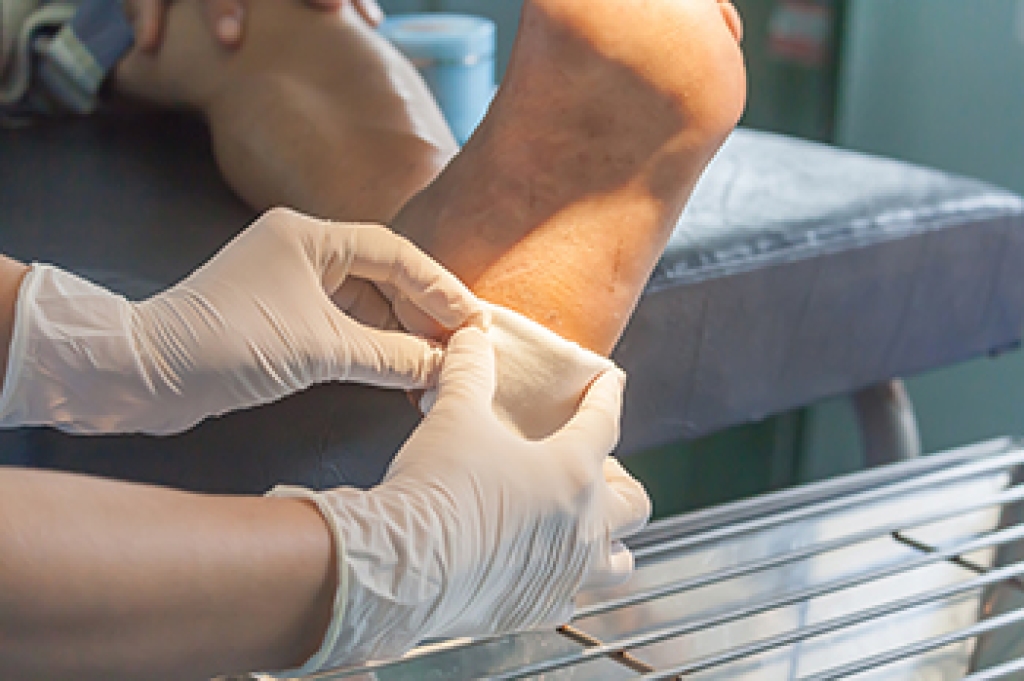
A podiatrist can examine a foot blister and determine what caused the skin damage. The evaluation can also identify pressure points, foot-shape concerns, or shoes that are creating repeated friction. Treatment depends on the blister's size, location, and condition. A podiatrist can protect the affected skin, select an appropriate dressing, and address pressure that could interfere with healing. Professional care is especially important when a blister shows signs of infection or occurs near an injury. Patients with recurring blisters can also benefit from an assessment of how their feet move inside their shoes. If you develop frequent foot blisters, it is suggested that you schedule an appointment with a podiatrist for effective relief and prevention tips.

Blisters may appear as a single bubble or in a cluster. They can cause a lot of pain and may be filled with pus, blood, or watery serum. If your feet are hurting, contact one of our podiatrists of Pennsylvania Foot & Ankle. Our doctors can provide the care you need to keep you pain-free and on your feet.

Foot Blisters

Foot blisters are often the result of friction. This happens due to the constant rubbing from shoes, which can lead to pain.

What Are Foot Blisters?

A foot blister is a small fluid-filled pocket that forms on the upper-most layer of the skin. Blisters are filled with clear fluid and can lead to blood drainage or pus if the area becomes infected.

Symptoms

(Blister symptoms may vary depending on what is causing them)

  • Bubble of skin filled with fluid
  • Redness
  • Moderate to severe pain
  • Itching

Prevention & Treatment

In order to prevent blisters, you should be sure to wear comfortable shoes with socks that cushion your feet and absorb sweat. Breaking a blister open may increase your chances of developing an infection. However, if your blister breaks, you should wash the area with soap and water immediately and then apply a bandage to the affected area. If your blisters cause severe pain it is important that you call your podiatrist right away.

If you have any questions, please feel free to contact one of our offices located in Bensalem, Philadelphia, Northeast Philadelphia, Yardley, PA, and Hamilton, NJ . We offer the newest diagnostic and treatment technologies for all your foot care needs.
Read more about Blisters on the Feet

Why Toe Pain May Be Linked to Arthritis and Joint Inflammation

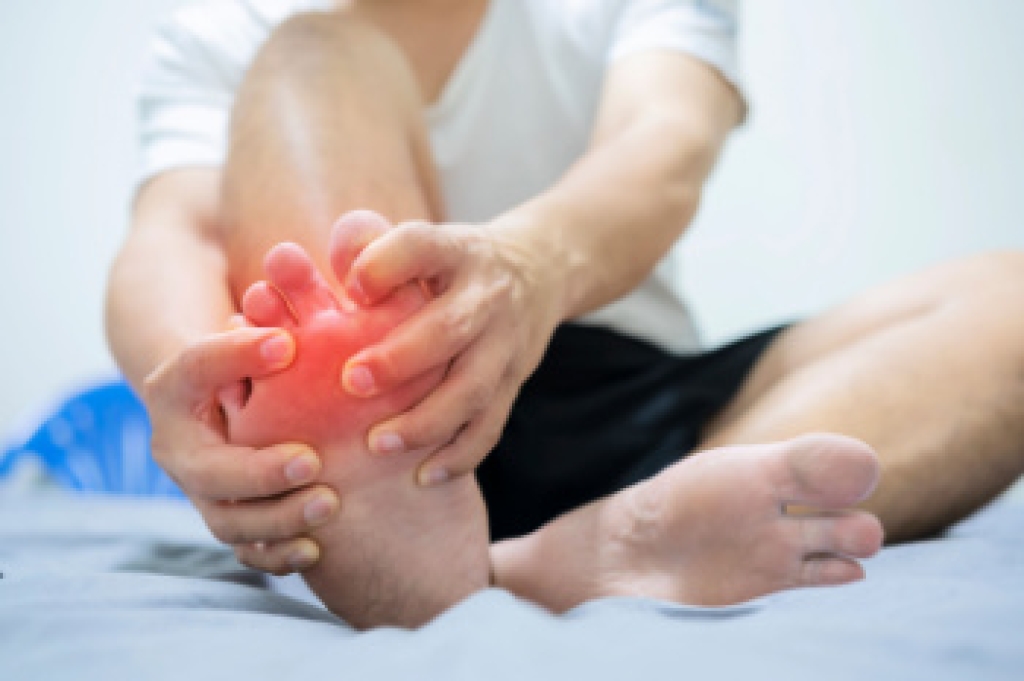
Toe pain is a common complaint that can affect daily movement, balance, and comfort. It is defined as discomfort that occurs in one or more of the toe joints, often caused by inflammation, structural changes, or underlying medical conditions. One of the most frequent causes of persistent toe pain is arthritis, which involves joint inflammation that leads to stiffness, swelling, and reduced mobility. When arthritis develops in the toes, it can interfere with walking and standing, especially if left untreated.

Symptoms of toe arthritis often begin with mild discomfort but can progress over time. Common signs include joint stiffness, redness, and a limited range of motion. Many patients report pain that worsens with activity and improves with rest. Inflammation may also cause the toes to feel warm or tender to the touch. As the condition advances, deformities or changes in toe alignment may occur, making it more difficult to wear shoes comfortably.


There are several types of arthritis that can affect the toes. Rheumatoid arthritis is an autoimmune condition that causes joint inflammation and damage. Gout is another common form, resulting from the buildup of uric acid crystals in the joint, often leading to sudden and severe pain. Psoriatic arthritis is associated with skin conditions and can affect the toes with swelling and stiffness. Infectious arthritis, although less common, occurs when bacteria enter the joint and cause inflammation. Risk factors include age, family history, obesity, prior joint injuries, and chronic conditions such as diabetes.


Understanding the cause of toe pain is essential for proper treatment and long term relief. Management may include anti-inflammatory care, footwear modification, orthotics, and lifestyle changes to reduce joint stress. Early diagnosis can help prevent further joint damage and improve mobility. If you have toe pain, it may be toe arthritis, and it is strongly suggested that you consult a podiatrist for an accurate diagnosis and effective relief and management solutions.

Toe pain can disrupt your daily activities. If you have any concerns, contact one of our podiatrists of Pennsylvania Foot & Ankle. Our doctors can provide the care you need to keep you pain-free and on your feet.

What Causes Toe Pain?

Most severe toe pain is caused due to a sports injury, trauma from dropping something heavy on the toe, or bumping into something rigid. Other problems can develop over time for various reasons.

Toe pain can be caused by one or more ailments. The most common include:

  • Trauma
  • Sports injury
  • Wearing shoes that are too tight
  • Arthritis
  • Gout
  • Corns and calluses
  • Hammertoe
  • Bunions
  • Blisters
  • Ingrown toenails
  • Sprains
  • Fractures (broken bones)
  • Dislocations

When to See a Podiatrist

  • Severe pain
  • Persistent pain that lasts more than a week
  • Signs of infection
  • Continued swelling
  • Pain that prevents walking

Diagnosis

In many cases the cause of toe pain is obvious, but in others, a podiatrist may want to use more advanced methods to determine the problem. These can range from simple visual inspections and sensation tests to X-rays and MRI scans. Prior medical history, family medical history, and any recent physical traumatic events will all be taken into consideration for a proper diagnosis.

Treatment

Treatments for toe pain and injuries vary and may include shoe inserts, padding, taping, medicines, injections, and in some cases, surgery. If you believe that you have broken a toe, please see a podiatrist as soon as possible.

If you have any questions please contact one of our offices located in Bensalem, Philadelphia, Northeast Philadelphia, Yardley, PA, and Hamilton, NJ . We offer the newest diagnostic and treatment technologies for all your foot and ankle needs.

Read more about Toe Pain

Why Prompt Hammertoe Treatment Matters

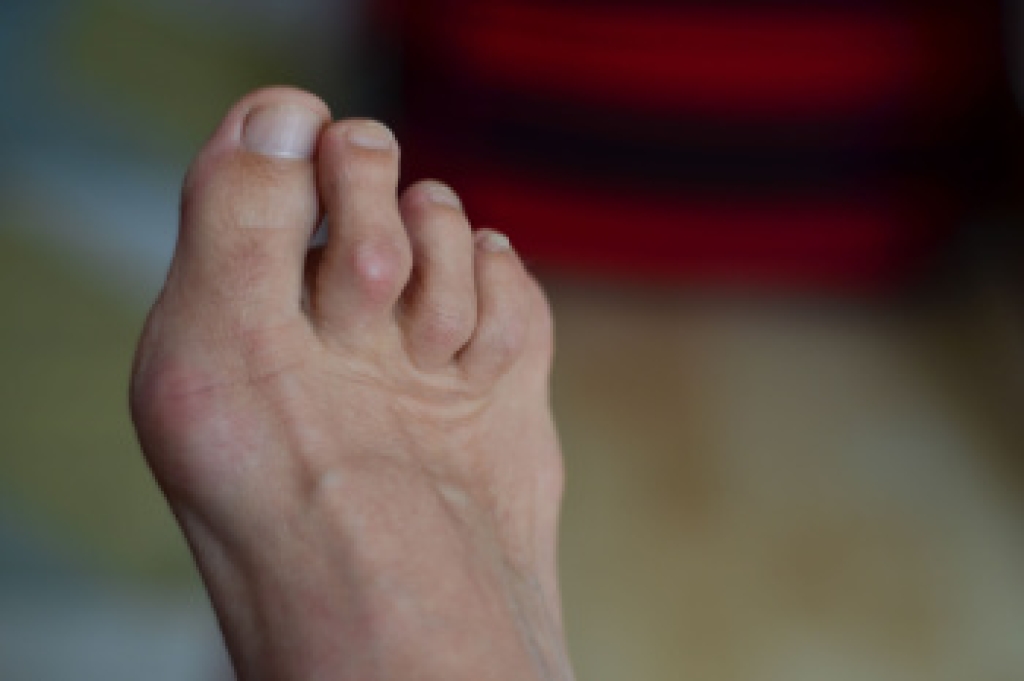
Hammertoe is a deformity that causes one of the smaller toes to bend downward at its middle joint instead of lying flat. It most often affects the second toe, although it can occur in the third or fourth toes as well. In the early stages, the toe may still be flexible, but it can gradually become stiff if the condition progresses. Common symptoms include toe pain, swelling, and redness surrounding the affected joint. Some people also develop corns or calluses where the bent toe rubs against footwear. As the deformity worsens, walking and wearing shoes may become increasingly uncomfortable. Because hammertoe can become more difficult to treat over time, an early evaluation by a podiatrist is important to determine the severity of the condition and recommend appropriate treatment.


Several factors may contribute to hammertoe, including muscle imbalance, inherited foot structure, and wearing shoes that crowd the toes. Arthritis or previous toe injuries may also increase the risk. As the toe remains bent, the surrounding tendons and joints may become tighter, making it harder to straighten the toe. This can affect the way the foot functions while walking and place additional pressure on other areas of the foot. A comprehensive podiatry examination evaluates toe alignment, joint flexibility, and overall foot mechanics. Early diagnosis allows treatment to begin before the deformity becomes rigid or causes additional foot problems.


A podiatrist specializes in diagnosing and treating hammertoe while evaluating the overall health and function of the foot. Professional care focuses on relieving pain, improving toe alignment, and helping preserve mobility. Treatment is tailored to each patient's symptoms, activity level, and the severity of the deformity. Regular follow-up visits also help monitor progression and identify changes that may require additional care. If you are experiencing toe pain, difficulty wearing shoes, or symptoms of hammertoe, it is suggested that you consult a podiatrist for an evaluation and appropriate treatment options.

Hammertoes can be a painful condition to live with. For more information, contact one of our podiatrists of Pennsylvania Foot & Ankle. Our doctors will answer any of your foot- and ankle-related questions.

Hammertoe

Hammertoe is a foot deformity that occurs due to an imbalance in the muscles, tendons, or ligaments that normally hold the toe straight. It can be caused by the type of shoes you wear, your foot structure, trauma, and certain disease processes.

Symptoms

  • Painful and/or difficult toe movement
  • Swelling
  • Joint stiffness
  • Calluses/Corns
  • Physical deformity

Risk Factors

  • Age – The risk of hammertoe increases with age
  • Sex – Women are more likely to have hammertoe compared to men
  • Toe Length – You are more likely to develop hammertoe if your second toe is longer than your big toe
  • Certain Diseases – Arthritis and diabetes may make you more likely to develop hammertoe

Treatment

If you have hammertoe, you should change into a more comfortable shoe that provides enough room for your toes. Exercises such as picking up marbles may strengthen and stretch your toe muscles. Nevertheless, it is important to seek assistance from a podiatrist in order to determine the severity of your hammertoe and see which treatment option will work best for you.

If you have any questions, please feel free to contact one of our offices located in Bensalem, Philadelphia, Northeast Philadelphia, Yardley, PA, and Hamilton, NJ . We offer the newest diagnostic and treatment technologies for all your foot care needs.

Read more about What Are Hammertoes?

Why Live with Pain and Numbness in Your Feet?

Suffering from this type of pain? You may have the foot condition known as Morton's neuroma. Morton's neuroma may develop as a result of ill-fitting footwear and existing foot deformities. We can help.

Foot Puncture Wounds and Proper Treatment

A puncture wound on the foot is an injury that occurs when a sharp object breaks through the skin and creates a small but deep opening. Common causes include stepping on nails, glass, or other sharp objects. Although these wounds may appear minor on the surface, they can extend into deeper tissues and increase the risk of infection. Prompt care is important because early treatment can influence the healing process and reduce the chance of complications.

Symptoms of a foot puncture wound may include pain, swelling, and bleeding around the injured area. Some individuals may also notice warmth, drainage, or increasing discomfort as signs of infection. Risk factors include walking barefoot, working in environments with sharp debris, having diabetes, and having reduced circulation or nerve sensation. Individuals with certain health conditions may require additional attention because healing can be slower and infections may develop more easily.


Proper care after a puncture wound involves cleaning the area, protecting the injury, and monitoring for changes. Prompt response after an injury can make a significant difference in recovery. Removing dirt and debris, keeping the wound covered, and avoiding pressure on the affected foot can support healing. Medical evaluation is important if the object penetrated deeply, if symptoms worsen, or if there is concern about infection. Ignoring a puncture wound can allow bacteria to enter deeper tissues and create serious problems.


Preventing foot puncture wounds includes wearing protective footwear, maintaining a safe environment, and checking the feet regularly after outdoor activities. Early treatment supports better outcomes and helps protect overall foot health. Paying attention to symptoms and risk factors allows individuals to seek care before complications develop. If you have a puncture wound on your foot, it is suggested that you promptly consult a podiatrist for effective treatment solutions.

Wound care is an important part in dealing with diabetes. If you have diabetes and a foot wound or would like more information about wound care for diabetics, consult with one of our podiatrists from Pennsylvania Foot & Ankle. Our doctors will assess your condition and provide you with quality foot and ankle treatment.

What Is Wound Care?

Wound care is the practice of taking proper care of a wound. This can range from the smallest to the largest of wounds. While everyone can benefit from proper wound care, it is much more important for diabetics. Diabetics often suffer from poor blood circulation which causes wounds to heal much slower than they would in a non-diabetic. 

What Is the Importance of Wound Care?

While it may not seem apparent with small ulcers on the foot, for diabetics, any size ulcer can become infected. Diabetics often also suffer from neuropathy, or nerve loss. This means they might not even feel when they have an ulcer on their foot. If the wound becomes severely infected, amputation may be necessary. Therefore, it is of the upmost importance to properly care for any and all foot wounds.

How to Care for Wounds

The best way to care for foot wounds is to prevent them. For diabetics, this means daily inspections of the feet for any signs of abnormalities or ulcers. It is also recommended to see a podiatrist several times a year for a foot inspection. If you do have an ulcer, run the wound under water to clear dirt from the wound; then apply antibiotic ointment to the wound and cover with a bandage. Bandages should be changed daily and keeping pressure off the wound is smart. It is advised to see a podiatrist, who can keep an eye on it.

If you have any questions please contact one of our offices located in Bensalem, Philadelphia, Northeast Philadelphia, Yardley, PA, and Hamilton, NJ . We offer the newest diagnostic and treatment technologies for all your foot and ankle needs.

Read more about Wound Care

Connect With Us