
Plantar Fasciitis May Be Causing Your Heel Pain

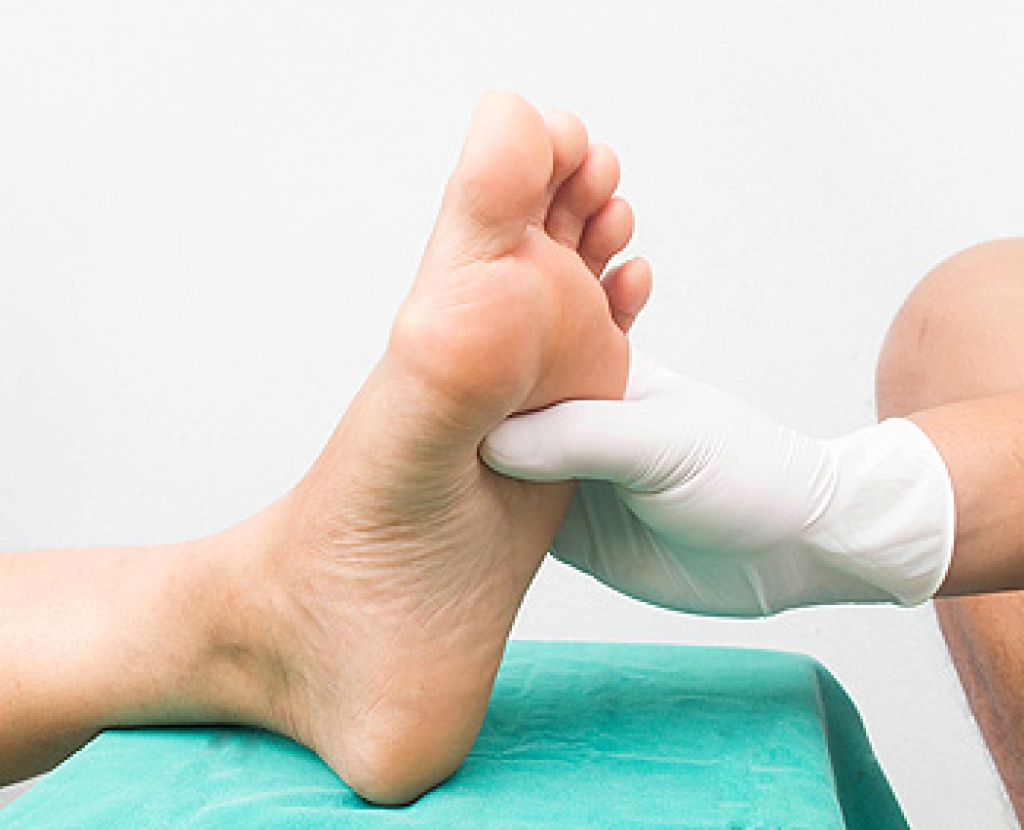
If you have heel pain and inflammation that is severe in the morning and gets better as your body warms up, you may have a condition known as plantar fasciitis. This occurs when the fibrous plantar ligament on the bottom of the foot is overly stressed or otherwise damaged. This damage may be due to injuries, obesity, regularly wearing improper footwear or high heels, intensifying physical activities too rapidly, or foot structure anomalies. If the cause of plantar fasciitis is not discovered and treated properly, the condition may worsen and become chronic. Since plantar fasciitis affects millions of people each year, it's the most common cause of heel pain. Podiatrists have extensive experience in diagnosing the condition and treating it using a wide variety of methods and therapies. There is no need to continue living with heel pain; make an appointment with a podiatrist to begin your recovery.

Plantar fasciitis is a common foot condition that is often caused by a strain injury. If you are experiencing heel pain or symptoms of plantar fasciitis, contact one of our podiatrists from Pennsylvania Foot & Ankle. Our doctors can provide the care you need to keep you pain-free and on your feet.

What Is Plantar Fasciitis?

Plantar fasciitis is one of the most common causes of heel pain. The plantar fascia is a ligament that connects your heel to the front of your foot. When this ligament becomes inflamed, plantar fasciitis is the result. If you have plantar fasciitis you will have a stabbing pain that usually occurs with your first steps in the morning. As the day progresses and you walk around more, this pain will start to disappear, but it will return after long periods of standing or sitting.

What Causes Plantar Fasciitis?

  • Excessive running
  • Having high arches in your feet
  • Other foot issues such as flat feet
  • Pregnancy (due to the sudden weight gain)
  • Being on your feet very often

There are some risk factors that may make you more likely to develop plantar fasciitis compared to others. The condition most commonly affects adults between the ages of 40 and 60. It also tends to affect people who are obese because the extra pounds result in extra stress being placed on the plantar fascia.

Prevention

  • Take good care of your feet – Wear shoes that have good arch support and heel cushioning.
  • Maintain a healthy weight
  • If you are a runner, alternate running with other sports that won’t cause heel pain

There are a variety of treatment options available for plantar fasciitis along with the pain that accompanies it. Additionally, physical therapy is a very important component in the treatment process. It is important that you meet with your podiatrist to determine which treatment option is best for you.

If you have any questions, please feel free to contact one of our offices located in Bensalem, Philadelphia, Northeast Philadelphia, Yardley, PA, and Hamilton, NJ . We offer the newest diagnostic and treatment technologies for all your foot care needs.

 

Read more about Plantar Fasciitis

It's Time for Beautiful Feet

You don't need an excuse to have beautiful nails. Step outside without worrying about the appearance of your feet.

What Is Diabetic Peripheral Neuropathy?

People with diabetes are at an increased risk of neuropathy, or nerve damage. Diabetics are frequently diagnosed with peripheral neuropathy, or nerve damage in the hands and feet. Symptoms of peripheral neuropathy in the lower limbs include tingling, pins and needles, numbness, pain, or increased sensitivity in the feet. In some cases, the feet may change shape due to nerve damage. Sores and diabetic foot ulcers, which can be difficult to detect and tend to heal slowly and poorly, are also very common. If you have diabetes, it is important to be vigilant of any foot or ankle symptoms. Seeing a podiatrist regularly can help manage existing symptoms, detect and treat any new problems, and maintain the health of your feet. 

Neuropathy

Neuropathy can be a potentially serious condition, especially if it is left undiagnosed. If you have any concerns that you may be experiencing nerve loss in your feet, consult with one of our podiatrists from Pennsylvania Foot & Ankle. Our doctors will assess your condition and provide you with quality foot and ankle treatment for neuropathy.

What Is Neuropathy?

Neuropathy is a condition that leads to damage to the nerves in the body. Peripheral neuropathy, or neuropathy that affects your peripheral nervous system, usually occurs in the feet. Neuropathy can be triggered by a number of different causes. Such causes include diabetes, infections, cancers, disorders, and toxic substances.

Symptoms of Neuropathy Include:

  • Numbness
  • Sensation loss
  • Prickling and tingling sensations
  • Throbbing, freezing, burning pains
  • Muscle weakness

Those with diabetes are at serious risk due to being unable to feel an ulcer on their feet. Diabetics usually also suffer from poor blood circulation. This can lead to the wound not healing, infections occurring, and the limb may have to be amputated.

Treatment

To treat neuropathy in the foot, podiatrists will first diagnose the cause of the neuropathy. Figuring out the underlying cause of the neuropathy will allow the podiatrist to prescribe the best treatment, whether it be caused by diabetes, toxic substance exposure, infection, etc. If the nerve has not died, then it’s possible that sensation may be able to return to the foot.

Pain medication may be issued for pain. Electrical nerve stimulation can be used to stimulate nerves. If the neuropathy is caused from pressure on the nerves, then surgery may be necessary.

If you have any questions, please feel free to contact one of our offices located in Bensalem, Philadelphia, Northeast Philadelphia, Yardley, PA, and Hamilton, NJ . We offer the newest diagnostic and treatment technologies for all your foot care needs.
Read more about Neuropathy

What Causes Heel Spurs?

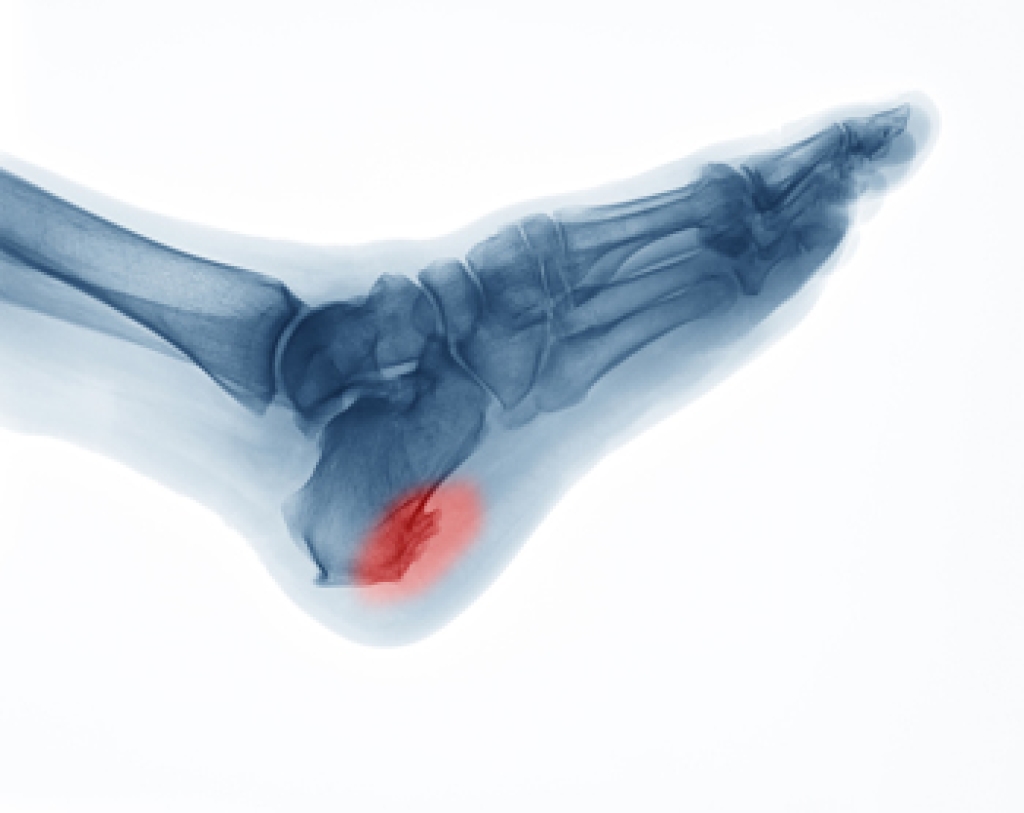
Heel spurs are pointy calcium deposits on the heel bone that develop after there is repeated inflammation at the site where ligaments or tendons attach to it. You might be asking what causes this inflammation? Strain injuries due to athletics, chronic inflammatory disorders, and arthritis that affects tendons and ligaments all can play a factor in the development of heel spurs. Heel spurs can be associated with other conditions as well. For instance, spurs on the back of the heel bone may be associated with Achilles tendonitis, and spurs on the bottom of the heel bone may be associated with plantar fasciitis. While heel spurs don’t always cause symptoms, in some cases they have been known to create tenderness and pain where the Achilles tendon attaches to the back of the heel bone, or where the plantar fascia attaches to the bottom of the heel bone. By using x-rays and other diagnostics, a podiatrist can identify the bony outgrowth and heal the underlying condition with a variety of treatments and custom orthotics.

Heel spurs can be incredibly painful and sometimes may make you unable to participate in physical activities. To get medical care for your heel spurs, contact one of our podiatrists from Pennsylvania Foot & Ankle. Our doctors will do everything possible to treat your condition.

Heels Spurs

Heel spurs are formed by calcium deposits on the back of the foot where the heel is. This can also be caused by small fragments of bone breaking off one section of the foot, attaching onto the back of the foot. Heel spurs can also be bone growth on the back of the foot and may grow in the direction of the arch of the foot.

Older individuals usually suffer from heel spurs and pain sometimes intensifies with age. One of the main condition's spurs are related to is plantar fasciitis.

Pain

The pain associated with spurs is often because of weight placed on the feet. When someone is walking, their entire weight is concentrated on the feet. Bone spurs then have the tendency to affect other bones and tissues around the foot. As the pain continues, the feet will become tender and sensitive over time.

Treatments

There are many ways to treat heel spurs. If one is suffering from heel spurs in conjunction with pain, there are several methods for healing. Medication, surgery, and herbal care are some options.

If you have any questions, please feel free to contact one of our offices located in Bensalem, Philadelphia, Northeast Philadelphia, Yardley, PA, and Hamilton, NJ . We offer the newest diagnostic and treatment technologies for all your foot care needs.

Read more about Heel Spurs

What Is Os Trigonum Syndrome?

An unfused Os trigonum is a small, extra bone that very few people experience at the back of the ankle, just behind the ankle joint. Having an unfused Os trigonum typically doesn’t cause any problems, however, when an ankle injury occurs, Os trigonum syndrome can develop. This condition is often caused by repetitive overuse and trauma and is particularly common among ballet dancers, runners, and football players who have an unfused Os trigonum. Symptoms of this condition can include pain at the back of the ankle, swelling, tenderness, and a small, hard lump near the Achilles tendon. Conservative treatments are frequently effective in treating os trigonum syndrome and may include resting, icing, and immobilizing the foot, taking anti-inflammatory medications, and doing strengthening and stretching exercises. To learn more about this condition, please consult with a podiatrist. 

Ankle pain can be caused by a number of problems and may be potentially serious. If you have ankle pain, consult with one of our podiatrists from Pennsylvania Foot & Ankle. Our doctors will assess your condition and provide you with quality foot and ankle treatment.

Ankle pain is any condition that causes pain in the ankle. Due to the fact that the ankle consists of tendons, muscles, bones, and ligaments, ankle pain can come from a number of different conditions.

Causes

The most common causes of ankle pain include:

  • Types of arthritis (rheumatoid, osteoarthritis, and gout)
  • Ankle sprains
  • Broken ankles
  • Achilles tendonitis
  • Achilles tendon rupture
  • Stress fractures
  • Bursitis
  • Tarsal tunnel syndrome
  • Plantar fasciitis

Symptoms

Symptoms of ankle injury vary based upon the condition. Pain may include general pain and discomfort, swelling, aching, redness, bruising, burning or stabbing sensations, and/or loss of sensation.

Diagnosis

Due to the wide variety of potential causes of ankle pain, podiatrists will utilize a number of different methods to properly diagnose ankle pain. This can include asking for personal and family medical histories and of any recent injuries. Further diagnosis may include sensation tests, a physical examination, and potentially x-rays or other imaging tests.

Treatment

Just as the range of causes varies widely, so do treatments. Some more common treatments are rest, ice packs, keeping pressure off the foot, orthotics and braces, medication for inflammation and pain, and surgery.

If you have any questions please feel free to contact one of our offices located in Bensalem, Philadelphia, Northeast Philadelphia, Yardley, PA, and Hamilton, NJ . We offer the newest diagnostic tools and technology to treat your foot and ankle needs.

Read more about Ankle Pain

Connect With Us