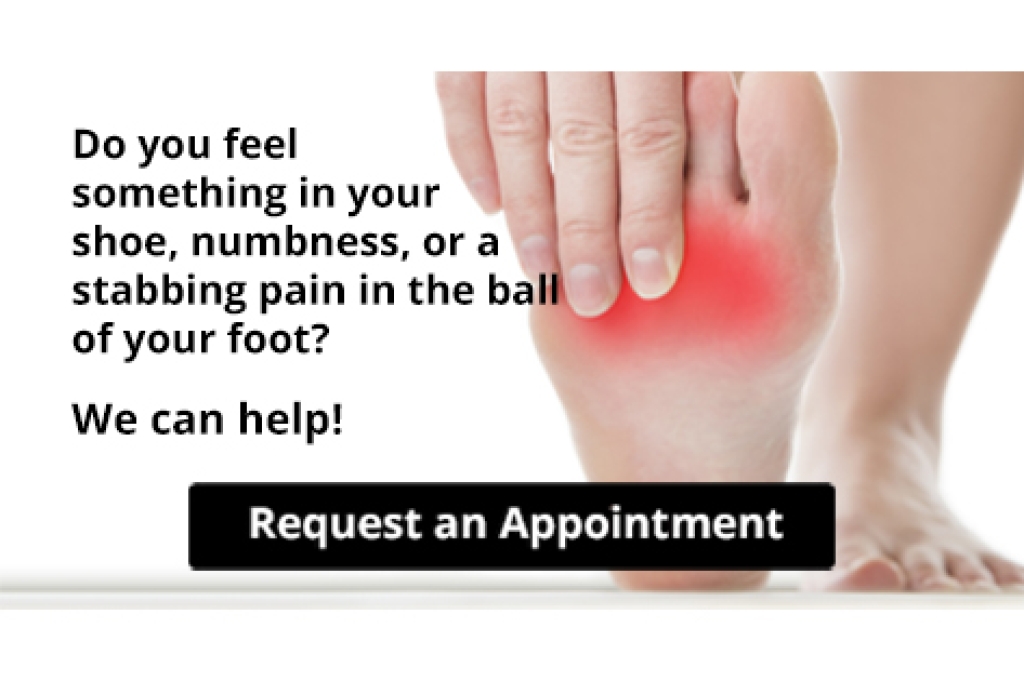
Suffering from this type of pain? You may have the foot condition known as Morton's neuroma. Morton's neuroma may develop as a result of ill-fitting footwear and existing foot deformities. We can help.
Suffering from this type of pain? You may have the foot condition known as Morton's neuroma. Morton's neuroma may develop as a result of ill-fitting footwear and existing foot deformities. We can help.
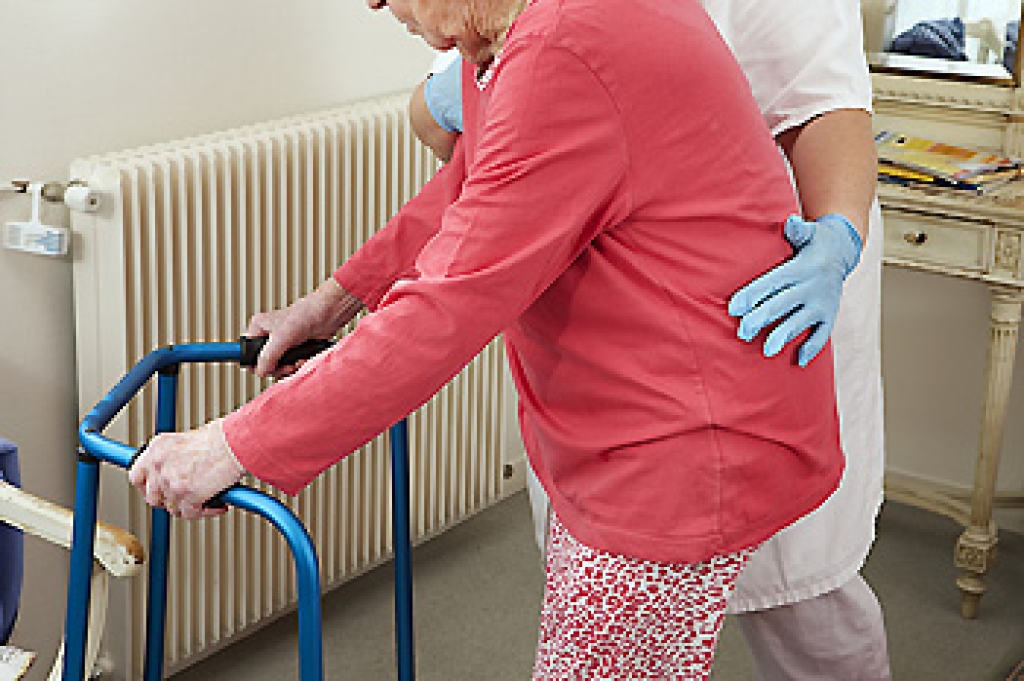 Research has indicated that frequent stretching and exercise may prevent falling episodes. This may be a result of the body becoming stronger as specific routines are performed, and falling may happen less often. Flexibility can be increased, and coordination and balance may also improve. Many injuries that can affect the feet can occur from falling, and this may cause difficulty in accomplishing daily activities. It is important to ensure the living environment is free of clutter, and it may help to install grab bars in the shower and toilet area. For added safety, many people choose to have a bath mat in the shower or tub area, as this can provide security. It is beneficial to have regular physical and eye examinations, as this may help to manage and update existing medication. If you would like additional information about how falling can impact the feet, please consult with a podiatrist.
Preventing falls among the elderly is very important. If you are older and have fallen or fear that you are prone to falling, consult with one of our podiatrists from Pennsylvania Foot & Ankle. Our doctors will assess your condition and provide you with quality advice and care.
Every 11 seconds, an elderly American is being treated in an emergency room for a fall related injury. Falls are the leading cause of head and hip injuries for those 65 and older. Due to decreases in strength, balance, senses, and lack of awareness, elderly persons are very susceptible to falling. Thankfully, there are a number of things older persons can do to prevent falls.
How to Prevent Falls
Some effective methods that older persons can do to prevent falls include:
Falling can be a traumatic and embarrassing experience for elderly persons; this can make them less willing to leave the house, and less willing to talk to someone about their fears of falling. Doing such things, however, will increase the likelihood of tripping or losing one’s balance. Knowing the causes of falling and how to prevent them is the best way to mitigate the risk of serious injury.
If you have any questions, please feel free to contact one of our offices located in Bensalem, Philadelphia, Northeast Philadelphia, Yardley, PA, and Hamilton, NJ . We offer the newest diagnostic and treatment technologies for all your foot care needs.
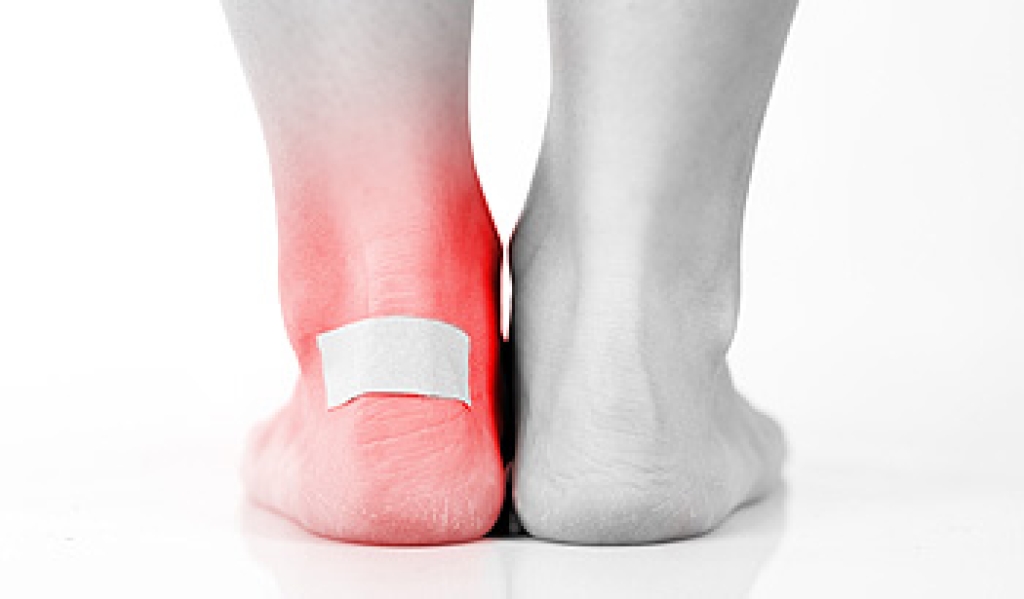 A blister is an accumulation of fluid on the top layer of the skin. It generally occurs as a result of excessive friction, and it is the body’s natural response to heal damaged skin. Soccer players may experience long training sessions, or they may wear soccer cleats that do not fit properly and both may lead to unwanted blisters. A blister will typically be preceded by a warm reddened area, and will rapidly fill with a protective fluid. This will gradually drain as the new skin develops underneath it. It may help to apply a protective bandage over it, which can be beneficial in preventing early puncturing. Blisters may be avoided when the skin on the feet is clean, and the soccer cleats that are worn fit properly. A podiatrist can effectively treat blisters on the feet, and it is suggested that you confer with this type of doctor who can help you to manage this condition.
Blisters may appear as a single bubble or in a cluster. They can cause a lot of pain and may be filled with pus, blood, or watery serum. If your feet are hurting, contact one of our podiatrists of Pennsylvania Foot & Ankle. Our doctors can provide the care you need to keep you pain-free and on your feet.
Foot Blisters
Foot blisters are often the result of friction. This happens due to the constant rubbing from shoes, which can lead to pain.
What Are Foot Blisters?
A foot blister is a small fluid-filled pocket that forms on the upper-most layer of the skin. Blisters are filled with clear fluid and can lead to blood drainage or pus if the area becomes infected.
Symptoms
(Blister symptoms may vary depending on what is causing them)
Prevention & Treatment
In order to prevent blisters, you should be sure to wear comfortable shoes with socks that cushion your feet and absorb sweat. Breaking a blister open may increase your chances of developing an infection. However, if your blister breaks, you should wash the area with soap and water immediately and then apply a bandage to the affected area. If your blisters cause severe pain it is important that you call your podiatrist right away.
If you have any questions, please feel free to contact one of our offices located in Bensalem, Philadelphia, Northeast Philadelphia, Yardley, PA, and Hamilton, NJ . We offer the newest diagnostic and treatment technologies for all your foot care needs.
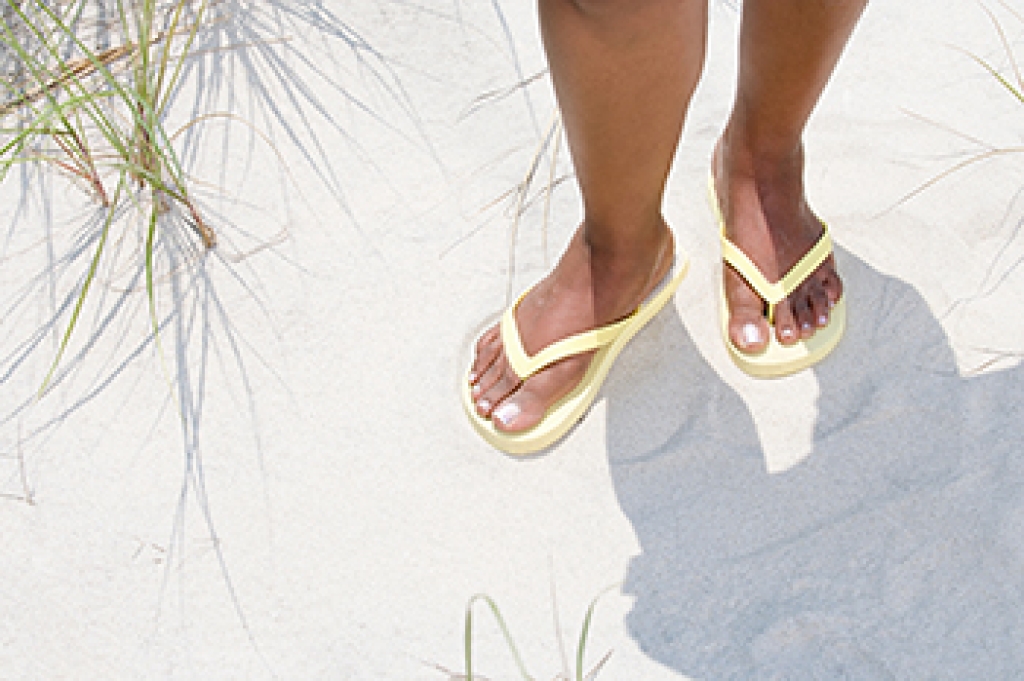 Flip flops are a popular shoe style, and many people enjoy wearing them in the warm summer months. They are constructed with flat, foam soles, and have a plastic or rubber strap that lies between the big toe and second toe. Despite the simplicity of wearing them, they could possibly cause damage to your feet. Bunions can form as a result of pulled and overstretched ligaments, and may cause severe pain and discomfort. Additionally, the majority of flip flops have little or no arch support, and this may cause conditions such as plantar fasciitis and heel spurs to arise. The possible damage that can happen to your feet from frequently wearing flip flops may outweigh the temporary ease that comes from wearing these types of shoes. If you would like more information about how flip flops can affect your feet, please consult with a podiatrist.
Flip-flops can cause a lot of problems for your feet. If you have any concerns about your feet or ankles, contact one of our podiatrists from Pennsylvania Foot & Ankle. Our doctors will assist you with all of your foot and ankle needs.
Flip-Flops and Feet
Flip-flops have managed to become a summer essential for a lot of people. While the shoes may be stylish and easy to slip on and off, they can be dangerous to those who wear them too often. These shoes might protect you from fungal infections such as athlete’s foot, but they can also give you foot pain and sprained ankles if you trip while wearing them.
When Are They Okay to Wear?
Flip-flops should only be worn for very short periods of time. They can help protect your feet in places that are crawling with fungi, such as gym locker rooms. Athlete’s foot and plantar warts are two common fungi that flip-flops may help protect your feet against.
Why Are They Bad for My Feet?
These shoes do not offer any arch support, so they are not ideal for everyday use. They also do not provide shock absorption or heel cushioning which can be problematic for your feet. Additionally, you may suffer from glass cuts, puncture wounds, and stubbed toes since they offer little protection for your feet.
More Reasons Why They Are Bad for Your Feet
If you have any questions, please feel free to contact one of our offices located in Bensalem, Philadelphia, Northeast Philadelphia, Yardley, PA, and Hamilton, NJ . We offer the newest diagnostic and treatment technologies for all your foot care needs.

Plantar warts are small growths that develop on parts of the feet that bear weight. They're typically found on the bottom of the foot. Don't live with plantar warts, and call us today!
Connect With Us
