How Aging Can Seriously Affect the Feet

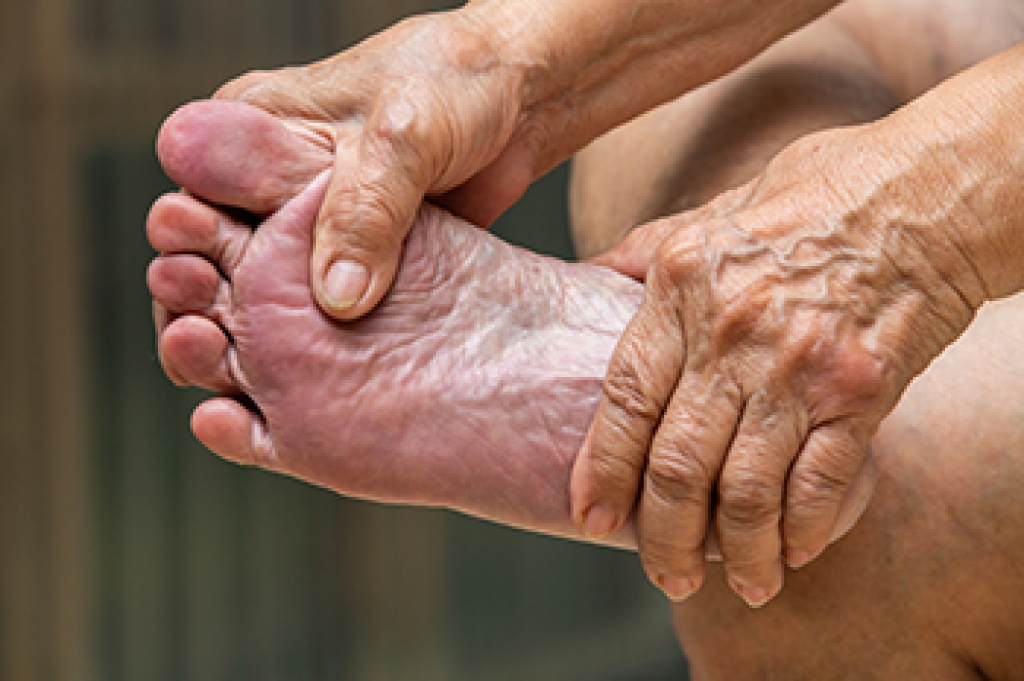
By the time you reach the age of 50, experts say that you will have walked around 75,000 miles. As a result, the general wear and tear on the feet becomes more apparent. Fat pads, skin, and bones get thinner. Feet that have been pushed into tight shoes for years become deformed. Tendons and ligaments lose strength and fail to rebound as quickly. Arches are apt to fall, causing flat feet that can result in longer feet and toes. But many older people continue to wear or buy the same shoe size. Osteoarthritis often sets in, causing inflammation in any number of the foot’s 33 joints. Older people with chronic conditions, such as diabetes, may develop neuropathy and peripheral artery disease, both of which can cause other serious foot problems. All that said, there are ways to lessen the effects of aging on your feet. Consider custom orthotics to counteract the natural decline in foot efficiency. Be on the lookout for sores that do not heal properly. Stretch or do mild exercises to promote circulatory health. Wear shoes that fit properly and offer ample support and cushioning. Pay attention to unusual or new foot pain. Finally, it is wise to consult a podiatrist for regular exams. 

If you need your feet checked, contact one of our podiatrists of Pennsylvania Foot & Ankle. Our doctors will attend to all of your foot and ankle needs and provide you with quality treatment.

Geriatrics and Podiatry
When people age, some common issues that may occur are bone density loss, dry skin, poor circulation, and rough brittle nails. These issues may also affect your foot health if the necessary steps are not taken to alleviate the problems.

It is important to take care of your feet because feet that are injured or diseased can affect your overall health. Having painful feet hinders your ability to do daily activities or may decrease your willingness to do the things that you need to do.

Visiting Your Geriatrician
As we age, health problems become more likely, so it is essential to visit your doctor for check-ups to ensure that you are doing the best you can to take care of your health. It is recommended to check your feet frequently for any possible cuts, bruises, swelling, corns or any other irregularities. 

Taking Care of Elderly Feet
Cracked or dry feet can be treated by applying moisturizer often. It is also important not to wear old socks because the older the sock is, the higher the possibility there will be that there is bacteria there. Wear fresh socks and make sure they fit properly.

Proper foot health means that you can have a more active lifestyle and you will not be bogged down by pain. Foot health also leads to good circulation, which is paramount for overall health.

If you have any questions, please feel free to contact one of our offices located in Bensalem, Philadelphia, Northeast Philadelphia, Yardley, PA, and Hamilton, NJ . We offer the newest diagnostic and treatment technologies for all your foot care needs.

Read more about Geriatrics and Podiatry

What Is Cuboid Syndrome?

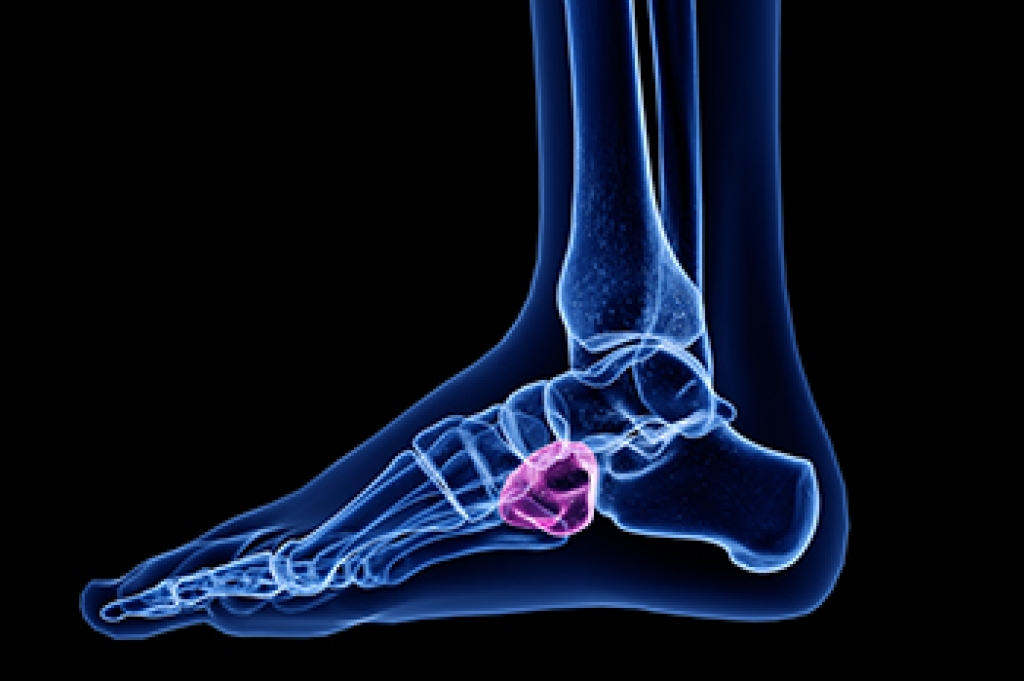
Cuboid syndrome is a condition that involves a disruption of the normal alignment of the cuboid bone with the heel bone, and it causes pain on the outside of the foot. The pain might feel like it originates from the outside of the ankle, and the person afflicted with it may limp or sway when walking to avoid placing weight on the affected area. Mild swelling or bruising might be seen on the outside and bottom of the mid-foot. This problem develop from a single event, such as an ankle sprain, or through repetitive impact to the area, like runners or dancers (particularly ballet dancers) might experience. A small “popping” might be felt on the outside of the mid-foot as well. Treatment of cuboid syndrome usually involves making sure shoes are well-fitting and comfortable, using soft orthotics, and doing stretching exercises to help mobilize the joint. In some instances, realignment of the cuboid bone is needed. If you feel pain in your mid-foot area and it is worsening, you might have a more severe case of cuboid syndrome. You can see a podiatrist who can properly diagnose the problem and provide appropriate treatment.

Cuboid syndrome, also known as cuboid subluxation, occurs when the joints and ligaments near the cuboid bone in the foot become torn. If you have cuboid syndrome, consult with one of our podiatrists from Pennsylvania Foot & Ankle. Our doctors will assess your condition and provide you with quality foot and ankle treatment.

Cuboid syndrome is a common cause of lateral foot pain, which is pain on the outside of the foot. The condition may happen suddenly due to an ankle sprain, or it may develop slowly overtime from repetitive tension through the bone and surrounding structures.

Causes

The most common causes of cuboid syndrome include:

  • Injury – The most common cause of this ailment is an ankle sprain.
  • Repetitive Strain – Tension placed through the peroneus longus muscle from repetitive activities such as jumping and running may cause excessive traction on the bone causing it to sublux.
  • Altered Foot Biomechanics – Most people suffering from cuboid subluxation have flat feet.

Symptoms

A common symptom of cuboid syndrome is pain along the outside of the foot which can be felt in the ankle and toes. This pain may create walking difficulties and may cause those with the condition to walk with a limp.

Diagnosis

Diagnosis of cuboid syndrome is often difficult, and it is often misdiagnosed. X-rays, MRIs and CT scans often fail to properly show the cuboid subluxation. Although there isn’t a specific test used to diagnose cuboid syndrome, your podiatrist will usually check if pain is felt while pressing firmly on the cuboid bone of your foot.

Treatment

Just as the range of causes varies widely, so do treatments. Some more common treatments are ice therapy, rest, exercise, taping, and orthotics.

If you have any questions, please feel free to contact one of our offices located in Bensalem, Philadelphia, Northeast Philadelphia, Yardley, PA, and Hamilton, NJ . We offer the newest diagnostic and treatment technologies for all your foot care needs.
Read more about Cuboid Syndrome

Are You Suffering From Ingrown Toenails?

If left untreated, an ingrown toenail can lead to more serious concerns, such as an infection. Knowing proper nail care can help in the prevention of an ingrown toenail. Give us a call, and get treated!

How to Avoid Potential Foot Conditions in Elderly People

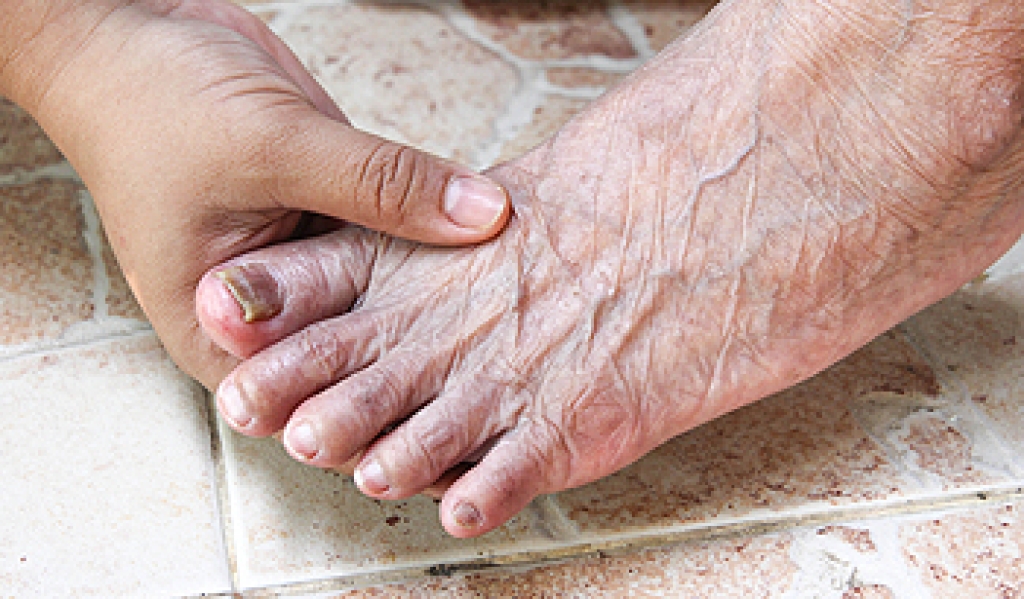
It is normal for the feet to flatten and become wider as the aging process occurs. As the fatty padding gradually wears down, the joints and bones of the feet are more susceptible to basic wear and tear. Range of motion and balance may be negatively affected, and injuries can happen more frequently. Foot care for the elderly can start with washing and drying the feet thoroughly every day, and this may be helpful in preventing bacterial, fungal , and viral infections. This is generally followed by applying a good moisturizer on the feet, which may help to prevent cracked heels from developing. Many people wear cotton socks after this, and this can help to lock in the moisture. When the toenails are properly trimmed, conditions that can include ingrown toenails may be avoided. Many elderly people are confined to a bed or chair for the majority of the day, and bedsores on the heels may develop as a result of this. This can be remedied by raising the heels in the air, which is known as “floating the heels’.  There are additional ways that can help elderly patients take proper care of their feet, and it is suggested that you speak with a podiatrist to learn about these methods.

Proper foot care is something many older adults forget to consider. If you have any concerns about your feet and ankles, contact one of our podiatrists from Pennsylvania Foot & Ankle. Our doctors can provide the care you need to keep you pain-free and on your feet.

The Elderly and Their Feet

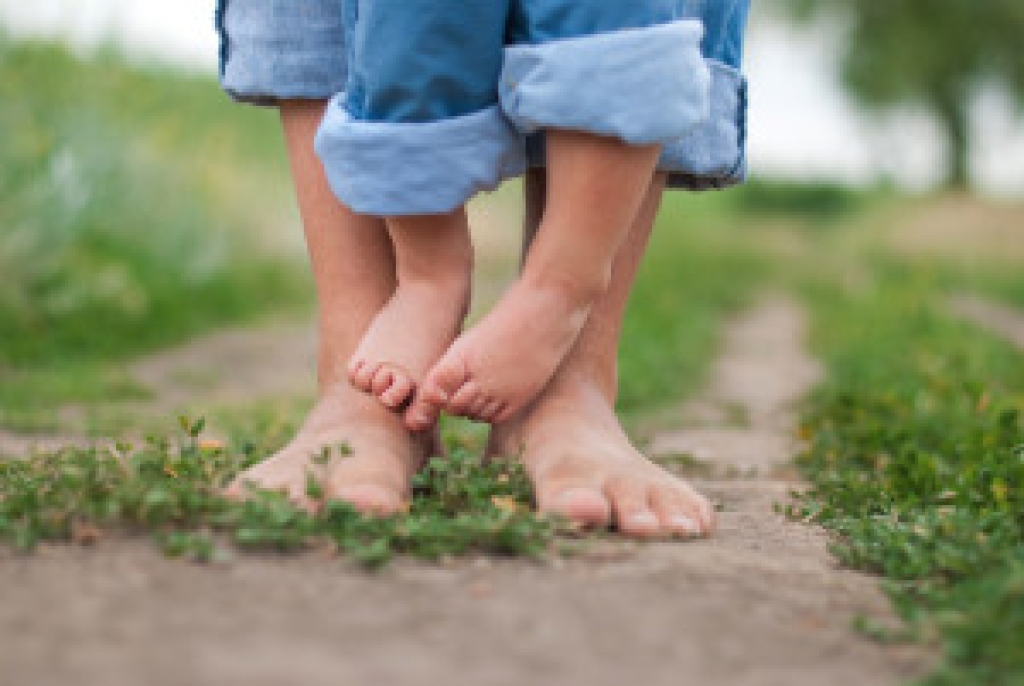
As we age we start to notice many changes in our body, but the elder population may not notice them right away. Medical conditions may prevent the elderly to take notice of their foot health right away. Poor vision is a lead contributor to not taking action for the elderly.

Common Conditions 

  • Neuropathy – can reduce feeling in the feet and can hide many life-threatening medical conditions.
  • Reduced flexibility – prevents the ability of proper toenail trimming, and foot cleaning. If left untreated, it may lead to further medical issues.
  • Foot sores – amongst the older population can be serious before they are discovered. Some of the problematic conditions they may face are:
  • Gouging toenails affecting nearby toe
  • Shoes that don’t fit properly
  • Pressure sores
  • Loss of circulation in legs & feet
  • Edema & swelling of feet and ankles

Susceptible Infections

Diabetes and poor circulation can cause general loss of sensitivity over the years, turning a simple cut into a serious issue.

If you have any questions, please feel free to contact one of our offices located in Bensalem, Philadelphia, Northeast Philadelphia, Yardley, PA, and Hamilton, NJ . We offer the newest diagnostic and treatment technologies for all your foot care needs.
Read more about Taking Care of Elderly Feet

Foot Problems in Babies

Among things that can go wrong at birth, newborn foot problems are common. Clubfoot describes an array of deformities that cause a newborn baby’s feet to be twisted, pointing down, and inward. About half of babies born with clubfeet have it in both of their feet. Boys are more likely to be born with this than girls. Clubfoot is not painful, but it can cause long-term problems and affect the child’s ability to walk. Another condition affecting newborns is metatarsus adductus. This is detected when a baby’s toes and forefoot are pointed inward, and it is difficult to straighten them. The baby’s sole resembles a bean. Polydactyly means that a baby has an extra toe or toes. This affliction can run in a family but is not necessarily genetic. Congenital vertical talus is an unusual cause of a type of flatfoot in newborns. With this, the sole of the baby’s foot looks like the bottom of a rocking chair. Congenital curly toes occur when a baby’s toes are abnormally rotated and in a bent position. Overlapping toes happen when the baby’s fifth digit (baby toe) crosses over the top of the fourth toe. With proper treatment, these conditions can be corrected or dealt with, sometimes with surgery, in early childhood. If you have a baby born with a congenital foot problem, please consult with a podiatrist for proper diagnoses and treatments.

Congenital foot problems require immediate attention to avoid future complications. If you have any concerns, contact one of our podiatrists of Pennsylvania Foot & Ankle. Our doctors can provide the care you need to keep you pain-free and on your feet.

Congenital foot problems are deformities affecting the feet, toes, and/or ankles that children are born with. Some of these conditions have a genetic cause while others just happen. Some specific foot ailments that children may be born with include clubfeet, polydactyly/macrodactyly, and cleft foot. There are several other foot anomalies that can occur congenitally. What all of these conditions have in common is that a child may experience difficulty walking or performing everyday activities, as well as trouble finding footwear that fits their foot deformity. Some of these conditions are more serious than others. Consulting with a podiatrist as early as possible will help in properly diagnosing a child’s foot condition while getting the necessary treatment underway.

What are Causes of Congenital Foot Problem?

A congenital foot problem is one that happens to a child at birth. These conditions can be caused by a genetic predisposition, developmental or positional abnormalities during gestation, or with no known cause.

What are Symptoms of Congenital Foot Problems?

Symptoms vary by the congenital condition. Symptoms may consist of the following:

  • Clubfoot, where tendons are shortened, bones are shaped differently, and the Achilles tendon is tight, causing the foot to point in and down. It is also possible for the soles of the feet to face each other.
  • Polydactyly, which usually consists of a nubbin or small lump of tissue without a bone, a toe that is partially formed but has no joints, or an extra toe.
  • Vertical talus, where the talus bone forms in the wrong position causing other bones in the foot to line up improperly, the front of the foot to point up, and the bottom of the foot to stiffen, with no arch, and to curve out.
  • Tarsal coalition, when there is an abnormal connection of two or more bones in the foot leading to severe, rigid flatfoot.
  • Cleft foot, where there are missing toes, a V-shaped cleft, and other anatomical differences.
  • Macrodactyly, when the toes are abnormally large due to overgrowth of the underlying bone or soft tissue.

Treatment and Prevention

While there is nothing one can do to prevent congenital foot problems, raising awareness and receiving neonatal screenings are important. Early detection by taking your child to a podiatrist leads to the best outcome possible.

If you have any questions, please feel free to contact one of our offices located in Bensalem, Philadelphia, Northeast Philadelphia, Yardley, PA, and Hamilton, NJ . We offer the newest diagnostic and treatment technologies for all your foot care needs.
Read more about Congenital Foot Problems

Foods to Eat and Morton’s Neuroma

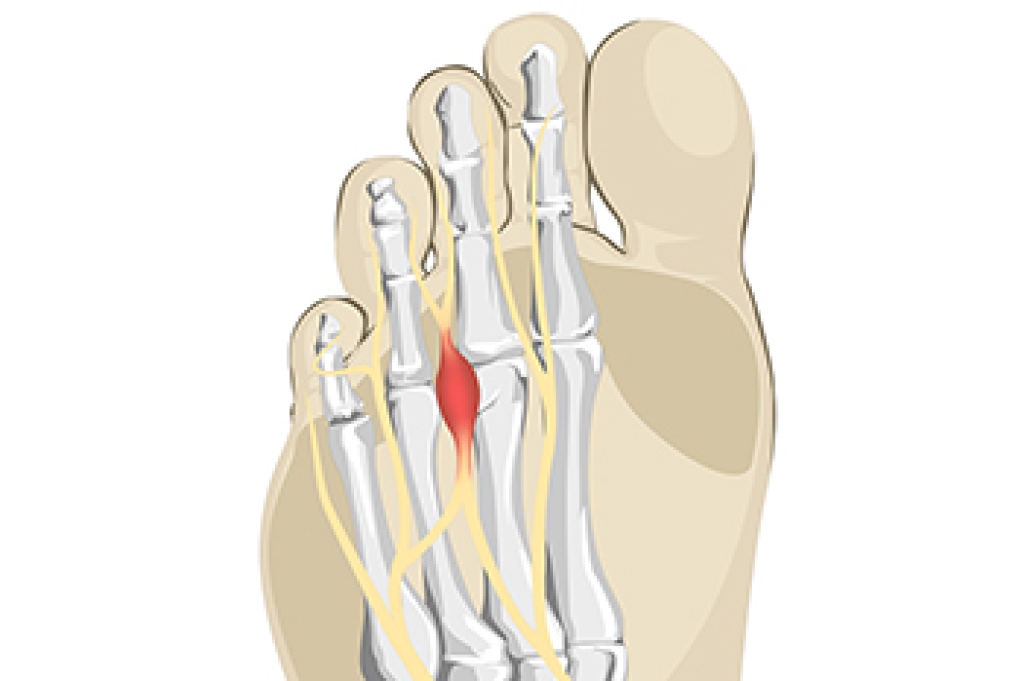
A neuroma is defined as a tumor or growth. The most common one is known as Morton’s neuroma and it affects the nerves between the third and fourth toes. Research has indicated that it may be beneficial to consume a diet that is healthy for the nerves. This can include eating plenty of fresh fruits and vegetables, whole grains, and lean protein. Additionally, eating foods that are rich in Omega-3 fatty acids may positively affect the nerves. It is helpful to avoid foods and drinks that are made with large amounts of sugar and reducing the amount of alcohol may strengthen the nerves. Relief may be found when wearing comfortable shoes and it is important to refrain from wearing high heels. Some patients choose to wear orthotics and this may lessen the pressure felt from the neuroma. If the neuroma grows in size, surgery may be necessary for permanent removal and lasting comfort. If you have Morton’s neuroma, it is suggested to schedule an appointment with a podiatrist who can diagnose and treat this ailment.

Morton’s neuroma is a very uncomfortable condition to live with. If you think you have Morton’s neuroma, contact one of our podiatrists of Pennsylvania Foot & Ankle. Our doctors will attend to all of your foot care needs and answer any of your related questions.  

Morton’s Neuroma

Morton's neuroma is a painful foot condition that commonly affects the areas between the second and third or third and fourth toe, although other areas of the foot are also susceptible. Morton’s neuroma is caused by an inflamed nerve in the foot that is being squeezed and aggravated by surrounding bones.

What Increases the Chances of Having Morton’s Neuroma?

  • Ill-fitting high heels or shoes that add pressure to the toe or foot
  • Jogging, running or any sport that involves constant impact to the foot
  • Flat feet, bunions, and any other foot deformities

Morton’s neuroma is a very treatable condition. Orthotics and shoe inserts can often be used to alleviate the pain on the forefront of the feet. In more severe cases, corticosteroids can also be prescribed. In order to figure out the best treatment for your neuroma, it’s recommended to seek the care of a podiatrist who can diagnose your condition and provide different treatment options.

If you have any questions, please feel free to contact one of our offices located in Bensalem, Philadelphia, Northeast Philadelphia, Yardley, PA, and Hamilton, NJ . We offer the newest diagnostic and treatment technologies for all your foot care needs.

Read more about Morton's Neuroma

Do Your Child's Feet Hurt?

Have your child's feet been examined lately? Healthy feet are happy feet. If your child is complaining of foot pain, it may be a sign of underlying problems.

Three Grades of Ankle Sprains

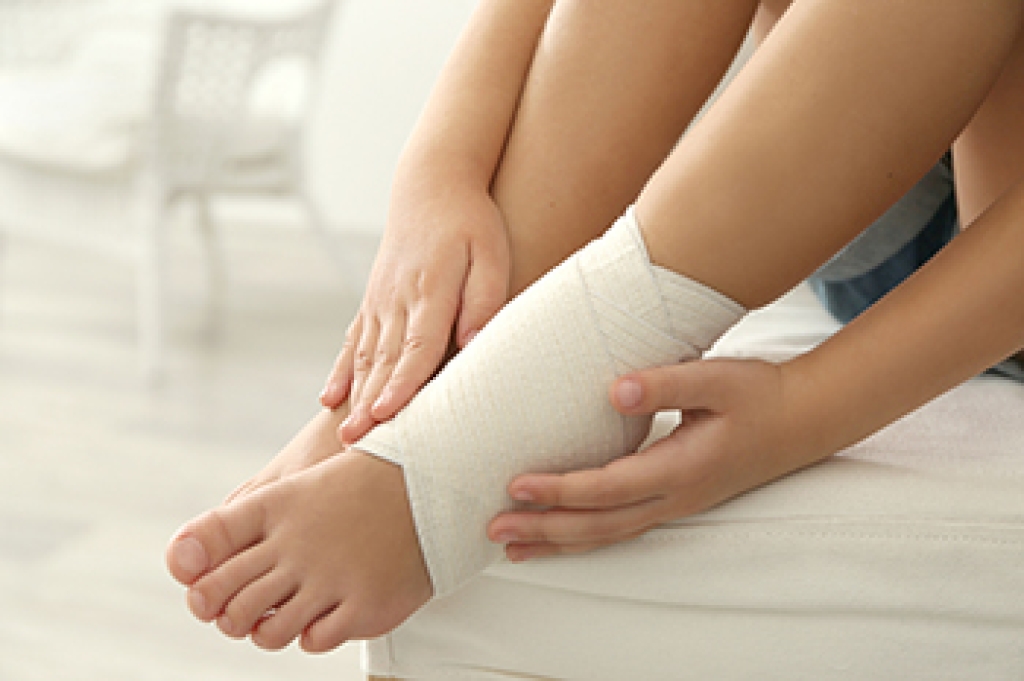
A common form of ankle pain is a sprain. It can be painful and is often difficult to walk. Ankle sprains can happen as a result of twisting the ankle unexpectedly while stepping off a curb, and from changing direction when running on uneven surfaces. Many times the ligament on the outside of the ankle becomes damaged from the twist and this is known as the lateral ligament. The best way to diagnose an ankle sprain is via X-ray. This imaging is an effective method of ruling out a broken ankle. The symptoms that many patients experience include bruising, swelling, and the inability to walk. There are three grades of ankle sprains that people can endure. Grade one is the least painful, and consists of a few tissue fibers that are torn. Considerable pain often accompanies grade two and involves more fibrous tissues torn. Patients are often unable to walk with a grade three sprain, and this is classified as a complete tear of the ligament. Mild relief may come from elevating the affected ankle frequently during the day as this may reduce existing swelling. An ankle sprain can be treated by a podiatrist, and it is important to schedule an appointment as quickly as possible so the correct treatment can begin.

Ankle sprains are common but need immediate attention. If you need your feet checked, contact one of our podiatrists from Pennsylvania Foot & Ankle. Our doctors can provide the care you need to keep you pain-free and on your feet.

How Does an Ankle Sprain Occur?

Ankle sprains take place when the ligaments in your ankle are torn or stretched beyond their limits. There are multiple ways that the ankle can become injured, including twisting or rolling over onto your ankle, putting undue stress on it, or causing trauma to the ankle itself.

What Are the Symptoms?

  • Mild to moderate bruising
  • Limited mobility
  • Swelling
  • Discoloration of the skin (depending on severity)

Preventing a Sprain

  • Wearing appropriate shoes for the occasion
  • Stretching before exercises and sports
  • Knowing your limits

Treatment of a Sprain

Treatment of a sprain depends on the severity.  Many times, people are told to rest and remain off their feet completely, while others are given an air cast. If the sprain is very severe, surgery may be required.

If you have suffered an ankle sprain previously, you may want to consider additional support such as a brace and regular exercises to strengthen the ankle.

If you have any questions please feel free to contact one of our offices located in Bensalem, Philadelphia, Northeast Philadelphia, Yardley, PA, and Hamilton, NJ . We offer the newest diagnostic tools and technology to treat your foot and ankle needs.

Read more about Ankle Sprains

Toenail Problems and Treatments

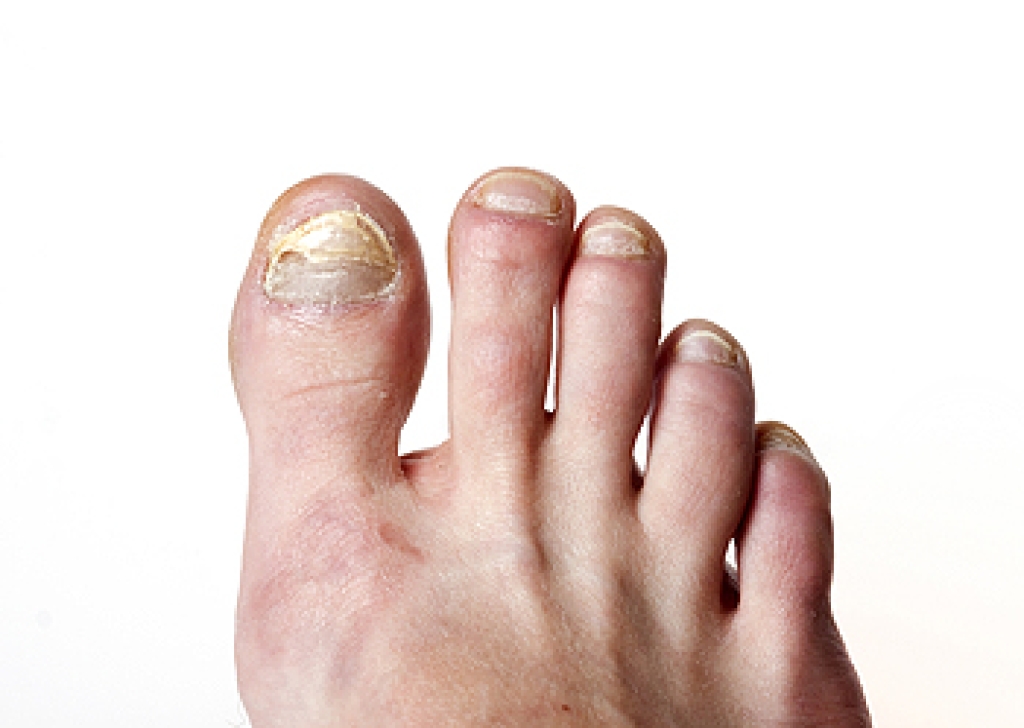
Toenails protect toes. They are made up of keratin which makes toenails tough and resilient to the daily wear and tears they take. Friction from shoes, physical activity, heat and moisture, and some medical conditions can all affect the toenails. Pain, itching, and discoloration can all be signs of toenail problems. Some of the more common toenail ailments are described here. Toenail fungus is an infection that has gotten into the nail causing it to become jagged or crumble, and can spread to other toenails and surrounding skin. An ingrown toenail occurs when the corner or side of a toenail grows into the skin. This can cause redness and pain and may turn into an infection. Toenail trauma can occur as stubbing a toe, dropping something heavy on the foot, or wearing ill-fitting shoes. These can lead to bruising, separation of the nail from the toe, or injury to the underlying bone. Treatment of toenail issues depends on the cause. If you are experiencing such problems, it is suggested you seek the counsel of a podiatrist for proper diagnosis and treatment.

If left untreated, toenail fungus may spread to other toenails, skin, or even fingernails. If you suspect you have toenail fungus it is important to seek treatment right away. For more information about treatment, contact one of our podiatrists of Pennsylvania Foot & Ankle. Our doctors can provide the care you need to keep you pain-free and on your feet.

Symptoms

  • Warped or oddly shaped nails
  • Yellowish nails
  • Loose/separated nail
  • Buildup of bits and pieces of nail fragments under the nail
  • Brittle, broken, thickened nail

Treatment

If self-care strategies and over-the-counter medications does not help your fungus, your podiatrist may give you a prescription drug instead. Even if you find relief from your toenail fungus symptoms, you may experience a repeat infection in the future.

Prevention

In order to prevent getting toenail fungus in the future, you should always make sure to wash your feet with soap and water. After washing, it is important to dry your feet thoroughly especially in between the toes. When trimming your toenails, be sure to trim straight across instead of in a rounded shape. It is crucial not to cover up discolored nails with nail polish because that will prevent your nail from being able to “breathe”.

In some cases, surgical procedure may be needed to remove the toenail fungus. Consult with your podiatrist about the best treatment options for your case of toenail fungus.  

If you have any questions please contact one of our offices located in Bensalem, Philadelphia, Northeast Philadelphia, Yardley, PA, and Hamilton, NJ . We offer the newest diagnostic and treatment technologies for all your foot and ankle needs.

Read more about Treating Toenail Fungus

Foot Pain in Kids

Beyond how active kids are, there are many reasons why children might complain of sore feet.  A child may injure the foot resulting in a sprain or fracture. They may have athlete’s foot and find the skin in between their toes or the soles of their feet to be itchy, dry, and scaly. Kids experiencing growth spurts or who play sports involving running and jumping may complain of sore heels and this could be indicative of a condition called Sever’s disease. Children who are flat-footed may have foot pain that extends up to their ankles and calf muscles. Tight or ill-fitting shoes can cause blisters or corns. Kids can even develop bunions due to genetics or if the arch of their foot is overcompensated. Sometimes, if the toenails are clipped improperly, a toenail can dig into the surrounding skin and cause pain. Because children’s feet are so important to their overall functioning and each condition mentioned causes foot pain, it is suggested that a podiatrist be included as part of your child’s routine health care. A podiatrist can diagnose problems that arise and help direct the proper foot care of your child.

The health of a child’s feet is vital to their overall well-being. If you have any questions regarding foot health, contact one of our podiatrists of Pennsylvania Foot & Ankle. Our doctors can provide the care you need to keep you pain-free and on your feet.

Tips for Keeping Children's Feet Healthy

  • Make sure their shoes fit properly
  • Look for any signs of in-toeing or out-toeing
  • Check to see if they have Clubfoot (condition that affects your child’s foot and ankle, twisting the heel and toes inward) which is one of the most common nonmajor birth defects.
  • Lightly cover your baby’s feet (Tight covers may keep your baby from moving their feet freely, and could prevent normal development)
  • Allow your toddler to go shoeless (Shoes can be restricting for a young child’s foot)
  • Cut toenails straight across to avoid ingrown toenails
  • Keep your child’s foot clean and dry
  • Cover cuts and scrapes. Wash any scratches with soap and water and cover them with a bandage until they’ve healed.

If you have any questions, please feel free to contact one of our offices located in Bensalem, Philadelphia, Northeast Philadelphia, Yardley, PA, and Hamilton, NJ . We offer the newest diagnostic and treatment technologies for all your foot care needs.
Read more about What to Do to Keep Your Child’s Feet Healthy

Connect With Us