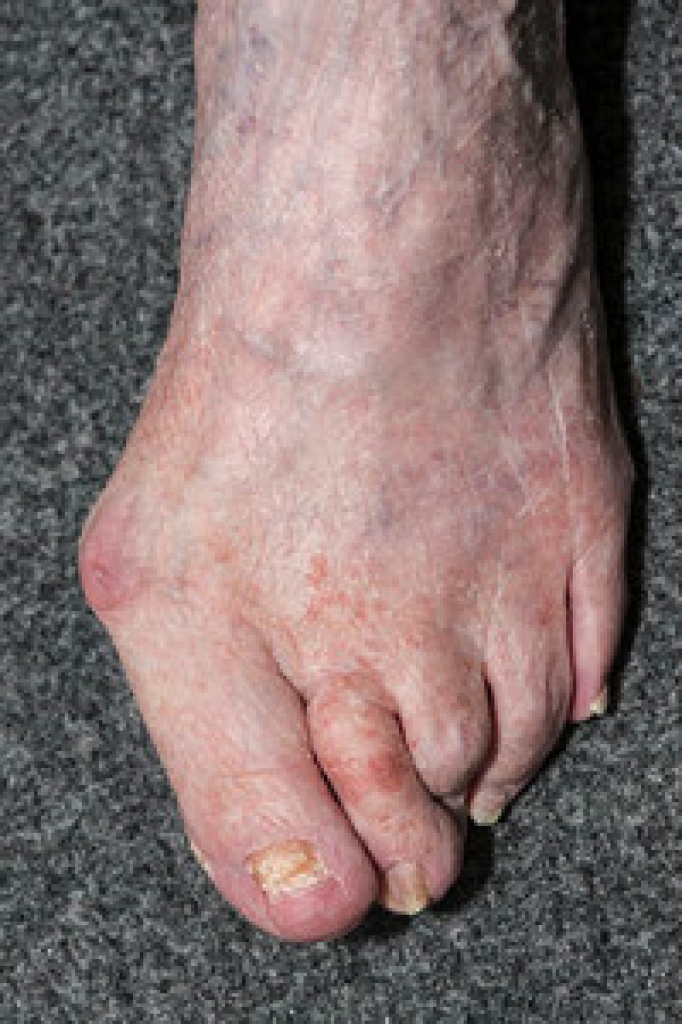
How Do I Treat My Bunion?

A large piece of bone protruding on the top or side of the foot may be referred to as a bunion. It’s often the result of inflammation of the tissues surrounding the big toe, in addition to the bones and tendons not lining up correctly. Narrow and high-heeled shoes are a common cause of bunions, which may become larger as time progresses and can possibly cause conditions like bursitis and arthritis. Symptoms can include tingling or numbness of the big toe, nerve irritation, and severe pain. Common bunions typically don’t require an exam, and most will be managed by applying cold therapy, wearing shoes with cushioned pads, and possibly taking anti-inflammatory medications. Surgery may be an option to consider if the pain is persistent or is affecting the quality of your life. A consultation with a podiatrist is advised for treatment of this condition.

If you are suffering from bunions, contact one of our podiatrists of Pennsylvania Foot & Ankle. Our doctors can provide the care you need to keep you pain-free and on your feet.

What Is a Bunion?

A bunion is formed of swollen tissue or an enlargement of boney growth, usually located at the base joint of the toe that connects to the foot. The swelling occurs due to the bones in the big toe shifting inward, which impacts the other toes of the foot. This causes the area around the base of the big toe to become inflamed and painful.

Why Do Bunions Form?

Genetics – Susceptibility to bunions are often hereditary

Stress on the feet – Poorly fitted and uncomfortable footwear that places stress on feet, such as heels, can worsen existing bunions

How Are Bunions Diagnosed?

Podiatrists often perform two tests – blood tests and x-rays – when trying to diagnose bunions, especially in the early stages of development. Blood tests help determine if the foot pain is being caused by something else, such as arthritis, while x-rays provide a clear picture of your bone structure to your provider.

How Are Bunions Treated?

  • Refrain from wearing heels or similar shoes that cause discomfort
  • Select wider shoes that can provide more comfort and reduce pain
  • Anti-inflammatory and pain management drugs
  • Orthotics or foot inserts
  • Surgery

If you have any questions, please feel free to contact one of our offices located in Bensalem, Philadelphia, Northeast Philadelphia, Yardley, PA, and Hamilton, NJ . We offer the newest diagnostic and treatment technologies for all your foot care needs.
Read more about Bunions

Why Live with Pain and Numbness in Your Feet?

Suffering from this type of pain? You may have the foot condition known as Morton's neuroma. Morton's neuroma may develop as a result of ill-fitting footwear and existing foot deformities. We can help.

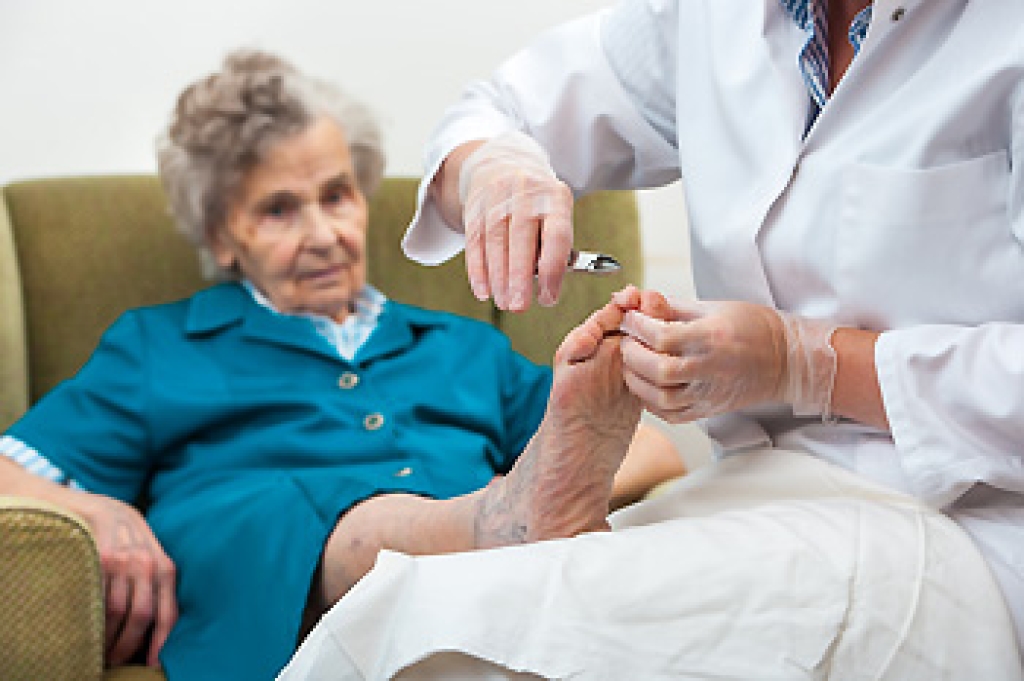
Keeping the Feet Healthy as We Age

Many seniors develop foot issues as they age, commonly due to loss of strength resulting from lack of exercise. Walking helps to maintain healthy feet, which aids in keeping the body balanced, therefore preventing falls. Good everyday foot care practices are crucial in avoiding foot problems and may include washing the feet daily, trimming toenails often, and keeping the skin moisturized to avoid cracked heels. Avoiding tight socks, elevating the feet, and wiggling your toes while sitting for long periods of time may benefit general foot health. Buying shoes with closed toes and low heels will not only protect your feet from injury, but may prevent falling and tripping. Checking the feet daily for any type of redness, swelling, or possible infected toenails is also important in keeping the feet healthy. If you have any questions about how to properly maintain the feet as you age, contact a podiatrist.

If you need your feet checked, contact one of our podiatrists of Pennsylvania Foot & Ankle. Our doctors will attend to all of your foot and ankle needs and provide you with quality treatment.

Geriatrics and Podiatry
When people age, some common issues that may occur are bone density loss, dry skin, poor circulation, and rough brittle nails. These issues may also affect your foot health if the necessary steps are not taken to alleviate the problems.

It is important to take care of your feet because feet that are injured or diseased can affect your overall health. Having painful feet hinders your ability to do daily activities or may decrease your willingness to do the things that you need to do.

Visiting Your Geriatrician
As we age, health problems become more likely, so it is essential to visit your doctor for check-ups to ensure that you are doing the best you can to take care of your health. It is recommended to check your feet frequently for any possible cuts, bruises, swelling, corns or any other irregularities. 

Taking Care of Elderly Feet
Cracked or dry feet can be treated by applying moisturizer often. It is also important not to wear old socks because the older the sock is, the higher the possibility there will be that there is bacteria there. Wear fresh socks and make sure they fit properly.

Proper foot health means that you can have a more active lifestyle and you will not be bogged down by pain. Foot health also leads to good circulation, which is paramount for overall health.

If you have any questions, please feel free to contact one of our offices located in Bensalem, Philadelphia, Northeast Philadelphia, Yardley, PA, and Hamilton, NJ . We offer the newest diagnostic and treatment technologies for all your foot care needs.
Read more about Geriatrics and Podiatry

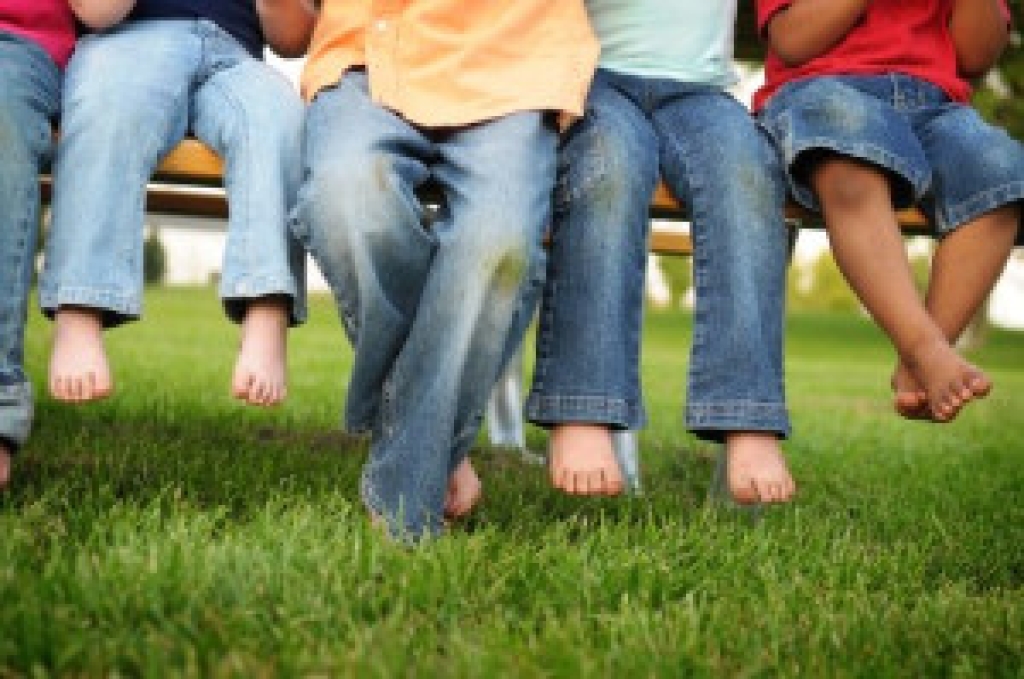
How to Maintain Your Child’s Healthy Feet

By the time a child is 18 years old, their feet are fully developed. When a child is 6 months old, however, most of the foot consists of cartilage and may be susceptible to deformities from shoes that fit incorrectly. Recent research suggests that being barefoot is best for healthy foot development, though it may not always be practical. The skin needs to be protected from extreme weather conditions, sharp objects, and wear and tear from walking on rough surfaces. Wearing flexible shoes will allow the feet to develop naturally while protecting the skin against harsh environments. Once the proper shoes have been chosen, the feet need to be taken care of. This may include washing the feet daily, especially drying between the toes. Additionally, measuring the feet regularly in the first 3 years of walking is important in making sure children are wearing the right size shoe.

Making sure that your children maintain good foot health is very important as they grow. If you have any questions, contact one of our podiatrists of Pennsylvania Foot & Ankle. Our doctors can provide the care you need to keep you pain-free and on your feet.

Keeping Children's Feet Healthy

Having healthy feet during childhood can help prevent medical problems later in life, namely in the back and legs. As children grow, their feet require different types of care. Here are some things to consider...

Although babies do not walk yet, it is still very important to take care of their feet.

Avoid putting tight shoes or socks on his or her feet.

Allow the baby to stretch and kick his or her feet to feel comfortable.

As a toddler, kids are now on the move and begin to develop differently. At this age, toddlers are getting a feel for walking, so don’t be alarmed if your toddler is unsteady or ‘walks funny’. 

As your child gets older, it is important to teach them how to take care of their feet.

Show them proper hygiene to prevent infections such as fungus.

Be watchful for any pain or injury.

Have all injuries checked by a doctor as soon as possible.

Comfortable, protective shoes should always be worn, especially at play.

If you have any questions, please feel free to contact one of our offices located in Bensalem, Philadelphia, Northeast Philadelphia, Yardley, PA, and Hamilton, NJ . We offer the newest diagnostic and treatment technologies for all your foot care needs.
Read more about What to Do to Keep Your Child’s Feet Healthy

Finding the Right Footwear for Each Activity

When it comes to buying shoes, it’s important to buy footwear that is suitable for what you will be doing. If you plan on running, try to find footwear that is breathable, flexible, supportive, and comfortable. While you should look for these traits in all footwear, different environments require different features. Hiking, for example, requires a more rigid shoe that may not be as breathable, especially if they are designed for cold weather environments. Walking, on the other hand, can be performed in running shoes that are comfortable and well-fitted. If you go rock climbing, then rock climbing shoes are essential as they have superior gripping to help prevent falls. However, rock climbing shoes are not very supportive and are meant to be tight around the feet. These attributes make them unsuitable for everyday wear. Wearing the right type of shoes is vital to preventing foot injuries and will allow you to more safely enjoy all your favorite outdoor activities.

If you are a runner, wearing the right running shoe is essential. For more information, contact one of our podiatrists from Pennsylvania Foot & Ankle. Our doctors can provide the care you need to keep you pain-free and on your feet.

Choosing the Right Running Shoe for Your Foot Type

To increase performance and avoid the risk of injury, it is important to choose the right running shoe based on your foot type. The general design of running shoes revolves around pronation, which is how the ankle rolls from outside to inside when the foot strikes the ground.

  • Neutral runners are able to choose from a wide variety of shoes, including minimalist shoes or even going barefoot.
  • Runners who overpronate, or experience an over-abundance of ankle rolling, should choose shoes that provide extra motion control and stability.
  • Runners who underpronate, or supinate, have feet that have high arches and lack flexibility, preventing shock absorption. They require shoes with more flexibility and cushion.

If you have any questions, please feel free to contact one of our offices located in Bensalem, Philadelphia, Northeast Philadelphia, Yardley, PA, and Hamilton, NJ . We offer the newest diagnostic and treatment technologies for all your foot care needs.

Read more about Choosing the Right Running Shoe for Your Foot Type

Connect With Us