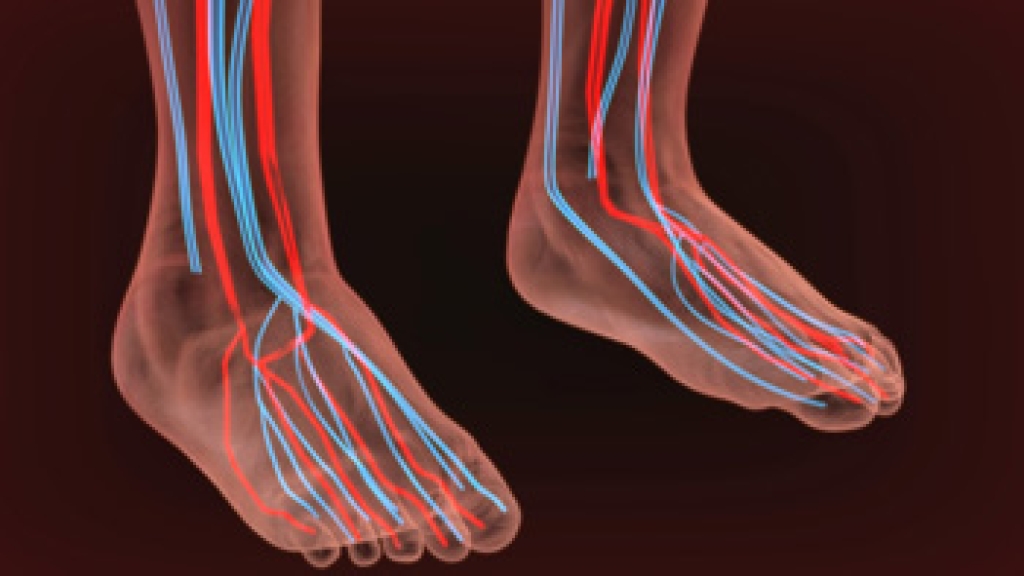
The Risks of Peripheral Artery Disease

Peripheral artery disease (PAD) is a medical condition in which the blood vessels in your lower limbs narrow or become clogged due to the buildup of arterial plaque. This reduction in blood flow means that you have poor circulation, which increases your risk of developing a whole host of potentially serious medical complications, including strokes, heart attacks, and aneurysms. Left undiagnosed and untreated, PAD in your lower limbs can advance to the point where there is limited to no blood flow, resulting in the death of the muscles in your lower limbs and increasing your risk of needing a limb amputation. Fortunately, PAD is easy to screen for and can usually be managed with lifestyle changes and medication, especially if it is detected in its earliest stages. Symptoms of PAD in the lower limbs include pain or cramping while walking, swelling, numbness, skin discoloration, and poorly healing sores. If you experience any of these symptoms, it is strongly recommended that you consult with a podiatrist who can screen for PAD and provide you with treatment options.   

Peripheral artery disease can pose a serious risk to your health. It can increase the risk of stroke and heart attack. If you have symptoms of peripheral artery disease, consult with one of our podiatrists from Pennsylvania Foot & Ankle. Our doctors will assess your condition and provide you with quality foot and ankle treatment.

Peripheral artery disease (PAD) is when arteries are constricted due to plaque (fatty deposits) build-up. This results in less blood flow to the legs and other extremities. The main cause of PAD is atherosclerosis, in which plaque builds up in the arteries.

Symptoms

Symptoms of PAD include:

  • Claudication (leg pain from walking)
  • Numbness in legs
  • Decrease in growth of leg hair and toenails
  • Paleness of the skin
  • Erectile dysfunction
  • Sores and wounds on legs and feet that won’t heal
  • Coldness in one leg

It is important to note that a majority of individuals never show any symptoms of PAD.

Diagnosis

While PAD occurs in the legs and arteries, Podiatrists can diagnose PAD. Podiatrists utilize a test called an ankle-brachial index (ABI). An ABI test compares blood pressure in your arm to you ankle to see if any abnormality occurs. Ultrasound and imaging devices may also be used.

Treatment

Fortunately, lifestyle changes such as maintaining a healthy diet, exercising, managing cholesterol and blood sugar levels, and quitting smoking, can all treat PAD. Medications that prevent clots from occurring can be prescribed. Finally, in some cases, surgery may be recommended.

If you have any questions, please feel free to contact one of our offices located in Bensalem, Philadelphia, Northeast Philadelphia, Yardley, PA, and Hamilton, NJ . We offer the newest diagnostic and treatment technologies for all your foot care needs.

Read more about Peripheral Artery Disease

Do Your Child's Feet Hurt?

Have your child's feet been examined lately? Healthy feet are happy feet. If your child is complaining of foot pain, it may be a sign of underlying problems.

Where Is the Pain From Morton’s Neuroma Felt?

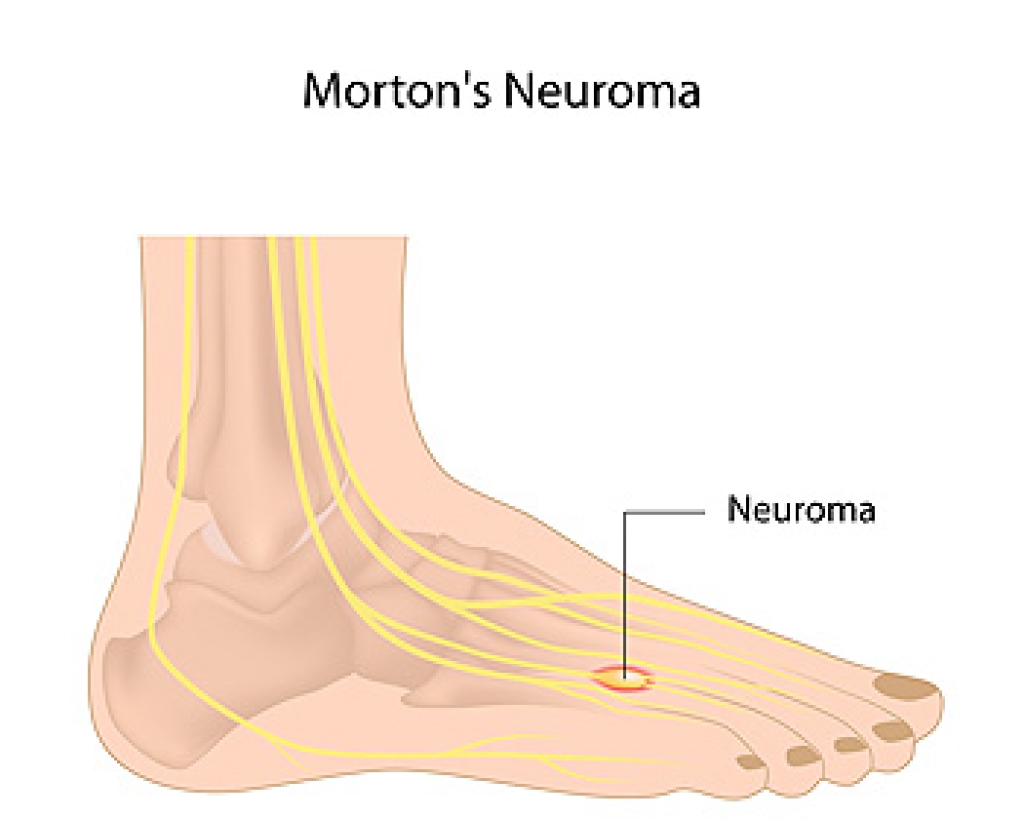
Patients who have pain between the toes may be experiencing a condition that is referred to as Morton’s neuroma. This condition is a result of a compressed nerve and can be caused by wearing shoes that do not fit properly. Additionally, it may occur from participating in sporting activities such as running and dancing. Some patients have a foot structure that can lead to developing this ailment, and existing foot conditions including hammertoes and bunions may contribute to the onset of Morton’s neuroma. The pain and discomfort can range from a tingling to a burning sensation, and can radiate to the ball of the foot. If you have pain in this part of your foot, it is strongly recommended that you schedule a consultation with a podiatrist who can properly diagnose and treat this condition.

Morton’s neuroma is a very uncomfortable condition to live with. If you think you have Morton’s neuroma, contact one of our podiatrists of Pennsylvania Foot & Ankle. Our doctors will attend to all of your foot care needs and answer any of your related questions.  

Morton’s Neuroma

Morton's neuroma is a painful foot condition that commonly affects the areas between the second and third or third and fourth toe, although other areas of the foot are also susceptible. Morton’s neuroma is caused by an inflamed nerve in the foot that is being squeezed and aggravated by surrounding bones.

What Increases the Chances of Having Morton’s Neuroma?

  • Ill-fitting high heels or shoes that add pressure to the toe or foot
  • Jogging, running or any sport that involves constant impact to the foot
  • Flat feet, bunions, and any other foot deformities

Morton’s neuroma is a very treatable condition. Orthotics and shoe inserts can often be used to alleviate the pain on the forefront of the feet. In more severe cases, corticosteroids can also be prescribed. In order to figure out the best treatment for your neuroma, it’s recommended to seek the care of a podiatrist who can diagnose your condition and provide different treatment options.

If you have any questions, please feel free to contact one of our offices located in Bensalem, Philadelphia, Northeast Philadelphia, Yardley, PA, and Hamilton, NJ . We offer the newest diagnostic and treatment technologies for all your foot care needs.
Read more about Morton's Neuroma

Ways to Improve Poor Circulation

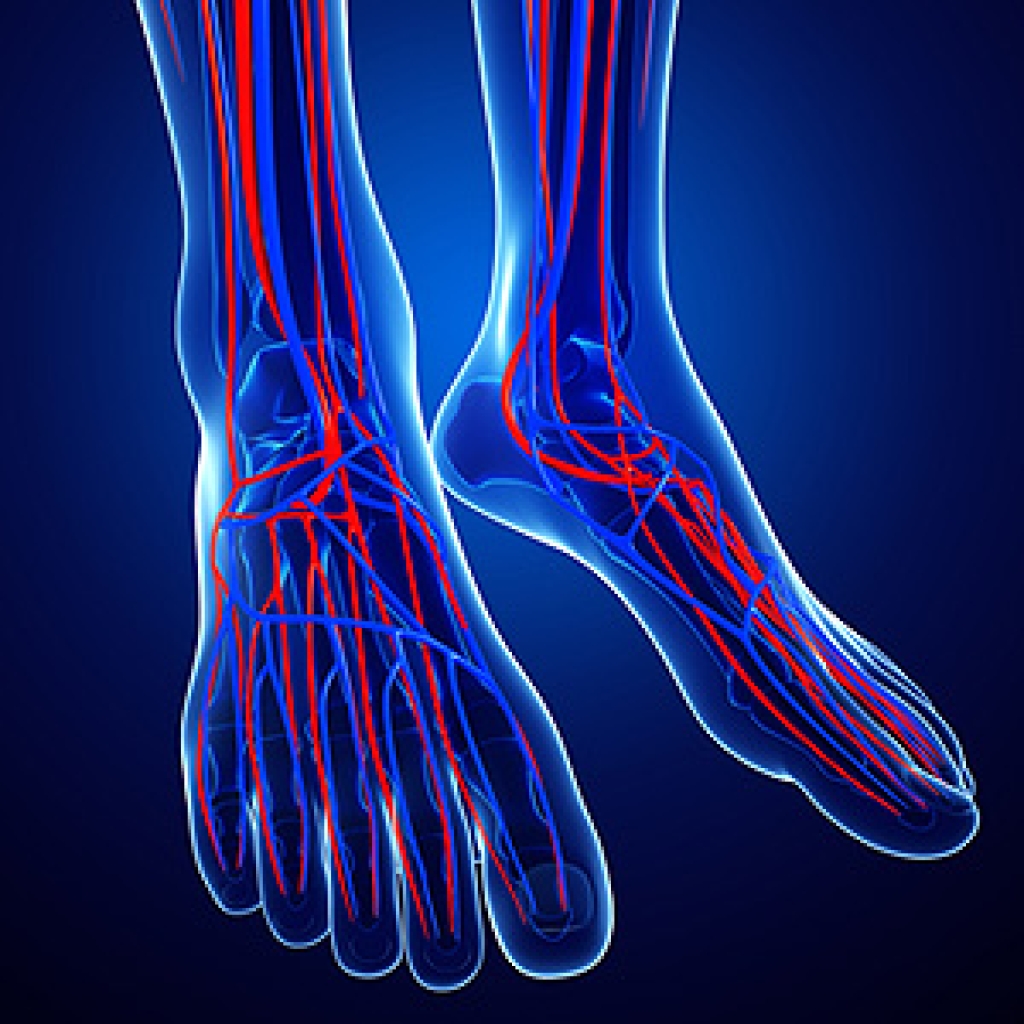
The circulatory system transports oxygen, nutrients, and blood throughout the body. Poor circulation is when blood flow to various parts of the body is inadequate. Frequently, poor circulation occurs in the legs and feet. Fortunately, there are ways you can improve poor circulation. Eating a balanced diet, drinking more water, exercising, and quitting smoking are all actions that you can take to improve your overall health, in addition to improving your circulation. Elevating your feet, getting a foot massage, taking warm baths, using a compression garment can also improve poor circulation. You should also see your doctor regularly for checkups to monitor your circulation. If you experience poor circulation to your legs and feet, a podiatrist can also help by finding treatments that work for you.

Poor circulation is a serious condition and needs immediate medical attention. If you have any concerns with poor circulation in your feet contact one of our podiatrists of Pennsylvania Foot & Ankle. Our doctors will treat your foot and ankle needs.

Poor Circulation in the Feet

Poor blood circulation in the feet and legs is can be caused by peripheral artery disease (PAD), which is the result of a buildup of plaque in the arteries.

Plaque buildup or atherosclerosis results from excess calcium and cholesterol in the bloodstream. This can restrict the amount of blood which can flow through the arteries. Poor blood circulation in the feet and legs are sometimes caused by inflammation in the blood vessels, known as vasculitis.

Causes

Lack of oxygen and oxygen from poor blood circulation restricts muscle growth and development. It can also cause:

  • Muscle pain, stiffness, or weakness 
  • Numbness or cramping in the legs
  • Skin discoloration
  • Slower nail & hair growth
  • Erectile dysfunction

Those who have diabetes or smoke are at greatest risk for poor circulation, as are those who are over 50. If you have poor circulation in the feet and legs it may be caused by PAD and is important to make changes to your lifestyle in order to reduce risk of getting a heart attack or stroke. Exercise and maintaining a healthy lifestyle will dramatically improve conditions.

As always, see a podiatrist as he or she will assist in finding a regimen that suits you. A podiatrist can also prescribe you any needed medication. 

If you have any questions, please feel free to contact one of our offices located in Bensalem, Philadelphia, Northeast Philadelphia, Yardley, PA, and Hamilton, NJ . We offer the newest diagnostic and treatment technologies for all your foot care needs.
Read more about Causes, Symptoms, and Treatment of Poor Blood Circulation in the Feet

Wounds That Don't Heal Need to Be Checked

Your feet are covered most of the day. If you're diabetic, periodic screening is important for good health. Numbness is often a sign of diabetic foot and can mask a sore or wound.

Connect With Us