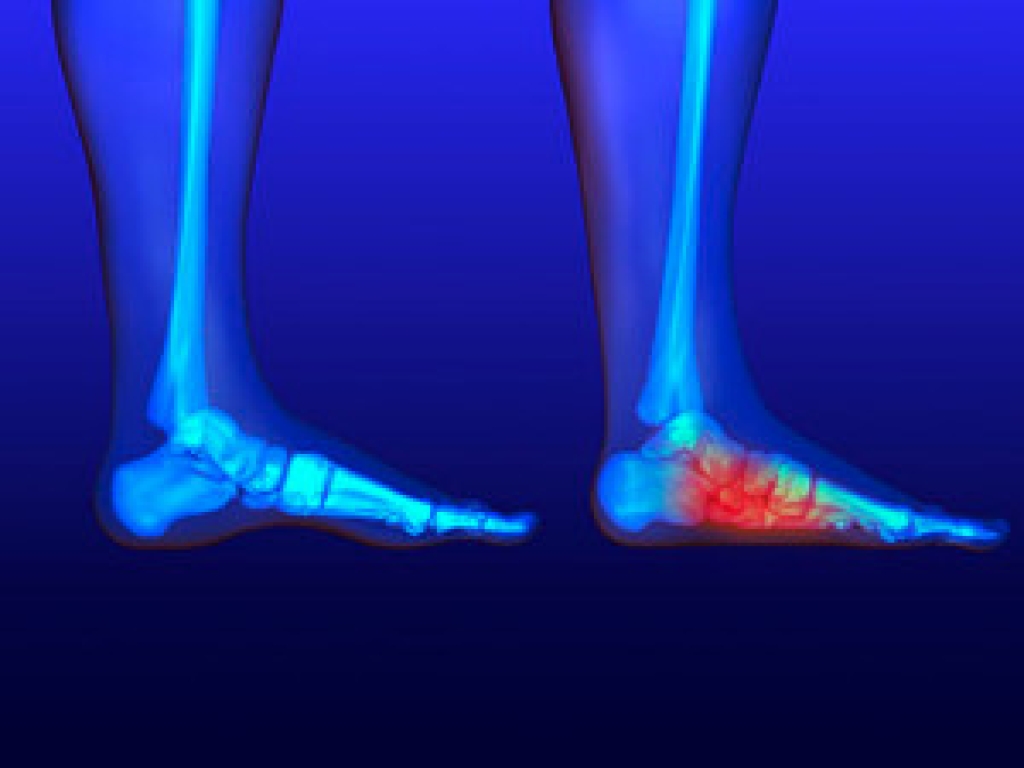
Possible Causes Of Flat Feet

People that do not have an arch in their foot, or possibly a low arch, are said to have the medical condition that is known as flat feet. Most people are born with flat feet, and the arch typically develops after several years. Patients who have had a foot injury, have gained weight suddenly, or wear shoes that do not fit correctly may develop flat feet. Additionally, patients who have medical conditions that can include diabetes, rheumatoid arthritis, or who have suffered a stroke, may be prone to having flat feet. This ailment may cause the feet to feel achy for the majority of the time, and it can be difficult to accomplish daily activities. Mild relief may be found when gentle calf stretches are frequently practiced, and it may be beneficial to wear custom made orthotics in the shoes. If you have fallen arches, or flat feet, please speak with a podiatrist who can offer the best treatment options that are correct for you.

Flatfoot is a condition many people suffer from. If you have flat feet, contact one of our podiatrists from Pennsylvania Foot & Ankle. Our doctors will treat your foot and ankle needs.

What Are Flat Feet?

Flatfoot is a condition in which the arch of the foot is depressed and the sole of the foot is almost completely in contact with the ground. About 20-30% of the population generally has flat feet because their arches never formed during growth.

Conditions & Problems:

Having flat feet makes it difficult to run or walk because of the stress placed on the ankles.

Alignment – The general alignment of your legs can be disrupted, because the ankles move inward which can cause major discomfort.

Knees – If you have complications with your knees, flat feet can be a contributor to arthritis in that area.  

Symptoms

  • Pain around the heel or arch area
  • Trouble standing on the tip toe
  • Swelling around the inside of the ankle
  • Flat look to one or both feet
  • Having your shoes feel uneven when worn

Treatment

If you are experiencing pain and stress on the foot you may weaken the posterior tibial tendon, which runs around the inside of the ankle. 

If you have any questions, please feel free to contact one of our offices located in Bensalem, Philadelphia, Northeast Philadelphia, Yardley, PA, and Hamilton, NJ . We offer the newest diagnostic and treatment technologies for all your foot care needs.

Read more about Flatfoot

Reminder: When Was the Last Time...?

Custom orthotics, or shoe inserts, should be periodically replaced. Orthotics must fit properly to give you the best results. Protect your feet and ankles!

Cuts and Diabetic Feet

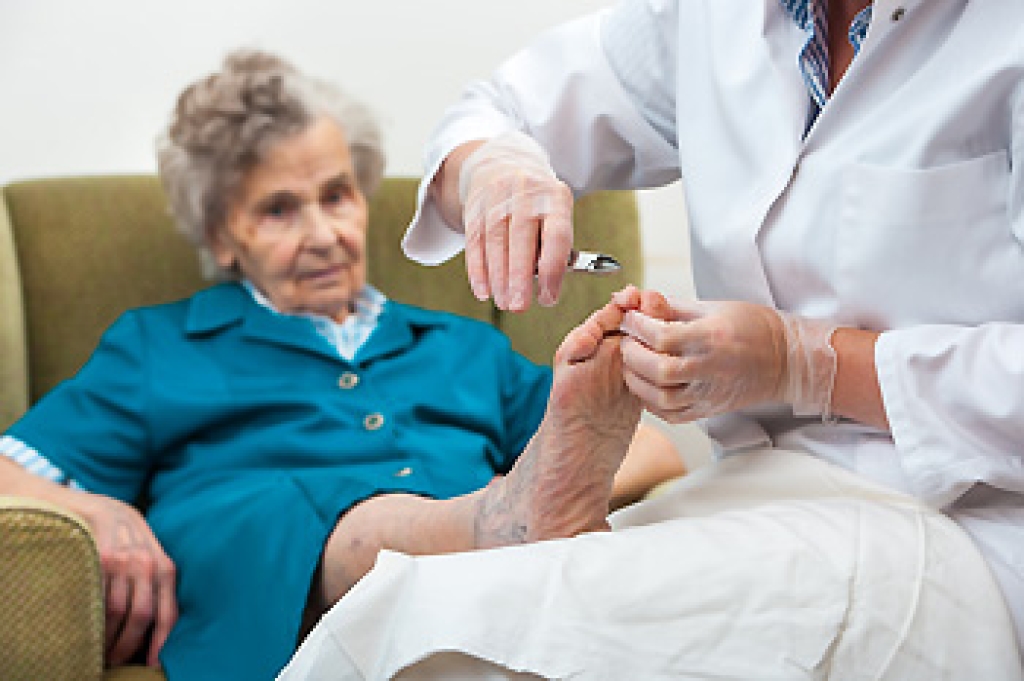
Diabetes is a common ailment many people are afflicted with. It is important to take proper care of the feet, and this especially applies to diabetic patients. Several complications may develop on the feet if there are bruises or wounds that are left unattended. A cut may develop into a foot ulcer, which may lead to possible amputation, if left untreated. It may be difficult to feel temperature changes or existing cuts, and this may be a result of neuropathy. It is beneficial to address symptoms that can affect the feet, which may be helpful in preventing painful foot conditions. These signs can include swollen feet, sores and cuts that heal slowly, and there may be a burning sensation. If you have diabetes, it is strongly suggested that you are under the care of a podiatrist who can properly diagnose and monitor this condition.

Diabetic foot care is important in preventing foot ailments such as ulcers. If you are suffering from diabetes or have any other concerns about your feet, contact one of our podiatrists from Pennsylvania Foot & Ankle. Our doctors can provide the care you need to keep you pain-free and on your feet.

Diabetic Foot Care

Diabetes affects millions of people every year. The condition can damage blood vessels in many parts of the body, especially the feet. Because of this, taking care of your feet is essential if you have diabetes, and having a podiatrist help monitor your foot health is highly recommended.

The Importance of Caring for Your Feet

  • Routinely inspect your feet for bruises or sores.
  • Wear socks that fit your feet comfortably.
  • Wear comfortable shoes that provide adequate support.

Patients with diabetes should have their doctor monitor their blood levels, as blood sugar levels play such a huge role in diabetic care. Monitoring these levels on a regular basis is highly advised.

It is always best to inform your healthcare professional of any concerns you may have regarding your feet, especially for diabetic patients. Early treatment and routine foot examinations are keys to maintaining proper health, especially because severe complications can arise if proper treatment is not applied.

If you have any questions, please feel free to contact one of our offices located in Bensalem, Philadelphia, Northeast Philadelphia, Yardley, PA, and Hamilton, NJ . We offer the newest diagnostic and treatment technologies for all your foot care needs.
Read more about Diabetic Foot Care

Warming Up and Cooling Down

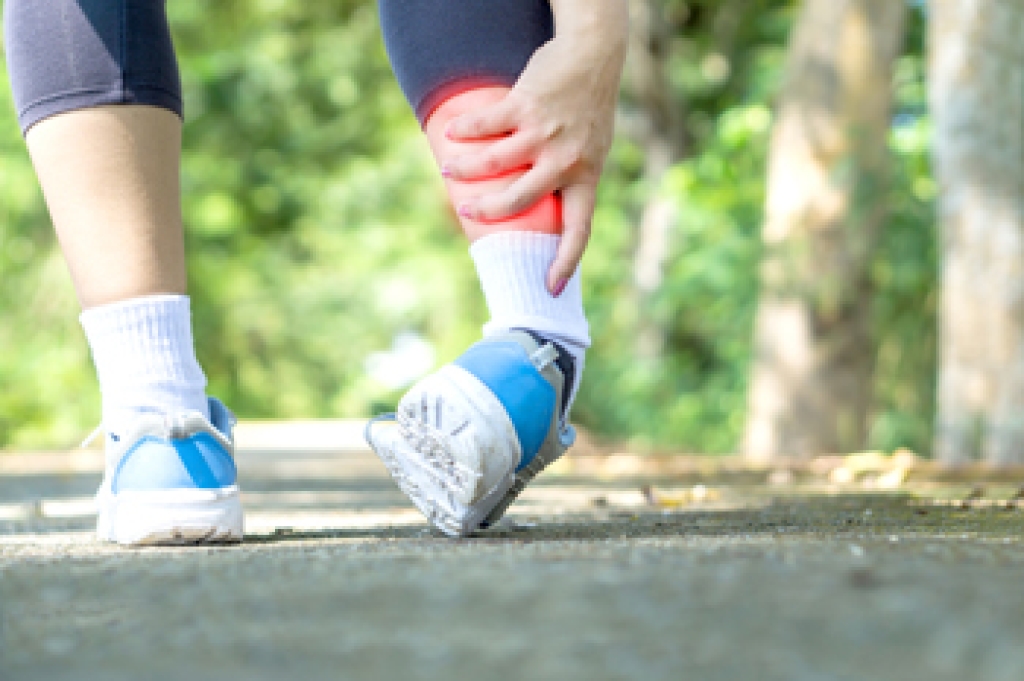
Research has indicated the sport of running is a popular form of exercise among all groups of people. Many children and teenagers enjoy participating in track and field during school, and generally will perform proper warm up and cool down techniques. These can be helpful in preventing running injuries, and should be incorporated into a daily routine if you regularly run. It is beneficial to slowly increase the mileage and the time running is practiced, which can help to prevent stress fractures and injuries from overuse. Additionally, eating healthy foods may help the body to maintain strength, and it is necessary to get adequate sleep as often as possible as well. Many runners know the importance of resting between runs, which can allow the body to recover. If you would like more information about injury prevention, and how the feet may become affected by running injuries, please consult with a podiatrist.

All runners should take extra precaution when trying to avoid injury. If you have any concerns about your feet, contact one of our podiatrists of Pennsylvania Foot & Ankle. Our doctors will treat your foot and ankle needs.

How to Prevent Running Injuries

There are a lot of mistakes a runner can make prior to a workout that can induce injury. A lot of athletes tend to overstretch before running, instead of saving those workouts for a post-run routine. Deep lunges and hand-to-toe hamstring pulls should be performed after a workout instead of during a warmup. Another common mistake is jumping into an intense routine before your body is physically prepared for it. You should try to ease your way into long-distance running instead of forcing yourself to rush into it.

More Tips for Preventing Injury

  • Incorporate Strength Training into Workouts - This will help improve the body’s overall athleticism
  • Improve and Maintain Your Flexibility – Stretching everyday will help improve overall performance
  • “Warm Up” Before Running and “Cool Down” Afterward – A warm up of 5-10 minutes helps get rid of lactic acid in the muscles and prevents delayed muscle soreness
  • Cross-Training is Crucial
  • Wear Proper Running Shoes
  • Have a Formal Gait Analysis – Poor biomechanics can easily cause injury

If you have any questions, please feel free to contact one of our offices located in Bensalem, Philadelphia, Northeast Philadelphia, Yardley, PA, and Hamilton, NJ . We offer the newest diagnostic and treatment technologies for all your foot care needs.
Read more about Preventing Running Injuries

Where Did I Get Toenail Fungus From?

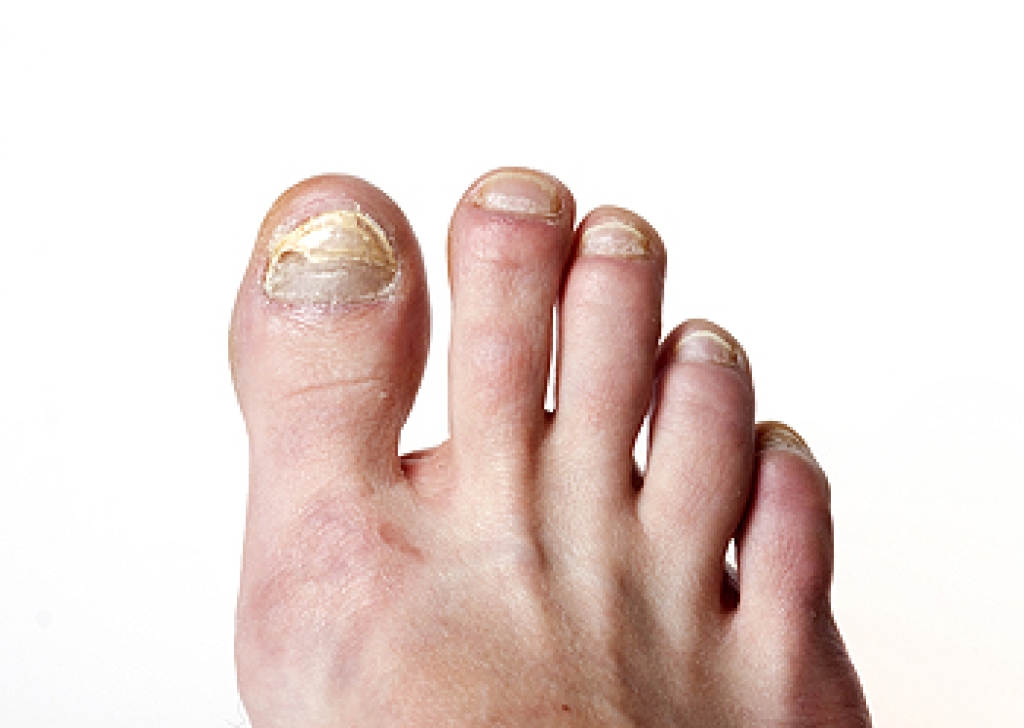
Research has indicated that millions of Americans have a condition that is known as onychomycosis, which is commonly known as toenail fungus. There are noticeable symptoms that are often associated with this ailment. These can include the toenails becoming thick and yellow, in addition to the surrounding skin becoming itchy. In severe cases, the nails may become brittle, and can possibly fall off. It is considered to be a fungal infection, and can be contagious. This type of fungus lives and thrives in warm and moist environments, consisting of public pools, and shower room floors. It is suggested that appropriate shoes are worn while in these areas, as this may help to prevent getting toenail fungus. If you are afflicted with this condition, please consult with a podiatrist who can prescribe medications that can help to heal this condition.

If left untreated, toenail fungus may spread to other toenails, skin, or even fingernails. If you suspect you have toenail fungus it is important to seek treatment right away. For more information about treatment, contact one of our podiatrists of Pennsylvania Foot & Ankle. Our doctors can provide the care you need to keep you pain-free and on your feet.

Symptoms

  • Warped or oddly shaped nails
  • Yellowish nails
  • Loose/separated nail
  • Buildup of bits and pieces of nail fragments under the nail
  • Brittle, broken, thickened nail

Treatment

If self-care strategies and over-the-counter medications does not help your fungus, your podiatrist may give you a prescription drug instead. Even if you find relief from your toenail fungus symptoms, you may experience a repeat infection in the future.

Prevention

In order to prevent getting toenail fungus in the future, you should always make sure to wash your feet with soap and water. After washing, it is important to dry your feet thoroughly especially in between the toes. When trimming your toenails, be sure to trim straight across instead of in a rounded shape. It is crucial not to cover up discolored nails with nail polish because that will prevent your nail from being able to “breathe”.

In some cases, surgical procedure may be needed to remove the toenail fungus. Consult with your podiatrist about the best treatment options for your case of toenail fungus.  

If you have any questions please contact one of our offices located in Bensalem, Philadelphia, Northeast Philadelphia, Yardley, PA, and Hamilton, NJ . We offer the newest diagnostic and treatment technologies for all your foot and ankle needs.

Read more about Toenail Fungus

Connect With Us