Connect With Us

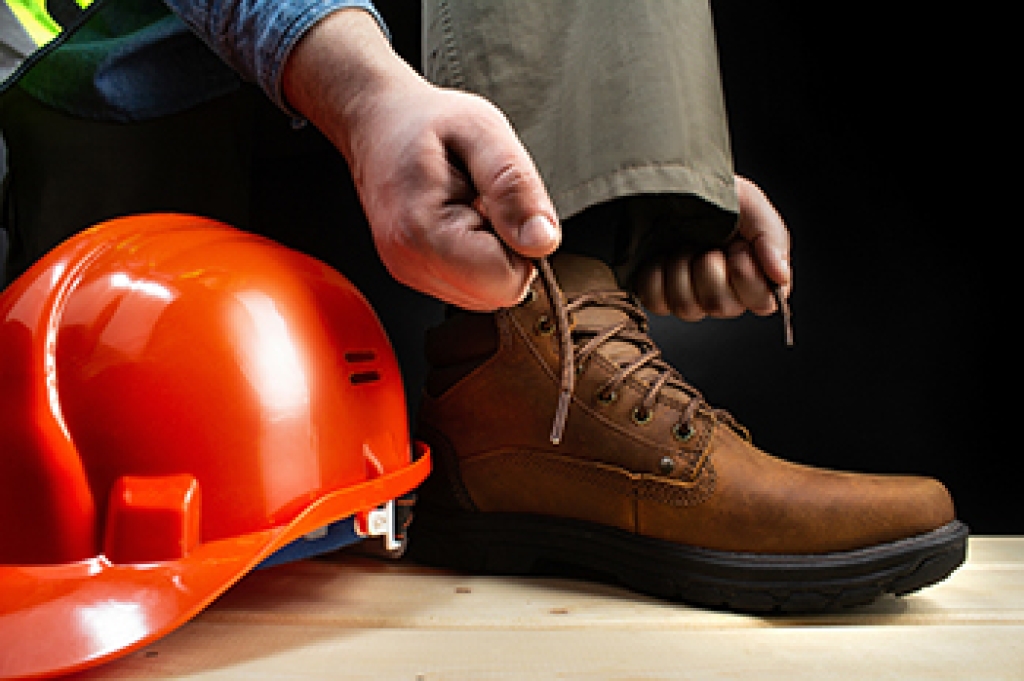
When you perspire, it is nature’s way of helping to regulate your body temperature. This is done through the many sweat glands throughout the body, including the toes and feet. When working on your feet, especially if you need to wear work boots, the chances of moisture collecting inside the shoes are multiplied. Keeping the feet dry can pose a challenge, but experts suggest a few ways to do just that. First, choose work boots that are breathable. Obviously, work boots must not only support your feet, but protect them. Some types of work boots are made with mesh linings that can help to keep excess moisture from building up. Also, it is suggested that wearing socks that wick moisture can help to keep your feet dry. Using foot powder and keeping your feet clean are other methods that can work to limit the buildup of bacteria, which can cause foot odor. For more information on the type of work boot that is best for your feet, please see a podiatrist.
While working on the feet, it is important to take the proper care of them. For more information about working on your feet, contact one of our podiatrists from Pennsylvania Foot & Ankle. Our doctors will treat your foot and ankle needs.
Working on Your Feet
Standing on your feet for long periods of time can cause stress and pain in your feet. Your whole body may experience change in terms of posture, back pain, bunions, callouses and or plantar warts. There are ways to avoid these conditions with proper foot care, smart choices and correct posture.
Positive Changes
Negative heeled shoe – Choosing this shoe type places the heel slightly lower than the ball of the foot. These are great for overall foot health. Find shoes that fit you correctly.
Go barefoot – Our feet were not designed to be enclosed for all hours of the day. Try to periodically expose your feet to air.
Eliminate Pain
Foot Exercises – Performing simple exercises, incorporating yoga and doing stretches are beneficial. This will allow increased blood flow to the area and muscles of the foot.
Achilles tendon – Stretching the foot out flat on the floor will relax the calf muscles and tendon. These exercises can be performed almost anywhere. Make sure you add these exercises to your daily regimen.
With a little bit of this information and knowing more about foot health, you will notice changes. Foot stretches and proper footwear will help with pain and prevent further issues.
If you have any questions please contact one of our offices located in Bensalem, Philadelphia, Northeast Philadelphia, Yardley, PA, and Hamilton, NJ . We offer the newest diagnostic and treatment technologies for all your foot and ankle needs.

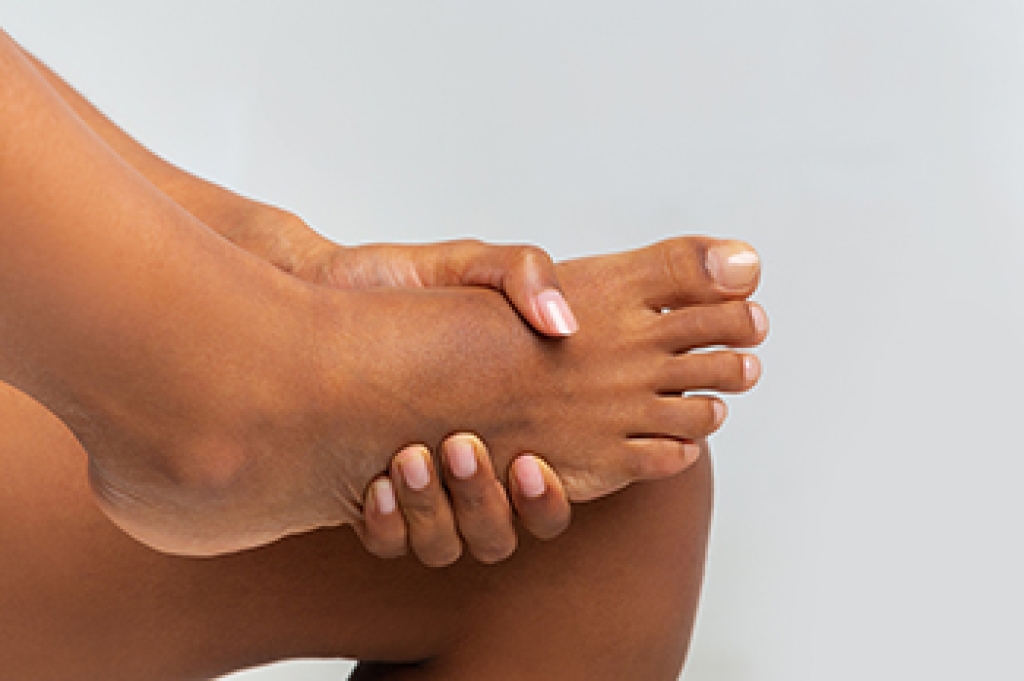
Sesamoiditis is an inflammation of the sesamoid bones. They are located in the ball of the foot and the pain is often found under the joint of the big toe. Their function is to push off while walking or running and can become inflamed if an injury occurs. Treatment often begins with resting and elevating the affected foot. Engaging in low-impact exercises such as swimming or cycling may help to accelerate the healing process. Wearing shoes that have a lower heel may relieve some of the pain as well as taping the big toe. In severe cases, a cast shoe may be recommended to wear as they are made of plastic or wooden soles which can be beneficial in keeping the toes straight while walking. The average recovery time for sesamoiditis may be up to six weeks and normal activities can be resumed when everyday shoes are worn without pain. If you experience any foot pain, it is advised that you consult a podiatrist who can properly diagnose and treat this ailment.
Sesamoiditis is an unpleasant foot condition characterized by pain in the balls of the feet. If you think you’re struggling with sesamoiditis, contact one of our podiatrists of Pennsylvania Foot & Ankle. Our doctors will treat your condition thoroughly and effectively.
Sesamoiditis
Sesamoiditis is a condition of the foot that affects the ball of the foot. It is more common in younger people than it is in older people. It can also occur with people who have begun a new exercise program, since their bodies are adjusting to the new physical regimen. Pain may also be caused by the inflammation of tendons surrounding the bones. It is important to seek treatment in its early stages because if you ignore the pain, this condition can lead to more serious problems such as severe irritation and bone fractures.
Causes of Sesamoiditis
Treatment for sesamoiditis is non-invasive and simple. Doctors may recommend a strict rest period where the patient forgoes most physical activity. This will help give the patient time to heal their feet through limited activity. For serious cases, it is best to speak with your doctor to determine a treatment option that will help your specific needs.
If you have any questions, please feel free to contact one of our offices located in Bensalem, Philadelphia, Northeast Philadelphia, Yardley, PA, and Hamilton, NJ . We offer the newest diagnostic and treatment technologies for all your foot care needs.

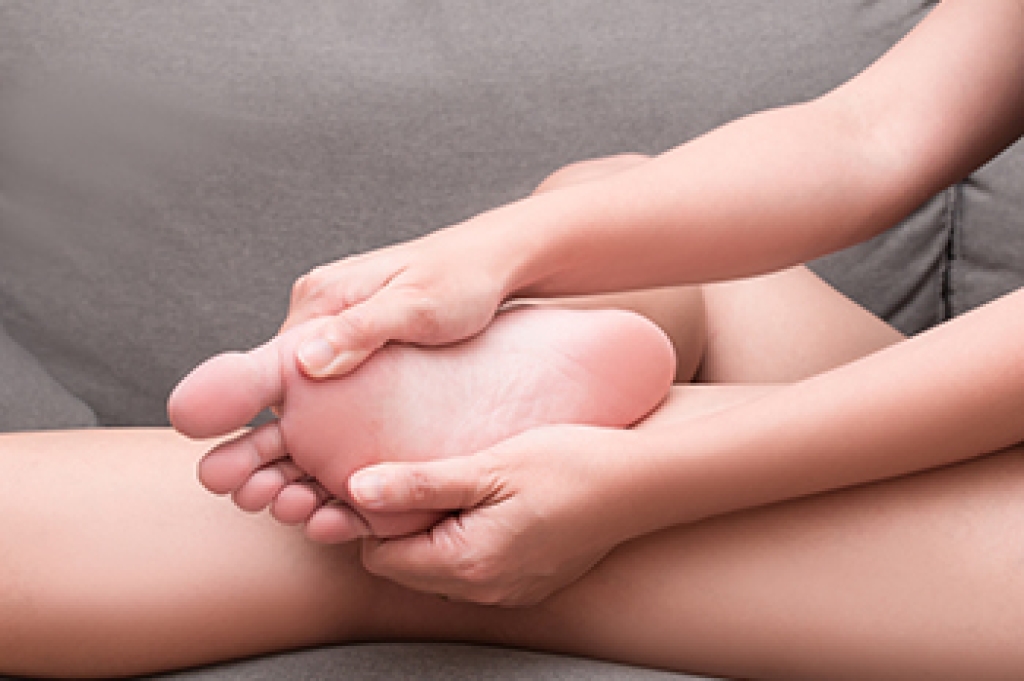
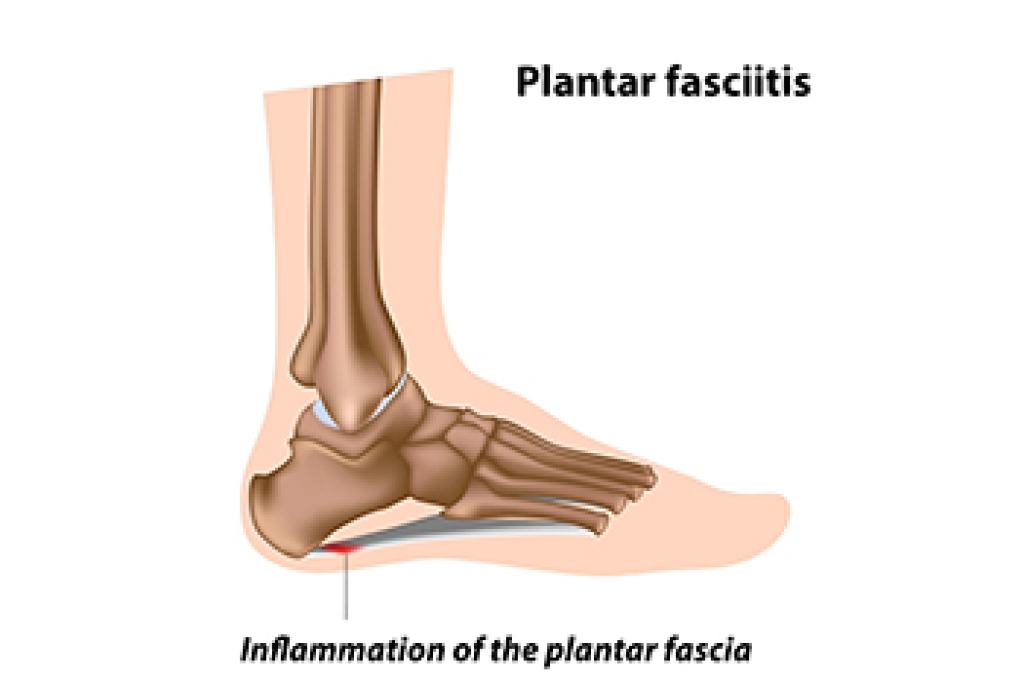
Plantar fasciitis is a common injury that can affect the ability to walk, run, and participate in jumping activities. It is a condition that affects the plantar fascia which runs along the sole of the foot. Its function is to connect the toes to the heels, and tears that occur can result in plantar fasciitis. Gradual discomfort eventually progresses to severe pain, and prompt medical treatment is often sought to manage the pain. People that enjoy running and who develop plantar fasciitis often need to limit the number of times they run per week, and this may help to accelerate the healing process. Many patients notice the heel pain is worse in the morning after arising, and performing specific stretches may help to find mild relief. An effective stretch is done by standing on a step, and lowering one heel at a time until a gentle stretch is felt. It is suggested that you consult with a podiatrist at the first hint of heel pain who can properly diagnose and offer correct treatment options.
Plantar fasciitis is a common foot condition that is often caused by a strain injury. If you are experiencing heel pain or symptoms of plantar fasciitis, contact one of our podiatrists from Pennsylvania Foot & Ankle. Our doctors can provide the care you need to keep you pain-free and on your feet.
What Is Plantar Fasciitis?
Plantar fasciitis is one of the most common causes of heel pain. The plantar fascia is a ligament that connects your heel to the front of your foot. When this ligament becomes inflamed, plantar fasciitis is the result. If you have plantar fasciitis you will have a stabbing pain that usually occurs with your first steps in the morning. As the day progresses and you walk around more, this pain will start to disappear, but it will return after long periods of standing or sitting.
What Causes Plantar Fasciitis?
There are some risk factors that may make you more likely to develop plantar fasciitis compared to others. The condition most commonly affects adults between the ages of 40 and 60. It also tends to affect people who are obese because the extra pounds result in extra stress being placed on the plantar fascia.
Prevention
There are a variety of treatment options available for plantar fasciitis along with the pain that accompanies it. Additionally, physical therapy is a very important component in the treatment process. It is important that you meet with your podiatrist to determine which treatment option is best for you.
If you have any questions, please feel free to contact one of our offices located in Bensalem, Philadelphia, Northeast Philadelphia, Yardley, PA, and Hamilton, NJ . We offer the newest diagnostic and treatment technologies for all your foot care needs.
Connect With Us