
Custom orthotics, or shoe inserts, should be periodically replaced. Orthotics must fit properly to give you the best results. Protect your feet and ankles!
Custom orthotics, or shoe inserts, should be periodically replaced. Orthotics must fit properly to give you the best results. Protect your feet and ankles!
 A plantar wart is caused by one of many types of a very common virus. It appears as a thick, callused spot on the sole of the foot and may vary in size, ranging from small to possibly covering most of the sole. The human papillomavirus (HPV) that causes plantar warts is known to be contagious and can also spread to other parts of the body. Although anyone is susceptible to this virus, it’s most prevalent in teenagers or those individuals with weakened immune systems. Many of these warts will disappear on their own, making it unnecessary to treat this condition. However, if the wart becomes painful and interferes with daily activities, there are various treatments available. A consultation with a podiatrist is suggested to learn about effective methods designed for the removal of plantar warts.
Plantar warts can be very uncomfortable. If you need your feet checked, contact one of our podiatrists from Pennsylvania Foot & Ankle. Our doctors will assist you with all of your foot and ankle needs.
About Plantar Warts
Plantar warts are the result of HPV, or human papillomavirus, getting into open wounds on the feet. They are mostly found on the heels or balls of the feet.
While plantar warts are generally harmless, those experiencing excessive pain or those suffering from diabetes or a compromised immune system require immediate medical care. Plantar warts are easily diagnosed, usually through scraping off a bit of rough skin or by getting a biopsy.
Symptoms
Treatment
To help prevent developing plantar warts, avoid walking barefoot over abrasive surfaces that can cause cuts or wounds for HPV to get into. Avoiding direct contact with other warts, as well as not picking or rubbing existing warts, can help prevent the further spread of plantar warts. However, if you think you have developed plantar warts, speak to your podiatrist. He or she can diagnose the warts on your feet and recommend the appropriate treatment options.
If you have any questions, please feel free to contact one of our offices located in Bensalem, Philadelphia, Northeast Philadelphia, Yardley, PA, and Hamilton, NJ . We offer the newest diagnostic and treatment technologies for all your foot care needs.
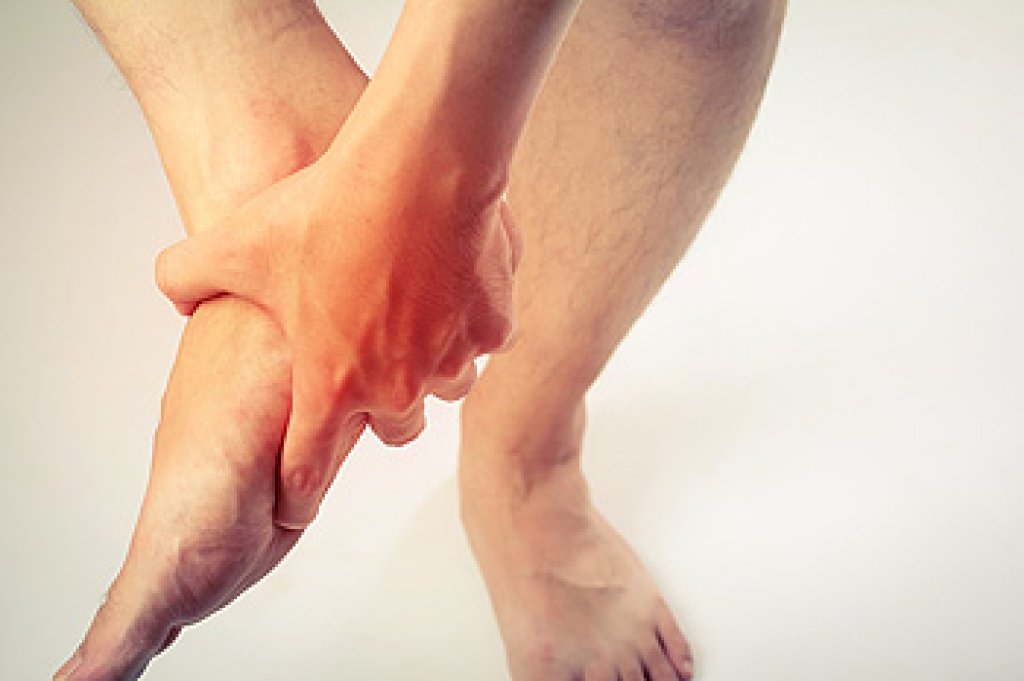 Heel pain tends to be worse in the morning or after a long period of standing. Gradually worsening over time, the pain may become increasingly severe while walking because of the weight placed on the heel. A common cause of this condition may be a pre-existing injury affecting the plantar fascia, or the tissue that runs under the bottom of the foot. The plantar fascia is a connective tendon that acts like a shock absorber, and if damage occurs, it may become inflamed and torn. A common group of people that experience heel pain are joggers and older adults; usually 1 in 10 of the population will endure heel pain during their lives. Treatments can include stretching regularly and wearing shoes with proper support and cushioning. There are other methods that may prevent heel pain, including eating a healthy diet, partaking in regular exercise, and wearing shoes without heels. A consultation with a podiatrist may be advised for proper diagnosis and treatment if your heel pain continues.
Many people suffer from bouts of heel pain. For more information, contact one of our podiatrists of Pennsylvania Foot & Ankle. Our doctors can provide the care you need to keep you pain-free and on your feet.
Causes of Heel Pain
Heel pain is often associated with plantar fasciitis. The plantar fascia is a band of tissues that extends along the bottom of the foot. A rip or tear in this ligament can cause inflammation of the tissue.
Achilles tendonitis is another cause of heel pain. Inflammation of the Achilles tendon will cause pain from fractures and muscle tearing. Lack of flexibility is also another symptom.
Heel spurs are another cause of pain. When the tissues of the plantar fascia undergo a great deal of stress, it can lead to ligament separation from the heel bone, causing heel spurs.
Why Might Heel Pain Occur?
Treatments
Heel pain should be treated as soon as possible for immediate results. Keeping your feet in a stress-free environment will help. If you suffer from Achilles tendonitis or plantar fasciitis, applying ice will reduce the swelling. Stretching before an exercise like running will help the muscles. Using all these tips will help make heel pain a condition of the past.
If you have any questions, please feel free to contact one of our offices located in Bensalem, Philadelphia, Northeast Philadelphia, Yardley, PA, and Hamilton, NJ . We offer the newest diagnostic and treatment technologies for all your foot care needs.
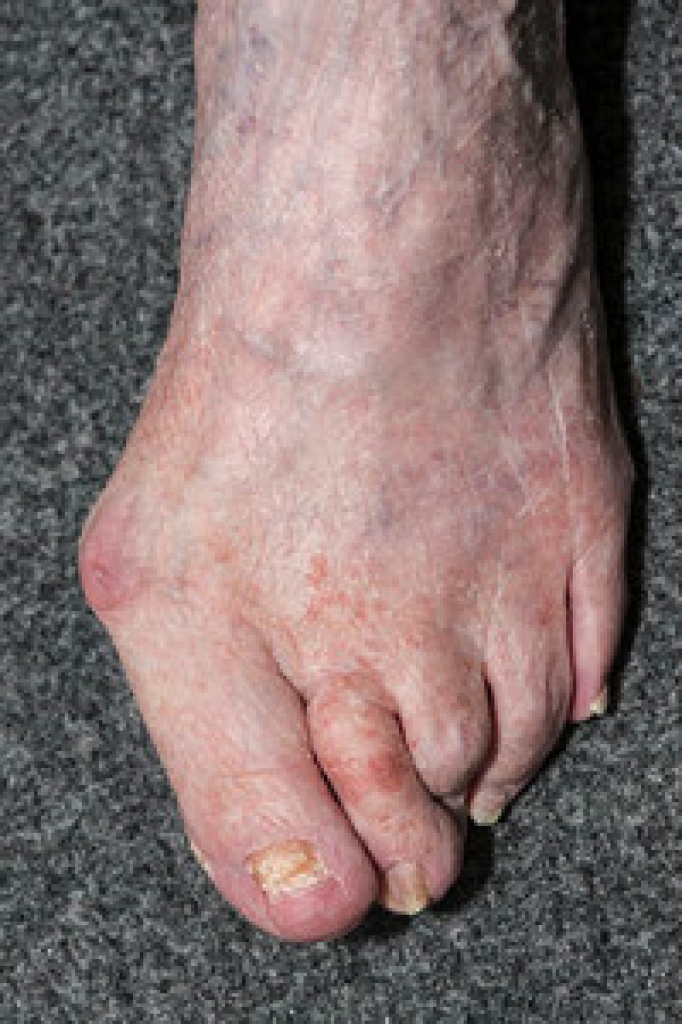 A large piece of bone protruding on the top or side of the foot may be referred to as a bunion. It’s often the result of inflammation of the tissues surrounding the big toe, in addition to the bones and tendons not lining up correctly. Narrow and high-heeled shoes are a common cause of bunions, which may become larger as time progresses and can possibly cause conditions like bursitis and arthritis. Symptoms can include tingling or numbness of the big toe, nerve irritation, and severe pain. Common bunions typically don’t require an exam, and most will be managed by applying cold therapy, wearing shoes with cushioned pads, and possibly taking anti-inflammatory medications. Surgery may be an option to consider if the pain is persistent or is affecting the quality of your life. A consultation with a podiatrist is advised for treatment of this condition.
If you are suffering from bunions, contact one of our podiatrists of Pennsylvania Foot & Ankle. Our doctors can provide the care you need to keep you pain-free and on your feet.
What Is a Bunion?
A bunion is formed of swollen tissue or an enlargement of boney growth, usually located at the base joint of the toe that connects to the foot. The swelling occurs due to the bones in the big toe shifting inward, which impacts the other toes of the foot. This causes the area around the base of the big toe to become inflamed and painful.
Why Do Bunions Form?
Genetics – Susceptibility to bunions are often hereditary
Stress on the feet – Poorly fitted and uncomfortable footwear that places stress on feet, such as heels, can worsen existing bunions
How Are Bunions Diagnosed?
Podiatrists often perform two tests – blood tests and x-rays – when trying to diagnose bunions, especially in the early stages of development. Blood tests help determine if the foot pain is being caused by something else, such as arthritis, while x-rays provide a clear picture of your bone structure to your provider.
How Are Bunions Treated?
If you have any questions, please feel free to contact one of our offices located in Bensalem, Philadelphia, Northeast Philadelphia, Yardley, PA, and Hamilton, NJ . We offer the newest diagnostic and treatment technologies for all your foot care needs.

Suffering from this type of pain? You may have the foot condition known as Morton's neuroma. Morton's neuroma may develop as a result of ill-fitting footwear and existing foot deformities. We can help.
Connect With Us
