How to Prevent Stress Fractures

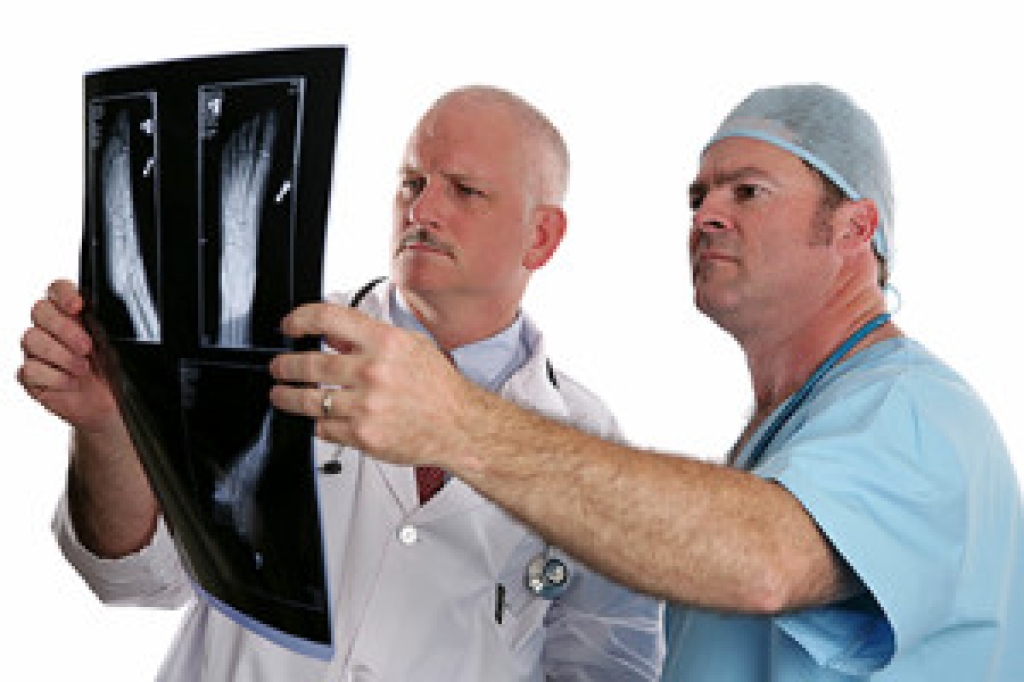
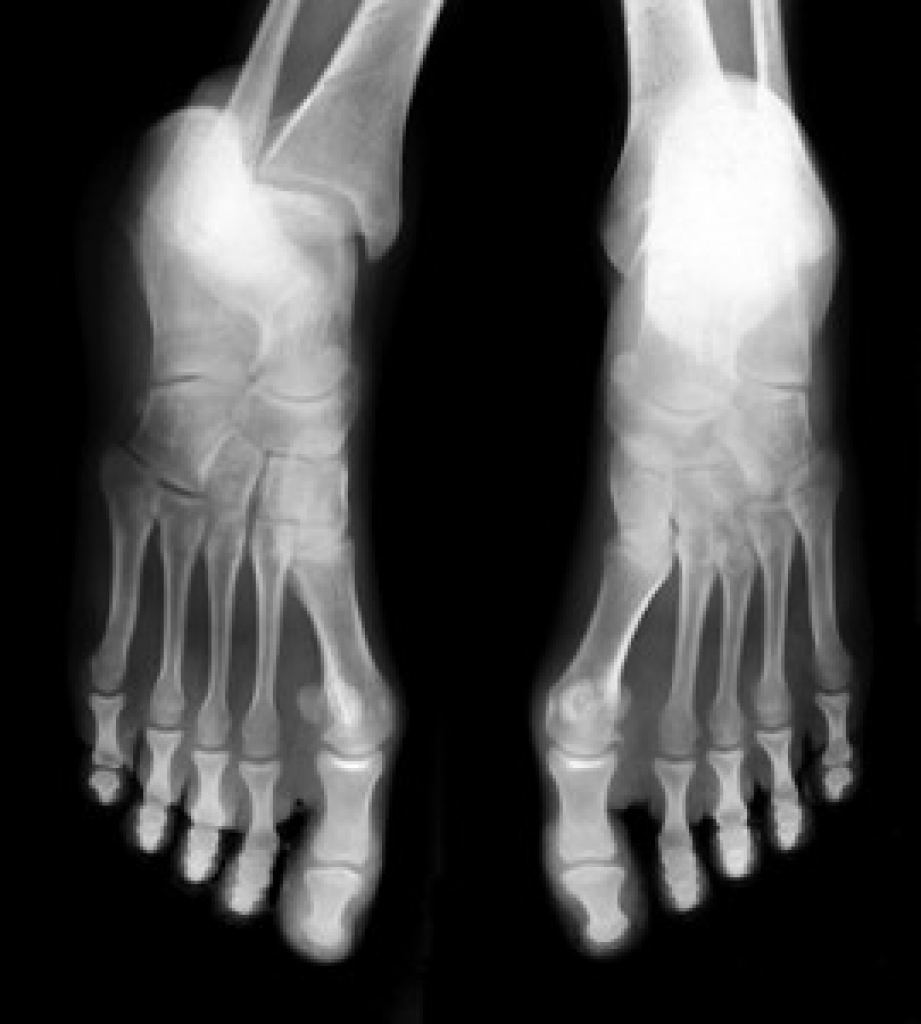
Stress fractures are small cracks in the bone typically caused by repetitive force or stress. While they can occur in various areas of the body, stress fractures are more likely to occur in the foot due to it having to bear weight and having to sustain repeated strikes. They can be very painful and often take time to properly heal. To avoid dealing with stress fractures, practice methods to prevent them from occurring. If you are starting a new physical activity, prevent stress fractures by taking it slowly and gradually increasing intensity and duration. This prevents overuse and allows your body to acclimate to physical stress. Footwear that provides proper support can improve your running style and prevent stress fractures. The surfaces you run on can also affect your risk for injury. Soft surfaces like grass can be more forgiving than harder surfaces like concrete. If you have questions about stress fractures and whether running is right for you, ask a podiatrist.

Activities where too much pressure is put on the feet can cause stress fractures. To learn more, contact one of our podiatrists from Pennsylvania Foot & Ankle. Our doctors can provide the care you need to keep your pain free and on your feet.

Dealing with Stress Fractures of the Foot and Ankle

Stress fractures occur in the foot and ankle when muscles in these areas weaken from too much or too little use.  The feet and ankles then lose support when walking or running from the impact of the ground. Since there is no protection, the bones receive the full impact of each step. Stress on the feet can cause cracks to form in the bones, thus creating stress fractures.

What Are Stress Fractures?

Stress fractures occur frequently in individuals whose daily activities cause great impact on the feet and ankles. Stress factors are most common among:

  • Runners                                
  • People affected with Osteoporosis
  • Tennis or basketball players
  • Gymnasts
  • High impact workouts

Symptoms

Pain from the fractures occur in the area of the fractures and can be constant or intermittent. It will often cause sharp or dull pain with swelling and tenderness. Engaging in any kind of activity which involves high impact will aggravate pain.

If you have any questions please contact one of our offices located in Bensalem, Philadelphia, Northeast Philadelphia, Yardley, PA, and Hamilton, NJ . We offer the newest diagnostic and treatment technologies for all your foot and ankle needs.

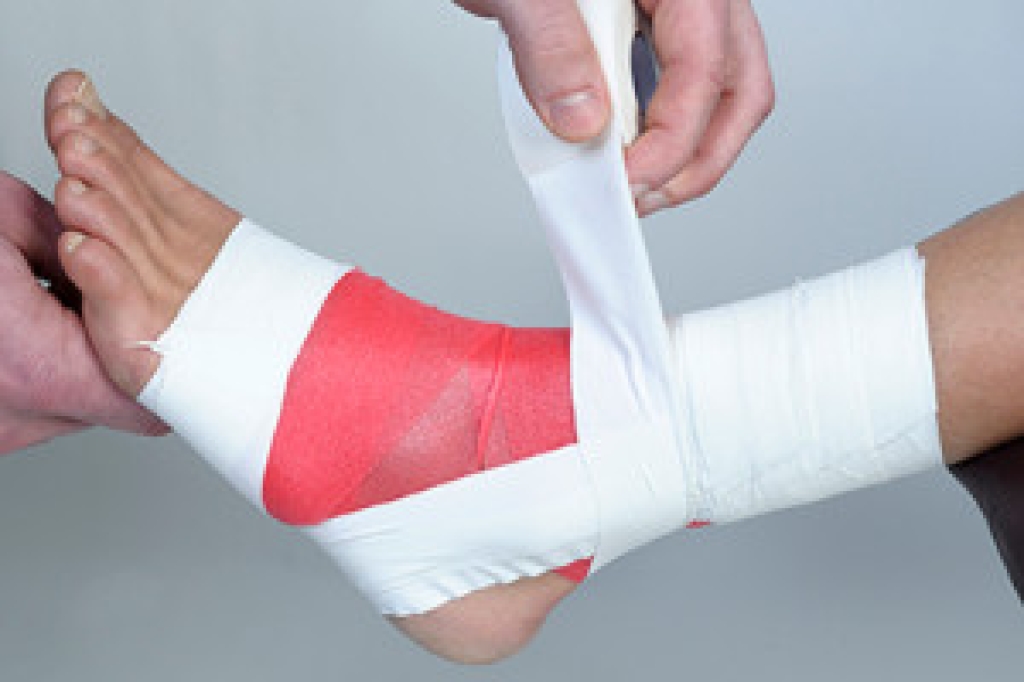
Read more about Dealing with Stress Fractures of the Foot and Ankle

Heel Pain Can Be Treated!

Do you suffer from heel pain when you get up in the morning? If so, you should seek professional help and have a proper diagnosis performed. Heel pain can be caused by several different foot-related conditions.

Leonard Fournette Suffers Foot Injury

Running back Leonard Fournette of the Jacksonville Jaguars has recently been suffering from a foot-related injury. Although the specifics of the injury have not been revealed, the team has announced that they plan to be careful with him. Fournette is no stranger to injuries; he battled with them throughout his last season with the LSU Tigers. As a result, he had to miss five games. While it is unfortunate that the Jaguars’ first round pick has to deal with these health issues, they have enough depth at the running back position to sustain themselves in his absence.

Sports related foot and ankle injuries require proper treatment before players can go back to their regular routines. For more information, contact one of our podiatrists of Pennsylvania Foot & Ankle. Our doctors can provide the care you need to keep you pain-free and on your feet.

Sports Related Foot and Ankle Injuries

Foot and ankle injuries are a common occurrence when it comes to athletes of any sport. While many athletes dismiss the initial aches and pains, the truth is that ignoring potential foot and ankle injuries can lead to serious problems. As athletes continue to place pressure and strain the area further, a mild injury can turn into something as serious as a rupture and may lead to a permanent disability. There are many factors that contribute to sports related foot and ankle injuries, which include failure to warm up properly, not providing support or wearing bad footwear. Common injuries and conditions athletes face, including:

  • Plantar Fasciitis
  • Achilles Tendinitis
  • Achilles Tendon Rupture
  • Ankle Sprains

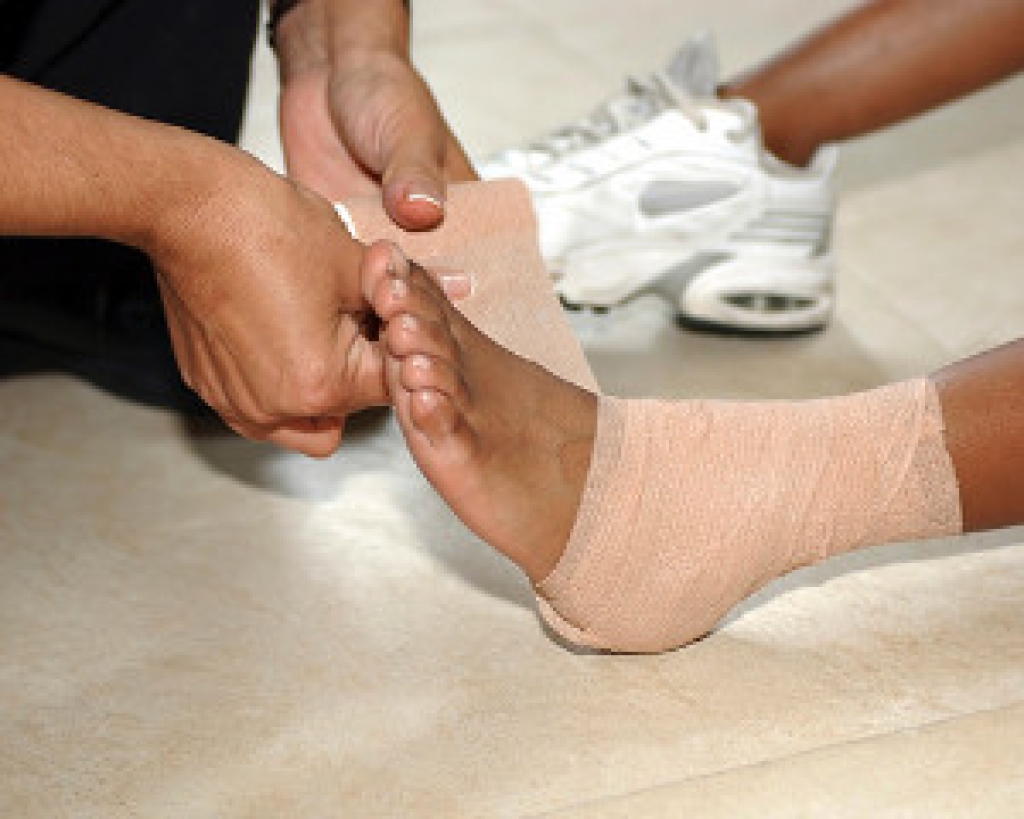
Sports related injuries are commonly treated using the RICE method. This includes rest, applying ice to the injured area, compression and elevating the ankle. More serious sprains and injuries may require surgery, which could include arthroscopic and reconstructive surgery. Rehabilitation and therapy may also be required in order to get any recovering athlete to become fully functional again. Any unusual aches and pains an athlete sustains must be evaluated by a licensed, reputable medical professional.

If you have any questions please contact one of our offices located in Bensalem, Philadelphia, Northeast Philadelphia, Yardley, PA, and Hamilton, NJ . We offer the newest diagnostic and treatment technologies for all your foot and ankle needs.
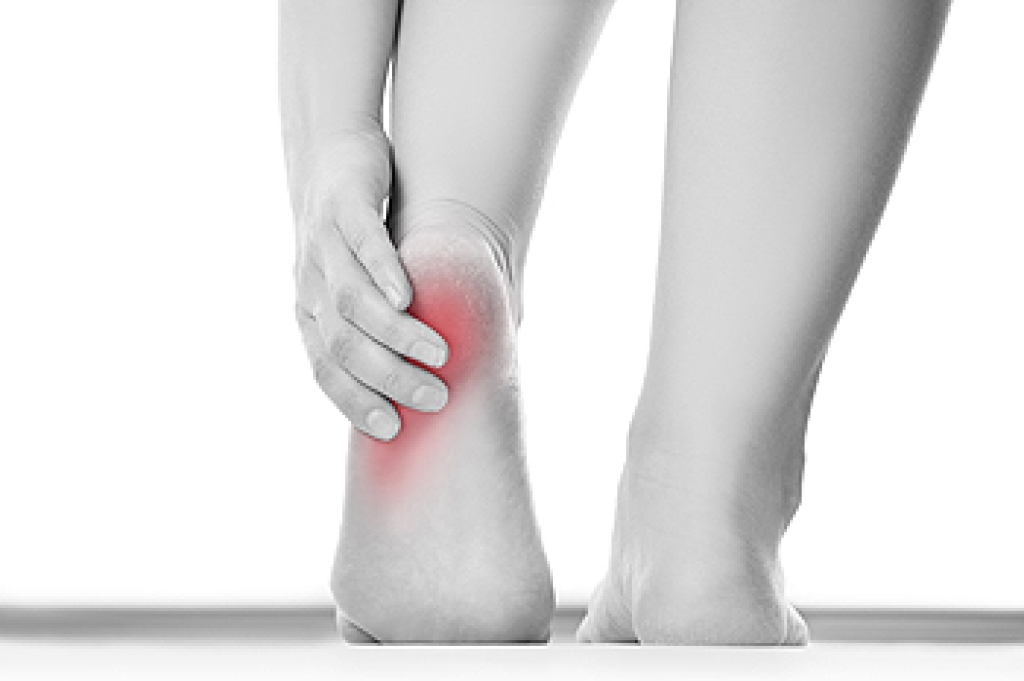
Read more about Sports Related Foot And Ankle Injuries

How to Help Prevent Plantar Fasciitis

Do your heels hurt after the end of the day? You may be suffering from plantar fasciitis, heel pain that is caused by stress on the tissues in the heel. If so, you are not alone. Plenty of people report that they suffer from heel pain on a daily basis. Many times this is caused by improper footwear that offers little-to-no support. Most podiatrists recommend good quality footwear with custom made arch support to help relieve plantar fasciitis. It is important though to see a podiatrist who can check if you are suffering from plantar fasciitis. They can then offer personalized advice and treatment for your heel pain.

Plantar fasciitis can be very painful and inconvenient. If you are experiencing heel pain or symptoms of plantar fasciitis, contact one of our podiatrists  from Pennsylvania Foot & Ankle. Our doctors can provide the care you need to keep you pain-free and on your feet.

What Is Plantar Fasciitis?

Plantar fasciitis is the inflammation of the thick band of tissue that runs along the bottom of your foot, known as the plantar fascia, and causes mild to severe heel pain.

What Causes Plantar Fasciitis?

  • Excessive running
  • Non-supportive shoes
  • Overpronation
  • Repeated stretching and tearing of the plantar fascia

How Can It Be Treated?

  • Conservative measures – anti-inflammatories, ice packs, stretching exercises, physical therapy, orthotic devices
  • Shockwave therapy – sound waves are sent to the affected area to facilitate healing and are usually used for chronic cases of plantar fasciitis
  • Surgery – usually only used as a last resort when all else fails. The plantar fascia can be surgically detached from the heel

While very treatable, plantar fasciitis is definitely not something that should be ignored. Especially in severe cases, speaking to your doctor right away is highly recommended to avoid complications and severe heel pain. Your podiatrist can work with you to provide the appropriate treatment options tailored to your condition.

If you have any questions, please feel free to contact one of our offices located in Bensalem, Philadelphia, Northeast Philadelphia, Yardley, PA, and Hamilton, NJ . We offer the newest diagnostic and treatment technologies for all your foot care needs.

Read more about Plantar Fasciitis

Reminder: When Was the Last Time...?

Custom orthotics, or shoe inserts, should be periodically replaced. Orthotics must fit properly to give you the best results. Protect your feet and ankles!

How to Prevent Ingrown Toenails

Ingrown toenails are a common occurrence, and they happen as a result of the toenail growing into the skin that surrounds it. It is more common for the big toe to suffer from ingrown toenails more than any other toe on the foot. If you are looking to avoid getting an ingrown toenail, try to cut straight across instead of in a rounded or angled shape. Cutting your nails in an angled shape may allow for the nail to puncture the skin, which may lead to an ingrown toenail. Other causes of ingrown toenails include shoes that are too narrow, sweaty feet, or socks that fit too tightly. Genetics may also be a factor in one’s ability to develop an ingrown toenail.

Ingrown toenails can become painful if they are not treated properly. For more information about ingrown toenails, contact one of our podiatrists of Pennsylvania Foot & Ankle. Our doctors can provide the care you need to keep you pain-free and on your feet.

Ingrown Toenails

Ingrown toenails occur when a toenail grows sideways into the bed of the nail, causing pain, swelling, and possibly infection.

Causes

  • Bacterial infections
  • Improper nail cutting such as cutting it too short or not straight across
  • Trauma to the toe, such as stubbing, which causes the nail to grow back irregularly
  • Ill-fitting shoes that bunch the toes too close together
  • Genetic predisposition

Prevention

Wearing proper fitting shoes and using proper cutting techniques will also help decrease your risk of developing ingrown toenails.

Treatment

Ingrown toenails are a very treatable foot condition. In minor cases, soaking the affected area in salt or antibacterial soaps will not only help with the ingrown nail itself, but also help prevent any infections from occurring. In more severe cases, surgery is an option. In either case, speaking to your podiatrist about this condition will help you get a better understanding of specific treatment options that are right for you.

If you have any questions, please feel free to contact one of our offices located in Bensalem, Philadelphia, Northeast Philadelphia, Yardley, PA, and Hamilton, NJ . We offer the newest diagnostic and treatment technologies for all your foot care needs.

Read more about Ingrown Toenail Care

The Link Between Shock Absorption and Running Injuries

A professor from Aix-Marseille University in France recently conducted a study in which she analyzed the mechanics of barefoot runners and runners who wore shoes. The results showed that barefoot runners were able to produce four times the amount of shock energy in their feet compared to those who ran in shoes. The significance behind this study helped researchers understand the effects of shock absorption in terms of preventing running injury. In regards to the study,  University of Nevada professor John Mercer explains, “If you have too many impacts and the bone does not have a chance to recover, that can lead to a stress fracture or some other issue.”

If you have any concerns about your feet, contact one of our podiatrists from Pennsylvania Foot & Ankle. Our doctors can provide the care you need to keep you pain-free and on your feet.

Biomechanics in Podiatry

Podiatric biomechanics is a particular sector of specialty podiatry with licensed practitioners who are trained to diagnose and treat conditions affecting the foot, ankle and lower leg. Biomechanics deals with the forces that act against the body, causing an interference with the biological structures. It focuses on the movement of the ankle, the foot and the forces that interact with them.

A History of Biomechanics

  • Biomechanics dates back to the BC era in Egypt where evidence of professional foot care has been recorded.
  • In 1974, biomechanics gained a higher profile from the studies of Merton Root, who claimed that by changing or controlling the forces between the ankle and the foot, corrections or conditions could be implemented to gain strength and coordination in the area.

Modern technological improvements are based on past theories and therapeutic processes that provide a better understanding of podiatric concepts for biomechanics. Computers can provide accurate information about the forces and patterns of the feet and lower legs.

Understanding biomechanics of the feet can help improve and eliminate pain, stopping further stress to the foot.

If you have any questions please feel free to contact one of our offices located in Bensalem, Philadelphia, Northeast Philadelphia, Yardley, PA, and Hamilton, NJ . We offer the newest diagnostic and treatment technologies for all your foot and ankle needs.

Read more about The Importance of Biomechanics in Podiatry

Raphael Guerreiro in Recovery from Foot Surgery

Raphael Guerreiro, defender for Borussia Dortmund, is expected to be sidelined for four months after undergoing foot surgery. Guerreiro suffered the injury while playing the Confederations Cup against the Russian team. At first, it was believed that Guerreiro had only suffered a bruised foot, but they later learned that this was not the case. The defender scored 9 goals in 35 games last season with Borussia, but unfortunately will not be able to return to his team until around November due to the surgery.

Foot surgery is sometimes necessary to treat a foot ailment. To learn more, contact one of our podiatrists of Pennsylvania Foot & Ankle. Our doctors will assist you with all of your foot and ankle needs.

When Is Surgery Necessary?

Foot and ankle surgery is generally reserved for cases in which less invasive, conservative procedures have failed to alleviate the problem. Some of the cases in which surgery may be necessary include:

  • Removing foot deformities like bunions and bone spurs
  • Severe arthritis that has caused bone issues
  • Cosmetic reconstruction

What Types of Surgery Are There?

The type of surgery you receive will depend on the nature of the problem you have. Some of the possible surgeries include:

  • Bunionectomy for painful bunions
  • Surgical fusion for realignment of bones
  • Neuropathy decompression surgery to treat nerve damage

Benefits of Surgery

Although surgery is usually a last resort, it can provide more complete pain relief compared to non-surgical methods and may allow you to finally resume full activity.

Surgical techniques have also become increasingly sophisticated. Techniques like endoscopic surgery allow for smaller incisions and faster recovery times.

If you have any questions, please feel free to contact one of our offices located in Bensalem, Philadelphia, Northeast Philadelphia, Yardley, PA, and Hamilton, NJ . We offer the newest diagnostic and treatment technologies for all your foot care needs.

Read more about Foot Surgery

Ronald Matarrita Fractures Metatarsal

Ronald Matarrita of the NYCFC has recently made his return after suffering from a sprained ankle. Unfortunately, the fullback fractured his fifth metatarsal, an injury that will require a recovery time of 3 to 4 months. If he is able to follow through with that timeline, Matarrita is expected to return only to play the final weeks of the season. NYCFC has shown that they are capable of winning without the fullback, and they have experienced success with his replacement, Ben Sweat. The team just finished a game against Minnesota, which they won by a score of 3-1.

Sports related foot and ankle injuries require proper treatment before players can go back to their regular routines. For more information, contact one of our podiatrists of Pennsylvania Foot & Ankle. Our doctors can provide the care you need to keep you pain-free and on your feet.

Sports Related Foot and Ankle Injuries

Foot and ankle injuries are a common occurrence when it comes to athletes of any sport. While many athletes dismiss the initial aches and pains, the truth is that ignoring potential foot and ankle injuries can lead to serious problems. As athletes continue to place pressure and strain the area further, a mild injury can turn into something as serious as a rupture and may lead to a permanent disability. There are many factors that contribute to sports related foot and ankle injuries, which include failure to warm up properly, not providing support or wearing bad footwear. Common injuries and conditions athletes face, including:

  • Plantar Fasciitis
  • Achilles Tendinitis
  • Achilles Tendon Rupture
  • Ankle Sprains

Sports related injuries are commonly treated using the RICE method. This includes rest, applying ice to the injured area, compression and elevating the ankle. More serious sprains and injuries may require surgery, which could include arthroscopic and reconstructive surgery. Rehabilitation and therapy may also be required in order to get any recovering athlete to become fully functional again. Any unusual aches and pains an athlete sustains must be evaluated by a licensed, reputable medical professional.

If you have any questions please contact one of our offices located in Bensalem, Philadelphia, Northeast Philadelphia, Yardley, PA, and Hamilton, NJ . We offer the newest diagnostic and treatment technologies for all your foot and ankle needs.
Read more about Sports Related Foot And Ankle Injuries

Dealing with Corns and Calluses

Corns and calluses are the result of an excess amount of friction being placed on the foot. A person who has a corn or callus will notice a patch of thickened skin on the outside of their toe. The best way to prevent corn development is to wear shoes that fit properly and do not put pressure on the skin. If you have corns, it is best to seek treatment as soon as possible before it progresses and becomes more painful. Some at home remedies for a mild case of corns include soaking the feet in warm water and using a pumice stone to get rid of calloused skin. However, if you have a more serious case of corns or calluses, a podiatrist’s assistance may be necessary.

If you have any concerns regarding your feet and ankles, contact one of our podiatrists of Pennsylvania Foot & Ankle. Our doctors will treat your foot and ankle needs.

Corns: What Are They? and How Do You Get Rid of Them?
Corns can be described as areas of the skin that have thickened to the point of becoming painful or irritating. They are often layers and layers of the skin that have become dry and rough, and are normally smaller than calluses.

Ways to Prevent Corns
There are many ways to get rid of painful corns such as wearing:

  • Well-fitting socks
  • Comfortable shoes that are not tight around your foot
  • Shoes that offer support

Treating Corns
Treatment of corns involves removing the dead skin that has built up in the specific area of the foot. Consult with Our doctors to determine the best treatment option for your case of corns.

If you have any questions, please feel free to contact one of our offices located in Bensalem, Philadelphia, Northeast Philadelphia, Yardley, PA, and Hamilton, NJ . We offer the newest diagnostic and treatment technologies for all your foot care needs.

Read more about Corns: What Are They, and How Do You Get Rid of Them

Connect With Us