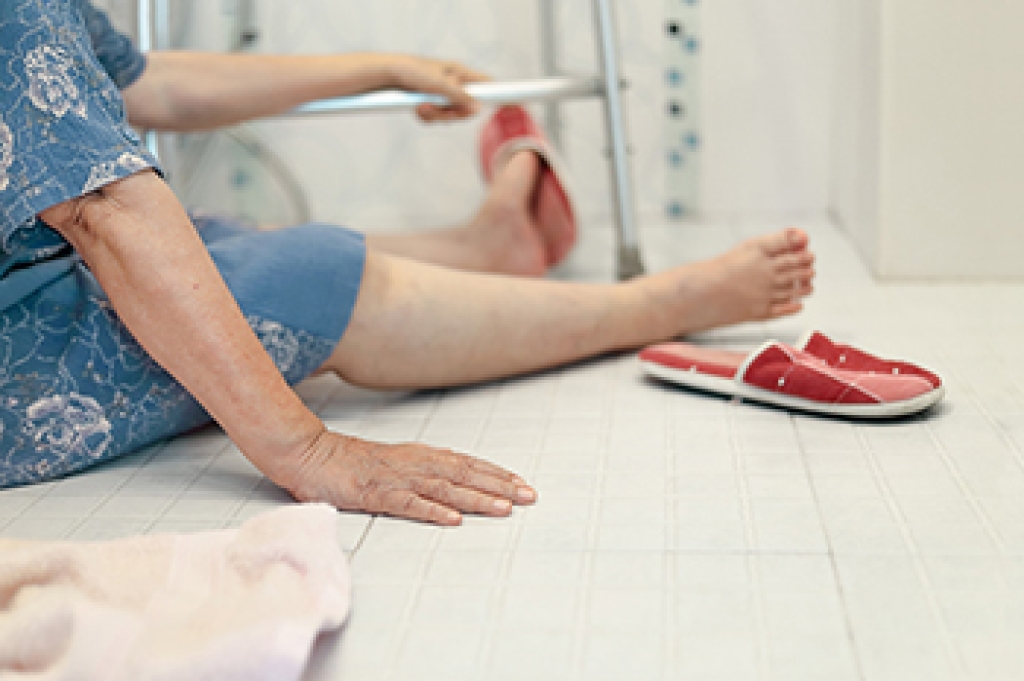
Preventing Falls in the Grocery Store

When a senior grows older, it is common for the strength in their feet to be diminished. As a result, they might be likely to fall due to this diminished strength, which might, in turn, further injure the feet. The grocery store is one such place in which a senior might be particularly susceptible to suffering a fall. For example, there might be fluids on the floor that could prove to be especially slippery. Also, it is possible that items and products might have fallen from the shelves, creating tripping hazards for seniors. It can be important to do all you can to prevent falling in the grocery store to protect your feet from injury. One important way to do this is to improve mobility and strength in the feet. If you are a senior, you might contact a podiatrist today for more information on how you can prevent falls and to receive treatment for any foot condition you might have. 

Preventing falls among the elderly is very important. If you are older and have fallen or fear that you are prone to falling, consult with one of our podiatrists from Pennsylvania Foot & Ankle. Our doctors will assess your condition and provide you with quality advice and care.

Every 11 seconds, an elderly American is being treated in an emergency room for a fall related injury. Falls are the leading cause of head and hip injuries for those 65 and older. Due to decreases in strength, balance, senses, and lack of awareness, elderly persons are very susceptible to falling. Thankfully, there are a number of things older persons can do to prevent falls.

How to Prevent Falls

Some effective methods that older persons can do to prevent falls include:

  • Enrolling in strength and balance exercise program to increase balance and strength
  • Periodically having your sight and hearing checked
  • Discuss any medications you have with a doctor to see if it increases the risk of falling
  • Clearing the house of falling hazards and installing devices like grab bars and railings
  • Utilizing a walker or cane
  • Wearing shoes that provide good support and cushioning
  • Talking to family members about falling and increasing awareness

Falling can be a traumatic and embarrassing experience for elderly persons; this can make them less willing to leave the house, and less willing to talk to someone about their fears of falling. Doing such things, however, will increase the likelihood of tripping or losing one’s balance. Knowing the causes of falling and how to prevent them is the best way to mitigate the risk of serious injury.  

If you have any questions, please feel free to contact one of our offices located in Bensalem, Philadelphia, Northeast Philadelphia, Yardley, PA, and Hamilton, NJ . We offer the newest diagnostic and treatment technologies for all your foot care needs.
Read more about Falls Prevention

Children’s Socks

Many children might resist their parent’s efforts to make them wear socks. Some children might find socks annoying or even uncomfortable. However, it is important for children to wear socks for a variety of reasons. Most importantly, when a child wears socks with their shoes, they are essentially protecting their feet from developing blisters. Wearing socks with shoes can also help protect a child’s feet from encountering bacteria. In turn, this might make the development of infections less likely. Lastly, wearing socks around the house can prevent your child’s feet from getting cold. Socks for children come in many different types. Some socks for children are even made with rubber “grippers.” This feature is essentially meant to help the child feel more stable and less wobbly when walking. It is suggested that you contact a podiatrist today for more information about children’s socks.

Making sure that your children maintain good foot health is very important as they grow. If you have any questions, contact one of our podiatrists of Pennsylvania Foot & Ankle. Our doctors can provide the care you need to keep you pain-free and on your feet.

Keeping Children's Feet Healthy

Having healthy feet during childhood can help prevent medical problems later in life, namely in the back and legs. As children grow, their feet require different types of care. Here are some things to consider...

Although babies do not walk yet, it is still very important to take care of their feet.

Avoid putting tight shoes or socks on his or her feet.

Allow the baby to stretch and kick his or her feet to feel comfortable.

As a toddler, kids are now on the move and begin to develop differently. At this age, toddlers are getting a feel for walking, so don’t be alarmed if your toddler is unsteady or ‘walks funny’. 

As your child gets older, it is important to teach them how to take care of their feet.

Show them proper hygiene to prevent infections such as fungus.

Be watchful for any pain or injury.

Have all injuries checked by a doctor as soon as possible.

Comfortable, protective shoes should always be worn, especially at play.

If you have any questions, please feel free to contact one of our offices located in Bensalem, Philadelphia, Northeast Philadelphia, Yardley, PA, and Hamilton, NJ . We offer the newest diagnostic and treatment technologies for all your foot care needs.
Read more about What to Do to Keep Your Child’s Feet Healthy

The Best Time of Day to Purchase Shoes

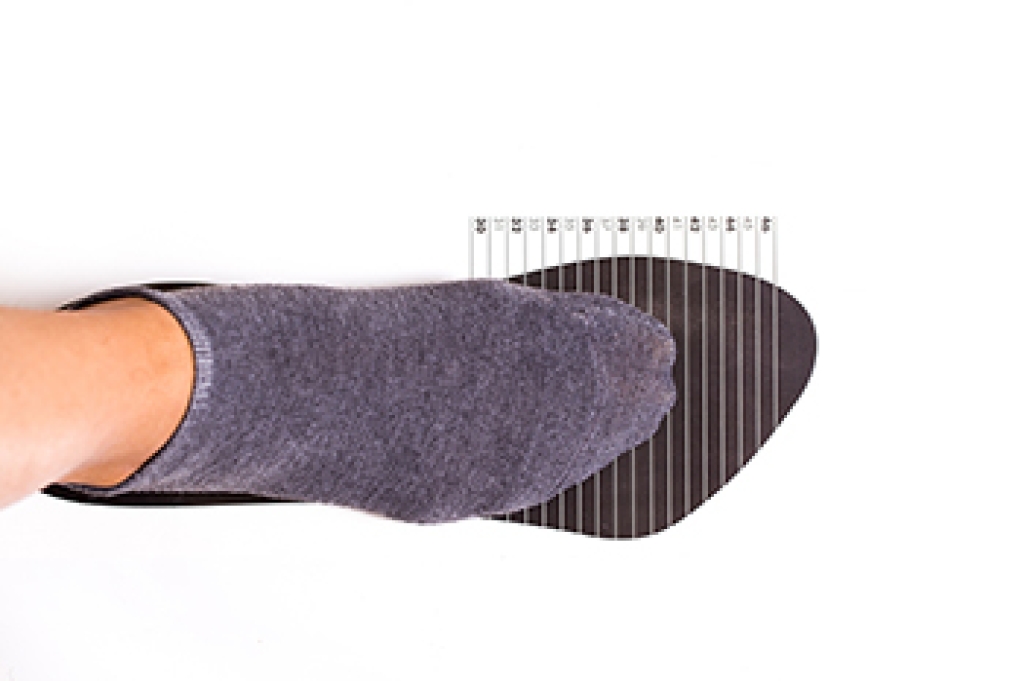
Wearing the right shoe size may help to prevent injury. Shoes that fit properly will have adequate cushioning that can support the feet, and most importantly, they are comfortable. It is beneficial to try on and purchase shoes later in the day when the feet are at their largest. This can begin by properly measuring the feet, which can be done by tracing each foot on paper, or by using a Brannock device. The majority of shoe stores have this type of measuring tool, and using it is generally a quick and successful way to determine your correct shoe size. It is beneficial to wear socks that will be worn with the shoes, and walking in them prior to buying them is a good way to determine if they fit correctly. Patients who have foot pain may need to change shoes often, and it is advised that you consult with a podiatrist who can guide you toward wearing shoes that are right for you.

Getting the right shoe size is an important part of proper foot health. Seek the assistance of one of our podiatrists from Pennsylvania Foot & Ankle. Our doctors will provide the care you need to keep you pain-free and on your feet.

Getting the Right Shoe Size

There are many people who wear shoes that are the incorrect size, negatively affecting their feet and posture. Selecting the right shoes is not a difficult process, so long as you keep several things in mind when it comes to choosing the right pair.

  • When visiting the shoe store, use the tools available to measure your foot.
  • Be sure there is ‘wiggle room’. There should be about an inch between your toes and the tip of your shoes.
  • Do not always assume you are the same size, as manufacturers run differently.
  • Purchase shoes later in the day, as your feet swell as the day progresses.
  • If a shoe is not comfortable, it is not suitable. Most shoes can’t be ‘broken in’, and comfort should be the ultimate goal when it comes to choosing the right pair of shoes

As our feet hold our body weight and keep us moving, it is important to treat them right. Picking the right pair of shoes can provide your feet comfort and mobility without pain.

If you have any questions, please feel free to contact one of our offices located in Bensalem, Philadelphia, Northeast Philadelphia, Yardley, PA, and Hamilton, NJ . We offer the newest diagnostic and treatment technologies for all your foot care needs.
Read more about Getting the Right Shoe Size: To Keep Your Feet Happy

Do Your Child's Feet Hurt?

Have your child's feet been examined lately? Healthy feet are happy feet. If your child is complaining of foot pain, it may be a sign of underlying problems.

Reasons You May Need to See a Foot Doctor

Taking care of your feet is a lifelong responsibility, as they get you where you need to go. Sometimes, a foot problem or other condition that affects the feet calls for more attention than a normal foot care regime can provide. In such cases, it is a good idea to consult a podiatrist, who is a doctor trained in the care and problems of the feet, toes, and ankles. A podiatrist can diagnose and treat a variety of foot-related problems, especially if you are experiencing pain. Problems commonly treated by podiatrists include ingrown toenails, sprained ankles, corns or calluses, and bunions. Foot or toe infections, such as athlete’s foot or fungal toenail infections, are also treated by podiatrists. Blisters and sores that do not heal properly, numbness in feet and toes, and unexplained swelling in the feet and ankles can be treated by podiatrists. Cracked heels or heel fissures, bruising, or discoloration of the toes or feet are other reasons to visit a podiatrist. People with underlying conditions, including diabetes and peripheral artery disease, may wish to schedule regular appointments with a podiatrist, as these diseases often affect the health of your feet. For more information, consult a podiatrist today.

If you are experiencing pain in the feet or ankles, don’t join the stubborn majority refusing treatment. Feel free to contact one of our podiatrists from Pennsylvania Foot & Ankle. Our doctors can provide the care you need to keep you pain-free and on your feet.

What Is a Podiatrist?

Someone would seek the care of a podiatrist if they have suffered a foot injury or have common foot ailments such as heal spurs, bunions, arch problems, deformities, ingrown toenails, corns, foot and ankle problems, etc.

Podiatric Treatment

A podiatrist will treat the problematic areas of the feet, ankle or lower leg by prescribing the following:

  • Physical therapy
  • Drugs
  • Orthotic inserts or soles
  • Surgery on lower extremity fractures

A common podiatric procedure a podiatrist will use is a scanner or force plate which will allow the podiatrist to know the designs of orthotics. Patients are then told to follow a series of tasks to complete the treatment. The computer will scan the foot a see which areas show weight distribution and pressure points. The podiatrist will read the analysis and then determine which treatment plans are available.

If you have any questions, please feel free to contact one of our offices located in Bensalem, Philadelphia, Northeast Philadelphia, Yardley, PA, and Hamilton, NJ . We offer the newest diagnostic and treatment technologies for all your foot care needs.

Read more about What is a Podiatrist?

Connect With Us