The Differences Between Men’s and Women’s Running Shoes

In the past, athletic companies have struggled to come up with ways to cater to both men and women while developing running shoes. With women making up such a large percentage of the running population (53% of 5k races in 2016), these companies are realizing they need to make sneakers specifically for women. Studies have shown that women tend to have smaller heels in comparison to men, which causes them each to have a different foot shape. Men and women also have different Q-angles between their quad muscles and kneecaps, which causes women have larger hips. Pronation occurs as a result, which requires a different type of cushioning for women's shoes compared to men’s.

If you are a runner, wearing the right running shoe is essential. For more information, contact one of our podiatrists from Pennsylvania Foot & Ankle. Our doctors can provide the care you need to keep you pain-free and on your feet.

Choosing the Right Running Shoe for Your Foot Type

To increase performance and avoid the risk of injury, it is important to choose the right running shoe based on your foot type. The general design of running shoes revolves around pronation, which is how the ankle rolls from outside to inside when the foot strikes the ground.

  • Neutral runners are able to choose from a wide variety of shoes, including minimalist shoes or even going barefoot.
  • Runners who overpronate, or experience an over-abundance of ankle rolling, should choose shoes that provide extra motion control and stability.
  • Runners who underpronate, or supinate, have feet that have high arches and lack flexibility, preventing shock absorption. They require shoes with more flexibility and cushion.

If you have any questions, please feel free to contact one of our offices located in Bensalem, Philadelphia, Northeast Philadelphia, Yardley, PA, and Hamilton, NJ . We offer the newest diagnostic and treatment technologies for all your foot care needs.
Read more about Choosing the Right Running Shoe for Your Foot Type

What is Gout?

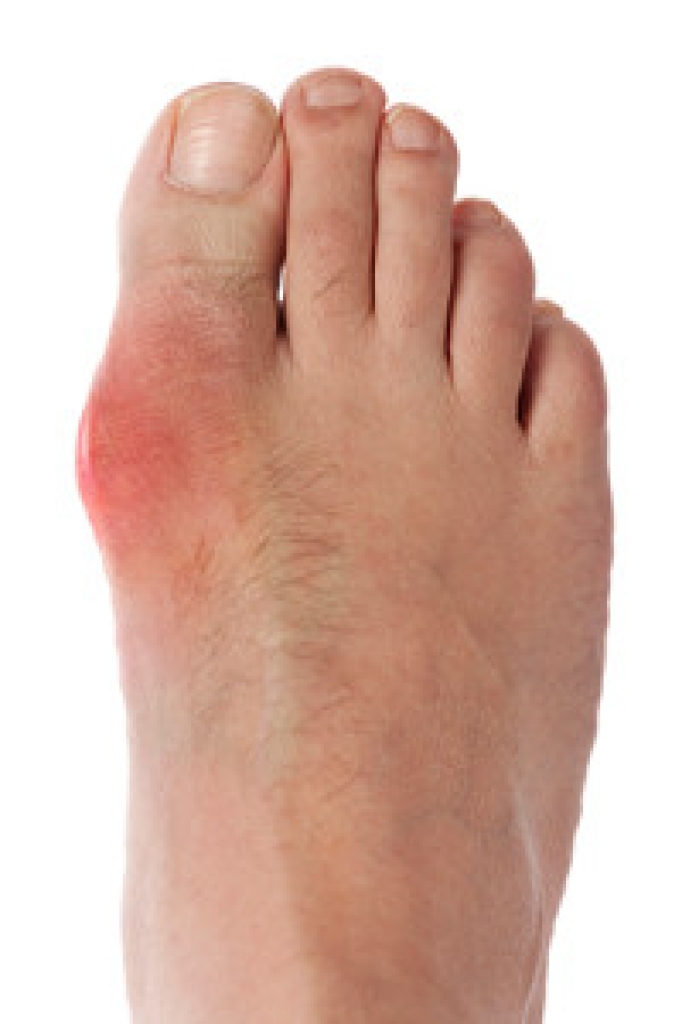
Gout is one of the most commonly recorded medical conditions throughout the world’s history. This condition is caused by a buildup of uric acid in the joints. Uric acid comes from purines, which are found in meat products. The body can’t always get rid of all the uric acid, and this results in the formation of crystals which accumulate in the joints. Gout usually occurs near the big toe, and its symptoms include pain, swelling, tenderness, and reddish discoloration. Unfortunately, the pain associated with gout could last for days. You are more likely to have gout if you have high blood pressure, a heavy alcohol intake, or if you take diuretics.  Be sure to watch your diet, and consult with a meddical professional.

Gout is a foot condition that requires certain treatment and care. If you are seeking treatment, contact one of our podiatrists from Pennsylvania Foot & Ankle. Our doctors will treat your foot and ankle needs.

What Is Gout?

Gout is a type of arthritis caused by a buildup of uric acid in the bloodstream. It often develops in the foot, especially the big toe area, although it can manifest in other parts of the body as well. Gout can make walking and standing very painful and is especially common in diabetics and the obese.

People typically get gout because of a poor diet. Genetic predisposition is also a factor. The children of parents who have had gout frequently have a chance of developing it themselves.

Gout can easily be identified by redness and inflammation of the big toe and the surrounding areas of the foot. Other symptoms include extreme fatigue, joint pain, and running high fevers. Sometimes corticosteroid drugs can be prescribed to treat gout, but the best way to combat this disease is to get more exercise and eat a better diet.

If you have any questions, please feel free to contact one of our offices located in Bensalem, Philadelphia, Northeast Philadelphia, Yardley, PA, and Hamilton, NJ . We offer the newest diagnostic and treatment technologies for all your foot care needs.
Read more about Everything You Need to Know About Gout

Finding the Perfect Shoe for You

It is crucial for people of all ages to have properly fitting shoes. You should always try on shoes while in the shoestore in order to make sure you are getting the right fit. A new pair of shoes should never pinch your feet, and there should be at least one finger length of space at the top of the shoe. Additionally, your heel should have a firm positioning inside of the shoe. It is advised that the shoe buyer takes a walk around in the store for several minutes before making a purchase, in order to know if the shoes fit properly.

Finding a properly-fitting shoe is important in reducing injuries and preventing foot problems. For more information about treatment, contact one of our podiatrists from Pennsylvania Foot & Ankle. Our doctors will treat your foot and ankle needs.

Proper Shoe Fitting

A common concern when it comes to foot health, having properly fitted shoes can help prevent injuries to the foot. Out feet affect our posture and gait, which in turn affects the biomechanics and overall bodily structure. With 33 joints, 26 bones, and over 100 ligaments, the potential for serious injury is much greater than one realizes. Although the feet cease growth in adulthood, they still change shape as they mature. Here are some factors to consider when it comes to investing in proper fitting shoes:

  • Be sure the shoes fit correctly right away
  • Ensure the ball of your foot fits comfortably in the widest portion of the shoes
  • Even though they may look fashionable, improper fitting shoes can either create adverse conditions or exacerbate existing ones you may already have
  • Walk along a carpeted surface to ensure the shoes comfortably fit during normal activity

Keeping in mind how shoes fit the biomechanics of your body, properly-fitting shoes are vitally important. Fortunately, it is not difficult to acquire footwear that fits correctly. Be sure to wear shoes that support the overall structure of your body. Do your feet a favor and invest in several pairs of well-fitted shoes today.

If you have any questions, please feel free to contact one of our offices located in Bensalem, Philadelphia, Northeast Philadelphia, Yardley, PA, and Hamilton, NJ . We offer the newest diagnostic and treatment technologies for all your foot care needs.
Read more about Proper Shoe Fitting

Why Blood Circulation is Important for Your Feet

The most important function of our blood is to deliver oxygen from our lungs to the farthest parts of our body while removing carbon dioxide and other waste products. Hormones, immune cells, and signalling molecules all travel through the blood in order to support the body's vital processes. Poor blood circulation can occur as we age and is associated with various diseases. Numbness and tingling in the feet are common symptoms of poor blood flow. Coldness in the feet is also a symptom of poor blood flow since the blood is meant to keep the body at a stable, warm temperature. Lastly, foot pain may also be a sign of poor circulation. This may occur after standing or sitting down for a long period of time.  

Poor circulation is a serious condition and needs immediate medical attention. If you have any concerns with poor circulation in your feet contact one of our podiatrists of Pennsylvania Foot & Ankle. Our doctors will treat your foot and ankle needs.

Poor Circulation in the Feet

Poor blood circulation in the feet and legs is can be caused by peripheral artery disease (PAD), which is the result of a buildup of plaque in the arteries.

Plaque buildup or atherosclerosis results from excess calcium and cholesterol in the bloodstream. This can restrict the amount of blood which can flow through the arteries. Poor blood circulation in the feet and legs are sometimes caused by inflammation in the blood vessels, known as vasculitis.

Causes

Lack of oxygen and oxygen from poor blood circulation restricts muscle growth and development. It can also cause:

  • Muscle pain, stiffness, or weakness 
  • Numbness or cramping in the legs
  • Skin discoloration
  • Slower nail & hair growth
  • Erectile dysfunction

Those who have diabetes or smoke are at greatest risk for poor circulation, as are those who are over 50. If you have poor circulation in the feet and legs it may be caused by PAD and is important to make changes to your lifestyle in order to reduce risk of getting a heart attack or stroke. Exercise and maintaining a healthy lifestyle will dramatically improve conditions.

As always, see a podiatrist as he or she will assist in finding a regimen that suits you. A podiatrist can also prescribe you any needed medication. 

If you have any questions, please feel free to contact one of our offices located in Bensalem, Philadelphia, Northeast Philadelphia, Yardley, PA, and Hamilton, NJ . We offer the newest diagnostic and treatment technologies for all your foot care needs.

Read more about Causes, Symptoms, and Treatment of Poor Blood Circulation in the Feet

Managing Blisters

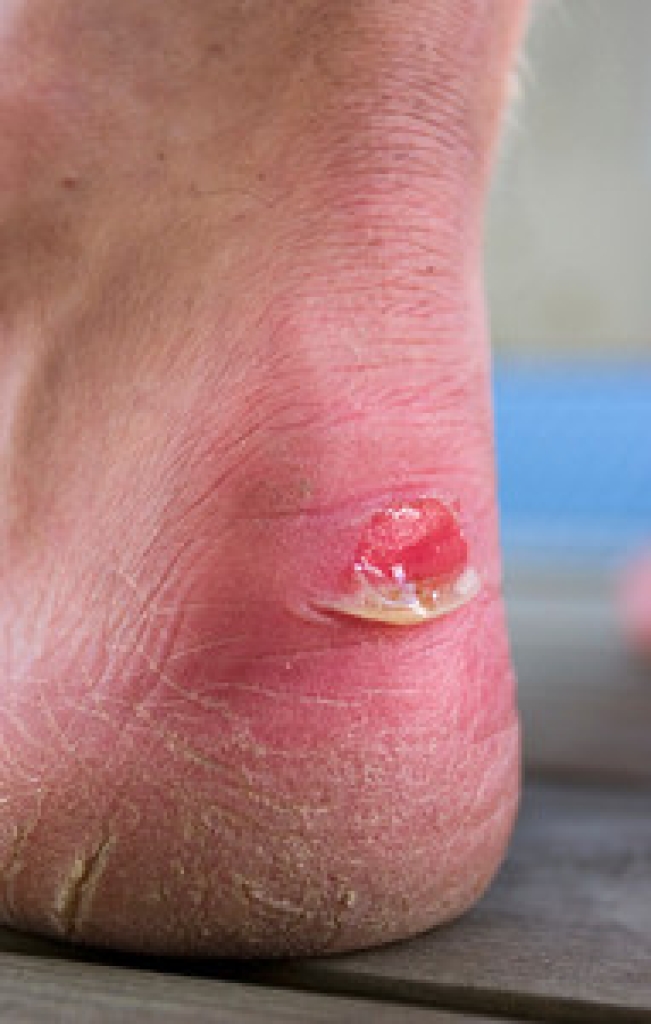
Those who spend a large amount of time putting pressure on their feet are prone to developing blisters, or pockets of fluid between layers of skin which develop due to friction. Minor blisters should not be popped, and instead left alone and covered to provide cushioning and avoid further friction. Prevent the development of blisters by wearing proper-fitting shoes and socks that provide ample comfort and support. Be sure to treat blisters immediately after discovery to avoid pain and disruption of daily activities. If a blister ruptures, immediately disinfect the area and treat it with antibiotic ointment. Consult with a doctor if the pain persists or there is any sign of infection.

Blisters are prone to making everyday activities extremely uncomfortable. If your feet are hurting, contact one of our podiatrists of Pennsylvania Foot & Ankle. Our doctors can provide the care you need to keep you pain-free and on your feet.

Foot Blisters

Foot blisters develop as a result of constantly wearing tight or ill-fitting footwear. This happens due to the constant rubbing from the shoe, which can often lead to pain.

What Are Foot Blisters?

A foot blister is a small fluid-filled pocket that forms on the upper-most layer of the skin. Blisters are filled with clear fluid and can lead to blood drainage or pus if the area becomes infected.

How Do Blisters Form?

Blisters on the feet are often the result of constant friction of skin and material, usually by shoe rubbing. Walking in sandals, boots, or shoes that don’t fit properly for long periods of time can result in a blister. Having consistent foot moisture and humidity can easily lead to blister formation.

Prevention & Treatment

It is important to properly care for the affected area in order to prevent infection and ease the pain. Do not lance the blister and use a Band-Aid to provide pain relief. Also, be sure to keep your feet dry and wear proper fitting shoes. If you see blood or pus in a blister, seek assistance from a podiatrist.

If you have any questions, please feel free to contact one of our offices located in Bensalem, Philadelphia, Northeast Philadelphia, Yardley, PA, and Hamilton, NJ . We offer the newest diagnostic and treatment technologies for all your foot care needs.

Read more about Blisters on the Feet

Connect With Us