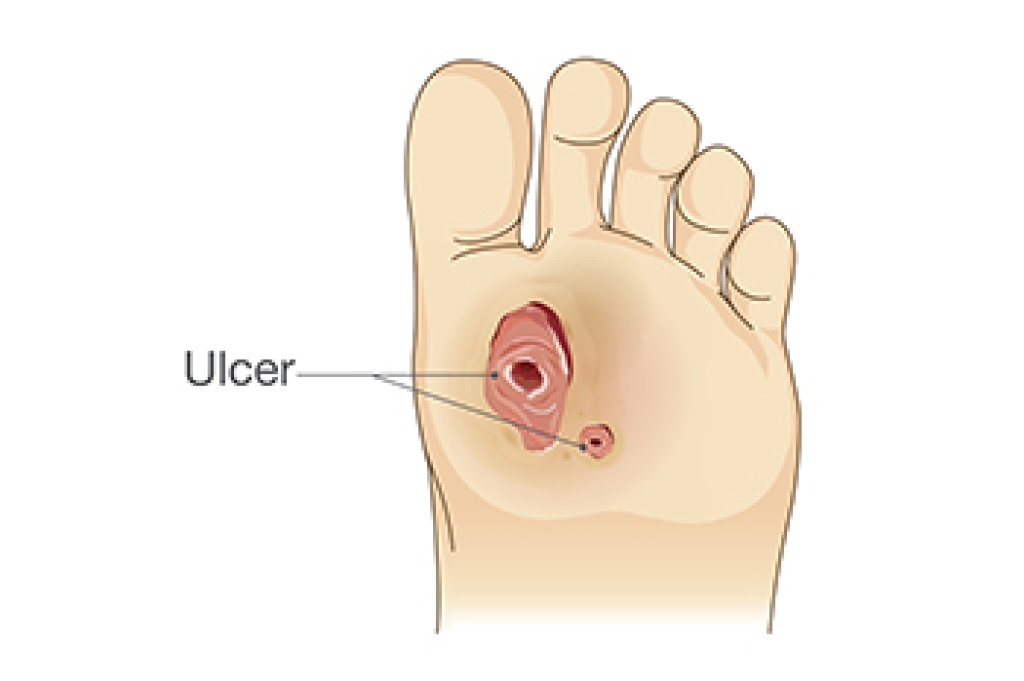
Causes of Foot Ulcers in Diabetic Patients

One of the most concerning complications of diabetes is the development of diabetic foot ulcers. A primary culprit behind diabetic foot ulcers is peripheral neuropathy, a condition where nerve damage impairs the ability to feel sensations in your feet. Without pain awareness, you may not notice the pressure your feet experience during everyday activities. This can lead to developing blisters, lesions, or sores. If these injuries are not attended to, they may evolve into foot ulcers. Another significant factor in the development of diabetic foot ulcers is poor blood flow, which can happen as a result of conditions such as peripheral arterial disease. Inadequate blood supply can hinder proper wound healing, making minor injuries prone to infections. Diabetic foot ulcers are a serious concern, and understanding the causes, in addition to taking preventive measures, can significantly reduce the risk. If you have diabetes, it is strongly suggested that you schedule regular check ups with a podiatrist who can both monitor and treat any foot problems as they arise.

Diabetic foot care is important in preventing foot ailments such as ulcers. If you are suffering from diabetes or have any other concerns about your feet, contact one of our podiatrists from Pennsylvania Foot & Ankle. Our doctors can provide the care you need to keep you pain-free and on your feet.

Diabetic Foot Care

Diabetes affects millions of people every year. The condition can damage blood vessels in many parts of the body, especially the feet. Because of this, taking care of your feet is essential if you have diabetes, and having a podiatrist help monitor your foot health is highly recommended.

The Importance of Caring for Your Feet

  • Routinely inspect your feet for bruises or sores.
  • Wear socks that fit your feet comfortably.
  • Wear comfortable shoes that provide adequate support.

Patients with diabetes should have their doctor monitor their blood levels, as blood sugar levels play such a huge role in diabetic care. Monitoring these levels on a regular basis is highly advised.

It is always best to inform your healthcare professional of any concerns you may have regarding your feet, especially for diabetic patients. Early treatment and routine foot examinations are keys to maintaining proper health, especially because severe complications can arise if proper treatment is not applied.

If you have any questions, please feel free to contact one of our offices located in Bensalem, Philadelphia, Northeast Philadelphia, Yardley, PA, and Hamilton, NJ . We offer the newest diagnostic and treatment technologies for all your foot care needs.

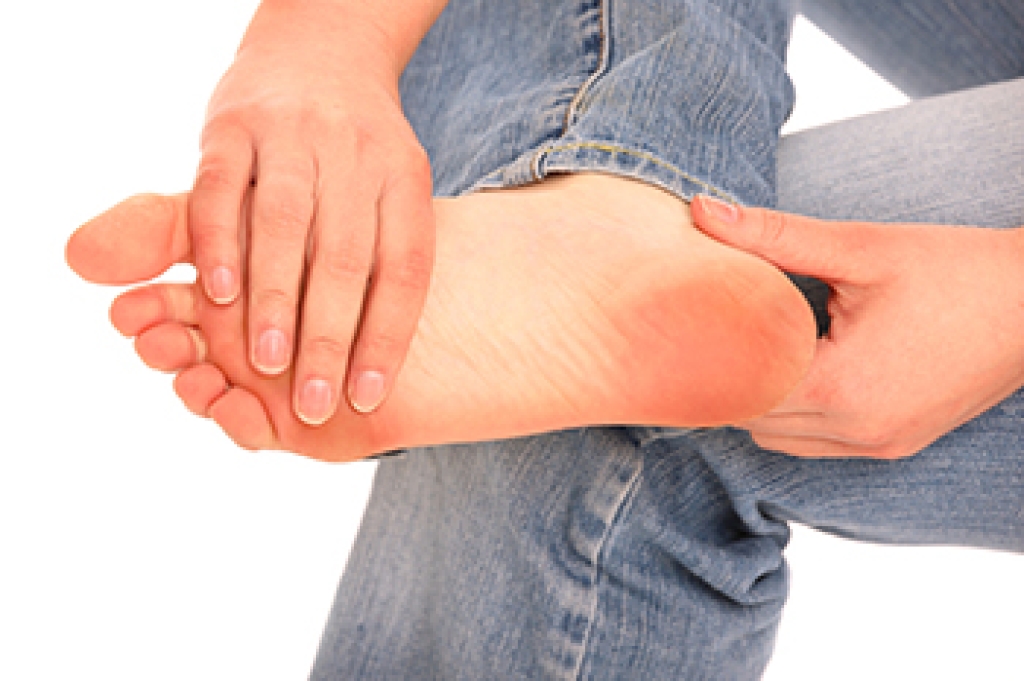
Read more about How to Care for Diabetic Foot

Symptoms of Charcot-Marie-Tooth Disease

Charcot-Marie-Tooth disease is a cluster of inherited genetic disorders that impact the peripheral nervous system. These neuropathies disrupt the intricate network responsible for movement and sensation within the extremities, including the feet. The peripheral nervous system serves as a communication bridge between the brain, spinal cord, and muscles. Charcot-Marie-Tooth disease results in a range of symptoms that interfere with this process and dramatically influence foot health. Gradual muscle wasting in the feet and legs is a hallmark of this disease, causing increasing weakness and reduced control over time. This frequently leads to difficulties in mobility and balance. It also can result in high foot arches, known as pes cavus, and clawed toes. These structural changes can further impede proper foot function and comfort. An altered gait, often high-stepping, and a slapping sound when walking are only some of the common symptoms. Poor balance and a risk of falling are others, caused by weakened muscles and loss of sensation. Although there is no cure, it is possible to manage foot-related challenges and potentially slow down the progression of the disease. For guidance, it is suggested that you make an appointment with a podiatrist.

When dealing with systemic disease of the feet, it is extremely important to check the affected areas routinely so that any additional problems are caught quickly.  If you have any concerns about your feet and ankles contact one of our podiatrists from Pennsylvania Foot & Ankle. Our doctors will assist you with all of your podiatric needs.

Systemic Diseases of the Feet

Systemic diseases affect the whole body, and symptoms usually are displayed in the feet. This condition can make a patient’s ability to walk unbearable.  Systemic diseases include gout, diabetes mellitus, neurological disorders, and arthritis.

Gout – is caused by an excess of uric acid in the body. Common symptoms include pain, inflammation, and redness at the metatarsal/phalangeal joint of the base big toe. Gout can be treated by NSAIDs to relieve pain and inflammation, and other drugs that lower the acid levels in the body.

Diabetes mellitus – is an increase in the level of blood sugar that the body cannot counteract with its own insulin. Failure to produce enough insulin is a factor in Diabetes.

Diabetes of the Feet

Diabetic Neuropathy – may lead to damaged nerves and affect the feet through numbness and loss of sensation.

Peripheral Vascular Disease – can restrict the blood flow to the feet, and often times lead to amputation of the feet. 

If you have any questions please contact one of our offices located in Bensalem, Philadelphia, Northeast Philadelphia, Yardley, PA, and Hamilton, NJ . We offer the newest diagnostic and treatment technologies for all your foot and ankle needs.

Read more about Systemic Diseases of the Foot

Pain in the Ball of the Foot

Feeling pain in the ball of the foot can be a common issue. Sometimes this is caused by wearing shoes that are too narrow or tight and the metatarsals, or long bones in the feet, squish together and compress a nerve between the second and third toes. This affliction can also be due to small joints, bursa, stress fractures in metatarsal bones, sesamoids under the big toe, or issues with the big toe joint. Factors contributing to this pain include weight gain, increased physical activity, certain types of shoes, like high heels, sports that involve jumping or sprinting, and uneven muscle strength or unique foot shapes like high arches. To address such pain, it is essential to identify the underlying causes and reduce excessive pressure on the affected area. This can involve getting new shoes, using orthotics, and doing exercises to strengthen muscles. Early intervention is key to preventing more complications down the road, so it is suggested that if you are feeling pain in the ball of the foot, you make an appointment with a podiatrist for a proper diagnosis and treatment plan.

Foot Pain

Foot pain can be extremely painful and debilitating. If you have a foot pain, consult with one of our podiatrists from Pennsylvania Foot & Ankle. Our doctors will assess your condition and provide you with quality foot and ankle treatment.

Causes

Foot pain is a very broad condition that could be caused by one or more ailments. The most common include:

  • Bunions
  • Hammertoes
  • Plantar Fasciitis
  • Bone Spurs
  • Corns
  • Tarsal Tunnel Syndrome
  • Ingrown Toenails
  • Arthritis (such as Gout, Rheumatoid, and Osteoarthritis)
  • Flat Feet
  • Injury (from stress fractures, broken toe, foot, ankle, Achilles tendon ruptures, and sprains)
  • And more

Diagnosis

To figure out the cause of foot pain, podiatrists utilize several different methods. This can range from simple visual inspections and sensation tests to X-rays and MRI scans. Prior medical history, family medical history, and any recent physical traumatic events will all be taken into consideration for a proper diagnosis.

Treatment

Treatment depends upon the cause of the foot pain. Whether it is resting, staying off the foot, or having surgery; podiatrists have a number of treatment options available for foot pain.

If you have any questions, please feel free to contact one of our offices located in Bensalem, Philadelphia, Northeast Philadelphia, Yardley, PA, and Hamilton, NJ . We offer the newest diagnostic and treatment technologies for all your foot care needs.

Read more about Foot Pain

It's Time for Beautiful Feet

You don't need an excuse to have beautiful nails. Step outside without worrying about the appearance of your feet.

Causes of Morton’s Neuroma

Foot pain can significantly impact one's quality of life, limiting activities like walking, exercising, and even playing with your children. Morton's neuroma is an increasingly common condition that arises from the thickening of nerve tissues in the foot due to extreme compression and irritation. The condition stems from compression of the plantar digital nerves and can lead to permanent damage if not treated promptly. Morton's neuroma most often occurs between the third and fourth toes. Women are more susceptible, possibly due to wearing high-heeled shoes. Improper foot biomechanics, like flat feet or high arches, can also contribute by creating instability around the toe joints. Symptoms of Morton's neuroma include pain, tingling, numbness, and burning sensations, often felt between the toes or in the ball of the foot. Swelling is common, particularly between the toes. Tight, narrow-toed shoes can increase nerve stress and make matters worse. Walking, especially on stairs, can further intensify the pain. Non-surgical interventions include custom orthotic shoe inserts, wearing comfortable shoes with room for the toes, and taking anti-inflammatory medication. Early consultation with a podiatrist is suggested for tailored treatment plans and to avoid surgery. 

Morton’s neuroma is a very uncomfortable condition to live with. If you think you have Morton’s neuroma, contact one of our podiatrists of Pennsylvania Foot & Ankle. Our doctors will attend to all of your foot care needs and answer any of your related questions.  

Morton’s Neuroma

Morton's neuroma is a painful foot condition that commonly affects the areas between the second and third or third and fourth toe, although other areas of the foot are also susceptible. Morton’s neuroma is caused by an inflamed nerve in the foot that is being squeezed and aggravated by surrounding bones.

What Increases the Chances of Having Morton’s Neuroma?

  • Ill-fitting high heels or shoes that add pressure to the toe or foot
  • Jogging, running or any sport that involves constant impact to the foot
  • Flat feet, bunions, and any other foot deformities

Morton’s neuroma is a very treatable condition. Orthotics and shoe inserts can often be used to alleviate the pain on the forefront of the feet. In more severe cases, corticosteroids can also be prescribed. In order to figure out the best treatment for your neuroma, it’s recommended to seek the care of a podiatrist who can diagnose your condition and provide different treatment options.

If you have any questions, please feel free to contact one of our offices located in Bensalem, Philadelphia, Northeast Philadelphia, Yardley, PA, and Hamilton, NJ . We offer the newest diagnostic and treatment technologies for all your foot care needs.
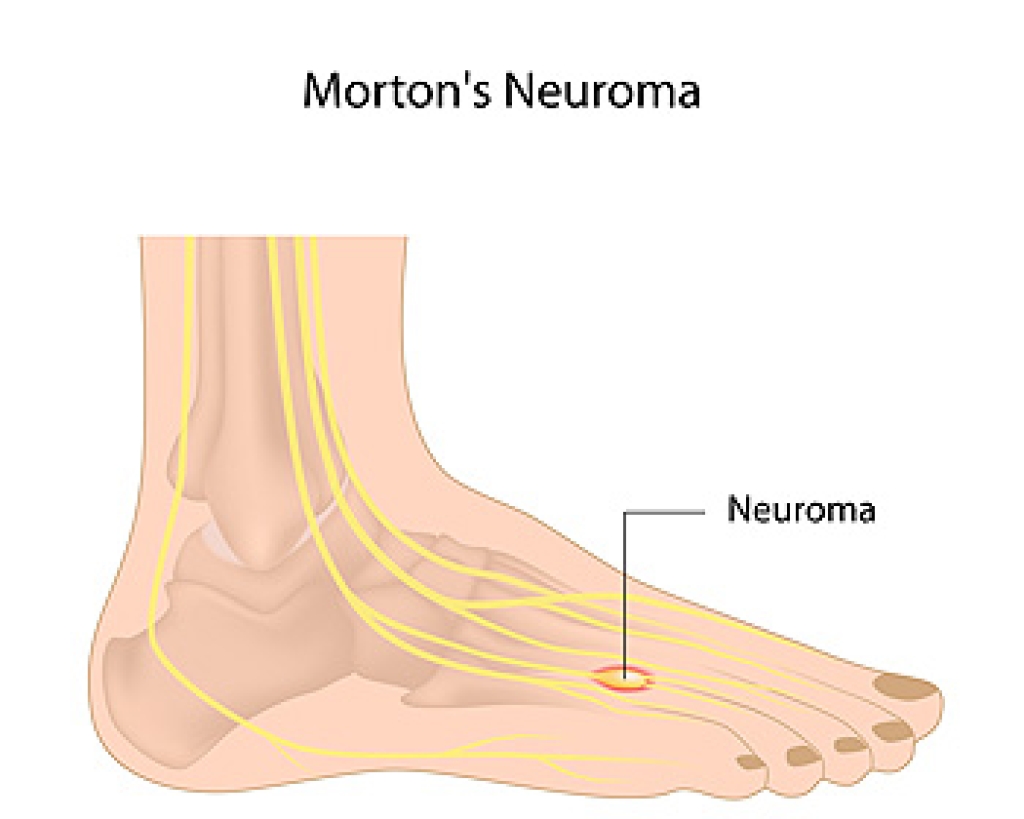
Read more about Morton's Neuroma

Connect With Us