Connect With Us

A sprained ankle occurs when the ligaments that support the ankle joint are torn, or stretched beyond their limits, and is usually the result of an unexpected twist or roll of the foot. Ankle sprains often happen during sports that involve sudden changes in direction, running on uneven ground, wearing high-heels or flip-flops, or stepping awkwardly off a curb. A previous ankle injury can increase the chance of re-spraining due to reduced stability and balance. Symptoms include pain, swelling, bruising, and tenderness surrounding the ankle, depending on the severity. A mild sprain may still allow walking, while a severe sprain can cause sharp pain, instability, and difficulty bearing weight. Sprains are classified as grade 1 with mild stretching, grade 2 with partial tearing, and grade 3 with complete rupture of the ligament. A podiatrist can diagnose the severity of the sprain and provide appropriate treatment. If you believe you have sprained an ankle, it is suggested that you schedule an appointment with a podiatrist for an evaluation and treatment options.
Although ankle sprains are common, they aren’t always minor injuries. If you need your ankle injury looked at, contact one of our podiatrists from Pennsylvania Foot & Ankle. Our doctors can provide the care you need to keep you pain-free and on your feet.
How Does an Ankle Sprain Occur?
Ankle sprains are the result of a tear in the ligaments within the ankle. These injuries may happen when you make a rapid shifting movement while your foot is planted. A less common way to sprain your ankle is when your ankle rolls inward while your foot turns outward.
What Are the Symptoms?
Preventing a Sprain
Treatment of a Sprain
In many cases, the RICE method (Rest, Ice, Compression, and Elevate) is used to treat ankle sprains. However, you should see a podiatrist to see which treatment option would work best with your injury. In severe cases, surgery may be required.
It is important to ask your doctor about rehab options after you receive treatment for your injury. Stretching, strength training, and balance exercises may help the ankle heal while also preventing further injury.
If you have any questions, please feel free to contact one of our offices located in Bensalem, Philadelphia, Northeast Philadelphia, Yardley, PA, and Hamilton, NJ . We offer the newest diagnostic and treatment technologies for all your foot care needs.


Cracked heels are more than a cosmetic concern and may signal underlying health issues, including vitamin deficiencies. Lack of vitamin E can reduce skin elasticity, vitamin B3 deficiency may cause dryness and inflammation, and low vitamin C can impair healing and collagen production. Other causes of cracked heels include skin conditions like eczema, fungal infections such as athlete's foot, or frequently walking barefoot which increases pressure on the skin. A podiatrist can assess the root cause, provide treatments to soften and heal the skin, and recommend lifestyle changes or supplements, if needed. Cracked heels can be painful, and may interfere with completing daily activities. If you have developed this condition, it is suggested that you promptly consult a podiatrist who can provide effective relief and treatment remedies.
If the skin on your feet starts to crack, you may want to see a podiatrist to find treatment. If you have any concerns, contact one of our podiatrists from Pennsylvania Foot & Ankle. Our doctors can provide the care you need to keep you pain-free and on your feet.
Cracked Heels
It is important to moisturize your cracked heels in order to prevent pain, bleeding, and infection. The reason cracked heels form is because the skin on the foot is too dry to support the immense pressure placed on them. When the foot expands, the dry skin on the foot begins to split.
Ways to Help Heal Them
Ways to Prevent Cracked Heels
If you are unsure how to proceed in treating cracked heels, seek guidance from a podiatrist. Your doctor will help you with any questions or information you may need.
If you have any questions, please feel free to contact one of our offices located in Bensalem, Philadelphia, Northeast Philadelphia, Yardley, PA, and Hamilton, NJ . We offer the newest diagnostic and treatment technologies for all your foot care needs.
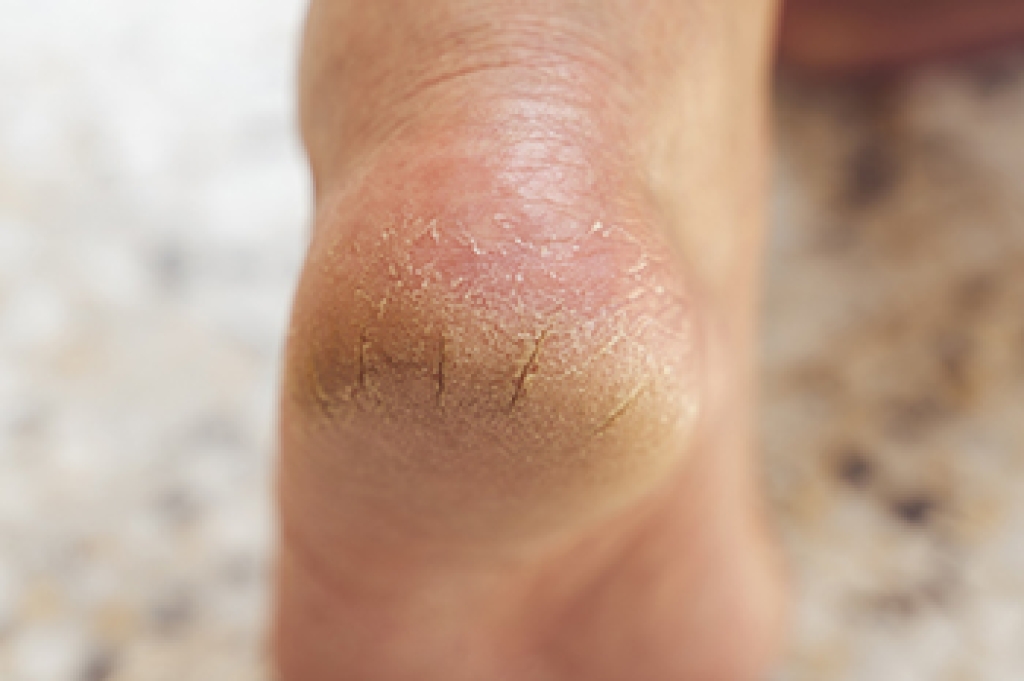
High arches, also known as pes cavus, occur when the arch of the foot is raised higher than normal, creating an exaggerated curve from the heel to the toes. Having high arches places uneven pressure on the feet, often concentrating weight on the heel and the ball of the foot. People with high arches may experience pain in the arches, toes, or ankles due to the extra strain on the metatarsals and surrounding structures. Shortened foot length, difficulty fitting into shoes, and instability during walking or running are also common problems. The excess pressure can lead to calluses, ankle sprains, hammertoes, or even stress fractures. A podiatrist can evaluate the structure and flexibility of the foot, order imaging if needed, and recommend proper support or surgery in severe cases. If you have arch pain, it is suggested that you make an appointment with a podiatrist for an evaluation and treatment.
If you have any concerns about your feet, contact one of our podiatrists from Pennsylvania Foot & Ankle. Our doctors can provide the care you need to keep you pain-free and on your feet.
Biomechanics in Podiatry
Podiatric biomechanics is a particular sector of specialty podiatry with licensed practitioners who are trained to diagnose and treat conditions affecting the foot, ankle and lower leg. Biomechanics deals with the forces that act against the body, causing an interference with the biological structures. It focuses on the movement of the ankle, the foot and the forces that interact with them.
A History of Biomechanics
Modern technological improvements are based on past theories and therapeutic processes that provide a better understanding of podiatric concepts for biomechanics. Computers can provide accurate information about the forces and patterns of the feet and lower legs.
Understanding biomechanics of the feet can help improve and eliminate pain, stopping further stress to the foot.
If you have any questions please feel free to contact one of our offices located in Bensalem, Philadelphia, Northeast Philadelphia, Yardley, PA, and Hamilton, NJ . We offer the newest diagnostic and treatment technologies for all your foot and ankle needs.

Swollen feet and ankles can result from prolonged standing, inflammation, pregnancy, or underlying health conditions. Common medical causes include issues with the liver, kidneys, or heart, which can lead to fluid retention and discomfort. Inflammation from injuries or chronic conditions such as arthritis may also contribute to swelling. During pregnancy, the body naturally holds more fluid, leading to puffiness in the lower limbs. A podiatrist can assess your symptoms, identify the cause, and recommend treatments to reduce swelling and improve circulation. Whether it is a minor concern or a sign of a more serious issue, timely care is important. If you have swollen feet or ankles, it is suggested that you visit a podiatrist who can offer effective relief tips.
Swollen feet can be a sign of an underlying condition. If you have any concerns, contact one of our podiatrists of Pennsylvania Foot & Ankle. Our doctors can provide the care you need to keep you pain-free and on your feet.
Swollen feet are a common ailment among pregnant women and people who stand or sit for extended periods. Aging may increase the possibility of swollen feet and patients who are obese often notice when their feet are swelling too. There may be medical reasons why swollen feet occur:
Swollen feet can also be caused by bone and tendon conditions, including fractures, arthritis, and tendinitis. Additionally, there may be skin and toenail conditions and an infection may cause the feet to swell. Patients who take medicine to treat high blood pressure may be prone to getting swollen feet.
Many patients elevate their feet to help relieve the swelling and this is generally a temporary remedy. When a podiatrist is consulted the reason behind the swelling can be uncovered and subsequently treated.
If you have any questions please contact one of our offices located in Bensalem, Philadelphia, Northeast Philadelphia, Yardley, PA, and Hamilton, NJ . We offer the newest diagnostic and treatment technologies for all your foot and ankle needs.

Soccer places significant demands on the feet and ankles, making certain injuries more frequent among players. Ankle sprains are common when the foot twists or rolls during quick changes in direction, often leading to swelling and difficulty in bearing weight. Plantar fasciitis can develop from overuse, with heel pain that worsens after activity or first thing in the morning. Stress fractures may occur from repetitive impact, creating localized pain that increases with play and improves with rest. Each of these conditions can limit performance and may worsen without timely care. Proper warm-up, supportive footwear, and gradual training progression help reduce the risk, but even experienced athletes are not immune. If you notice persistent pain, swelling, or difficulty walking after soccer activity, it is suggested that you consult a podiatrist for an accurate diagnosis and appropriate treatment.
Ankle and foot injuries are common among athletes and in many sports. They can be caused by several problems and may be potentially serious. If you are feeling pain or think you were injured in a sporting event or when exercising, consult with one of our podiatrists from Pennsylvania Foot & Ankle. Our doctors will assess your condition and provide you with quality foot and ankle treatment.
Common Injuries
The most common injuries that occur in sporting activities include:
Symptoms
Symptoms vary depending upon the injury and in some cases, there may be no symptoms at all. However, in most cases, some form of symptom is experienced. Pain, aching, burning, bruising, tenderness, tightness or stiffness, sensation loss, difficulty moving, and swelling are the most common symptoms.
Treatment
Just as symptoms vary depending upon the injury, so do treatment options. A common treatment method is known as the RICE method. This method involves rest, applying ice, compression and elevating the afflicted foot or ankle. If the injury appears to be more serious, surgery might be required, such as arthroscopic or reconstructive surgery. Lastly, rehabilitation or therapy might be needed to gain full functionality in the afflicted area. Any discomfort experienced by an athlete must be evaluated by a licensed, reputable medical professional.
If you have any questions please contact one of our offices located in Bensalem, Philadelphia, Northeast Philadelphia, Yardley, PA, and Hamilton, NJ . We offer the newest diagnostic and treatment technologies for all your foot and ankle needs.

Sesamoiditis is an inflammation of the small bones located beneath the big toe joint. These bones help with balance and movement, but can become irritated from repetitive pressure, high-impact activities, or wearing shoes that lack proper cushioning. Dancers, runners, and athletes who frequently push off from the ball of the foot are more prone to developing this condition. Symptoms may include localized pain, swelling, and tenderness that worsens during activity. Resting the foot and wearing supportive footwear with cushioned insoles can help relieve discomfort. In some cases, activity modification and targeted stretches are recommended to prevent recurrence. Paying attention to early signs can help you avoid more serious injury and prolonged healing time. If foot pain interferes with daily movement, it is suggested that you consult a podiatrist for proper evaluation and appropriate treatment.
Sesamoiditis is an unpleasant foot condition characterized by pain in the balls of the feet. If you think you’re struggling with sesamoiditis, contact one of our podiatrists of Pennsylvania Foot & Ankle. Our doctors will treat your condition thoroughly and effectively.
Sesamoiditis
Sesamoiditis is a condition of the foot that affects the ball of the foot. It is more common in younger people than it is in older people. It can also occur with people who have begun a new exercise program, since their bodies are adjusting to the new physical regimen. Pain may also be caused by the inflammation of tendons surrounding the bones. It is important to seek treatment in its early stages because if you ignore the pain, this condition can lead to more serious problems such as severe irritation and bone fractures.
Causes of Sesamoiditis
Treatment for sesamoiditis is non-invasive and simple. Doctors may recommend a strict rest period where the patient forgoes most physical activity. This will help give the patient time to heal their feet through limited activity. For serious cases, it is best to speak with your doctor to determine a treatment option that will help your specific needs.
If you have any questions, please feel free to contact one of our offices located in Bensalem, Philadelphia, Northeast Philadelphia, Yardley, PA, and Hamilton, NJ . We offer the newest diagnostic and treatment technologies for all your foot care needs.
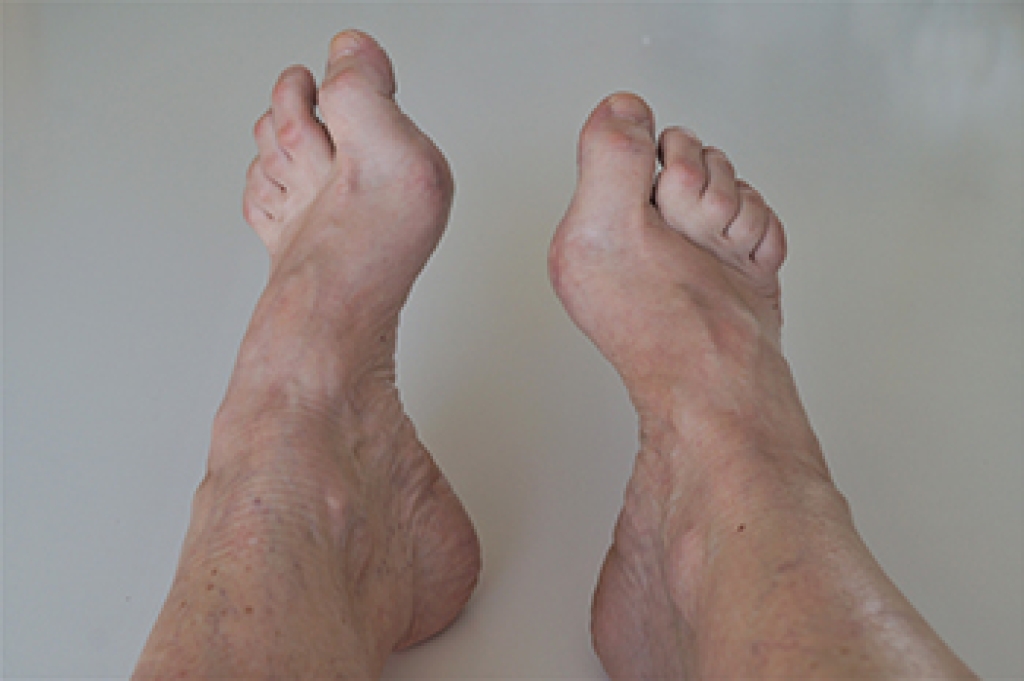
Pregnancy often leads to various changes in the body, and the feet are no exception. As weight increases, so does foot load, which may alter your gait and lead to discomfort or imbalance. Hormonal shifts and water retention can cause swelling, arch collapse, and pain in the heels, arches, or balls of the feet. Conditions like plantar fasciitis, flat feet, and overpronatio, are common during this time. A podiatrist can evaluate these symptoms, provide custom orthotics, recommend safe exercises, and offer relief strategies to improve comfort and mobility. If you are experiencing foot pain during pregnancy, it is suggested that you schedule an appointment with a podiatrist who can provide effective relief and treatment solutions.
Pregnant women with swollen feet can be treated with a variety of different methods that are readily available. For more information about other cures for swollen feet during pregnancy, consult with one of our podiatrists from Pennsylvania Foot & Ankle. Our doctors will attend to all of your foot and ankle needs.
What Foot Problems Can Arise During Pregnancy?
One problem that can occur is overpronation, which occurs when the arch of the foot flattens and tends to roll inward. This can cause pain and discomfort in your heels while you’re walking or even just standing up, trying to support your baby.
Another problem is edema, or swelling in the extremities. This often affects the feet during pregnancy but tends to occur in the later stages.
How Can I Keep My Feet Healthy During Pregnancy?
If you have any questions, please feel free to contact one of our offices located in Bensalem, Philadelphia, Northeast Philadelphia, Yardley, PA, and Hamilton, NJ . We offer the newest diagnostic and treatment technologies for all your foot care needs.
Connect With Us