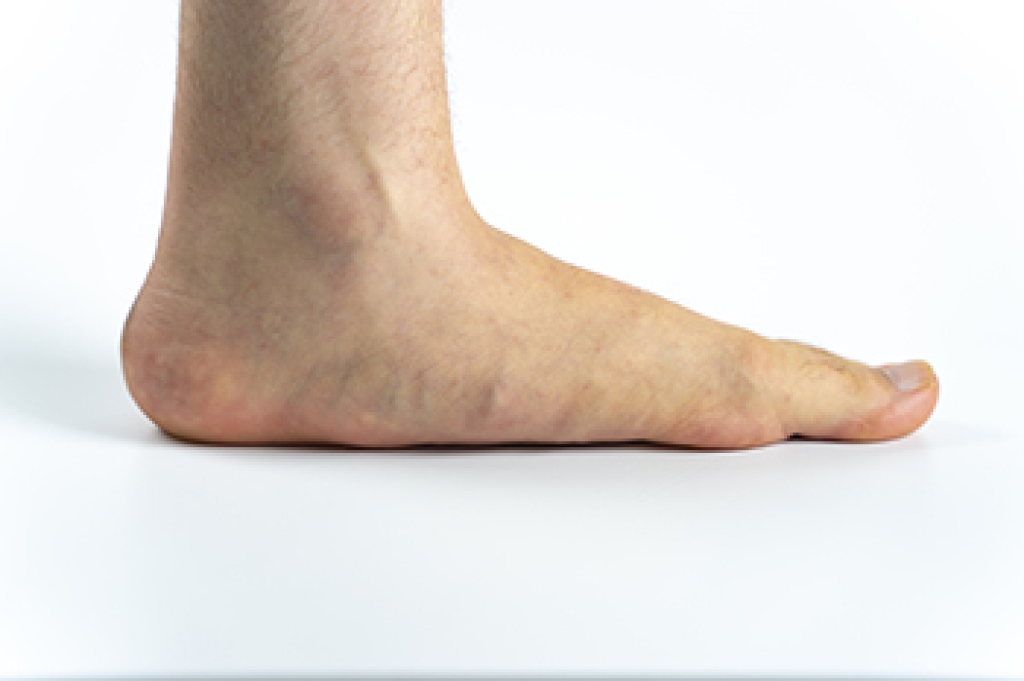
Flat Feet Risks

Flat feet are a foot condition in which the arches collapse or fail to develop fully, causing the feet to roll inward during standing and walking. When the feet roll in, the ankles often tilt down toward the ground on one side, creating instability and uneven weight distribution. This altered alignment can have a domino effect on the knees and hip joints, leading to discomfort and joint strain over time. Flat feet are also linked to plantar fasciitis, foot fatigue, in addition to foot and ankle arthritis. A podiatrist can evaluate foot structure, gait, and alignment to determine the severity of flat feet. Treatment may include supportive footwear, custom orthotics, and targeted therapies. If you have flat feet and foot pain or joint discomfort is affecting your daily life, it is suggested that you schedule a visit with a podiatrist for relief and management tips.

Flatfoot is a condition many people suffer from. If you have flat feet, contact one of our podiatrists from Pennsylvania Foot & Ankle. Our doctors will treat your foot and ankle needs.

What Are Flat Feet?

Flatfoot is a condition in which the arch of the foot is depressed and the sole of the foot is almost completely in contact with the ground. About 20-30% of the population generally has flat feet because their arches never formed during growth.

Conditions & Problems:

Having flat feet makes it difficult to run or walk because of the stress placed on the ankles.

Alignment – The general alignment of your legs can be disrupted, because the ankles move inward which can cause major discomfort.

Knees – If you have complications with your knees, flat feet can be a contributor to arthritis in that area.  

Symptoms

  • Pain around the heel or arch area
  • Trouble standing on the tip toe
  • Swelling around the inside of the ankle
  • Flat look to one or both feet
  • Having your shoes feel uneven when worn

Treatment

If you are experiencing pain and stress on the foot you may weaken the posterior tibial tendon, which runs around the inside of the ankle. 

If you have any questions, please feel free to contact one of our offices located in Bensalem, Philadelphia, Northeast Philadelphia, Yardley, PA, and Hamilton, NJ . We offer the newest diagnostic and treatment technologies for all your foot care needs.

Read more about Flat Feet

Foot Corns and How to Relieve Discomfort

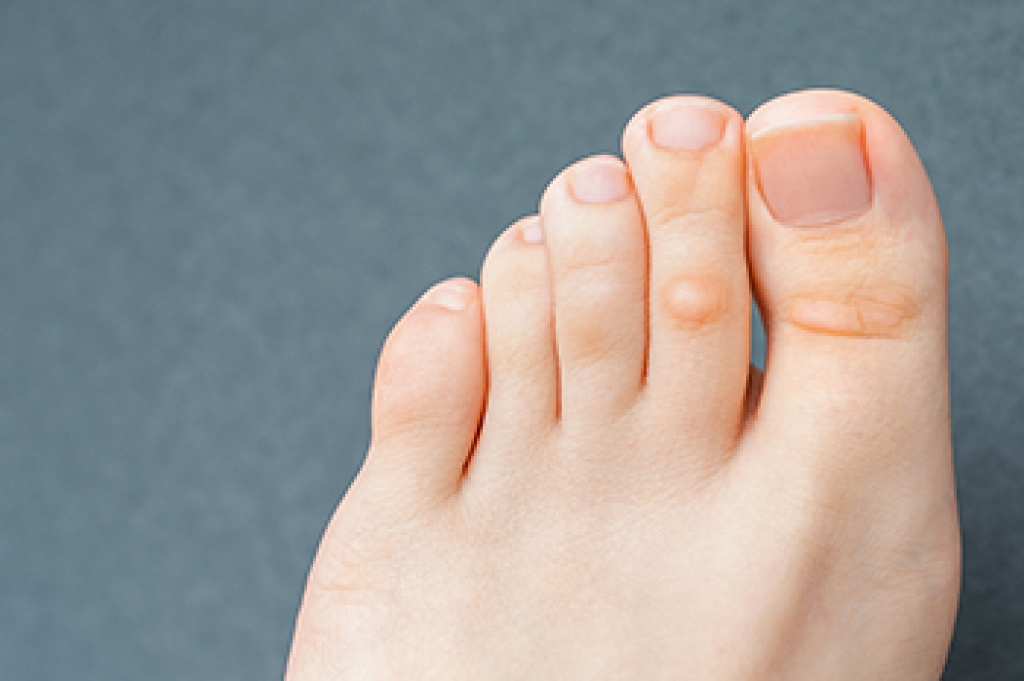
Foot corns are small, thickened areas of hardened skin that develop due to repeated pressure or friction, often on the tops, sides, or soles of the feet. They commonly form from wearing tight shoes, abnormal foot mechanics, or frequent walking or standing. Symptoms include raised, rough bumps that can be tender or extremely painful, especially when pressure is applied. Corns can interfere with walking and daily activities, if left untreated. A podiatrist can safely remove corns, address the underlying cause, and recommend strategies to prevent recurrence. Treatment may include padding, custom orthotics, footwear adjustments, and guidance on proper foot care. Corns can cause extreme pain. If you have developed a foot corn, it is suggested that you consult a podiatrist who can offer effective relief and treatment solutions.

Corns can make walking very painful and should be treated immediately. If you have questions regarding your feet and ankles, contact one of our podiatrists of Pennsylvania Foot & Ankle. Our doctors will treat your foot and ankle needs.

Corns: What Are They? And How Do You Get Rid of Them?
Corns are thickened areas on the skin that can become painful. They are caused by excessive pressure and friction on the skin. Corns press into the deeper layers of the skin and are usually round in shape.

Ways to Prevent Corns
There are many ways to get rid of painful corns such as:

  • Wearing properly fitting shoes that have been measured by a professional
  • Wearing shoes that are not sharply pointed or have high heels
  • Wearing only shoes that offer support

Treating Corns

Although most corns slowly disappear when the friction or pressure stops, this isn’t always the case. Consult with your podiatrist to determine the best treatment option for your case of corns.

If you have any questions, please feel free to contact one of our offices located in Bensalem, Philadelphia, Northeast Philadelphia, Yardley, PA, and Hamilton, NJ . We offer the newest diagnostic and treatment technologies for all your foot care needs.

Read more about Understanding Corns and Calluses

Risk of Achilles Tendon Ruptures in Football

Football places intense strain on the feet and ankles, and the push-off forces used for sprinting or sudden direction changes can damage the thick tendon behind the heel. The Achilles tendon, which links the calf muscles to the heel bone, allows a player to jump, run, and accelerate. Quick bursts of speed, tackling, and uneven fields increase tension in this tendon, making a tear more likely, especially when a player lands awkwardly or the ankle twists. A rupture causes sharp pain, swelling, and difficulty standing on the toes. A podiatrist can assess the tendon, order imaging, discuss footwear that provides support, and recommend treatment such as bracing, therapy guided exercises, or surgery when needed to restore strength and mobility. If you have Achilles tendon pain, it is suggested that you schedule an appointment with a podiatrist for a diagnosis and safe, sterile treatment.

Achilles tendon injuries need immediate attention to avoid future complications. If you have any concerns, contact one of our podiatrists of Pennsylvania Foot & Ankle. Our doctors can provide the care you need to keep you pain-free and on your feet.

What Is the Achilles Tendon?

The Achilles tendon is a tendon that connects the lower leg muscles and calf to the heel of the foot. It is the strongest tendon in the human body and is essential for making movement possible. Because this tendon is such an integral part of the body, any injuries to it can create immense difficulties and should immediately be presented to a doctor.

What Are the Symptoms of an Achilles Tendon Injury?

There are various types of injuries that can affect the Achilles tendon. The two most common injuries are Achilles tendinitis and ruptures of the tendon.

Achilles Tendinitis Symptoms

  • Inflammation
  • Dull to severe pain
  • Increased blood flow to the tendon
  • Thickening of the tendon

Rupture Symptoms

  • Extreme pain and swelling in the foot
  • Total immobility

Treatment and Prevention

Achilles tendon injuries are diagnosed by a thorough physical evaluation, which can include an MRI. Treatment involves rest, physical therapy, and in some cases, surgery. However, various preventative measures can be taken to avoid these injuries, such as:

  • Thorough stretching of the tendon before and after exercise
  • Strengthening exercises like calf raises, squats, leg curls, leg extensions, leg raises, lunges, and leg presses

If you have any questions please feel free to contact one of our offices located in Bensalem, Philadelphia, Northeast Philadelphia, Yardley, PA, and Hamilton, NJ . We offer the newest diagnostic tools and technology to treat your foot and ankle needs.

Read more about The Causes, Types, and Treatments of Achilles Tendon Injuries

Why Live with Pain and Numbness in Your Feet?

Suffering from this type of pain? You may have the foot condition known as Morton's neuroma. Morton's neuroma may develop as a result of ill-fitting footwear and existing foot deformities. We can help.

Possible Relief From Heel Spurs

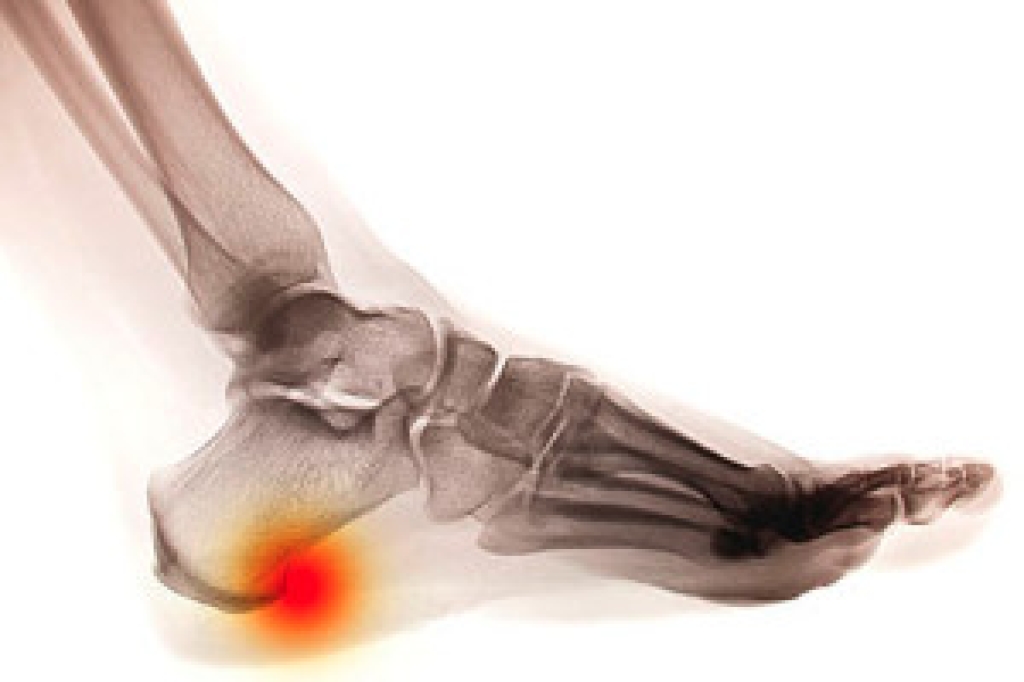
A small growth on the bottom of the heel bone may indicate a heel spur. Patients who have plantar fasciitis may have heel spurs, and this affects the tendon that runs along the bottom of the foot. People who are afflicted with heel spurs often notice heel pain after arising in the morning, and mild relief may be found while walking. The pain may become worse if running or participating in sporting activities, and it is beneficial to rest and elevate the affected foot. It may be helpful to take anti-inflammatory medications which may partially reduce existing pain. If you have the symptoms of a heel spur, it is strongly suggested that you speak to a podiatrist who can recommend the correct treatment options for you, which may include custom-made orthotics.

Heel spurs can be incredibly painful and sometimes may make you unable to participate in physical activities. To get medical care for your heel spurs, contact one of our podiatrists from Pennsylvania Foot & Ankle. Our doctors will do everything possible to treat your condition.

Heels Spurs

Heel spurs are formed by calcium deposits on the back of the foot where the heel is. This can also be caused by small fragments of bone breaking off one section of the foot, attaching onto the back of the foot. Heel spurs can also be bone growth on the back of the foot and may grow in the direction of the arch of the foot.

Older individuals usually suffer from heel spurs and pain sometimes intensifies with age. One of the main condition's spurs are related to is plantar fasciitis.

Pain

The pain associated with spurs is often because of weight placed on the feet. When someone is walking, their entire weight is concentrated on the feet. Bone spurs then have the tendency to affect other bones and tissues around the foot. As the pain continues, the feet will become tender and sensitive over time.

Treatments

There are many ways to treat heel spurs. If one is suffering from heel spurs in conjunction with pain, there are several methods for healing. Medication, surgery, and herbal care are some options.

If you have any questions, please feel free to contact one of our offices located in Bensalem, Philadelphia, Northeast Philadelphia, Yardley, PA, and Hamilton, NJ . We offer the newest diagnostic and treatment technologies for all your foot care needs.
Read more about Heel Spurs

Connect With Us