How to Pick New Running Shoes

Choosing the right running shoes for you can mean the difference between comfort and potential injury. Not all running shoes are built the same. They vary not just in foot size and style but also in the surfaces they were designed for. If you run on trails, a trail running shoe is a better choice than a running shoe designed for roads or the track. The shoe should have enough space so your feet aren’t cramped but should still be snug. Knowing whether your foot rolls in too much (overpronation), rolls out too much (underpronation), or stays where it is (neutral) when you step can also determine what shoe is right for you. However it is advised to not worry too much about foot roll. The most important part is comfort. You should be able to wear the shoes for long periods without feeling pain or discomfort.

If you are a runner, wearing the right running shoe is essential. For more information, contact one of our podiatrists from Pennsylvania Foot & Ankle. Our doctors can provide the care you need to keep you pain-free and on your feet.

Choosing the Right Running Shoe for Your Foot Type

To increase performance and avoid the risk of injury, it is important to choose the right running shoe based on your foot type. The general design of running shoes revolves around pronation, which is how the ankle rolls from outside to inside when the foot strikes the ground.

  • Neutral runners are able to choose from a wide variety of shoes, including minimalist shoes or even going barefoot.
  • Runners who overpronate, or experience an over-abundance of ankle rolling, should choose shoes that provide extra motion control and stability.
  • Runners who underpronate, or supinate, have feet that have high arches and lack flexibility, preventing shock absorption. They require shoes with more flexibility and cushion.

If you have any questions, please feel free to contact one of our offices located in Bensalem, Philadelphia, Northeast Philadelphia, Yardley, PA, and Hamilton, NJ . We offer the newest diagnostic and treatment technologies for all your foot care needs.
Read more about Choosing the Right Running Shoe for Your Foot Type

Taking Care of Minor Foot Wounds In Diabetics

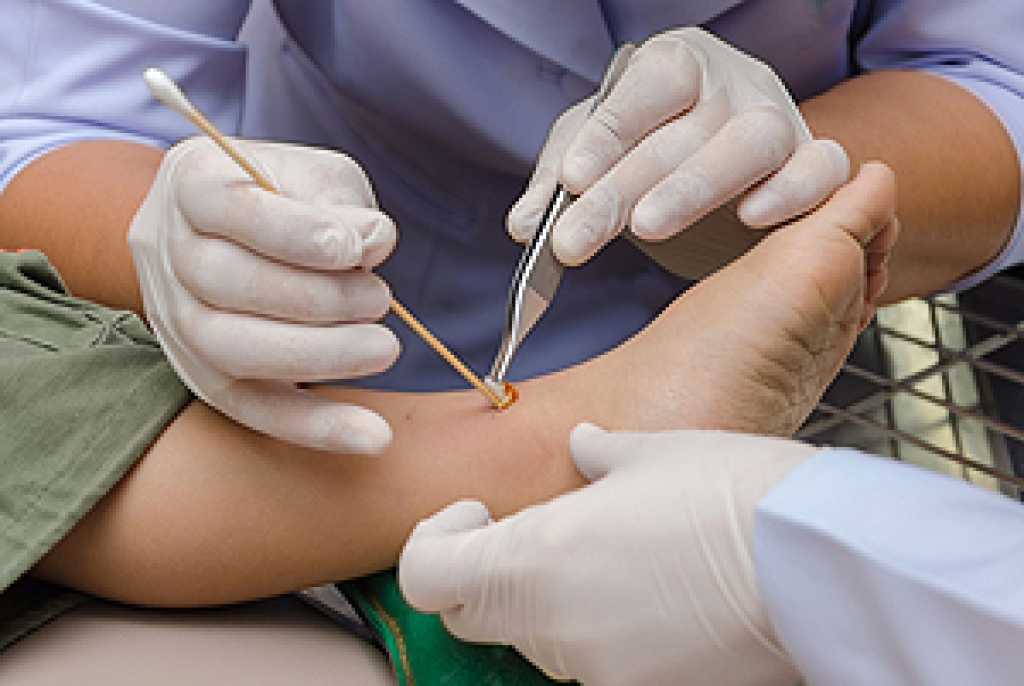
A major problem among those who suffer from diabetes is poor blood circulation and nerve damage. This can lead to diabetics developing foot ulcers that don’t heal properly or quickly. In more severe cases in which the wound has become infected, this can lead to amputation. The first step is to keep the diabetes in check by observing blood glucose levels and staying healthy. Inspecting the foot daily is important because nerve damage can prevent a diabetic from realizing they have an ulcer. Foot inspections can help diabetics discover a wound early so they can alert a podiatrist. If there is a wound, diabetics should wash the wound with saline or clean water. Applying an antibiotic ointment and covering with a bandage is also important. However these solutions are only temporary, and you should see a podiatrist if you have a foot ulcer.

Diabetic foot care is important in preventing foot ailments such as ulcers. If you are suffering from diabetes or have any other concerns about your feet, contact one of our podiatrists from Pennsylvania Foot & Ankle. Our doctors can provide the care you need to keep you pain-free and on your feet.

Diabetic Foot Care

Diabetes affects millions of people every year. The condition can damage blood vessels in many parts of the body, especially the feet. Because of this, taking care of your feet is essential if you have diabetes, and having a podiatrist help monitor your foot health is highly recommended.

The Importance of Caring for Your Feet

  • Routinely inspect your feet for bruises or sores.
  • Wear socks that fit your feet comfortably.
  • Wear comfortable shoes that provide adequate support.

Patients with diabetes should have their doctor monitor their blood levels, as blood sugar levels play such a huge role in diabetic care. Monitoring these levels on a regular basis is highly advised.

It is always best to inform your healthcare professional of any concerns you may have regarding your feet, especially for diabetic patients. Early treatment and routine foot examinations are keys to maintaining proper health, especially because severe complications can arise if proper treatment is not applied.

If you have any questions, please feel free to contact one of our offices located in Bensalem, Philadelphia, Northeast Philadelphia, Yardley, PA, and Hamilton, NJ . We offer the newest diagnostic and treatment technologies for all your foot care needs.

Read more about How to Care for Diabetic Foot

How to Prevent Stress Fractures

Stress fractures are small cracks in the bone typically caused by repetitive force or stress. While they can occur in various areas of the body, stress fractures are more likely to occur in the foot due to it having to bear weight and having to sustain repeated strikes. They can be very painful and often take time to properly heal. To avoid dealing with stress fractures, practice methods to prevent them from occurring. If you are starting a new physical activity, prevent stress fractures by taking it slowly and gradually increasing intensity and duration. This prevents overuse and allows your body to acclimate to physical stress. Footwear that provides proper support can improve your running style and prevent stress fractures. The surfaces you run on can also affect your risk for injury. Soft surfaces like grass can be more forgiving than harder surfaces like concrete. If you have questions about stress fractures and whether running is right for you, ask a podiatrist.

Activities where too much pressure is put on the feet can cause stress fractures. To learn more, contact one of our podiatrists from Pennsylvania Foot & Ankle. Our doctors can provide the care you need to keep your pain free and on your feet.

Dealing with Stress Fractures of the Foot and Ankle

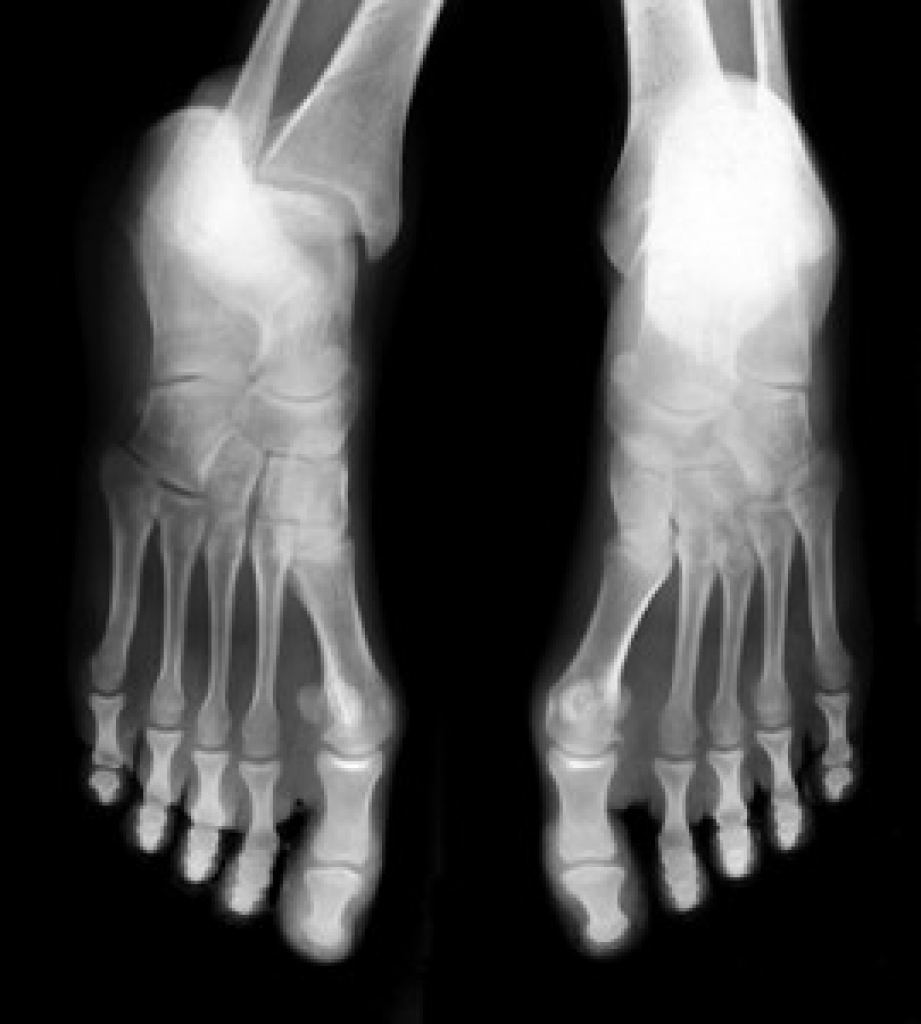
Stress fractures occur in the foot and ankle when muscles in these areas weaken from too much or too little use.  The feet and ankles then lose support when walking or running from the impact of the ground. Since there is no protection, the bones receive the full impact of each step. Stress on the feet can cause cracks to form in the bones, thus creating stress fractures.

What Are Stress Fractures?

Stress fractures occur frequently in individuals whose daily activities cause great impact on the feet and ankles. Stress factors are most common among:

  • Runners                                
  • People affected with Osteoporosis
  • Tennis or basketball players
  • Gymnasts
  • High impact workouts

Symptoms

Pain from the fractures occur in the area of the fractures and can be constant or intermittent. It will often cause sharp or dull pain with swelling and tenderness. Engaging in any kind of activity which involves high impact will aggravate pain.

If you have any questions please contact one of our offices located in Bensalem, Philadelphia, Northeast Philadelphia, Yardley, PA, and Hamilton, NJ . We offer the newest diagnostic and treatment technologies for all your foot and ankle needs.

Read more about Dealing with Stress Fractures of the Foot and Ankle

Heel Pain Can Be Treated!

Do you suffer from heel pain when you get up in the morning? If so, you should seek professional help and have a proper diagnosis performed. Heel pain can be caused by several different foot-related conditions.

Leonard Fournette Suffers Foot Injury

Running back Leonard Fournette of the Jacksonville Jaguars has recently been suffering from a foot-related injury. Although the specifics of the injury have not been revealed, the team has announced that they plan to be careful with him. Fournette is no stranger to injuries; he battled with them throughout his last season with the LSU Tigers. As a result, he had to miss five games. While it is unfortunate that the Jaguars’ first round pick has to deal with these health issues, they have enough depth at the running back position to sustain themselves in his absence.

Sports related foot and ankle injuries require proper treatment before players can go back to their regular routines. For more information, contact one of our podiatrists of Pennsylvania Foot & Ankle. Our doctors can provide the care you need to keep you pain-free and on your feet.

Sports Related Foot and Ankle Injuries

Foot and ankle injuries are a common occurrence when it comes to athletes of any sport. While many athletes dismiss the initial aches and pains, the truth is that ignoring potential foot and ankle injuries can lead to serious problems. As athletes continue to place pressure and strain the area further, a mild injury can turn into something as serious as a rupture and may lead to a permanent disability. There are many factors that contribute to sports related foot and ankle injuries, which include failure to warm up properly, not providing support or wearing bad footwear. Common injuries and conditions athletes face, including:

  • Plantar Fasciitis
  • Achilles Tendinitis
  • Achilles Tendon Rupture
  • Ankle Sprains

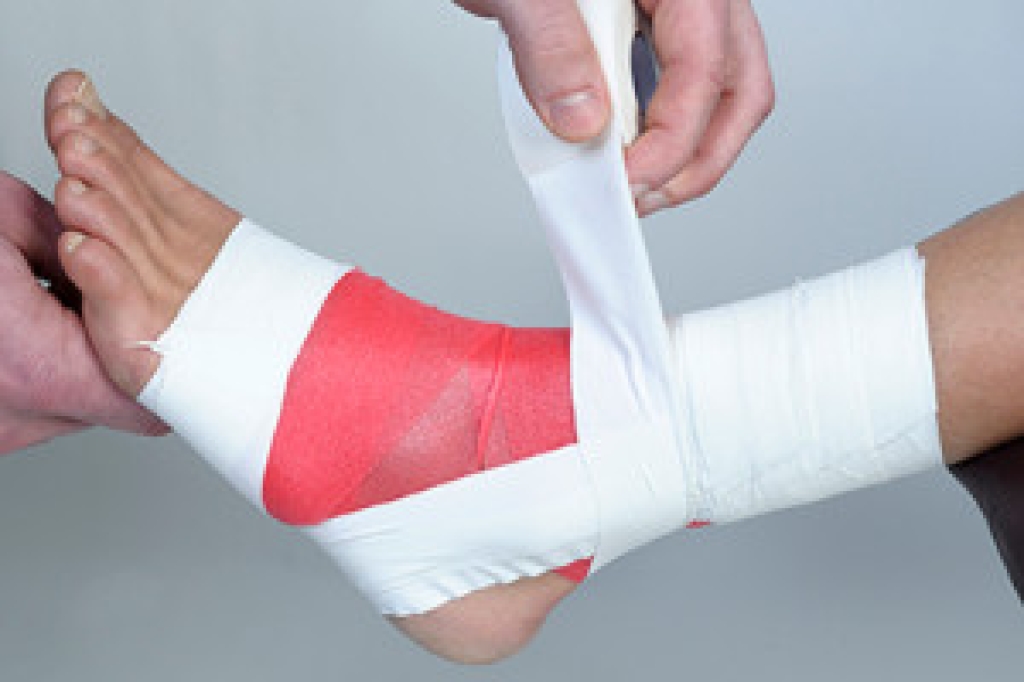
Sports related injuries are commonly treated using the RICE method. This includes rest, applying ice to the injured area, compression and elevating the ankle. More serious sprains and injuries may require surgery, which could include arthroscopic and reconstructive surgery. Rehabilitation and therapy may also be required in order to get any recovering athlete to become fully functional again. Any unusual aches and pains an athlete sustains must be evaluated by a licensed, reputable medical professional.

If you have any questions please contact one of our offices located in Bensalem, Philadelphia, Northeast Philadelphia, Yardley, PA, and Hamilton, NJ . We offer the newest diagnostic and treatment technologies for all your foot and ankle needs.

Read more about Sports Related Foot And Ankle Injuries

Connect With Us