How Does Systemic Sclerosis Affect the Feet?

Systemic sclerosis, which is sometimes also known as scleroderma, is a chronic autoimmune disease that causes degeneration and scar formation in the skin, joints, and internal organs. Many people with this condition experience foot problems, including foot pain and deformities in the back of the foot. Since scleroderma causes skin degeneration and scarring, people with this condition are also at an increased risk of developing foot wounds. Abnormalities in the gait or walking pattern are  sometimes found in people with this condition as well. If you have scleroderma, regular visits to the podiatrist can help you maintain your foot health, mobility, and quality of life.

When dealing with systemic disease of the feet, it is extremely important to check the affected areas routinely so that any additional problems are caught quickly.  If you have any concerns about your feet and ankles contact one of our podiatrists from Pennsylvania Foot & Ankle. Our doctors will assist you with all of your podiatric needs.

Systemic Diseases of the Feet

Systemic diseases affect the whole body, and symptoms usually are displayed in the feet. This condition can make a patient’s ability to walk unbearable.  Systemic diseases include gout, diabetes mellitus, neurological disorders, and arthritis.

Gout – is caused by an excess of uric acid in the body. Common symptoms include pain, inflammation, and redness at the metatarsal/phalangeal joint of the base big toe. Gout can be treated by NSAIDs to relieve pain and inflammation, and other drugs that lower the acid levels in the body.

Diabetes mellitus – is an increase in the level of blood sugar that the body cannot counteract with its own insulin. Failure to produce enough insulin is a factor in Diabetes.

Diabetes of the Feet

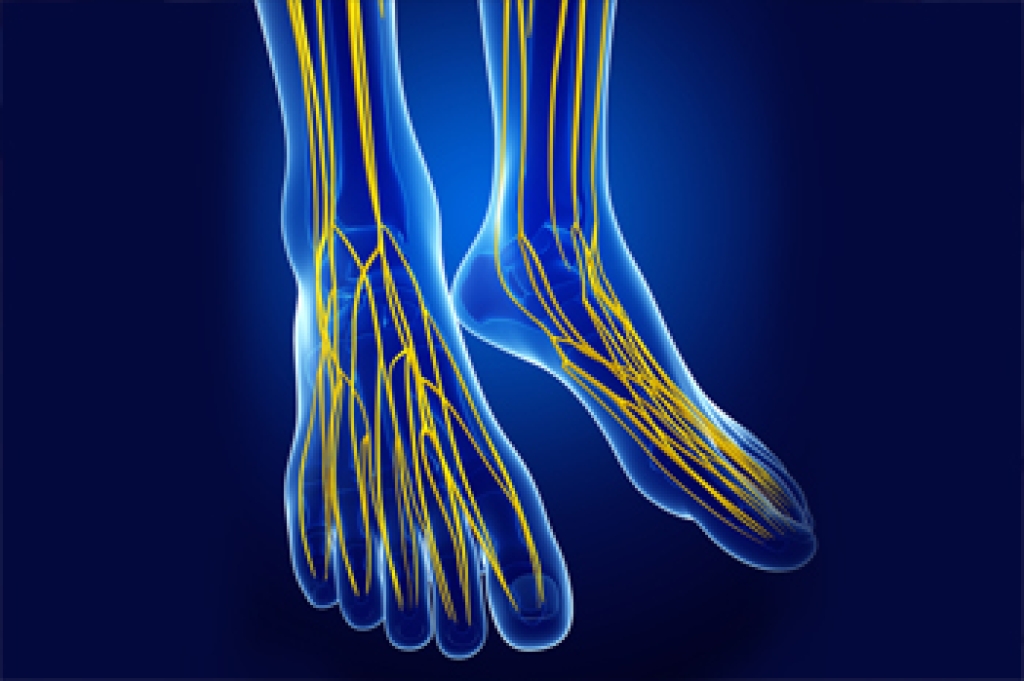
Diabetic Neuropathy – may lead to damaged nerves and affect the feet through numbness and loss of sensation.

Peripheral Vascular Disease – can restrict the blood flow to the feet, and often times lead to amputation of the feet. 

If you have any questions please contact one of our offices located in Bensalem, Philadelphia, Northeast Philadelphia, Yardley, PA, and Hamilton, NJ . We offer the newest diagnostic and treatment technologies for all your foot and ankle needs.
Read more about Systemic Diseases of the Foot

What Is Drop Foot?

Drop foot is a general term used to describe difficulty lifting the front part of the foot, and it can be a symptom of an underlying neurological, muscular, or anatomical problem. Drop foot can affect the way you walk, causing your toes to drag on the floor as you move around. Some people compensate for this issue by lifting their foot too far off the ground and then slapping it down as they walk. This is known as a steppage gait because of its similarity to the gait people use when going up steps. Some people who have drop foot also experience numbness on the top of the foot and the toes. For more information about drop foot and other conditions that affect the feet, please consult with a podiatrist.

Foot and ankle trauma is common among athletes and the elderly. If you have concerns that you may have experienced trauma to the foot and ankle, consult with one of our podiatrists from Pennsylvania Foot & Ankle. Our doctors will assess your condition and provide you with quality foot and ankle treatment.

Foot and ankle trauma cover a range of injuries all over the foot; common injuries include:

  • Broken bones
  • Muscle strains
  • Injuries to the tendons and ligaments
  • Stress fractures

Symptoms

Symptoms of foot and ankle injuries vary depending on the injury, but more common ones include:

  • Bruising
  • Inflammation/ Swelling
  • Pain

Diagnosis

To properly diagnose the exact type of injury, podiatrists will conduct a number of different tests. Some of these include sensation and visual tests, X-rays, and MRIs. Medical and family histories will also be taken into account.

Treatment

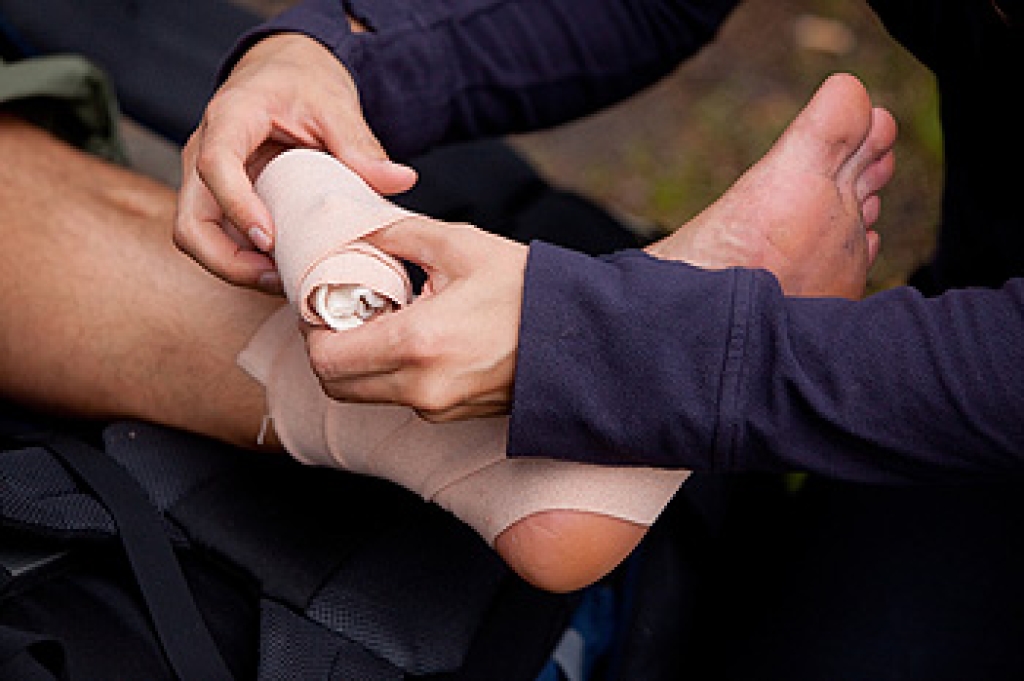
Once the injury has been diagnosed, the podiatrist can than offer the best treatment options for you. In less severe cases, rest and keeping pressure off the foot may be all that’s necessary. Orthotics, such as a specially made shoes, or immobilization devices, like splints or casts, may be deemed necessary. Finally, if the injury is severe enough, surgery may be necessary.

If you have any questions, please feel free to contact one of our offices located in Bensalem, Philadelphia, Northeast Philadelphia, Yardley, PA, and Hamilton, NJ . We offer the newest diagnostic and treatment technologies for all your foot care needs.

Read more about Foot and Ankle Trauma

Do Your Child's Feet Hurt?

Have your child's feet been examined lately? Healthy feet are happy feet. If your child is complaining of foot pain, it may be a sign of underlying problems.

Caring for Your Feet as a Runner

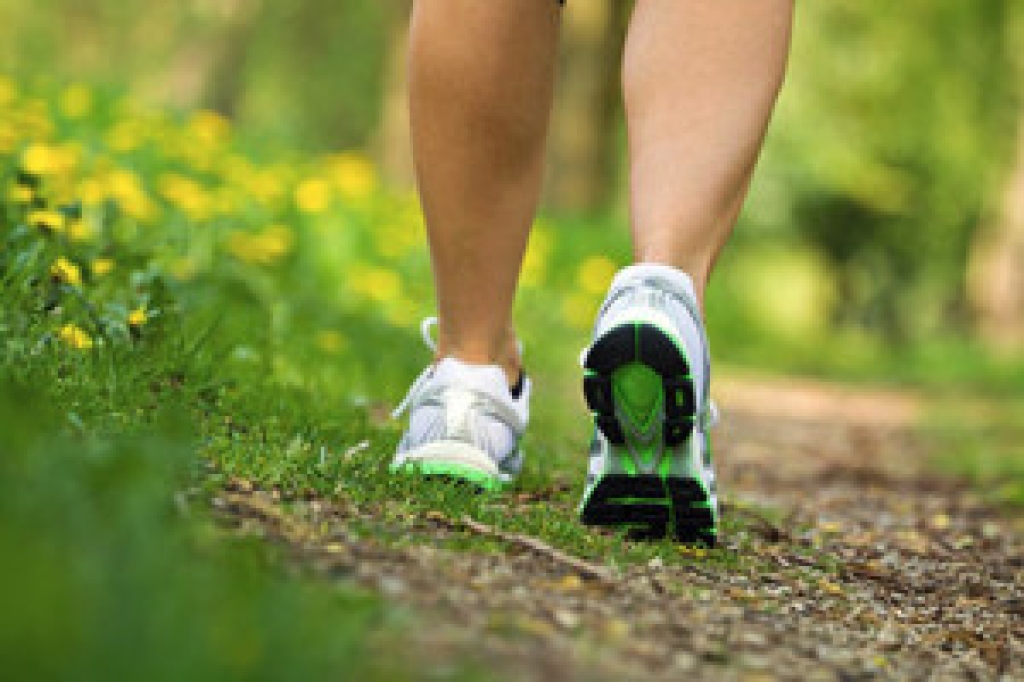
Running is great exercise, but it can also take a toll on your feet. To keep your feet healthy while you run, it is important to wear the right shoes. You want your shoes to fit snuggly, but to have about a half inch gap between your longest toes and the end of your shoes. Go shoe shopping later in the day or after a run, when feet are at their largest, and wear the shoes around the store to determine if they are right for you. Your foot structure and biomechanics may also be a consideration when shoe shopping. People with flat feet, high arches, or an abnormal gait will want to look for running shoes that reduce the impact of these issues. For more information about choosing the best running shoes for you, please consult with a podiatrist.

If you are a runner, wearing the right running shoe is essential. For more information, contact one of our podiatrists from Pennsylvania Foot & Ankle. Our doctors can provide the care you need to keep you pain-free and on your feet.

Choosing the Right Running Shoe for Your Foot Type

To increase performance and avoid the risk of injury, it is important to choose the right running shoe based on your foot type. The general design of running shoes revolves around pronation, which is how the ankle rolls from outside to inside when the foot strikes the ground.

  • Neutral runners are able to choose from a wide variety of shoes, including minimalist shoes or even going barefoot.
  • Runners who overpronate, or experience an over-abundance of ankle rolling, should choose shoes that provide extra motion control and stability.
  • Runners who underpronate, or supinate, have feet that have high arches and lack flexibility, preventing shock absorption. They require shoes with more flexibility and cushion.

If you have any questions, please feel free to contact one of our offices located in Bensalem, Philadelphia, Northeast Philadelphia, Yardley, PA, and Hamilton, NJ . We offer the newest diagnostic and treatment technologies for all your foot care needs.

Read more about Choosing the Right Running Shoe

Ankle Sprains in Children

Ankle sprains are a common occurrence in children because they are often engaged in physical activities that involve jumping, running, and changing direction abruptly. These sprains happen when the ligaments holding the bones in the ankle together become overly stretched, or torn. Symptoms of an ankle sprain include swelling, pain on the outside of the ankle, and bruising. While the RICE strategy (Rest-Ice-Compression-Elevation) can help ease pain and swelling, a podiatrist should examine your child to rule out a broken ankle, and help treat more severe strains properly.

Although ankle sprains are common, they aren’t always minor injuries. If you need your ankle injury looked at, contact one of our podiatrists from Pennsylvania Foot & Ankle. Our doctors can provide the care you need to keep you pain-free and on your feet.

How Does an Ankle Sprain Occur?

Ankle sprains are the result of a tear in the ligaments within the ankle. These injuries may happen when you make a rapid shifting movement while your foot is planted. A less common way to sprain your ankle is when your ankle rolls inward while your foot turns outward.

What Are the Symptoms?

  • Pain at the sight of the tear
  • Bruising/Swelling
  • Ankle area is tender to touch
  • In severe cases, may hear/feel something tear
  • Skin discoloration

Preventing a Sprain

  • Wearing appropriate shoes for the occasion
  • Stretching before exercises and sports
  • Knowing your limits

Treatment of a Sprain

In many cases, the RICE method (Rest, Ice, Compression, and Elevate) is used to treat ankle sprains. However, you should see a podiatrist to see which treatment option would work best with your injury. In severe cases, surgery may be required.

It is important to ask your doctor about rehab options after you receive treatment for your injury. Stretching, strength training, and balance exercises may help the ankle heal while also preventing further injury.

If you have any questions, please feel free to contact one of our offices located in Bensalem, Philadelphia, Northeast Philadelphia, Yardley, PA, and Hamilton, NJ . We offer the newest diagnostic and treatment technologies for all your foot care needs.

Read more about Ankle Sprains

Connect With Us