Different Types of Pain That is Associated with the Achilles Tendon

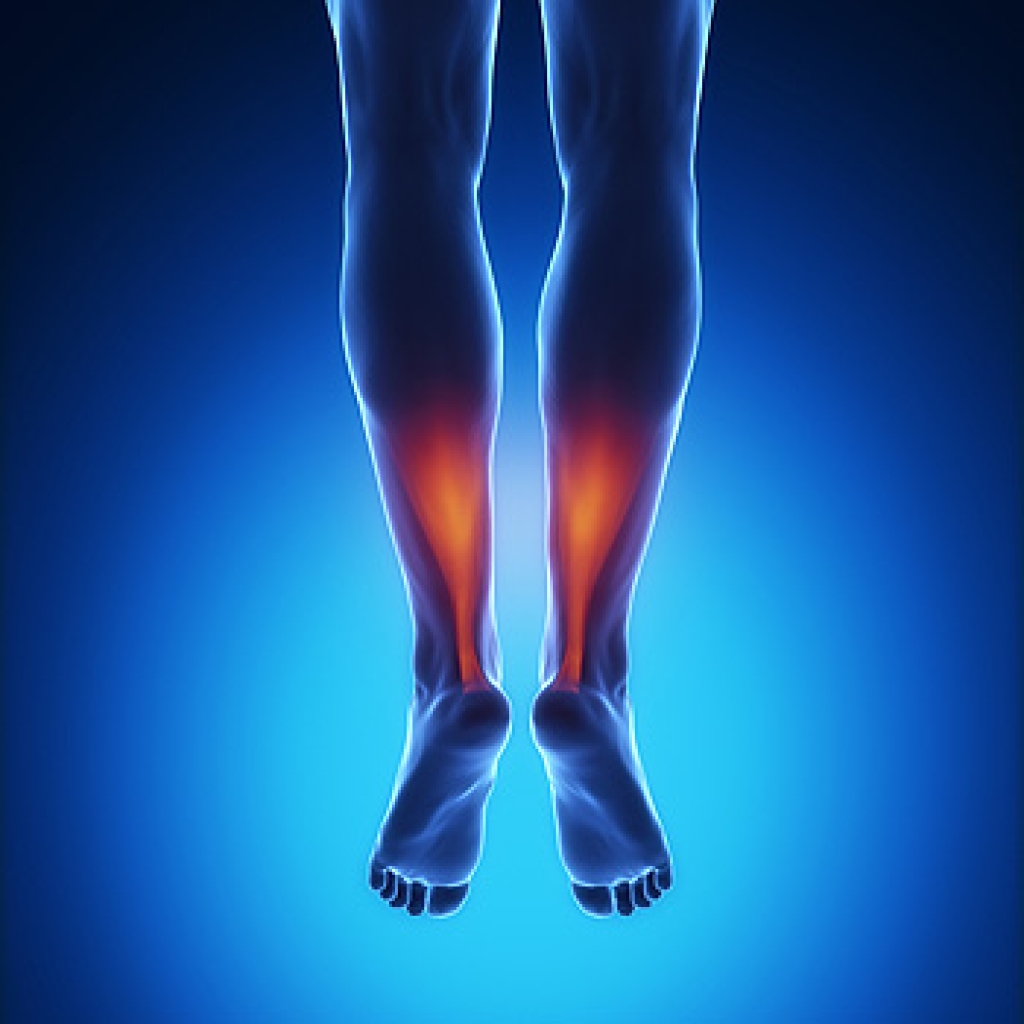
The largest tendon in the body is referred to as the Achilles tendon. The purpose of this particular tendon is to connect the heel to the toes, and if this should endure an injury and become torn or inflamed, severe pain and discomfort may be an unfortunate repercussion. There are different types of pain that is associated with the Achilles tendon, which may include Achilles tendonitis and Achilles tendinosis. The latter condition consists of chronic pain that may originate from improper treatment of Achilles tendonitis. This original ailment may occur in people who participate in running and jumping activities, and severe pain and burning may often accompany this type of tendonitis. There may be additional reasons why this tendon may become inflamed, including running in cold weather or having flat feet, or if one leg is significantly shorter than the other. If you are experiencing pain that involves the Achilles tendon, it’s suggested to speak to a podiatrist, so a proper diagnosis can be obtained, and treatment can begin.

Achilles tendon injuries need immediate attention to avoid future complications. If you have any concerns, contact one of our podiatrists of Pennsylvania Foot & Ankle. Our doctors can provide the care you need to keep you pain-free and on your feet.

What Is the Achilles Tendon?

The Achilles tendon is a tendon that connects the lower leg muscles and calf to the heel of the foot. It is the strongest tendon in the human body and is essential for making movement possible. Because this tendon is such an integral part of the body, any injuries to it can create immense difficulties and should immediately be presented to a doctor.

What Are the Symptoms of an Achilles Tendon Injury?

There are various types of injuries that can affect the Achilles tendon. The two most common injuries are Achilles tendinitis and ruptures of the tendon.

Achilles Tendinitis Symptoms

  • Inflammation
  • Dull to severe pain
  • Increased blood flow to the tendon
  • Thickening of the tendon

Rupture Symptoms

  • Extreme pain and swelling in the foot
  • Total immobility

Treatment and Prevention

Achilles tendon injuries are diagnosed by a thorough physical evaluation, which can include an MRI. Treatment involves rest, physical therapy, and in some cases, surgery. However, various preventative measures can be taken to avoid these injuries, such as:

  • Thorough stretching of the tendon before and after exercise
  • Strengthening exercises like calf raises, squats, leg curls, leg extensions, leg raises, lunges, and leg presses

If you have any questions please feel free to contact one of our offices located in Bensalem, Philadelphia, Northeast Philadelphia, Yardley, PA, and Hamilton, NJ . We offer the newest diagnostic tools and technology to treat your foot and ankle needs.
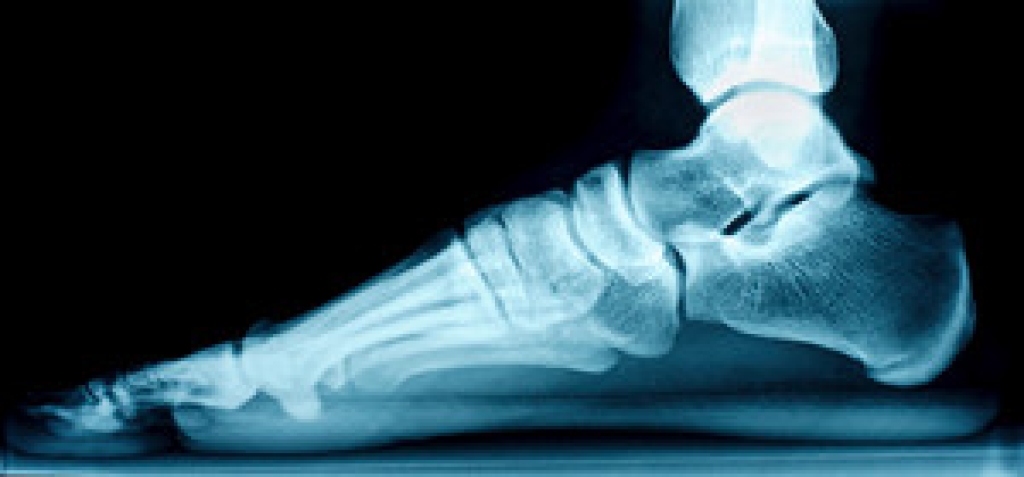
Read more about Achilles Tendon Injuries

Causes of Poor Circulation

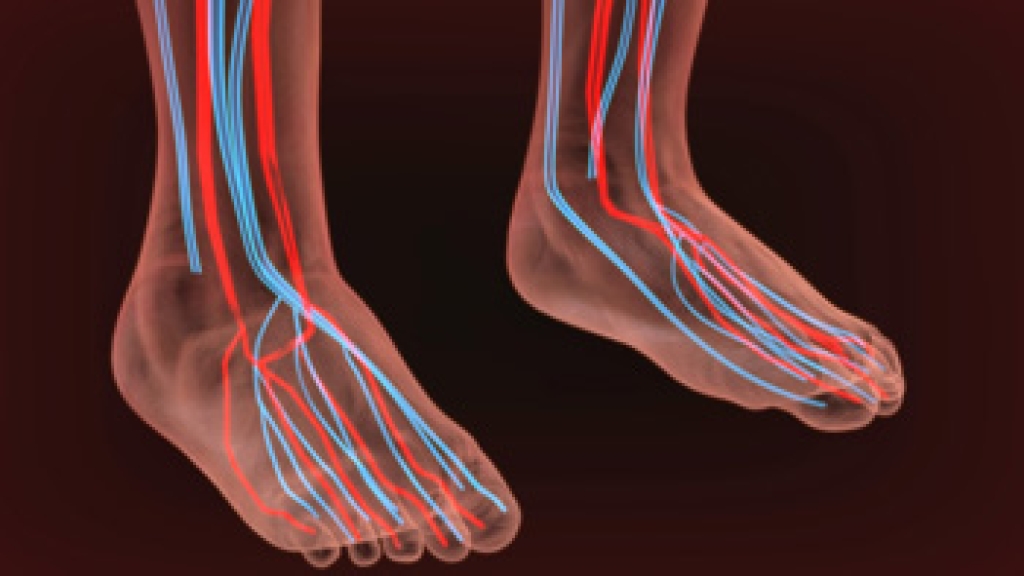
Research has shown there may be several indicators of poor circulation. These may include discoloration of the toes, a loss of feeling or numbing sensation, dry skin, or frequent headaches. This condition may typically happen as a result of damage the blood vessels have incurred, and there are several ways for this to occur. Genetics may play a significant role, in addition to having excess fat, lack of following an effective exercise routine, and developing diabetes, which is the result of elevated glucose levels. Poor circulation may be indicative of raynaud’s disease, which typically causes the fingers and toes to lose feeling and become cold. If you are experiencing any symptoms of poor circulation, it is suggested to speak to a podiatrist who can properly diagnosis this condition and begin the correct treatment.

Poor circulation is a serious condition and needs immediate medical attention. If you have any concerns with poor circulation in your feet contact one of our podiatrists of Pennsylvania Foot & Ankle. Our doctors will treat your foot and ankle needs.

Poor Circulation in the Feet

Poor blood circulation in the feet and legs is can be caused by peripheral artery disease (PAD), which is the result of a buildup of plaque in the arteries.

Plaque buildup or atherosclerosis results from excess calcium and cholesterol in the bloodstream. This can restrict the amount of blood which can flow through the arteries. Poor blood circulation in the feet and legs are sometimes caused by inflammation in the blood vessels, known as vasculitis.

Causes

Lack of oxygen and oxygen from poor blood circulation restricts muscle growth and development. It can also cause:

  • Muscle pain, stiffness, or weakness 
  • Numbness or cramping in the legs
  • Skin discoloration
  • Slower nail & hair growth
  • Erectile dysfunction

Those who have diabetes or smoke are at greatest risk for poor circulation, as are those who are over 50. If you have poor circulation in the feet and legs it may be caused by PAD and is important to make changes to your lifestyle in order to reduce risk of getting a heart attack or stroke. Exercise and maintaining a healthy lifestyle will dramatically improve conditions.

As always, see a podiatrist as he or she will assist in finding a regimen that suits you. A podiatrist can also prescribe you any needed medication. 

If you have any questions, please feel free to contact one of our offices located in Bensalem, Philadelphia, Northeast Philadelphia, Yardley, PA, and Hamilton, NJ . We offer the newest diagnostic and treatment technologies for all your foot care needs.

Read more about Causes Symptoms and Treatment for Poor Circulation in the Feet

Are Flat Feet Hereditary?

The medical condition that is referred to as flat feet is a result of the absence of the arch that feet generally have. This ailment is also known as fallen arches and is noticeable when the feet lie flat without a gap between the foot and the floor. Research has shown that genetics may play a significant role in the development of flat feet. Additionally, other causes may include arthritis or a ruptured tendon as a result of a possible injury. Patients who have this condition may observe pain or stiffness that may be present in the inner side of the ankle or where the arch would generally be. There may be effective treatment methods for this ailment, including wearing shoes that offer adequate support, in addition to possibly wearing orthotics. If you are experiencing pain and discomfort as a result of having flat feet, please speak to a podiatrist who can properly address any concerns you may have.

Flatfoot is a condition many people suffer from. If you have flat feet, contact one of our podiatrists from Pennsylvania Foot & Ankle. Our doctors will treat your foot and ankle needs.

What Are Flat Feet?

Flatfoot is a condition in which the arch of the foot is depressed and the sole of the foot is almost completely in contact with the ground. About 20-30% of the population generally has flat feet because their arches never formed during growth.

Conditions & Problems:

Having flat feet makes it difficult to run or walk because of the stress placed on the ankles.

Alignment – The general alignment of your legs can be disrupted, because the ankles move inward which can cause major discomfort.

Knees – If you have complications with your knees, flat feet can be a contributor to arthritis in that area.  

Symptoms

  • Pain around the heel or arch area
  • Trouble standing on the tip toe
  • Swelling around the inside of the ankle
  • Flat look to one or both feet
  • Having your shoes feel uneven when worn

Treatment

If you are experiencing pain and stress on the foot you may weaken the posterior tibial tendon, which runs around the inside of the ankle. 

If you have any questions, please feel free to contact one of our offices located in Bensalem, Philadelphia, Northeast Philadelphia, Yardley, PA, and Hamilton, NJ . We offer the newest diagnostic and treatment technologies for all your foot care needs.

Read more about Flat Feet

Corns and Bunions May Produce Foot Pain

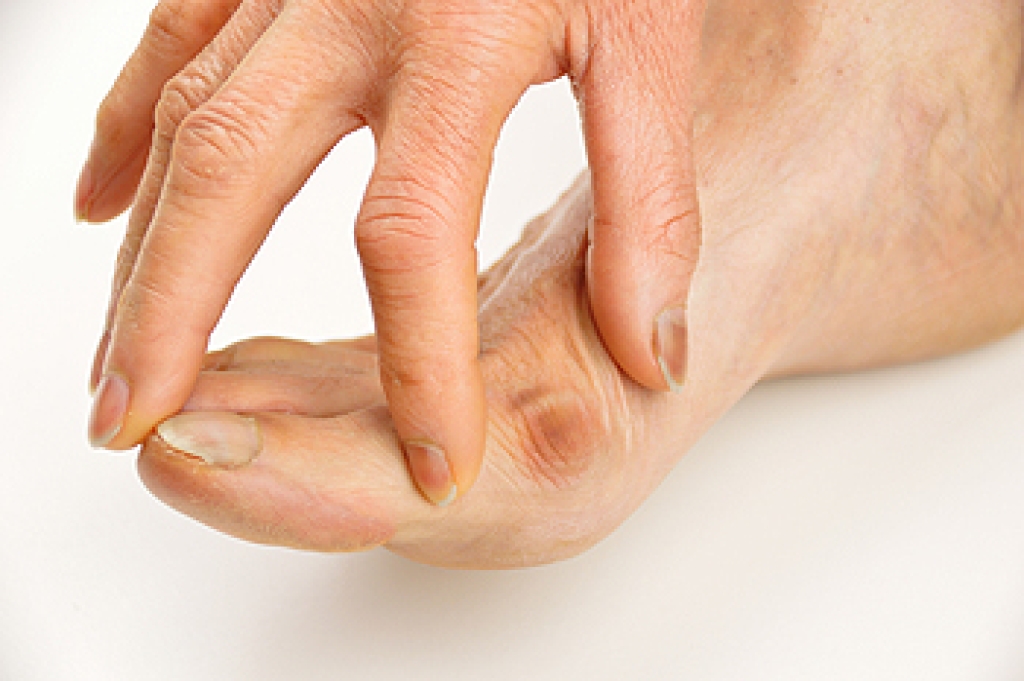
There are many types of foot conditions that may cause considerable pain and discomfort, which can lead to limited mobility. The foot is comprised of several bones, tendons and ligaments and if any one of these should endure an injury, the overall function of the body may be compromised. There are several types of foot pain most of the population may experience at some point in their lives. These may include having a corn develop, which is a small and yellowish area that generally forms on the top of the toes. This is typically the result of wearing shoes that fit incorrectly. Additionally, a bony protrusion that forms on the side of the big toe is referred to as a bunion and may develop from having arthritis or wearing improper footwear. If a fall has occurred, spraining or breaking the ankle may be a painful consequence. If you are experiencing any type of foot pain, it is advised to seek the counsel of a podiatrist who can properly treat these conditions.

Foot Pain

Foot pain can be extremely painful and debilitating. If you have a foot pain, consult with one of our podiatrists from Pennsylvania Foot & Ankle. Our doctors will assess your condition and provide you with quality foot and ankle treatment.

Causes

Foot pain is a very broad condition that could be caused by one or more ailments. The most common include:

  • Bunions
  • Hammertoes
  • Plantar Fasciitis
  • Bone Spurs
  • Corns
  • Tarsal Tunnel Syndrome
  • Ingrown Toenails
  • Arthritis (such as Gout, Rheumatoid, and Osteoarthritis)
  • Flat Feet
  • Injury (from stress fractures, broken toe, foot, ankle, Achilles tendon ruptures, and sprains)
  • And more

Diagnosis

To figure out the cause of foot pain, podiatrists utilize several different methods. This can range from simple visual inspections and sensation tests to X-rays and MRI scans. Prior medical history, family medical history, and any recent physical traumatic events will all be taken into consideration for a proper diagnosis.

Treatment

Treatment depends upon the cause of the foot pain. Whether it is resting, staying off the foot, or having surgery; podiatrists have a number of treatment options available for foot pain.

If you have any questions, please feel free to contact one of our offices located in Bensalem, Philadelphia, Northeast Philadelphia, Yardley, PA, and Hamilton, NJ . We offer the newest diagnostic and treatment technologies for all your foot care needs.

Read more about Foot Pain

Possible Causes of Gout

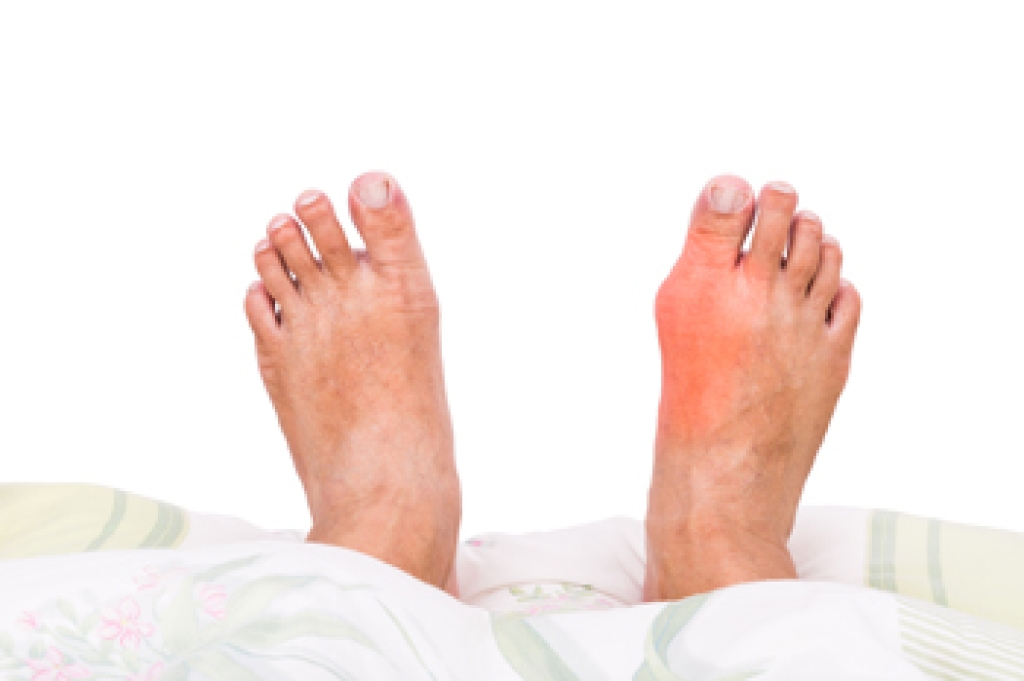
The painful condition that is known as gout is a form of arthritis. The pain is a result of excess uric acid that accumulates in the blood. This may cause crystals to form, which lodge in the joints of the big toe, and any inflammation that may occur will typically cause severe pain. This condition may develop if certain foods are ingested in excess on a frequent basis. These may include shellfish, red meat, or alcohol, and it is suggested to alter these choices for the possible prevention of gout. Research has shown there may be other factors why gout may develop, including genetic traits, ingesting specific medications, or enduring a recent trauma. If you feel you have gout, it is suggested to speak with a podiatrist as quickly as possible, so correct treatment options can be implemented.

Gout is a foot condition that requires certain treatment and care. If you are seeking treatment, contact one of our podiatrists from Pennsylvania Foot & Ankle. Our doctors will treat your foot and ankle needs.

What Is Gout?

Gout is a type of arthritis caused by a buildup of uric acid in the bloodstream. It often develops in the foot, especially the big toe area, although it can manifest in other parts of the body as well. Gout can make walking and standing very painful and is especially common in diabetics and the obese.

People typically get gout because of a poor diet. Genetic predisposition is also a factor. The children of parents who have had gout frequently have a chance of developing it themselves.

Gout can easily be identified by redness and inflammation of the big toe and the surrounding areas of the foot. Other symptoms include extreme fatigue, joint pain, and running high fevers. Sometimes corticosteroid drugs can be prescribed to treat gout, but the best way to combat this disease is to get more exercise and eat a better diet.

If you have any questions, please feel free to contact one of our offices located in Bensalem, Philadelphia, Northeast Philadelphia, Yardley, PA, and Hamilton, NJ . We offer the newest diagnostic and treatment technologies for all your foot care needs.

Read more about Everything You Need to Know About Gout

Connect With Us