Connect With Us

Tarsal tunnel syndrome, or TTS, is a condition characterized by compression of the tibial nerve as it travels through the tarsal tunnel, located on the inner side of the ankle beneath the ankle bone. This compression leads to various symptoms affecting the foot and ankle. Diagnosis of TTS involves a thorough examination by a podiatrist, including a detailed medical history and physical assessment. Common symptoms of tarsal tunnel syndrome include tingling, burning, or shooting pain along the inner ankle and the sole of the foot. Some individuals may experience numbness or weakness in the affected area, which can worsen with prolonged standing or walking. As the condition progresses, symptoms may intensify, impacting daily activities and overall quality of life. If you have pain in this part of your foot, it is strongly suggested that you visit a podiatrist who can accurately diagnose and treat tarsal tunnel syndrome.
Tarsal tunnel syndrome can be very uncomfortable to live with. If you are experiencing tarsal tunnel syndrome, contact one of our podiatrists of Pennsylvania Foot & Ankle. Our doctors can provide the care you need to keep you pain-free and on your feet.
Tarsal Tunnel Syndrome
Tarsal tunnel syndrome, which can also be called tibial nerve dysfunction, is an uncommon condition of misfiring peripheral nerves in the foot. The tibial nerve is the peripheral nerve in the leg responsible for sensation and movement of the foot and calf muscles. In tarsal tunnel syndrome, the tibial nerve is damaged, causing problems with movement and feeling in the foot of the affected leg.
Common Cause of Tarsal Tunnel Syndrome
The Effects of Tarsal Tunnel Syndrome
A physical exam of the leg can help identify the presence of tarsal tunnel syndrome. Medical tests, such as a nerve biopsy, are also used to diagnose the condition. Patients may receive physical therapy and prescriptive medication. In extreme cases, some may require surgery.
If you have any questions please contact one of our offices located in Bensalem, Philadelphia, Northeast Philadelphia, Yardley, PA, and Hamilton, NJ . We offer the newest diagnostic and treatment technologies for all your foot and ankle needs.

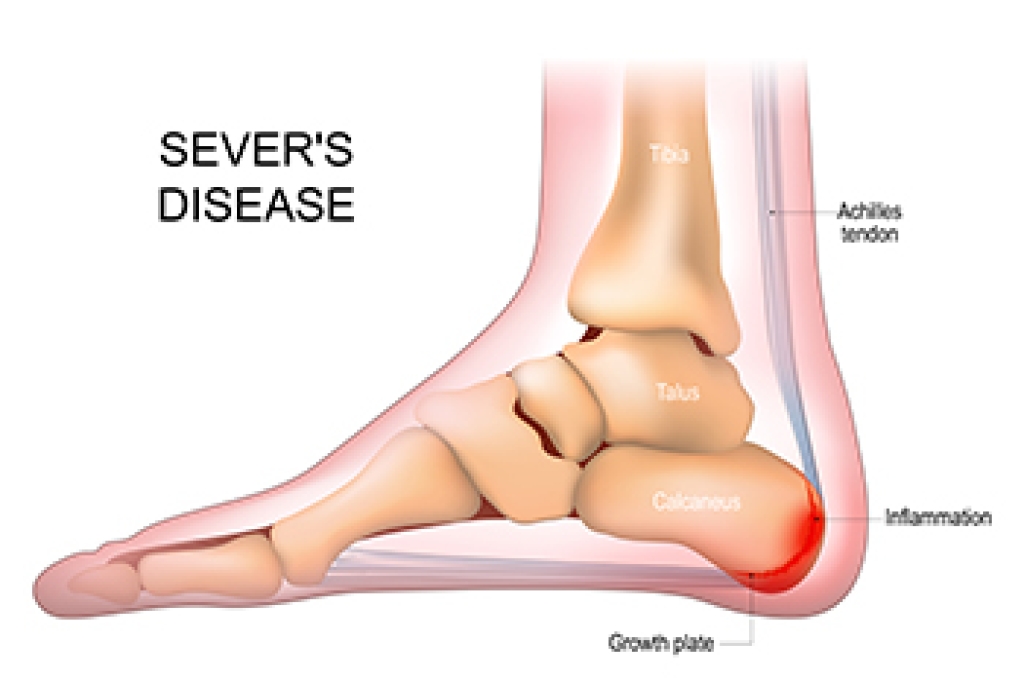
Sever's disease, despite its name, is not actually a disease but rather a common condition affecting children during periods of rapid growth. Also known as calcaneal apophysitis, Sever's disease occurs when the growth plate at the back of the heel bone becomes inflamed due to repetitive stress or overuse. This condition commonly affects active children and adolescents, particularly those involved in sports like running or jumping. Symptoms of Sever's disease typically include heel pain, tenderness, and swelling, which may worsen with physical activity and improve with rest. Although Sever's disease is temporary and does not cause long-term damage, it can be debilitating and affect a child's participation in sports and daily activities. With proper care and management, most children recover from Sever's disease within a few weeks to months, allowing them to resume their normal activities pain-free. If your child has heel pain and participates in sporting activities, it may be possible Sever’s disease has developed. It is suggested that you consult a podiatrist who can help you to manage this condition.
Sever's disease often occurs in children and teens. If your child is experiencing foot or ankle pain, see one of our podiatrists from Pennsylvania Foot & Ankle. Our doctors can treat your child’s foot and ankle needs.
Sever’s Disease
Sever’s disease is also known as calcaneal apophysitis, which is a medical condition that causes heel pain I none or both feet. The disease is known to affect children between the ages of 8 and 14.
Sever’s disease occurs when part of the child’s heel known as the growth plate (calcaneal epiphysis) is attached to the Achilles tendon. This area can suffer injury when the muscles and tendons of the growing foot do not keep pace with bone growth. Therefore, the constant pain which one experiences at the back of the heel will make the child unable to put any weight on the heel. The child is then forced to walk on their toes.
Symptoms
Acute pain – Pain associated with Sever’s disease is usually felt in the heel when the child engages in physical activity such as walking, jumping and or running.
Highly active – Children who are very active are among the most susceptible in experiencing Sever’s disease, because of the stress and tension placed on their feet.
If you have any questions, please feel free to contact one of our offices located in Bensalem, Philadelphia, Northeast Philadelphia, Yardley, PA, and Hamilton, NJ . We offer the newest diagnostic and treatment technologies for all your foot care needs.


Foot stress fractures, although often underestimated, can pose significant challenges to individuals, particularly those engaged in high-impact activities or sports. These fractures occur when excessive and repetitive stress is placed on the bones of the foot, leading to small cracks or fissures. Common causes of foot stress fractures include sudden increases in physical activity, wearing inadequate footwear, improper training techniques, and underlying conditions such as osteoporosis or nutritional deficiencies. Athletes and military personnel, who frequently engage in activities that subject their feet to repetitive stress, are especially susceptible to stress fractures. Symptoms of foot stress fractures typically include localized pain, swelling, tenderness, and difficulty bearing weight on the affected foot. If left untreated, stress fractures can worsen over time and lead to more severe complications. Therefore, early recognition of symptoms and prompt medical evaluation are essential for effective treatment and prevention of further injury. If you have endured a stress fracture, it is suggested that you schedule an appointment with a podiatrist who can effectively treat this condition.
Stress fractures occur when there is a tiny crack within a bone. To learn more, contact one of our podiatrists from Pennsylvania Foot & Ankle. Our doctors can provide the care you need to keep you pain free and on your feet.
How Are They Caused?
Stress fractures are the result of repetitive force being placed on the bone. Since the lower leg and feet often carry most of the body’s weight, stress fractures are likely to occur in these areas. If you rush into a new exercise, you are more likely to develop a stress fracture since you are starting too much, too soon. Pain resulting from stress fractures may go unnoticed at first, however it may start to worsen over time.
Risk Factors
Stress fractures do not always heal properly, so it is important that you seek help from a podiatrist if you suspect you may have one. Ignoring your stress fracture may cause it to worsen, and you may develop chronic pain as well as additional fractures.
If you have any questions please contact one of our offices located in Bensalem, Philadelphia, Northeast Philadelphia, Yardley, PA, and Hamilton, NJ . We offer the newest diagnostic and treatment technologies for all your foot and ankle needs.
Connect With Us