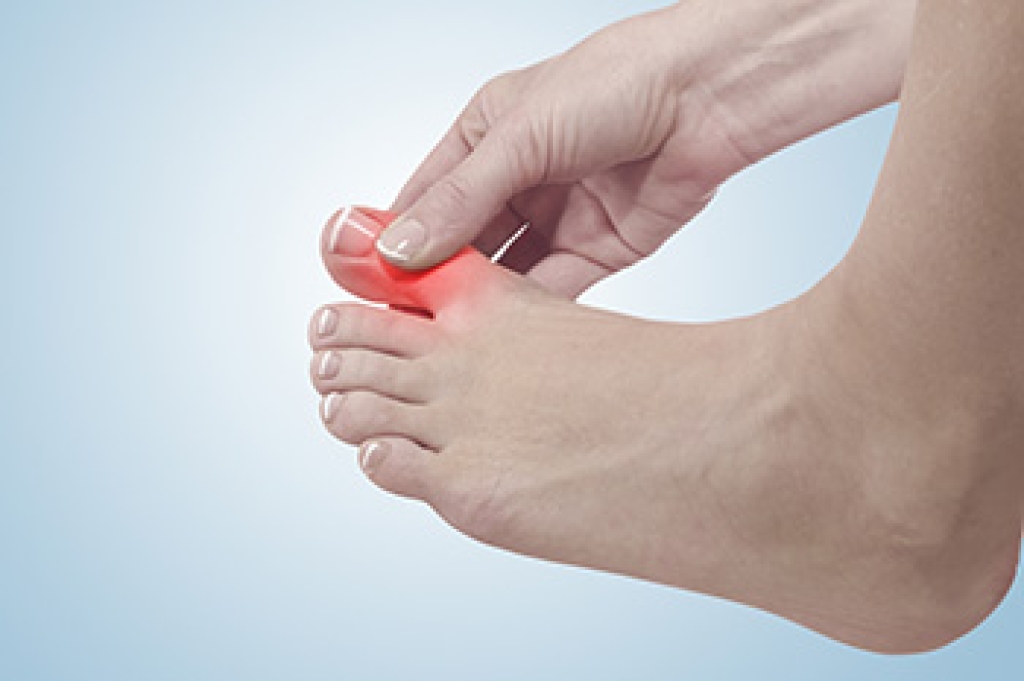
Gout and the Big Toe

Different toes from the big toe to the small pinky toe can all be impacted by various afflictions of the feet. Gout is one such foot condition that can impact the toes of the feet. In particular, gout can have a specific impact on the big toe. Gout is a specific kind of arthritis that is very common. It is an inflammatory condition that can affect the joints of the toes. When gout impacts the big toe an individual can experience severe, intense pains in the big toe joint. Swelling on the outside of the big toe is also common, as well as noticeable discoloration. Since the big toe plays such an important role in helping individuals walk, gout in the big toe can make motion very difficult. If you are prone to gout attacks and have developed this kind of arthritis in the big toe, it might also be common to experience some kind of swelling. If you are concerned about developing gout in the big toe, contact a podiatrist today for more information. 


Gout is a foot condition that requires certain treatment and care. If you are seeking treatment, contact one of our podiatrists from Pennsylvania Foot & Ankle. Our doctors will treat your foot and ankle needs.

What Is Gout?

Gout is a type of arthritis caused by a buildup of uric acid in the bloodstream. It often develops in the foot, especially the big toe area, although it can manifest in other parts of the body as well. Gout can make walking and standing very painful and is especially common in diabetics and the obese.

People typically get gout because of a poor diet. Genetic predisposition is also a factor. The children of parents who have had gout frequently have a chance of developing it themselves.

Gout can easily be identified by redness and inflammation of the big toe and the surrounding areas of the foot. Other symptoms include extreme fatigue, joint pain, and running high fevers. Sometimes corticosteroid drugs can be prescribed to treat gout, but the best way to combat this disease is to get more exercise and eat a better diet.

If you have any questions, please feel free to contact one of our offices located in Bensalem, Philadelphia, Northeast Philadelphia, Yardley, PA, and Hamilton, NJ . We offer the newest diagnostic and treatment technologies for all your foot care needs.

Read more about Gout

Baby Feet Shape

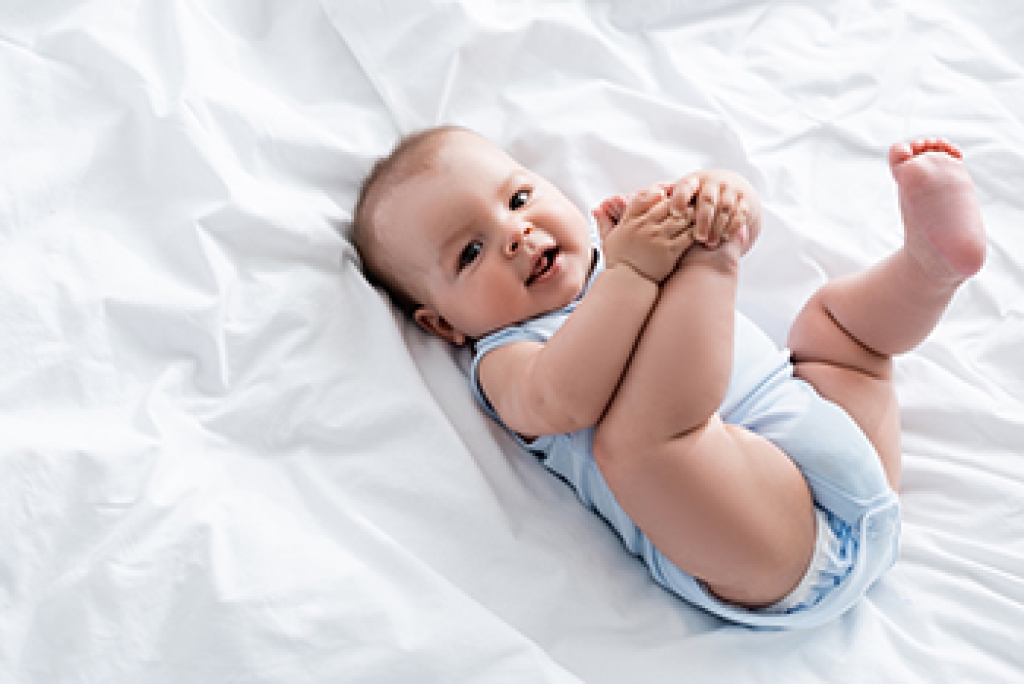
If you are a new parent, then you are likely familiar with the importance of caring for your child’s feet and ensuring that they are growing or developing appropriately. One thing that might be a source of confusion among new parents is what your baby’s foot shape is supposed to look like. Importantly, by the time a baby reaches 2 years of age, you might be able to discern what their natural foot shape will be. Babies inherit the shape of their feet from their parents, and the baby will likely exhibit one of three different shape types. First, the baby might have a tapered foot shape where the big toe is the longest toe. Second, a baby might have what is known as a rounded foot shape, where the second and third toes are actually the longest, being longer than the first. Third, the foot might be a square shape, where all of the toes in the feet are about the same length. For more information about what your baby’s feet are supposed to look like, contact a podiatrist today and schedule an appointment. 

Making sure that your children maintain good foot health is very important as they grow. If you have any questions, contact one of our podiatrists of Pennsylvania Foot & Ankle. Our doctors can provide the care you need to keep you pain-free and on your feet.

Keeping Children's Feet Healthy

Having healthy feet during childhood can help prevent medical problems later in life, namely in the back and legs. As children grow, their feet require different types of care. Here are some things to consider...

Although babies do not walk yet, it is still very important to take care of their feet.

Avoid putting tight shoes or socks on his or her feet.

Allow the baby to stretch and kick his or her feet to feel comfortable.

As a toddler, kids are now on the move and begin to develop differently. At this age, toddlers are getting a feel for walking, so don’t be alarmed if your toddler is unsteady or ‘walks funny’. 

As your child gets older, it is important to teach them how to take care of their feet.

Show them proper hygiene to prevent infections such as fungus.

Be watchful for any pain or injury.

Have all injuries checked by a doctor as soon as possible.

Comfortable, protective shoes should always be worn, especially at play.

If you have any questions, please feel free to contact one of our offices located in Bensalem, Philadelphia, Northeast Philadelphia, Yardley, PA, and Hamilton, NJ . We offer the newest diagnostic and treatment technologies for all your foot care needs.
Read more about How to Care for Your Child's Feet

Three Arches Are in Each Foot

The feet carry and support the weight of one’s entire body. Each foot has 28 bones as well as numerous joints, ligaments, and tendons, which all work together to provide support, mobility, and balance. The feet are very complex structures, and each foot has three arches. The medial longitudinal arch is supported by the plantar fascia, and the muscles of the foot guide this arch while walking or standing on tiptoes. The arch that is located on the outside of the foot is called the lateral longitudinal arch and is dependent on the cuboid bone. This bone is often out of alignment, and it must be stable for this arch to function properly. The third arch is called the metatarsal arch and it connects the tarsal bones to the metatarsal heads. Poor functioning of this arch may result in irritation of the nerve that is located between the third and fourth toes, possibly leading to the development of Morton’s neuroma. The foot is an interesting part of the body and if you would like to know more about your foot structure, please consult a podiatrist.

If you have any concerns about your feet, contact one of our podiatrists from Pennsylvania Foot & Ankle. Our doctors can provide the care you need to keep you pain-free and on your feet.

Biomechanics in Podiatry

Podiatric biomechanics is a particular sector of specialty podiatry with licensed practitioners who are trained to diagnose and treat conditions affecting the foot, ankle and lower leg. Biomechanics deals with the forces that act against the body, causing an interference with the biological structures. It focuses on the movement of the ankle, the foot and the forces that interact with them.

A History of Biomechanics

  • Biomechanics dates back to the BC era in Egypt where evidence of professional foot care has been recorded.
  • In 1974, biomechanics gained a higher profile from the studies of Merton Root, who claimed that by changing or controlling the forces between the ankle and the foot, corrections or conditions could be implemented to gain strength and coordination in the area.

Modern technological improvements are based on past theories and therapeutic processes that provide a better understanding of podiatric concepts for biomechanics. Computers can provide accurate information about the forces and patterns of the feet and lower legs.

Understanding biomechanics of the feet can help improve and eliminate pain, stopping further stress to the foot.

If you have any questions please feel free to contact one of our offices located in Bensalem, Philadelphia, Northeast Philadelphia, Yardley, PA, and Hamilton, NJ . We offer the newest diagnostic and treatment technologies for all your foot and ankle needs.

Read more about Biomechanics in Podiatry

Heel Pain Can Be Treated!

Do you suffer from heel pain when you get up in the morning? If so, you should seek professional help and have a proper diagnosis performed. Heel pain can be caused by several different foot-related conditions.

Types of Ankle Sprains

People of all walks of life are prone to getting ankle sprains, despite that many people refer to them as being a sports injury. An ankle sprain happens when the ankle is twisted or rolled beyond its normal range of motion which can happen for various reasons. These can include stepping off of a curb unexpectedly, or clumsily landing after turning or jumping. Ankle sprains fall into two categories, consisting of inversion and eversion sprains. The former is considered to be the most common type of sprain, and happens when the ankle rolls outward while the foot turns inward. An eversion sprain is the opposite, and can damage the inner ligaments. Common symptoms that can accompany both types of sprains can include swelling, bruising, and it can be difficult to walk. If you have endured an ankle sprain, please connect with a podiatrist who can determine which type it is, and offer you correct treatment options.

Although ankle sprains are common, they aren’t always minor injuries. If you need your ankle injury looked at, contact one of our podiatrists from Pennsylvania Foot & Ankle. Our doctors can provide the care you need to keep you pain-free and on your feet.

How Does an Ankle Sprain Occur?

Ankle sprains are the result of a tear in the ligaments within the ankle. These injuries may happen when you make a rapid shifting movement while your foot is planted. A less common way to sprain your ankle is when your ankle rolls inward while your foot turns outward.

What Are the Symptoms?

  • Pain at the sight of the tear
  • Bruising/Swelling
  • Ankle area is tender to touch
  • In severe cases, may hear/feel something tear
  • Skin discoloration

Preventing a Sprain

  • Wearing appropriate shoes for the occasion
  • Stretching before exercises and sports
  • Knowing your limits

Treatment of a Sprain

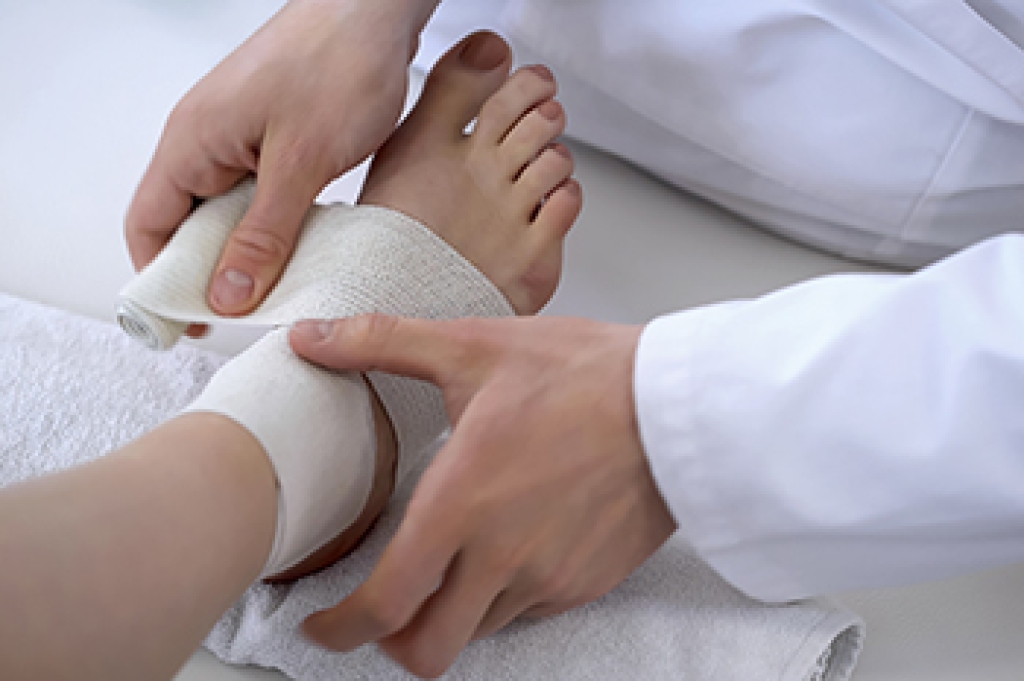
In many cases, the RICE method (Rest, Ice, Compression, and Elevate) is used to treat ankle sprains. However, you should see a podiatrist to see which treatment option would work best with your injury. In severe cases, surgery may be required.

It is important to ask your doctor about rehab options after you receive treatment for your injury. Stretching, strength training, and balance exercises may help the ankle heal while also preventing further injury.

If you have any questions, please feel free to contact one of our offices located in Bensalem, Philadelphia, Northeast Philadelphia, Yardley, PA, and Hamilton, NJ . We offer the newest diagnostic and treatment technologies for all your foot care needs.
Read more about Three Grades of Ankle Sprains

Connect With Us