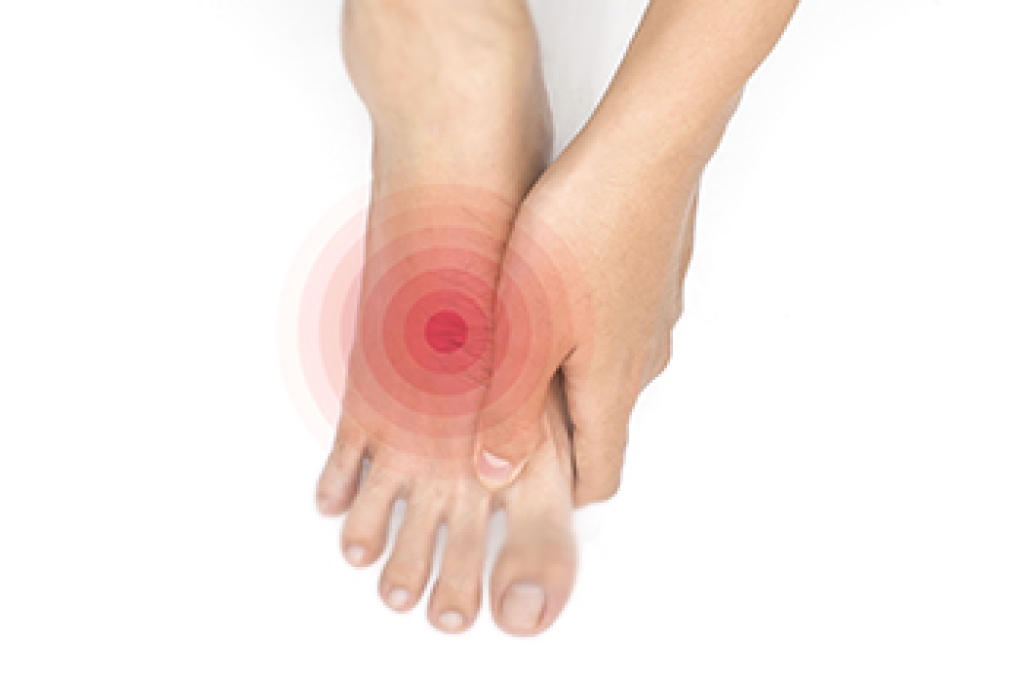
Foot Care Tips for Diabetics

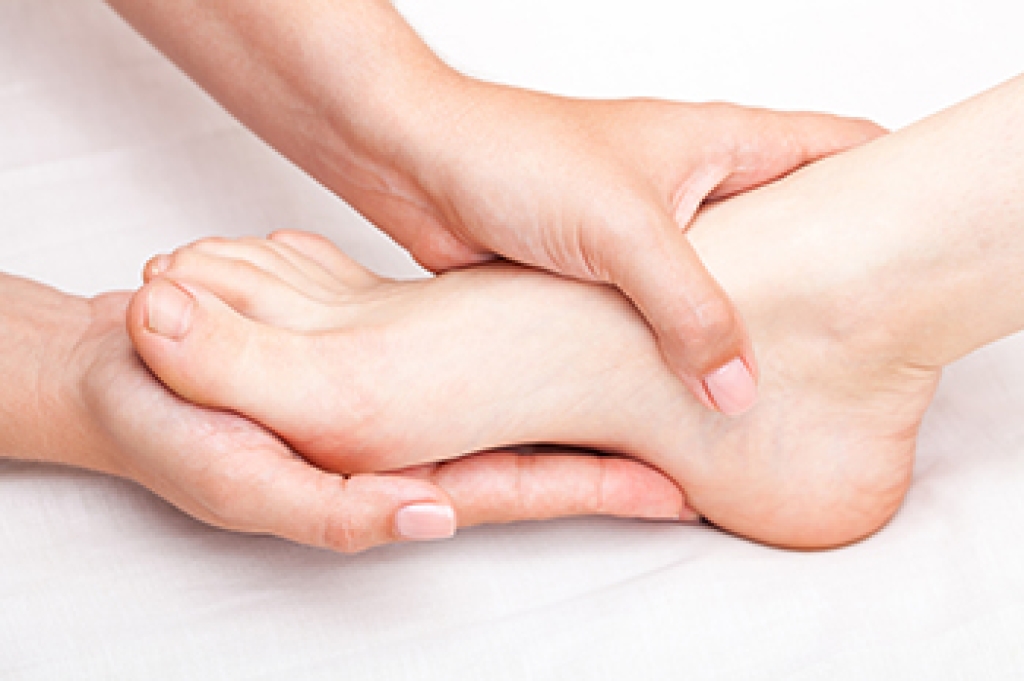
A common side effect of diabetes is the tendency to develop peripheral neuropathy and circulation problems. Both are the result of long-term high blood sugar levels.  As a result, the feet may become numb and the ability to heal may be impeded. These consequences can lead to the development of foot ulcers. Because the feet become numb, cuts and cracks in the skin may not be felt, and because of arterial disease that constricts the blood vessels to the extremities, healing takes longer. For those reasons, a daily routine of foot care is essential to anyone with diabetes. Medical professionals, such as podiatrists, suggest that washing and drying the feet daily is a must. Examining the feet for sores or cuts should happen daily. Keeping the feet elevated as often as possible is also a good idea. Experts also recommend changing to footwear that fits well, and wearing socks can help to protect the feet. For treatment of foot problems related to diabetes, it is suggested that you make regular visits to a podiatrist.

Diabetic foot care is important in preventing foot ailments such as ulcers. If you are suffering from diabetes or have any other concerns about your feet, contact one of our podiatrists from Pennsylvania Foot & Ankle. Our doctors can provide the care you need to keep you pain-free and on your feet.

Diabetic Foot Care

Diabetes affects millions of people every year. The condition can damage blood vessels in many parts of the body, especially the feet. Because of this, taking care of your feet is essential if you have diabetes, and having a podiatrist help monitor your foot health is highly recommended.

The Importance of Caring for Your Feet

  • Routinely inspect your feet for bruises or sores.
  • Wear socks that fit your feet comfortably.
  • Wear comfortable shoes that provide adequate support.

Patients with diabetes should have their doctor monitor their blood levels, as blood sugar levels play such a huge role in diabetic care. Monitoring these levels on a regular basis is highly advised.

It is always best to inform your healthcare professional of any concerns you may have regarding your feet, especially for diabetic patients. Early treatment and routine foot examinations are keys to maintaining proper health, especially because severe complications can arise if proper treatment is not applied.

If you have any questions, please feel free to contact one of our offices located in Bensalem, Philadelphia, Northeast Philadelphia, Yardley, PA, and Hamilton, NJ . We offer the newest diagnostic and treatment technologies for all your foot care needs.
Read more about Diabetic Foot Conditions

Potential Hazards From Wearing Flip Flops

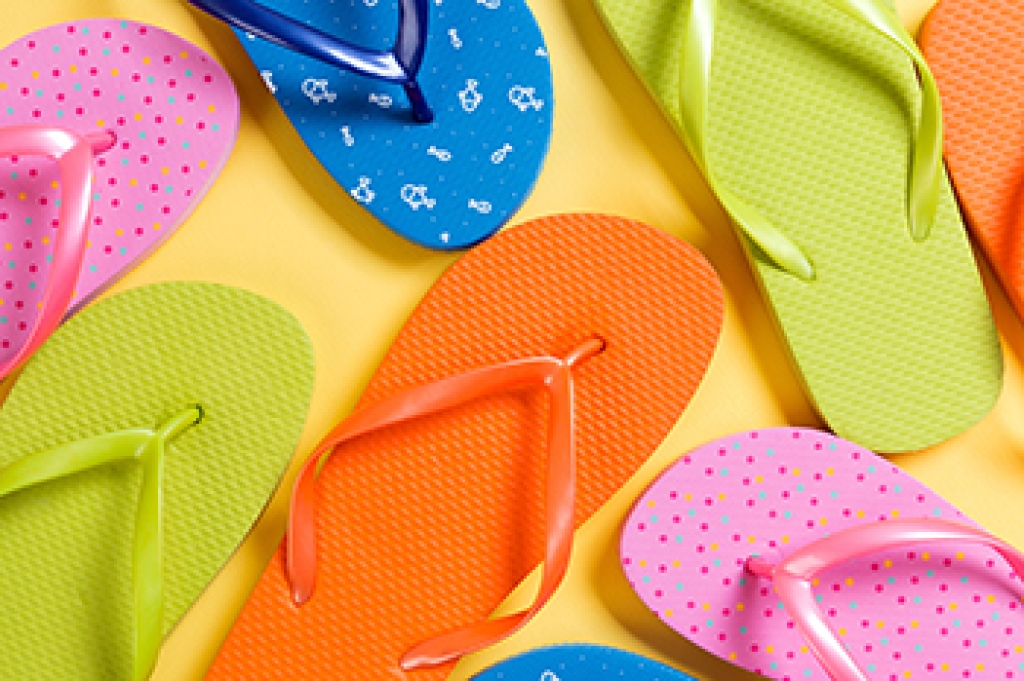
Flip-flops are easy to wear, which makes them a popular shoe choice for the summer months. Despite their simplicity, they may potentially harm the feet. Many flip-flops are made of flimsy materials and lack adequate cushioning in the heel area. Heel pain may ensue, possibly leading to plantar fasciitis. Pain may also develop in the middle of the arch which may be a symptom of tibial tendonitis. The toes may become cramped from keeping the shoe on the foot, and cause the entire foot to ache. People who enjoy wearing flip-flops may benefit from walking shorter distances in them or limiting the places they are worn. They are ideal shoes to wear to the beach, pool, or locker rooms, but are not suited for other environments. It is beneficial to purchase flip-flops that have a stiff sole, and this may help to provide adequate arch support. If you have questions about how flip-flops can affect the feet, it is suggested that you confer with a podiatrist who can provide you with useful information.

Flip-flops can cause a lot of problems for your feet. If you have any concerns about your feet or ankles, contact one of our podiatrists from Pennsylvania Foot & Ankle. Our doctors will assist you with all of your foot and ankle needs.

Flip-Flops and Feet

Flip-flops have managed to become a summer essential for a lot of people. While the shoes may be stylish and easy to slip on and off, they can be dangerous to those who wear them too often. These shoes might protect you from fungal infections such as athlete’s foot, but they can also give you foot pain and sprained ankles if you trip while wearing them.

When Are They Okay to Wear?

Flip-flops should only be worn for very short periods of time. They can help protect your feet in places that are crawling with fungi, such as gym locker rooms. Athlete’s foot and plantar warts are two common fungi that flip-flops may help protect your feet against.

Why Are They Bad for My Feet?

These shoes do not offer any arch support, so they are not ideal for everyday use. They also do not provide shock absorption or heel cushioning which can be problematic for your feet. Additionally, you may suffer from glass cuts, puncture wounds, and stubbed toes since they offer little protection for your feet.

More Reasons Why They Are Bad for Your Feet

  • They Slow You Down
  • May Cause Blisters and Calluses
  • Expose Your Feet to Bacteria

If you have any questions, please feel free to contact one of our offices located in Bensalem, Philadelphia, Northeast Philadelphia, Yardley, PA, and Hamilton, NJ . We offer the newest diagnostic and treatment technologies for all your foot care needs.
Read more about Flip Flops and Your Feet

Where Is a Plantar Fibroma Located?

A plantar fibroma is a firm mass found under the skin on the sole of the foot. It is a benign growth and may be noticed while walking or standing. It is defined as excess collagen, which may cause chronic pain, in addition to gradually increasing in size. A potential cause for a plantar fibroma to develop may be trauma that has happened to the plantar fascia. This can range from a puncture to the skin from repetitive motions, like running or climbing. Studies suggest there may be genetic factors responsible for a plantar fibroma, and they may affect people of European descent more than other nationalities. This condition may be more prevalent among people with existing conditions, such as diabetes, liver disease, or specific seizure disorders. If you notice a growth in the bottom of your foot, it is suggested that you consult with a podiatrist who can guide you toward the correct treatment options.

A plantar fibroma may disrupt your daily activities. If you have any concerns, contact one of our podiatrists of Pennsylvania Foot & Ankle. Our doctors can provide the care you need to keep you pain-free and on your feet.

Plantar Fibroma

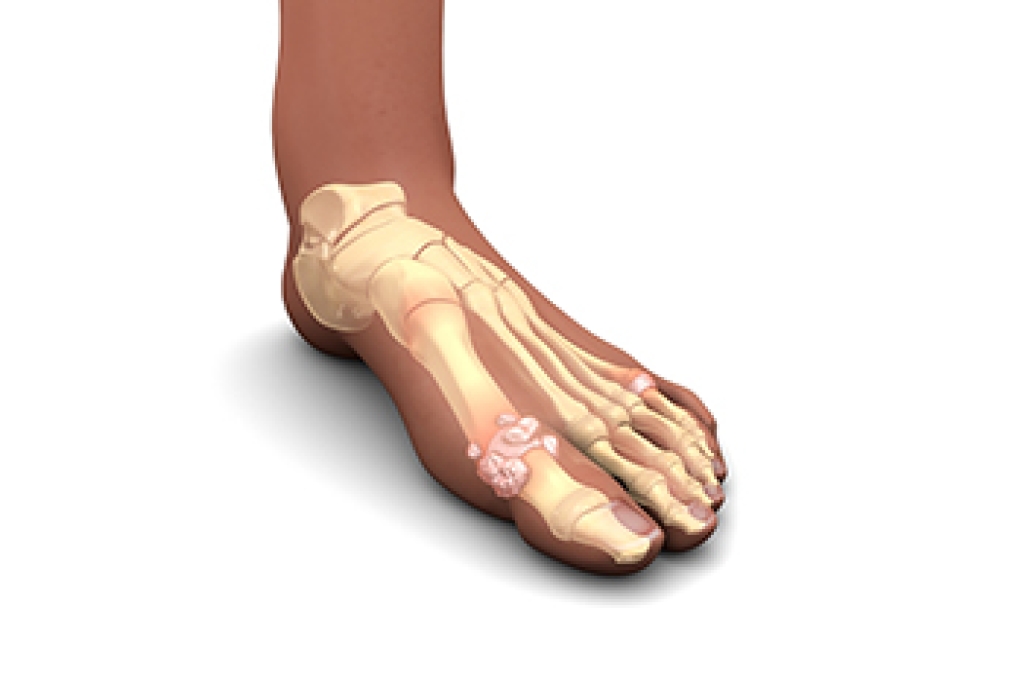
A plantar fibroma is a fibrous knot in the arch of the foot. It is embedded in the plantar fascia which is a band of tissue that extends from the heel to the toes along the bottom of the foot. There can be multiple plantar fibromas in the feet at the same time. There are no known causes for this condition. If you have a plantar fibroma, there will be a bump in the arch of your foot that cannot be missed. Any associated pain is most often due to a shoe rubbing against the nodule. Non-surgical options, such as steroid injections, physical therapy, and orthotics should be tried first. Surgery is a last resort and is the only thing that will remove a plantar fibroma entirely. Consult with a podiatrist for a proper diagnosis and to determine the treatment regimen that is right for you.

What Causes a Plantar Fibroma?

While there are no specific causes identified, a plantar fibroma can possibly come from genetic predisposition or the formation of scar tissue that forms from healing the tears in the plantar fascia.

What Are the Symptoms of a Plantar Fibroma?

There will be a noticeable lump in the arch of the foot that may or may not cause pain. If pain is felt, it is typically because a shoe is rubbing up against the lump or when walking or standing barefoot.

Treatment and Prevention

A plantar fibroma will not disappear without treatment, but it can get smaller and be a non-issue. If pain persists, a podiatrist examines the foot and when the arch of the foot is pressed, pain can be felt down to the toes. An MRI or biopsy might be performed to help diagnose or evaluate the plantar fibroma. The following non-surgical options are generally enough to reduce the size and pain of these nodules:

  • Steroid injections
  • Orthotics
  • Physical therapy to help apply anti-inflammatory creams on the bump 

Surgery is considered if the mass increases in size and the patient continues to feel pain after non-surgical methods are tried.

If you have any questions, please feel free to contact one of our offices located in Bensalem, Philadelphia, Northeast Philadelphia, Yardley, PA, and Hamilton, NJ . We offer the newest diagnostic and treatment technologies for all your foot care needs.
Read more about Plantar Fibroma

Reminder: When Was the Last Time...?

Custom orthotics, or shoe inserts, should be periodically replaced. Orthotics must fit properly to give you the best results. Protect your feet and ankles!

What Can Cause Gout?

The foot condition that is known as gout can happen suddenly. It is accompanied by severe pain and discomfort, and it is often difficult to walk. It is an ailment that affects the joints in the big toe, causing it to throb and have a burning sensation. Gout can happen if there is a family history of it occurring or possibly from the foods that are eaten. These types of foods have purines in them and include red meat, shellfish, and drinks that are made with large amounts of sugar. Eating these foods can prompt excess uric acid to form in the joints, possibly causing gout to develop. Gout attacks may be reduced when a healthy diet is implemented, in addition to engaging in a gentle exercise program. Also, it is helpful to avoid sugary foods, and it can be beneficial to drink plenty of water daily. If you have pain in your big toe, it is strongly suggested that you do not hesitate in contacting a podiatrist who can provide effective relief options and additional prevention methods.

Gout is a painful condition that can be treated. If you are seeking treatment, contact one of our podiatrists from Pennsylvania Foot & Ankle. Our doctors will treat your foot and ankle needs.

What Is Gout?

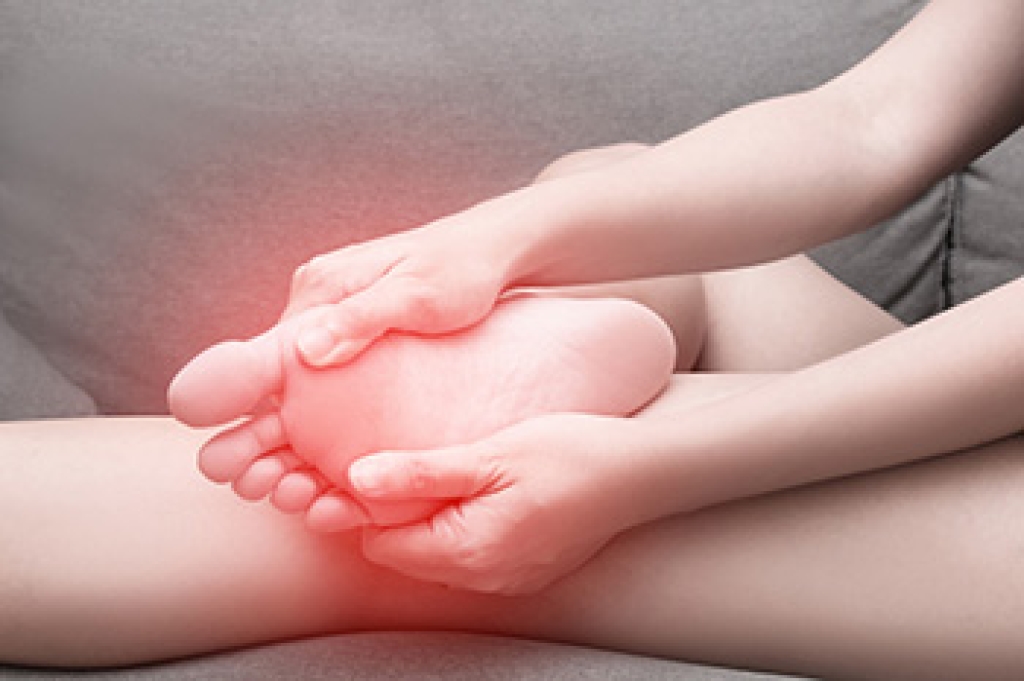
Gout is a form of arthritis that is characterized by sudden, severe attacks of pain, redness, and tenderness in the joints. The condition usually affects the joint at the base of the big toe. A gout attack can occur at any random time, such as the middle of the night while you are asleep.

Symptoms

  • Intense Joint Pain - Usually around the large joint of your big toe, and it most severe within the first four to twelve hours
  • Lingering Discomfort - Joint discomfort may last from a few days to a few weeks
  • Inflammation and Redness -Affected joints may become swollen, tender, warm and red
  • Limited Range of Motion - May experience a decrease in joint mobility

Risk Factors

  • Genetics - If family members have gout, you’re more likely to have it
  • Medications - Diuretic medications can raise uric acid levels
  • Gender/Age - Gout is more common in men until the age of 60. It is believed that estrogen protects women until that point
  • Diet - Eating red meat and shellfish increases your risk
  • Alcohol - Having more than two alcoholic drinks per day increases your risk
  • Obesity - Obese people are at a higher risk for gout

Prior to visiting your podiatrist to receive treatment for gout, there are a few things you should do beforehand. If you have gout you should write down your symptoms--including when they started and how often you experience them, important medical information you may have, and any questions you may have. Writing down these three things will help your podiatrist in assessing your specific situation so that he or she may provide the best route of treatment for you.

If you have any questions, please feel free to contact one of our offices located in Bensalem, Philadelphia, Northeast Philadelphia, Yardley, PA, and Hamilton, NJ . We offer the newest diagnostic and treatment technologies for all your foot care needs.
Read more about Everything You Need to Know About Gout

Causes of Pain in the Ball of the Foot

Pain in the ball of the foot, termed metatarsalgia, can have many causes. One of the most common causes is a condition called Morton’s neuroma. This ailment is the result of a pinched nerve and is most often felt between the third and fourth toes. Symptoms include sharp pain, numbness, burning, and tingling. Bunions are another common cause of metatarsalgia. The bony bump at the base of the big toe can become painful, and the changes in gait and posture that result often bring pain to the ball of the foot. Wearing high heels, especially those with a narrow and pointed toe box, is a further cause of pain in the ball of the foot. This type of shoe places the body’s weight onto the ball of the foot and exerts pressure on the metatarsals, as well as the joints between the toes and the foot. Being overweight also puts a person at higher risk of metatarsalgia. For help with any of these symptoms, it is suggested that you make an appointment with a podiatrist for treatment options.

Foot Pain

Foot pain can be extremely painful and debilitating. If you have a foot pain, consult with one of our podiatrists from Pennsylvania Foot & Ankle. Our doctors will assess your condition and provide you with quality foot and ankle treatment.

Causes

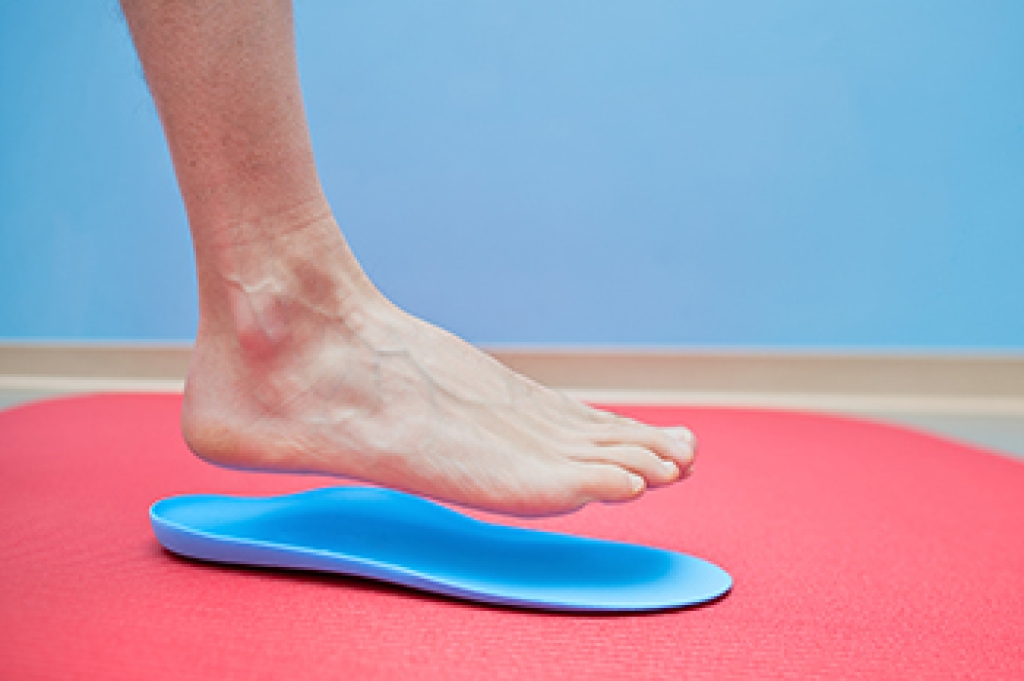
Foot pain is a very broad condition that could be caused by one or more ailments. The most common include:

  • Bunions
  • Hammertoes
  • Plantar Fasciitis
  • Bone Spurs
  • Corns
  • Tarsal Tunnel Syndrome
  • Ingrown Toenails
  • Arthritis (such as Gout, Rheumatoid, and Osteoarthritis)
  • Flat Feet
  • Injury (from stress fractures, broken toe, foot, ankle, Achilles tendon ruptures, and sprains)
  • And more

Diagnosis

To figure out the cause of foot pain, podiatrists utilize several different methods. This can range from simple visual inspections and sensation tests to X-rays and MRI scans. Prior medical history, family medical history, and any recent physical traumatic events will all be taken into consideration for a proper diagnosis.

Treatment

Treatment depends upon the cause of the foot pain. Whether it is resting, staying off the foot, or having surgery; podiatrists have a number of treatment options available for foot pain.

If you have any questions, please feel free to contact one of our offices located in Bensalem, Philadelphia, Northeast Philadelphia, Yardley, PA, and Hamilton, NJ . We offer the newest diagnostic and treatment technologies for all your foot care needs.
Read more about Foot Pain

Various Types of Orthotics

Many people choose to wear orthotics that can help to protect and realign the structure of the feet. Having plantar fasciitis, flat feet, and heel spurs are common conditions that may be helped by wearing custom-made orthotics. There are various types of insoles, consisting of every day and running. Insoles that are worn daily may last up to six months, and this can depend on how many hours they are worn. People who are athletes may be interested in learning about running insoles, which may last between three and four months. Patients who stand on their feet during the workday may benefit from wearing insoles in their work boots, and this can be successful in providing the necessary support while working. If you would like additional information about the types of orthotics that can be purchased, it is strongly suggested that you consult with a podiatrist who can guide you toward the type of orthotics that are best for you.

If you are having discomfort in your feet and would like to try orthotics, contact one of our podiatrists from Pennsylvania Foot & Ankle. Our doctors can provide the care you need to keep you pain-free and on your feet.

What Are Orthotics?

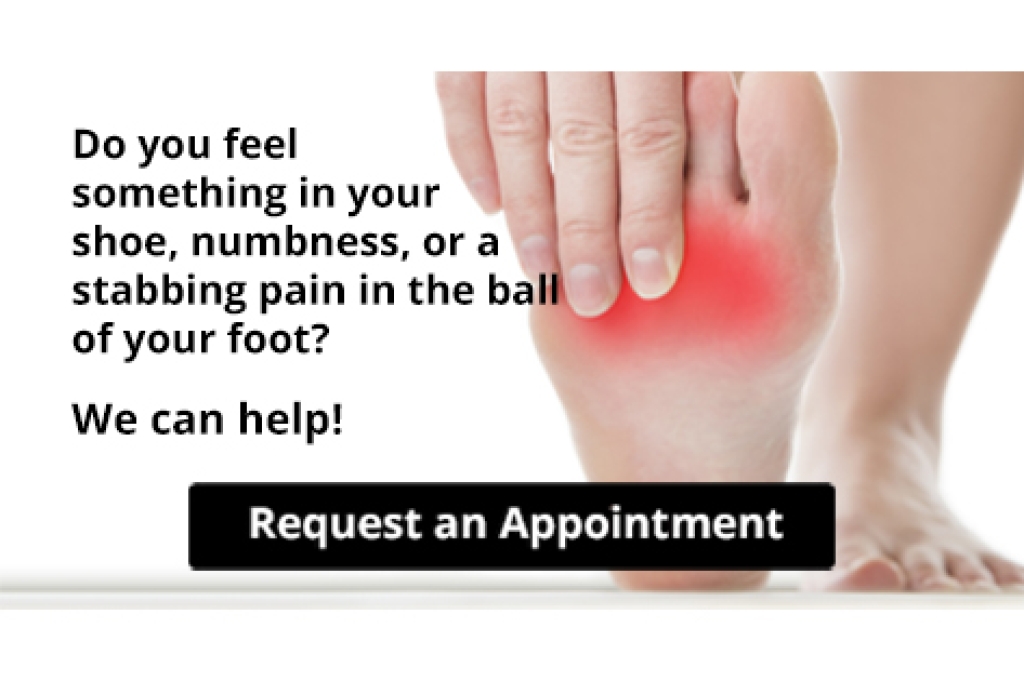
Orthotics are inserts you can place into your shoes to help with a variety of foot problems such as flat feet or foot pain. Orthotics provide relief and comfort for minor foot and heel pain but can’t correct serious biomechanical problems in your feet.

Over-the-Counter Inserts

Orthotics come in a wide variety of over-the-counter inserts that are used to treat foot pain, heel pain, and minor problems. For example, arch supports can be inserted into your shoes to help correct overarched or flat feet, while gel insoles are often used because they provide comfort and relief from foot and heel pain by alleviating pressure.

Prescription Orthotics

If over-the-counter inserts don’t work for you or if you have a more severe foot concern, it is possible to have your podiatrist prescribe custom orthotics. These high-quality inserts are designed to treat problems such as abnormal motion, plantar fasciitis, and severe forms of heel pain. They can even be used to help patients suffering from diabetes by treating foot ulcers and painful calluses and are usually molded to your feet individually, which allows them to provide full support and comfort.

If you are experiencing minor to severe foot or heel pain, it’s recommended to speak with your podiatrist about the possibilities of using orthotics. A podiatrist can determine which type of orthotic is right for you and allow you to take the first steps towards being pain-free.

If you have any questions, please feel free to contact one of our offices located in Bensalem, Philadelphia, Northeast Philadelphia, Yardley, PA, and Hamilton, NJ . We offer the newest diagnostic and treatment technologies for all your foot care needs.
Read more about Ankle Foot Orthotics for Athletes

Why Live with Pain and Numbness in Your Feet?

Suffering from this type of pain? You may have the foot condition known as Morton's neuroma. Morton's neuroma may develop as a result of ill-fitting footwear and existing foot deformities. We can help.

Preventing Falls Outside

If you are a senior, then you may already be familiar with the risk of falling or tripping that many older Americans experience. Doing the best to prevent falling can be an essential part of a senior’s foot care plan, as falling can lead to foot conditions such as fractures. One area in which a senior may be extra careful to prevent falling is on parking lots and sidewalks. By keeping these areas in good repair around one’s house, a senior can potentially prevent a fall. Also, addressing the accumulation of any snow or ice around these areas is also critical to preventing falls. If you are a senior or are caring for one, it is suggested that you contact a podiatrist about falls prevention.

Preventing falls among the elderly is very important. If you are older and have fallen or fear that you are prone to falling, consult with one of our podiatrists from Pennsylvania Foot & Ankle. Our doctors will assess your condition and provide you with quality advice and care.

Every 11 seconds, an elderly American is being treated in an emergency room for a fall related injury. Falls are the leading cause of head and hip injuries for those 65 and older. Due to decreases in strength, balance, senses, and lack of awareness, elderly persons are very susceptible to falling. Thankfully, there are a number of things older persons can do to prevent falls.

How to Prevent Falls

Some effective methods that older persons can do to prevent falls include:

  • Enrolling in strength and balance exercise program to increase balance and strength
  • Periodically having your sight and hearing checked
  • Discuss any medications you have with a doctor to see if it increases the risk of falling
  • Clearing the house of falling hazards and installing devices like grab bars and railings
  • Utilizing a walker or cane
  • Wearing shoes that provide good support and cushioning
  • Talking to family members about falling and increasing awareness

Falling can be a traumatic and embarrassing experience for elderly persons; this can make them less willing to leave the house, and less willing to talk to someone about their fears of falling. Doing such things, however, will increase the likelihood of tripping or losing one’s balance. Knowing the causes of falling and how to prevent them is the best way to mitigate the risk of serious injury.  

If you have any questions, please feel free to contact one of our offices located in Bensalem, Philadelphia, Northeast Philadelphia, Yardley, PA, and Hamilton, NJ . We offer the newest diagnostic and treatment technologies for all your foot care needs.

Read more about Falls Prevention

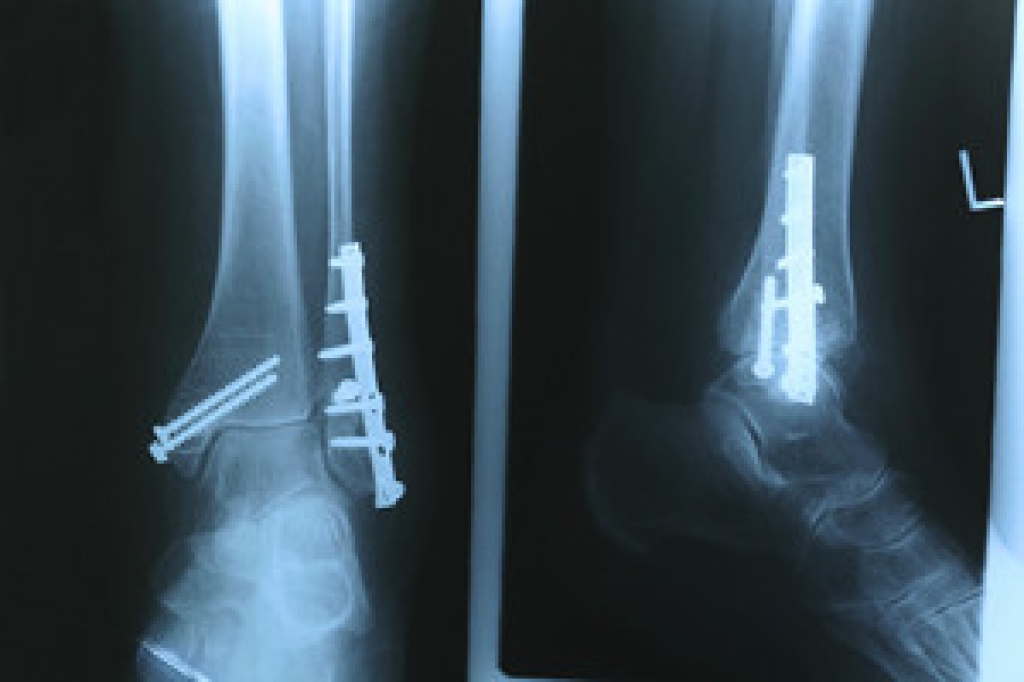
Is Ankle Surgery Right for Me?

People who are severely afflicted by ankle arthritis may choose to have ankle surgery performed. It is considered to be joint replacement surgery, and may be successful in removing damaged tissue in the ankle. This is followed by replacing it with a metal or plastic prosthesis. The benefits of this type of surgery may include improved range of motion in the ankle, and can protect the ankle joint. Research has shown the ideal candidate can include patients who are middle-aged or above, have a normal weight, and refrain from having a physically demanding lifestyle. The recovery process can consist of using crutches for two weeks after surgery, followed by wearing a protective boot for approximately six weeks. Many patients practice ankle stretches or exercises at this point, which will gradually strengthen the ankle, and normal activity can eventually resume. If you have severe ankle pain and are considering having joint replacement surgery performed, it is strongly suggested that you are under the care of a podiatrist who can determine if this is the right choice for you.

In certain cases, in which the patient suffers from extreme pain or damage in a joint, joint replacement surgery may be deemed useful. If you have constant pain in a foot joint, consult with one of our podiatrists from Pennsylvania Foot & Ankle. Our doctors will assess your condition and provide you with quality foot and ankle treatment.

What Is Joint Replacement Surgery?

Over time, joints wear down; this can be exacerbated by diseases and conditions. Joint replacement surgery, also known as arthroplasty, is when a damaged joint is surgically removed and replaced with a prosthesis. Prostheses, which can be made of ceramic, plastic, or metal, act as joints in lieu of an actual joint. One of the most prevalent causes for joint replacement is arthritis.

Arthritis in the Foot

Arthritis can occur in any joint in the body, including in the feet. Common types of arthritis in the foot are osteoarthritis, rheumatoid arthritis, and gout. The big toe is usually where arthritis occurs in the foot; this is known as hallux rigidus.

Joint Replacement Surgery in the Foot

The most common form of joint replacement in the foot is a first metatarsophalangeal (MTP) joint placement. MTP joint replacement surgery is designed to treat hallux rigidus. Surgery is not intensive, and recovery occurs within one to two months after the procedure has been done. Overall, joint replacement surgery is a safe and effective way to treat pain in the joint of the foot.

If you have any questions, please feel free to contact one of our offices located in Bensalem, Philadelphia, Northeast Philadelphia, Yardley, PA, and Hamilton, NJ . We offer the newest diagnostic and treatment technologies for all your foot care needs.
Read more about Joint Replacement Surgery

Connect With Us