Diabetic Wound Care

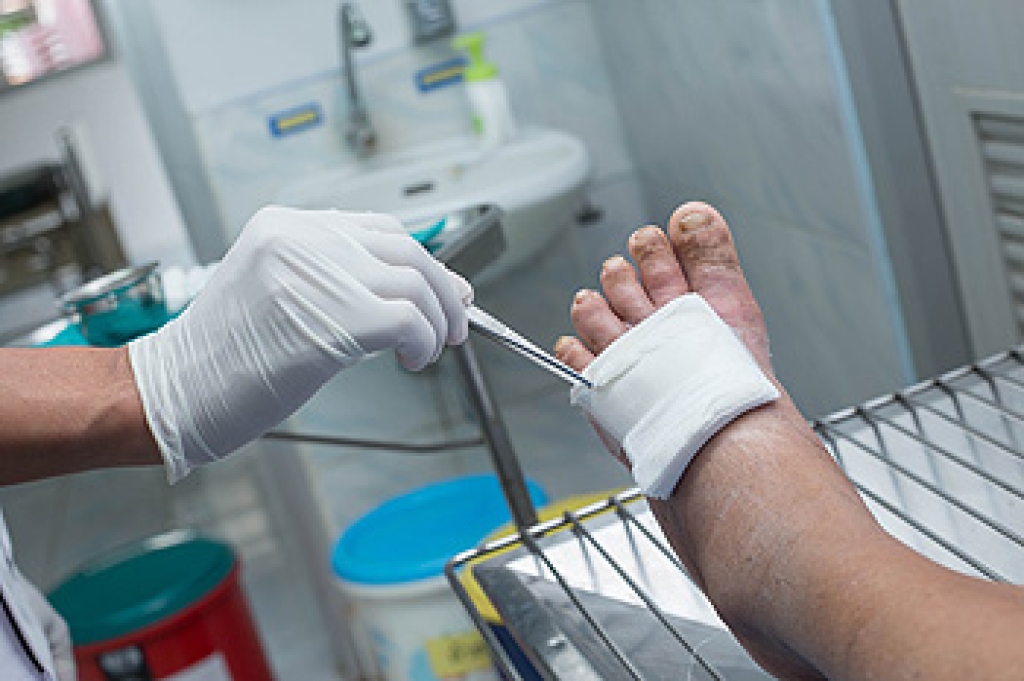
Diabetic patients are often aware of the importance of taking care of their feet. It may be difficult to feel if a cut or scrape has occurred, and it is crucial to implement proper wound care. This process can consist of keeping as much weight off the affected foot as possible, in addition to using the right kind of bandage for each type of wound. This can be beneficial in allowing the wound to properly drain and heal. Wounds that have difficulty in healing may have to undergo other forms of treatment. These can consist of a method that can increase the oxygen supply in the bloodstream which is referred to as hyperbaric oxygen therapy. An additional alternative may be using a skin substitute over the affected area, and this may help to protect the wound as the healing process takes place. If you are afflicted with wounds on the feet, it is suggested that you consult with a podiatrist who can guide you toward the correct wound care treatment for you.

Wound care is an important part in dealing with diabetes. If you have diabetes and a foot wound or would like more information about wound care for diabetics, consult with one of our podiatrists from Pennsylvania Foot & Ankle. Our doctors will assess your condition and provide you with quality foot and ankle treatment.

What Is Wound Care?

Wound care is the practice of taking proper care of a wound. This can range from the smallest to the largest of wounds. While everyone can benefit from proper wound care, it is much more important for diabetics. Diabetics often suffer from poor blood circulation which causes wounds to heal much slower than they would in a non-diabetic. 

What Is the Importance of Wound Care?

While it may not seem apparent with small ulcers on the foot, for diabetics, any size ulcer can become infected. Diabetics often also suffer from neuropathy, or nerve loss. This means they might not even feel when they have an ulcer on their foot. If the wound becomes severely infected, amputation may be necessary. Therefore, it is of the upmost importance to properly care for any and all foot wounds.

How to Care for Wounds

The best way to care for foot wounds is to prevent them. For diabetics, this means daily inspections of the feet for any signs of abnormalities or ulcers. It is also recommended to see a podiatrist several times a year for a foot inspection. If you do have an ulcer, run the wound under water to clear dirt from the wound; then apply antibiotic ointment to the wound and cover with a bandage. Bandages should be changed daily and keeping pressure off the wound is smart. It is advised to see a podiatrist, who can keep an eye on it.

If you have any questions please contact one of our offices located in Bensalem, Philadelphia, Northeast Philadelphia, Yardley, PA, and Hamilton, NJ . We offer the newest diagnostic and treatment technologies for all your foot and ankle needs.

Read more about Wound Care

It's Time for Beautiful Feet

You don't need an excuse to have beautiful nails. Step outside without worrying about the appearance of your feet.

Correct Shoes for Different Types of Running

When choosing running shoes that fit correctly, it is important to properly measure your foot. This is helpful in determining the correct size that provides maximum comfort. There are several different forms of running styles, and it is wise to purchase running shoes that correlate with your choice. While running on uneven surfaces, the feet will feel better when flexible shoes are worn, and this can be helpful in providing ample support and cushioning. There are shoes that are designed for running on trails where rocks and mud may be present. These types of shoes have additional tread which can be beneficial in providing the support that is needed while engaging in this type of running. If you have questions about running shoes, it is suggested that you consult with a podiatrist who can guide you toward choosing shoes that are correct for you.

You should always make sure your running shoes fit properly in order to avoid injury. For more information, contact one of our podiatrists from Pennsylvania Foot & Ankle. Our doctors can provide the care you need to keep you pain-free and on your feet.

Choosing the Right Running Shoe for Your Foot Type

Improper shoe sizing can cause a myriad of problems for your feet. Shoes that don’t fit you properly can lead to muscular imbalances in your body, which can result in foot, knee, and hip injuries.

Tips for Finding the Right Running Shoe

  • Make sure you have a thumb’s width of wiggle room between the end of your longest toe and the front of the shoe.
  • There should be little to no slipping at the heel
  • Don’t assume your size in one shoe brand will be your size in another
  • Do not lace up your shoes too tightly
  • Walk around in the store with your new shoes before you buy them

If you have any questions, please feel free to contact one of our offices located in Bensalem, Philadelphia, Northeast Philadelphia, Yardley, PA, and Hamilton, NJ . We offer the newest diagnostic and treatment technologies for all your foot care needs.

Read more about Choosing the Right Running Shoe

Can Running Injuries Be Prevented?

The sport of running is known to be therapeutic and enjoyable. Research has indicated there are methods which can be implemented which may prevent painful running injuries. When the legs and feet are warmed up, the muscles become flexible, and can be less prone to having an injury occur. This can be accomplished by performing leg swings. It is beneficial to perform this type of stretch by standing on one leg, and swinging the other leg forward and backward. This can be instrumental in developing strength. It is helpful to run with a specific reason in mind, which can vary from running up and down hills to running on smooth pavement. This awareness may prevent running injuries by focusing on what type of steps are being taken. Additionally, it helps the body to run in small increments on a daily basis, and this may help to keep the body limber. If you would like additional information about how to prevent running injuries, please schedule a consultation with a podiatrist.

All runners should take extra precaution when trying to avoid injury. If you have any concerns about your feet, contact one of our podiatrists of Pennsylvania Foot & Ankle. Our doctors will treat your foot and ankle needs.

How to Prevent Running Injuries

There are a lot of mistakes a runner can make prior to a workout that can induce injury. A lot of athletes tend to overstretch before running, instead of saving those workouts for a post-run routine. Deep lunges and hand-to-toe hamstring pulls should be performed after a workout instead of during a warmup. Another common mistake is jumping into an intense routine before your body is physically prepared for it. You should try to ease your way into long-distance running instead of forcing yourself to rush into it.

More Tips for Preventing Injury

  • Incorporate Strength Training into Workouts - This will help improve the body’s overall athleticism
  • Improve and Maintain Your Flexibility – Stretching everyday will help improve overall performance
  • “Warm Up” Before Running and “Cool Down” Afterward – A warm up of 5-10 minutes helps get rid of lactic acid in the muscles and prevents delayed muscle soreness
  • Cross-Training is Crucial
  • Wear Proper Running Shoes
  • Have a Formal Gait Analysis – Poor biomechanics can easily cause injury

If you have any questions, please feel free to contact one of our offices located in Bensalem, Philadelphia, Northeast Philadelphia, Yardley, PA, and Hamilton, NJ . We offer the newest diagnostic and treatment technologies for all your foot care needs.

Read more about Preventing Running Injuries

Possible Causes of Athlete’s Foot

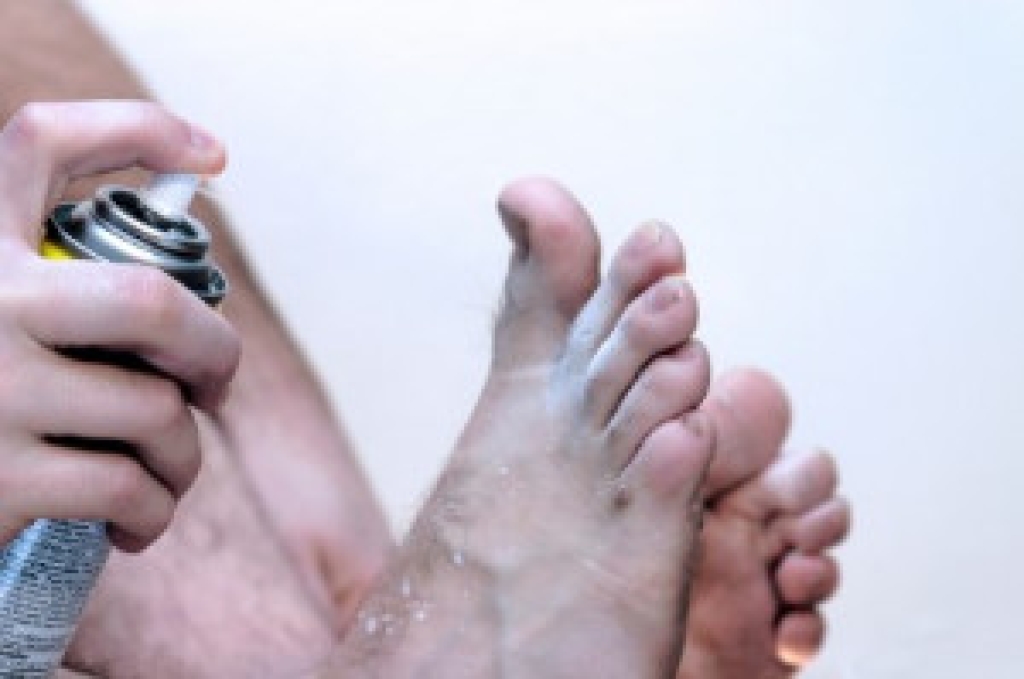
The medical term for athlete’s foot is known as tinea pedis. It is a condition that affects the feet, and is caused by a fungus. Many patients notice symptoms of this condition between the toes and on the bottom of the feet, which often include severe itchiness and a burning sensation. The fungus of this contagious ailment lives and thrives in warm and moist environments. These can include public swimming pools, shower room floors, and surrounding areas. To avoid getting this uncomfortable condition, it is important to wear appropriate shoes while in these areas. Additionally, it is beneficial to wear clean shoes and socks, and it will also help to keep the toenails trimmed. Relief may be found while using an antifungal spray on the affected areas. For more severe cases, it is suggested that you speak to a podiatrist who can offer proper treatment options, which may include medication.

Athlete’s foot is an inconvenient condition that can be easily reduced with the proper treatment. If you have any concerns about your feet and ankles, contact one of our podiatrists from Pennsylvania Foot & Ankle.  Our doctors will treat your foot and ankle needs.

Athlete’s Foot: The Sole Story

Athlete's foot, also known as tinea pedis, can be an extremely contagious foot infection. It is commonly contracted in public changing areas and bathrooms, dormitory style living quarters, around locker rooms and public swimming pools, or anywhere your feet often come into contact with other people.

Solutions to Combat Athlete’s Foot

  • Hydrate your feet by using lotion
  • Exfoliate
  • Buff off nails
  • Use of anti-fungal products
  • Examine your feet and visit your doctor if any suspicious blisters or cuts develop

Athlete’s foot can cause many irritating symptoms such as dry and flaking skin, itching, and redness. Some more severe symptoms can include bleeding and cracked skin, intense itching and burning, and even pain when walking. In the worst cases, Athlete’s foot can cause blistering as well. Speak to your podiatrist for a better understanding of the different causes of Athlete’s foot, as well as help in determining which treatment options are best for you.

If you have any questions please feel free to contact one of our offices located in Bensalem, Philadelphia, Northeast Philadelphia, Yardley, PA, and Hamilton, NJ . We offer the newest diagnostic and treatment technologies for all your foot and ankle needs.
Read more about Athlete’s Foot

Connect With Us