
You don't need an excuse to have beautiful nails. Step outside without worrying about the appearance of your feet.
You don't need an excuse to have beautiful nails. Step outside without worrying about the appearance of your feet.
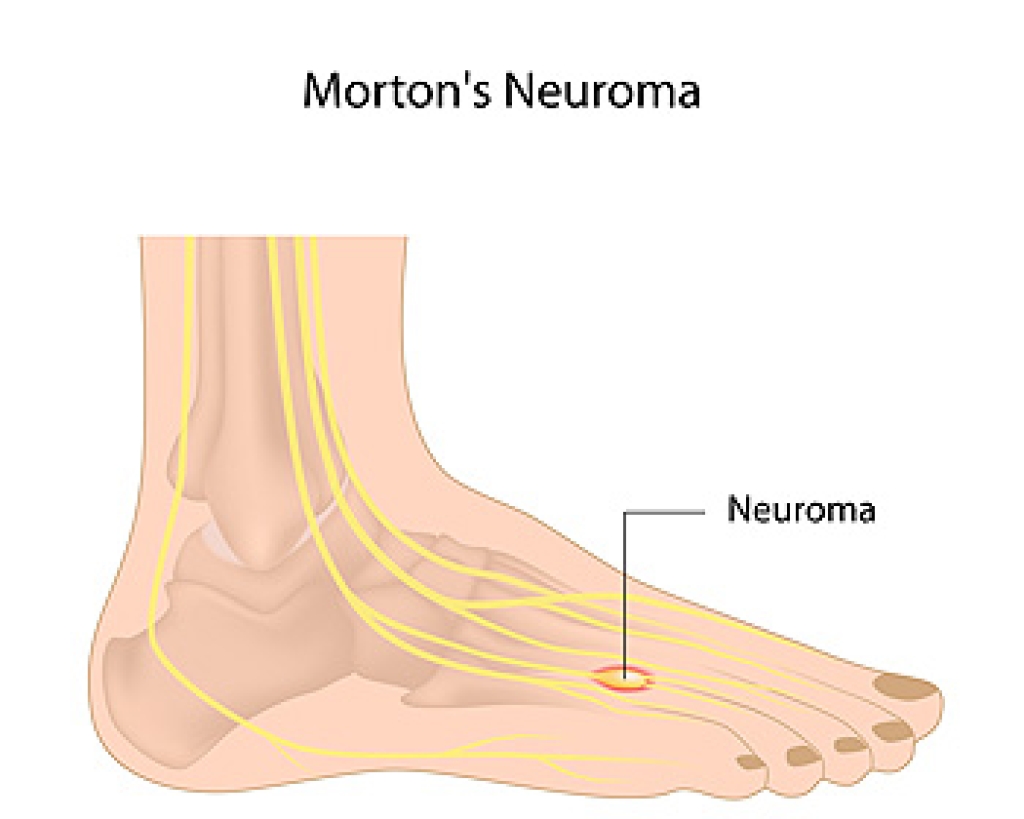
Foot pain can significantly impact one's quality of life, limiting activities like walking, exercising, and even playing with your children. Morton's neuroma is an increasingly common condition that arises from the thickening of nerve tissues in the foot due to extreme compression and irritation. The condition stems from compression of the plantar digital nerves and can lead to permanent damage if not treated promptly. Morton's neuroma most often occurs between the third and fourth toes. Women are more susceptible, possibly due to wearing high-heeled shoes. Improper foot biomechanics, like flat feet or high arches, can also contribute by creating instability around the toe joints. Symptoms of Morton's neuroma include pain, tingling, numbness, and burning sensations, often felt between the toes or in the ball of the foot. Swelling is common, particularly between the toes. Tight, narrow-toed shoes can increase nerve stress and make matters worse. Walking, especially on stairs, can further intensify the pain. Non-surgical interventions include custom orthotic shoe inserts, wearing comfortable shoes with room for the toes, and taking anti-inflammatory medication. Early consultation with a podiatrist is suggested for tailored treatment plans and to avoid surgery.
Morton’s neuroma is a very uncomfortable condition to live with. If you think you have Morton’s neuroma, contact one of our podiatrists of Pennsylvania Foot & Ankle. Our doctors will attend to all of your foot care needs and answer any of your related questions.
Morton’s Neuroma
Morton's neuroma is a painful foot condition that commonly affects the areas between the second and third or third and fourth toe, although other areas of the foot are also susceptible. Morton’s neuroma is caused by an inflamed nerve in the foot that is being squeezed and aggravated by surrounding bones.
What Increases the Chances of Having Morton’s Neuroma?
Morton’s neuroma is a very treatable condition. Orthotics and shoe inserts can often be used to alleviate the pain on the forefront of the feet. In more severe cases, corticosteroids can also be prescribed. In order to figure out the best treatment for your neuroma, it’s recommended to seek the care of a podiatrist who can diagnose your condition and provide different treatment options.
If you have any questions, please feel free to contact one of our offices located in Bensalem, Philadelphia, Northeast Philadelphia, Yardley, PA, and Hamilton, NJ . We offer the newest diagnostic and treatment technologies for all your foot care needs.
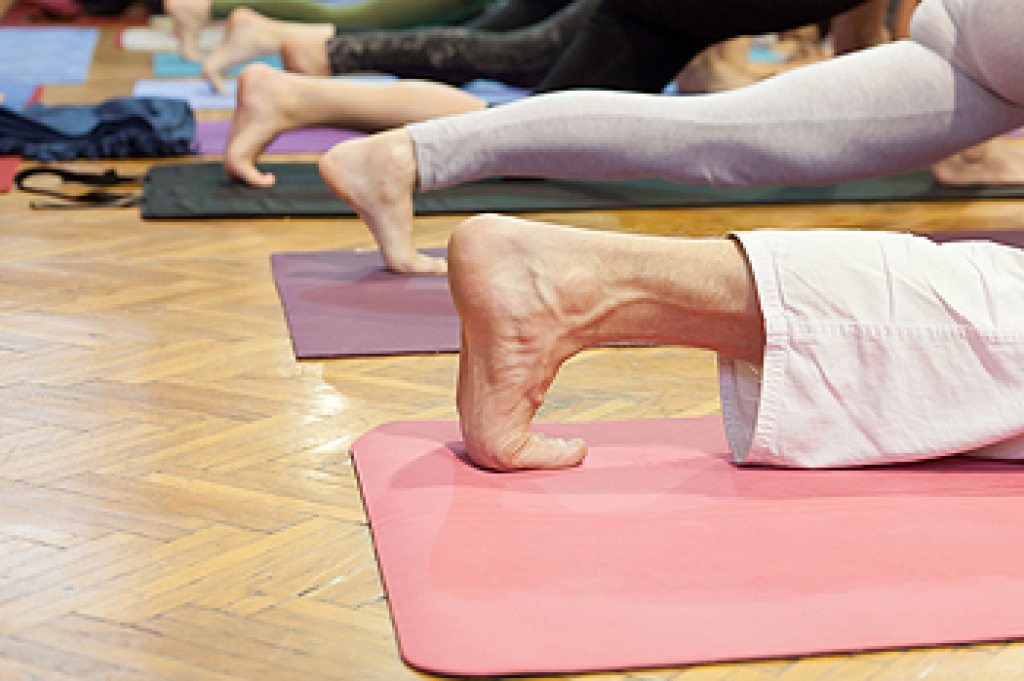
The toes play a crucial role in our everyday movements, providing balance and stability. However, they are often overlooked when it comes to stretching and exercise routines. Just like any other part of our body, the toes can benefit from regular stretching to improve flexibility and prevent discomfort. Toe stretches can be simple yet effective, promoting blood circulation and relieving tension in the feet. One easy stretch involves sitting comfortably with feet flat on the floor and toes spread apart as much as possible. Hold this position for a few seconds and repeat it several times. Another beneficial stretch is gently pulling the toes back towards the body while keeping the foot flat on the ground. Regular toe stretching can be particularly beneficial for individuals who spend long hours on their feet, wear tight footwear, or suffer from conditions such as plantar fasciitis. If you would like additional information about various toe stretches, it is suggested that you consult with a podiatrist.
Stretching the feet is a great way to prevent injuries. If you have any concerns with your feet consult with one of our podiatrists from Pennsylvania Foot & Ankle. Our doctors will assess your condition and provide you with quality foot and ankle treatment.
Stretching the Feet
Stretching the muscles in the foot is an important part in any physical activity. Feet that are tight can lead to less flexibility and make you more prone to injury. One of the most common forms of foot pain, plantar fasciitis, can be stretched out to help ease the pain. Stretching can not only ease pain from plantar fasciitis but also prevent it as well. However, it is important to see a podiatrist first if stretching is right for you. Podiatrists can also recommend other ways to stretch your feet. Once you know whether stretching is right for you, here are some excellent stretches you can do.
It is best to go easy when first stretching your foot and work your way up. If your foot starts hurting, stop exercising and ice and rest the foot. It is advised to then see a podiatrist for help.
If you have any questions please contact one of our offices located in Bensalem, Philadelphia, Northeast Philadelphia, Yardley, PA, and Hamilton, NJ . We offer the newest diagnostic and treatment technologies for all your foot and ankle needs.

A condition known as foot drop is characterized by the inability to clear the ground while taking a step. Instead, the toe drags along the ground when you walk, causing the need to lift the foot in a march-like stance. Foot drop is caused by a weakness or paralysis of the muscles that lift the foot. It can be the result of injury or damage to the nerves in the leg. It also can be the result of a neurological condition, such as multiple sclerosis. Other conditions linked to foot drop include stroke and peripheral neuropathy. In some cases, foot drop can be managed if not cured. Certain exercises can help to strengthen muscles in the feet and lower legs. Removing loose rugs in the home that can cause tripping or falling is another measure that can reduce the effects of foot drop. An ankle-foot orthosis on the lower part of the leg can help to direct control of the foot and ankle. A change in footwear to shoes with adjustable straps and lower heels may also be needed. To find out more about ways of dealing with foot drop, it is suggested that you make an appointment with a podiatrist.
If you have any concerns about your feet, contact one of our podiatrists from Pennsylvania Foot & Ankle. Our doctors can provide the care you need to keep you pain-free and on your feet.
Biomechanics in Podiatry
Podiatric biomechanics is a particular sector of specialty podiatry with licensed practitioners who are trained to diagnose and treat conditions affecting the foot, ankle and lower leg. Biomechanics deals with the forces that act against the body, causing an interference with the biological structures. It focuses on the movement of the ankle, the foot and the forces that interact with them.
A History of Biomechanics
Modern technological improvements are based on past theories and therapeutic processes that provide a better understanding of podiatric concepts for biomechanics. Computers can provide accurate information about the forces and patterns of the feet and lower legs.
Understanding biomechanics of the feet can help improve and eliminate pain, stopping further stress to the foot.
If you have any questions please feel free to contact one of our offices located in Bensalem, Philadelphia, Northeast Philadelphia, Yardley, PA, and Hamilton, NJ . We offer the newest diagnostic and treatment technologies for all your foot and ankle needs.

Do you suffer from heel pain when you get up in the morning? If so, you should seek professional help and have a proper diagnosis performed. Heel pain can be caused by several different foot-related conditions.
Connect With Us
