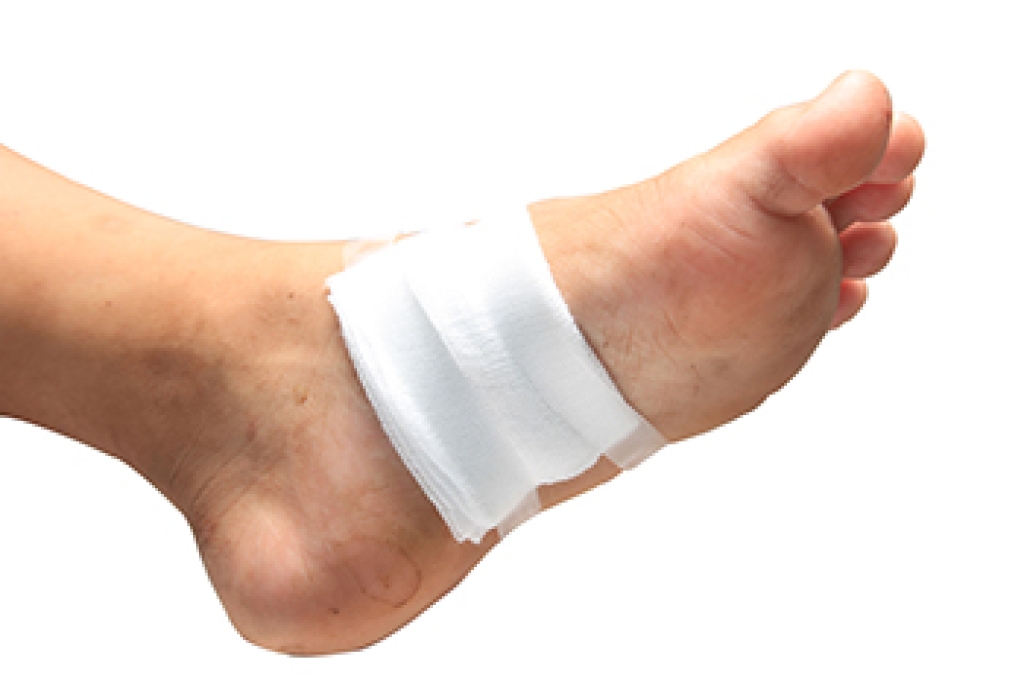
Care of Foot Ulcers

Foot ulcers are a serious concern, especially for the elderly and individuals with conditions such as diabetes that can impair circulation, leading to complications in wound healing. These ulcers come in various forms, with diabetic foot ulcers and neuropathic ulcers, arising from a lack of sensation in the feet, being particularly common. The proper management of these wounds is critical, and it begins with an accurate diagnosis by a qualified podiatrist, who can identify the specific type of ulcer and the best course of treatment. Treatment often involves the use of specialized dressings designed to cater to the specific needs of the wound, aiding in healing and preventing infection. Compression bandages may also be part of the treatment regimen, particularly for ulcers caused by poor venous circulation, which can help to reduce swelling and promote blood flow. For those experiencing recurrent foot ulcers, it is strongly suggested that you make an appointment with a podiatrist for ongoing care. Regular check-ups with a podiatrist can not only address current ulcers but also provide valuable education on foot care, in addition to providing preventive measures to reduce the risk of future foot wounds and ulcers.

Wound care is an important part in dealing with diabetes. If you have diabetes and a foot wound or would like more information about wound care for diabetics, consult with one of our podiatrists from Pennsylvania Foot & Ankle. Our doctors will assess your condition and provide you with quality foot and ankle treatment.

What Is Wound Care?

Wound care is the practice of taking proper care of a wound. This can range from the smallest to the largest of wounds. While everyone can benefit from proper wound care, it is much more important for diabetics. Diabetics often suffer from poor blood circulation which causes wounds to heal much slower than they would in a non-diabetic. 

What Is the Importance of Wound Care?

While it may not seem apparent with small ulcers on the foot, for diabetics, any size ulcer can become infected. Diabetics often also suffer from neuropathy, or nerve loss. This means they might not even feel when they have an ulcer on their foot. If the wound becomes severely infected, amputation may be necessary. Therefore, it is of the upmost importance to properly care for any and all foot wounds.

How to Care for Wounds

The best way to care for foot wounds is to prevent them. For diabetics, this means daily inspections of the feet for any signs of abnormalities or ulcers. It is also recommended to see a podiatrist several times a year for a foot inspection. If you do have an ulcer, run the wound under water to clear dirt from the wound; then apply antibiotic ointment to the wound and cover with a bandage. Bandages should be changed daily and keeping pressure off the wound is smart. It is advised to see a podiatrist, who can keep an eye on it.

If you have any questions please contact one of our offices located in Bensalem, Philadelphia, Northeast Philadelphia, Yardley, PA, and Hamilton, NJ . We offer the newest diagnostic and treatment technologies for all your foot and ankle needs.

Read more about Wound Care

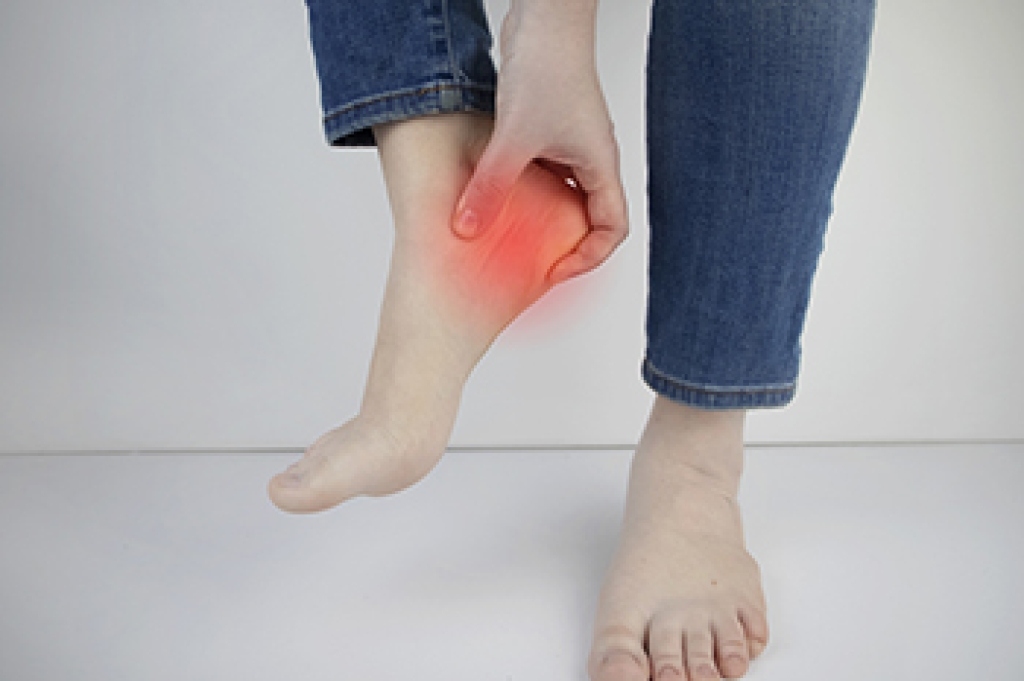
What Causes Plantar Fasciitis?

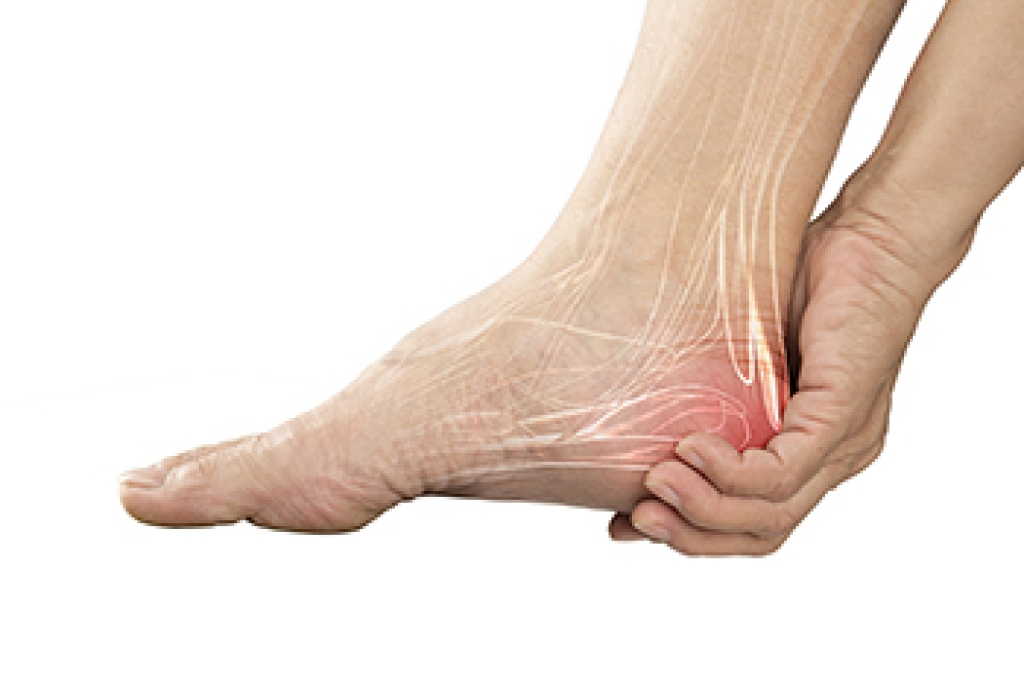
Plantar fasciitis is a common condition that causes heel pain, often described as a stabbing sensation. One leading factor is excessive or repetitive stress on the plantar fascia, a band of tissue connecting the heel to the toes. This stress can result from activities such as running, standing for extended periods, or wearing inadequate footwear. Obesity can also contribute to plantar fasciitis, as the extra weight increases pressure on the feet. Tight calf muscles and inadequate stretching can lead to an abnormal gait, putting strain on the fascia. Furthermore, age and certain foot arch types may play a role in developing this condition. Recognizing these causes can guide individuals in making lifestyle adjustments and seeking timely treatment to alleviate plantar fasciitis and regain comfort in their daily lives. If you have developed plantar fasciitis, it is strongly suggested that you are under the care of a podiatrist who can offer you appropriate treatment methods.

Plantar fasciitis is a common foot condition that is often caused by a strain injury. If you are experiencing heel pain or symptoms of plantar fasciitis, contact one of our podiatrists from Pennsylvania Foot & Ankle. Our doctors can provide the care you need to keep you pain-free and on your feet.

What Is Plantar Fasciitis?

Plantar fasciitis is one of the most common causes of heel pain. The plantar fascia is a ligament that connects your heel to the front of your foot. When this ligament becomes inflamed, plantar fasciitis is the result. If you have plantar fasciitis you will have a stabbing pain that usually occurs with your first steps in the morning. As the day progresses and you walk around more, this pain will start to disappear, but it will return after long periods of standing or sitting.

What Causes Plantar Fasciitis?

  • Excessive running
  • Having high arches in your feet
  • Other foot issues such as flat feet
  • Pregnancy (due to the sudden weight gain)
  • Being on your feet very often

There are some risk factors that may make you more likely to develop plantar fasciitis compared to others. The condition most commonly affects adults between the ages of 40 and 60. It also tends to affect people who are obese because the extra pounds result in extra stress being placed on the plantar fascia.

Prevention

  • Take good care of your feet – Wear shoes that have good arch support and heel cushioning.
  • Maintain a healthy weight
  • If you are a runner, alternate running with other sports that won’t cause heel pain

There are a variety of treatment options available for plantar fasciitis along with the pain that accompanies it. Additionally, physical therapy is a very important component in the treatment process. It is important that you meet with your podiatrist to determine which treatment option is best for you.

If you have any questions, please feel free to contact one of our offices located in Bensalem, Philadelphia, Northeast Philadelphia, Yardley, PA, and Hamilton, NJ . We offer the newest diagnostic and treatment technologies for all your foot care needs.


Read more about Plantar Fasciitis

Managing Infected Ingrown Toenails

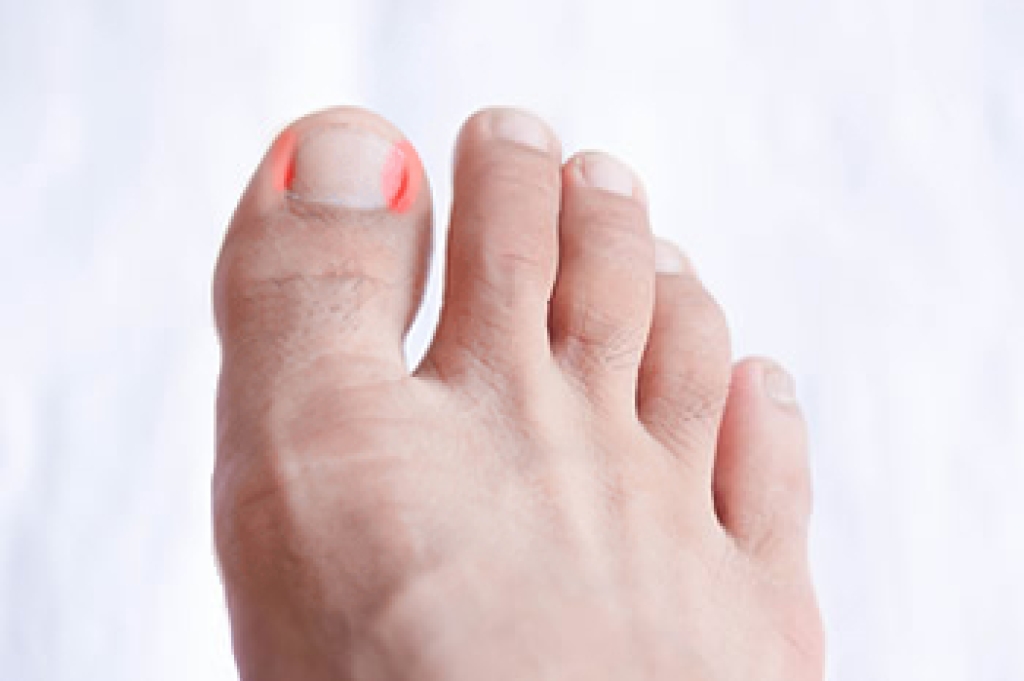
Ingrown toenails, a common problem causing pain and inconvenience, can affect anyone. However, they are most frequently seen in young adults and adolescents. These toenails usually affect the big toe but can affect other toes as well. Causes of ingrown toenails include direct trauma to the toe, genetic predisposition, improper nail trimming, and wearing poorly fitting shoes. There are three stages of ingrown toenails. Stage one involves redness, slight swelling, and pain at the lateral nail fold. Stage two presents with increased pain, discharge from the nail edge, and signs of bacterial paronychia. In stage three, hypertrophic granulation tissue forms on the lateral wall. Treatment ranges from the conservative to surgery. If you have an ingrown toenail, particularly if it appears infected, it is suggested that you schedule an appointment with a podiatrist to have the affected nail evaluated, and proper treatment given.

Ingrown toenails can become painful if they are not treated properly. For more information about ingrown toenails, contact one of our podiatrists of Pennsylvania Foot & Ankle. Our doctors can provide the care you need to keep you pain-free and on your feet.

Ingrown Toenails

Ingrown toenails occur when a toenail grows sideways into the bed of the nail, causing pain, swelling, and possibly infection.

Causes

  • Bacterial infections
  • Improper nail cutting such as cutting it too short or not straight across
  • Trauma to the toe, such as stubbing, which causes the nail to grow back irregularly
  • Ill-fitting shoes that bunch the toes too close together
  • Genetic predisposition

Prevention

Wearing proper fitting shoes and using proper cutting techniques will also help decrease your risk of developing ingrown toenails.

Treatment

Ingrown toenails are a very treatable foot condition. In minor cases, soaking the affected area in salt or antibacterial soaps will not only help with the ingrown nail itself, but also help prevent any infections from occurring. In more severe cases, surgery is an option. In either case, speaking to your podiatrist about this condition will help you get a better understanding of specific treatment options that are right for you.

If you have any questions, please feel free to contact one of our offices located in Bensalem, Philadelphia, Northeast Philadelphia, Yardley, PA, and Hamilton, NJ . We offer the newest diagnostic and treatment technologies for all your foot care needs.

Read more about Ingrown Toenails

Types of Bunion Surgery

Bunions, a common source of discomfort in the big toe, can often lead to surgical solutions. With an array of over 150 bunion surgeries available, it is beneficial to comprehend the prevailing procedures in use today. The bunionectomy is a foundational method. It involves removing the bony outgrowth at the base of the big toe that is responsible for the bunion and realigning the surrounding muscles, tendons, and ligaments. Osteotomy, another prevalent technique, necessitates cutting the toe bone to reposition the affected joint. It may also involve securing the bone with pins or screws for sustained correction. Arthrodesis is employed in cases of significant joint damage. This procedure entails fusing the surrounding bones with screws, wires, or plates. Arthroplasty is reserved for severe cases. The damaged portion of the joint is replaced with an implant, aiming to restore joint function. Integral to all bunion surgeries is soft tissue repair, ensuring the equilibrium of tendons and ligaments surrounding the joint to deter deformity recurrence. If you have a bunion that is causing extreme pain, it is suggested that you schedule an appointment with a podiatrist for a full examination and suggestions for treatment options. 

If you are suffering from bunions, contact one of our podiatrists of Pennsylvania Foot & Ankle. Our doctors can provide the care you need to keep you pain-free and on your feet.

What Is a Bunion?

A bunion is formed of swollen tissue or an enlargement of boney growth, usually located at the base joint of the toe that connects to the foot. The swelling occurs due to the bones in the big toe shifting inward, which impacts the other toes of the foot. This causes the area around the base of the big toe to become inflamed and painful.

Why Do Bunions Form?

Genetics – Susceptibility to bunions are often hereditary

Stress on the feet – Poorly fitted and uncomfortable footwear that places stress on feet, such as heels, can worsen existing bunions

How Are Bunions Diagnosed?

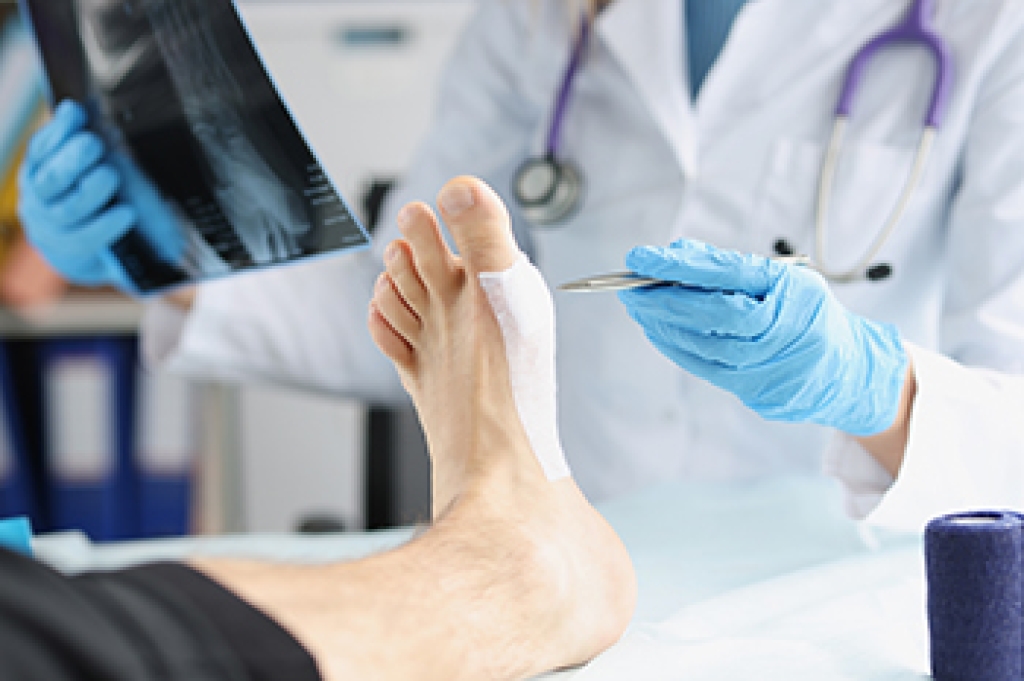
Podiatrists often perform two tests – blood tests and x-rays – when trying to diagnose bunions, especially in the early stages of development. Blood tests help determine if the foot pain is being caused by something else, such as arthritis, while x-rays provide a clear picture of your bone structure to your provider.

How Are Bunions Treated?

  • Refrain from wearing heels or similar shoes that cause discomfort
  • Select wider shoes that can provide more comfort and reduce pain
  • Anti-inflammatory and pain management drugs
  • Orthotics or foot inserts
  • Surgery

If you have any questions, please feel free to contact one of our offices located in Bensalem, Philadelphia, Northeast Philadelphia, Yardley, PA, and Hamilton, NJ . We offer the newest diagnostic and treatment technologies for all your foot care needs.

Read more about Bunions

Gout Pain Can Be Managed

Gout is a painful, inflammatory form of arthritis. Those affected will typically feel an intense stiffness in the joints of their feet, particularly in the big toe. Schedule a visit to learn about how gout can be managed and treated.

Causes of Achilles Tendonitis

Achilles tendonitis is a common injury that affects both athletes and non-athletes alike. It is often the result of repeated stress on the Achilles tendon, the long tendon that connects the calf muscles to the heel. Achilles tendonitis primarily strikes the younger and middle-aged population engaged in sports like running, gymnastics, and basketball. But it can also affect those leading a more sedentary lifestyle. One of the leading causes stems from an abrupt surge in physical activity, leaving the body little time to acclimate to the increased strain. Failure to stretch adequately before engaging in activities such as running or jumping on hard surfaces can increase the risk, particularly for those with tight calf muscles. Footwear choices play a pivotal role in Achilles tendon health. Wearing high heels for extended periods without proper support can contribute to the onset of Achilles tendonitis. Factors like flat feet, obesity, diabetes, high blood pressure, and certain antibiotics also can predispose individuals to this condition. Further, those with excessive pronation or flat arches face an elevated risk due to the heightened demands placed on the tendon during regular walking. Whether involved in regular labor-intensive work or sporadic intense physical activities, individuals must be mindful of the strain placed on their Achilles tendon. If you have pain in the back of the heel, it is suggested that you make an appointment with a podiatrist.

Achilles tendon injuries need immediate attention to avoid future complications. If you have any concerns, contact one of our podiatrists of Pennsylvania Foot & Ankle. Our doctors can provide the care you need to keep you pain-free and on your feet.

What Is the Achilles Tendon?

The Achilles tendon is a tendon that connects the lower leg muscles and calf to the heel of the foot. It is the strongest tendon in the human body and is essential for making movement possible. Because this tendon is such an integral part of the body, any injuries to it can create immense difficulties and should immediately be presented to a doctor.

What Are the Symptoms of an Achilles Tendon Injury?

There are various types of injuries that can affect the Achilles tendon. The two most common injuries are Achilles tendinitis and ruptures of the tendon.

Achilles Tendinitis Symptoms

  • Inflammation
  • Dull to severe pain
  • Increased blood flow to the tendon
  • Thickening of the tendon

Rupture Symptoms

  • Extreme pain and swelling in the foot
  • Total immobility

Treatment and Prevention

Achilles tendon injuries are diagnosed by a thorough physical evaluation, which can include an MRI. Treatment involves rest, physical therapy, and in some cases, surgery. However, various preventative measures can be taken to avoid these injuries, such as:

  • Thorough stretching of the tendon before and after exercise
  • Strengthening exercises like calf raises, squats, leg curls, leg extensions, leg raises, lunges, and leg presses

If you have any questions please feel free to contact one of our offices located in Bensalem, Philadelphia, Northeast Philadelphia, Yardley, PA, and Hamilton, NJ . We offer the newest diagnostic tools and technology to treat your foot and ankle needs.

Read more about What are Achilles Tendon Injuries

Ankle Injuries Among High School Athletes

Ankle injuries, a prevalent concern among high school athletes, casts a shadow on the vibrant world of interscholastic sports. The competitive spirit that drives young athletes often comes with a risk, and ankle injuries have emerged as a common adversary. Whether on the soccer field, basketball court, or track, the dynamic nature of these sports makes athletes susceptible to twists, sprains, and strains. The prevalence of ankle injuries is not just a statistical observation; it represents missed games, disrupted seasons, and potential long-term consequences for these young athletes. The adolescent growth spurt coupled with developing coordination adds to the vulnerability. Coaches, parents, and athletes themselves play essential roles in injury prevention through proper training, conditioning, and awareness. For those individuals seeking additional information about foot and ankle protection while participating in high school sports, it is suggested that you consult a podiatrist who can provide you with the information you are looking for.

Sports related foot and ankle injuries require proper treatment before players can go back to their regular routines. For more information, contact one of our podiatrists of Pennsylvania Foot & Ankle. Our doctors can provide the care you need to keep you pain-free and on your feet.

Sports Related Foot and Ankle Injuries

Foot and ankle injuries are a common occurrence when it comes to athletes of any sport. While many athletes dismiss the initial aches and pains, the truth is that ignoring potential foot and ankle injuries can lead to serious problems. As athletes continue to place pressure and strain the area further, a mild injury can turn into something as serious as a rupture and may lead to a permanent disability. There are many factors that contribute to sports related foot and ankle injuries, which include failure to warm up properly, not providing support or wearing bad footwear. Common injuries and conditions athletes face, including:

  • Plantar Fasciitis
  • Achilles Tendinitis
  • Achilles Tendon Rupture
  • Ankle Sprains

Sports related injuries are commonly treated using the RICE method. This includes rest, applying ice to the injured area, compression and elevating the ankle. More serious sprains and injuries may require surgery, which could include arthroscopic and reconstructive surgery. Rehabilitation and therapy may also be required in order to get any recovering athlete to become fully functional again. Any unusual aches and pains an athlete sustains must be evaluated by a licensed, reputable medical professional.

If you have any questions please contact one of our offices located in Bensalem, Philadelphia, Northeast Philadelphia, Yardley, PA, and Hamilton, NJ . We offer the newest diagnostic and treatment technologies for all your foot and ankle needs.
Read more about Sports Related Foot And Ankle Injuries

Os Trigonum Syndrome Explained

Most people have never heard of an os trigonum and do not know if they have one or not. That is because the os trigonum is an extra bone in the foot that is present in only 20% of the population. In most cases, this extra bone goes unnoticed. An os trigonum typically forms during childhood and, in most cases, fuses with the talus bone. But if it remains separate, complications can arise with overuse or trauma. The result is termed os trigonum syndrome. Activities requiring frequent ankle flexion, like ballet dancing or running, can contribute to its development. Also, an ankle injury that forces the foot into excessive plantar flexion, in which the toes are pointed downward, can lead to what is termed a nutcracker injury. It is caused when an os trigonum is compressed between the ankle and heel bones. Symptoms include pain at the back of the ankle, worsened during activities such as excessive toe pointing or in the push off phase while walking. Tenderness upon touching the affected area, swelling due to soft tissue inflammation, and the presence of a palpable lump near the Achilles tendon are characteristic signs of os trigonum syndrome. If you are experiencing pain in the back of the heel, it is suggested that you make an appointment with a podiatrist who can determine what the cause is, and suggest appropriate treatment.  

Many people suffer from bouts of heel pain. For more information, contact one of our podiatrists of Pennsylvania Foot & Ankle. Our doctors can provide the care you need to keep you pain-free and on your feet.

Causes of Heel Pain

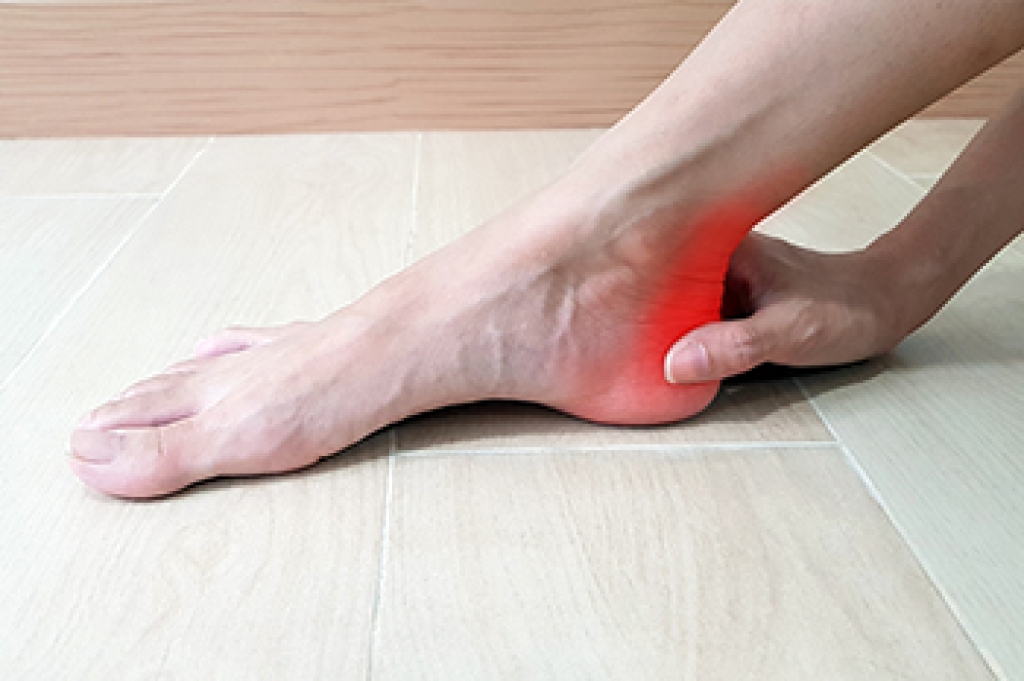
Heel pain is often associated with plantar fasciitis. The plantar fascia is a band of tissues that extends along the bottom of the foot. A rip or tear in this ligament can cause inflammation of the tissue.

Achilles tendonitis is another cause of heel pain. Inflammation of the Achilles tendon will cause pain from fractures and muscle tearing. Lack of flexibility is also another symptom.

Heel spurs are another cause of pain. When the tissues of the plantar fascia undergo a great deal of stress, it can lead to ligament separation from the heel bone, causing heel spurs.

Why Might Heel Pain Occur?

  • Wearing ill-fitting shoes                
  • Wearing non-supportive shoes
  • Weight change           
  • Excessive running

Treatments

Heel pain should be treated as soon as possible for immediate results. Keeping your feet in a stress-free environment will help. If you suffer from Achilles tendonitis or plantar fasciitis, applying ice will reduce the swelling. Stretching before an exercise like running will help the muscles. Using all these tips will help make heel pain a condition of the past.

If you have any questions, please feel free to contact one of our offices located in Bensalem, Philadelphia, Northeast Philadelphia, Yardley, PA, and Hamilton, NJ . We offer the newest diagnostic and treatment technologies for all your foot care needs.

Read more about Heel Pain

Are Bunions Affecting Your Everyday Life?

Have you noticed a bony protrusion on the side of your big toe? If so, you may have developed the foot condition known as a bunion. Don't let bunions interfere with your daily activities.

Connect With Us