
If left untreated, an ingrown toenail can lead to more serious concerns, such as an infection. Knowing proper nail care can help in the prevention of an ingrown toenail. Give us a call, and get treated!
If left untreated, an ingrown toenail can lead to more serious concerns, such as an infection. Knowing proper nail care can help in the prevention of an ingrown toenail. Give us a call, and get treated!
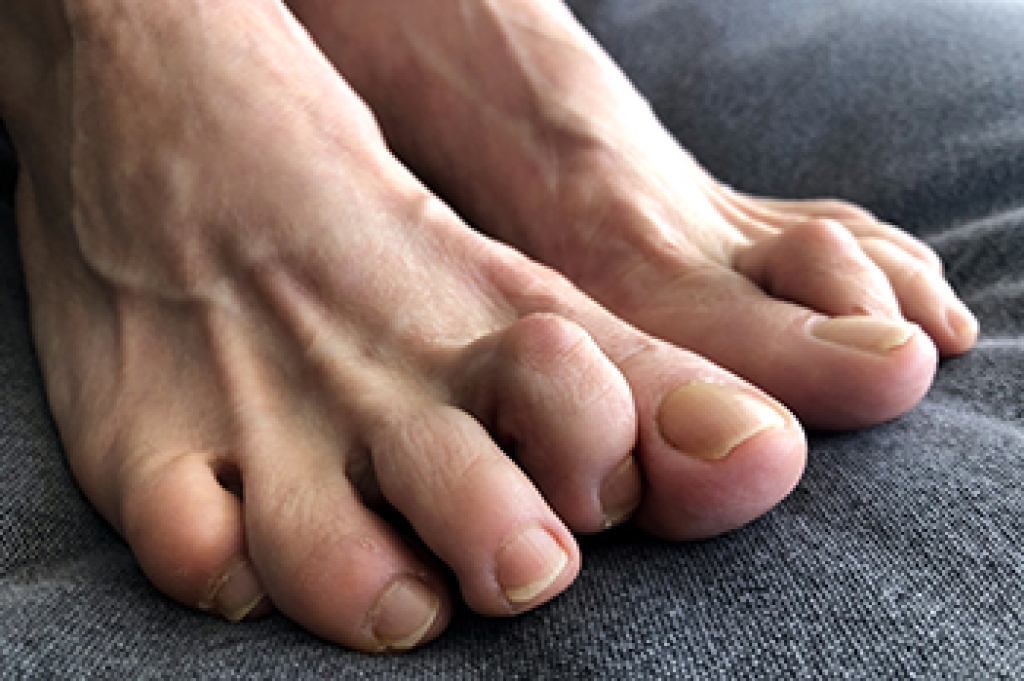
Hammertoe is a common foot deformity that affects the alignment of toes, causing them to bend or curl downward instead of pointing forward. This condition can occur in any toe but is most often observed in the second or third toe. While some individuals may have hammertoe from birth, it frequently develops over time due to factors like arthritis or wearing poorly fitting shoes, particularly those with tight, pointed toes. The most noticeable sign of hammertoe is an abnormal bending or curling of the toe. This deformity often leads to discomfort, especially when wearing shoes or walking. The persistent pressure on the bent toe can result in the formation of corns and calluses. A hammertoe may also restrict flexibility in the affected toe, which can impede normal movement. Several factors increase the likelihood of developing hammertoe. A family history of the condition can elevate your risk. The persistent use of tight or pointy-toed shoes is a common risk factor, as these footwear choices can force your toes into an abnormal position. Wearing improperly fitting shoes over an extended period can lead to hammertoe formation. For help in dealing with a hammertoe, it is suggested that you make an appointment with a podiatrist for an exam and treatment options.
Hammertoe
Hammertoes can be a painful condition to live with. For more information, contact one of our podiatrists from Pennsylvania Foot & Ankle. Our doctors will answer any of your foot- and ankle-related questions.
Hammertoe is a foot deformity that affects the joints of the second, third, fourth, or fifth toes of your feet. It is a painful foot condition in which these toes curl and arch up, which can often lead to pain when wearing footwear.
Symptoms
Causes
Genetics – People who are genetically predisposed to hammertoe are often more susceptible
Arthritis – Because arthritis affects the joints in your toes, further deformities stemming from arthritis can occur
Trauma – Direct trauma to the toes could potentially lead to hammertoe
Ill-fitting shoes – Undue pressure on the front of the toes from ill-fitting shoes can potentially lead to the development of hammertoe
Treatment
Orthotics – Custom made inserts can be used to help relieve pressure placed on the toes and therefore relieve some of the pain associated with it
Medications – Oral medications such as anti-inflammatories or NSAIDs could be used to treat the pain and inflammation hammertoes causes. Injections of corticosteroids are also sometimes used
Surgery – In more severe cases where the hammertoes have become more rigid, foot surgery is a potential option
If you have any questions, please feel free to contact one of our offices located in Bensalem, Philadelphia, Northeast Philadelphia, Yardley, PA, and Hamilton, NJ . We offer the newest diagnostic and treatment technologies for all your foot care needs.
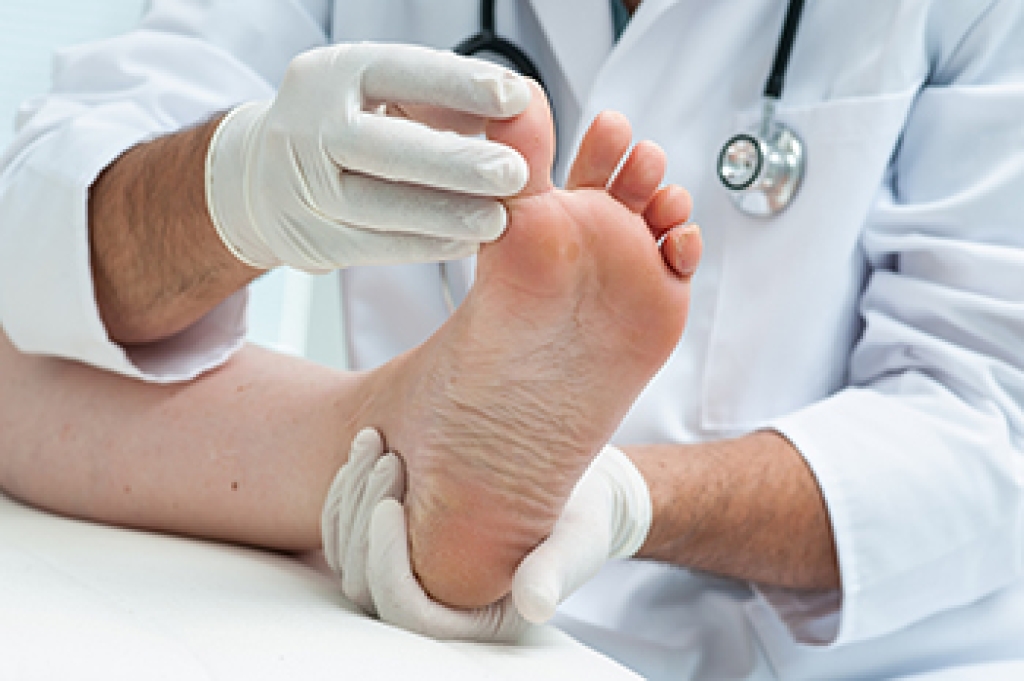
Athlete's foot, scientifically known as tinea pedis, is a fungal infection that can affect anyone. It is notorious for causing discomfort, itching, and unsightly skin changes. Athlete’s foot tends to be more prevalent among older adults, especially males. The primary cause is dermatophytes, a type of fungus that thrive in warm and humid environments. You can contract athlete's foot by walking barefoot on wet and contaminated floors, especially in public areas like locker rooms, showers, and pools. It also can be transmitted by sharing towels, clothing, or shoes with someone who has the infection. Prolonged use of sweaty, tight shoes that create a moist environment for fungi to flourish also increases the risk of infection. Symptoms of athlete's foot can include red and inflamed skin, persistent itchiness, flaky and scaly skin, thickened skin, and dry feet. In severe cases, tiny red blisters may develop between the toes or on the soles of the feet. The good news is that athlete's foot is generally easy to treat with prescribed antifungal creams or oral medications. If you suspect you have a particularly troublesome case of athlete's foot, it is suggested that you make an appointment with a podiatrist for help managing this fungal infection.
Athlete’s foot is an inconvenient condition that can be easily reduced with the proper treatment. If you have any concerns about your feet and ankles, contact one of our podiatrists from Pennsylvania Foot & Ankle. Our doctors will treat your foot and ankle needs.
Athlete’s Foot: The Sole Story
Athlete's foot, also known as tinea pedis, can be an extremely contagious foot infection. It is commonly contracted in public changing areas and bathrooms, dormitory style living quarters, around locker rooms and public swimming pools, or anywhere your feet often come into contact with other people.
Solutions to Combat Athlete’s Foot
Athlete’s foot can cause many irritating symptoms such as dry and flaking skin, itching, and redness. Some more severe symptoms can include bleeding and cracked skin, intense itching and burning, and even pain when walking. In the worst cases, Athlete’s foot can cause blistering as well. Speak to your podiatrist for a better understanding of the different causes of Athlete’s foot, as well as help in determining which treatment options are best for you.
If you have any questions please feel free to contact one of our offices located in Bensalem, Philadelphia, Northeast Philadelphia, Yardley, PA, and Hamilton, NJ . We offer the newest diagnostic and treatment technologies for all your foot and ankle needs.
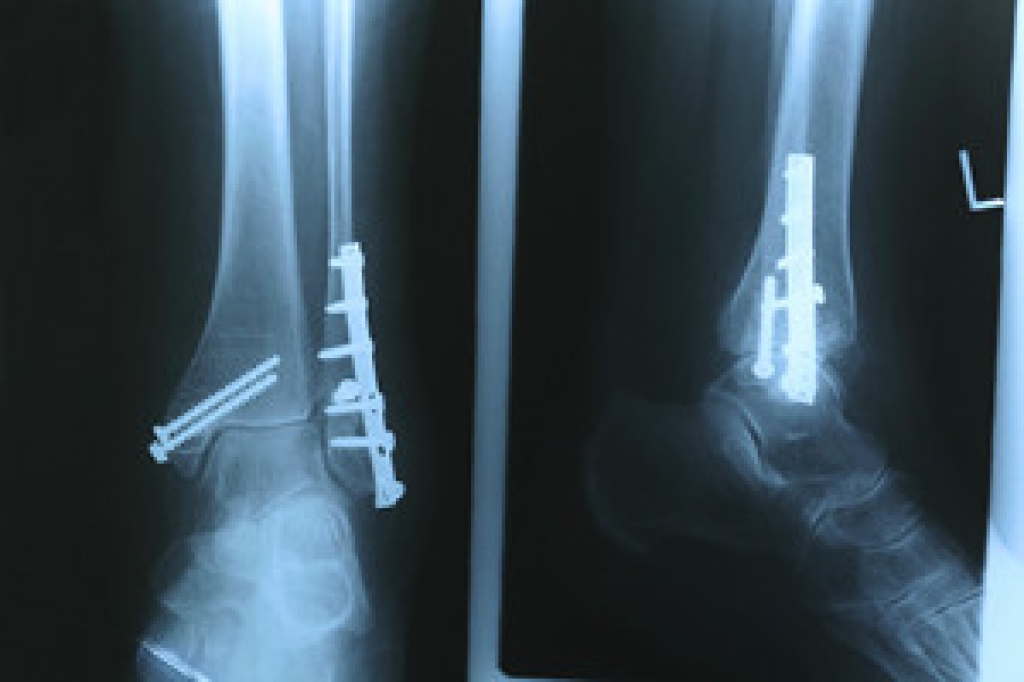
A fractured ankle involves an injury to one or more of the three bones that make up the ankle joint, the tibia, fibula, and talus, as well as the surrounding ligaments. Such fractures can result from various causes, including accidents, falls, heavy impacts, or sports injuries. Signs of a fractured ankle consist of pain, deformity, swelling, bruising, and difficulty walking. The typical healing time for an ankle fracture varies depending on the severity of the fracture. Non-surgical fractures take approximately 6 to 12 weeks, while surgical fractures take longer. Podiatrists can diagnose and manage these injuries, provide orthotic support, and recommend rehabilitation exercises. Early medical attention is crucial, and first aid measures such as elevation and wound care can be helpful while awaiting medical care. Preventing ankle fractures involves properly warming up and wearing appropriate footwear. Additionally, it is beneficial to avoid uneven surfaces. Fractured ankles can have serious consequences if not treated properly, leading to complications, including mobility issues, chronic pain, and arthritis. If you believe you have fractured your ankle, it is suggested that you make an appointment with a podiatrist as quickly as possible.
Ankle pain can have many different causes and the pain may potentially be serious. If you have ankle pain, consult with one of our podiatrists from Pennsylvania Foot & Ankle. Our doctors will assess your condition and provide you with quality foot and ankle treatment.
Ankle pain is any condition that causes pain in the ankle. Due to the fact that the ankle consists of tendons, muscles, bones, and ligaments, ankle pain can come from a number of different conditions.
Causes
The most common causes of ankle pain include:
Symptoms
Symptoms of ankle injury vary based upon the condition. Pain may include general pain and discomfort, swelling, aching, redness, bruising, burning or stabbing sensations, and/or loss of sensation.
Diagnosis
Due to the wide variety of potential causes of ankle pain, podiatrists will utilize a number of different methods to properly diagnose ankle pain. This can include asking for personal and family medical histories and of any recent injuries. Further diagnosis may include sensation tests, a physical examination, and potentially x-rays or other imaging tests.
Treatment
Just as the range of causes varies widely, so do treatments. Some more common treatments are rest, ice packs, keeping pressure off the foot, orthotics and braces, medication for inflammation and pain, and surgery.
If you have any questions please feel free to contact one of our offices located in Bensalem, Philadelphia, Northeast Philadelphia, Yardley, PA, and Hamilton, NJ . We offer the newest diagnostic tools and technology to treat your foot and ankle needs.

Have your child's feet been examined lately? Healthy feet are happy feet. If your child is complaining of foot pain, it may be a sign of underlying problems.
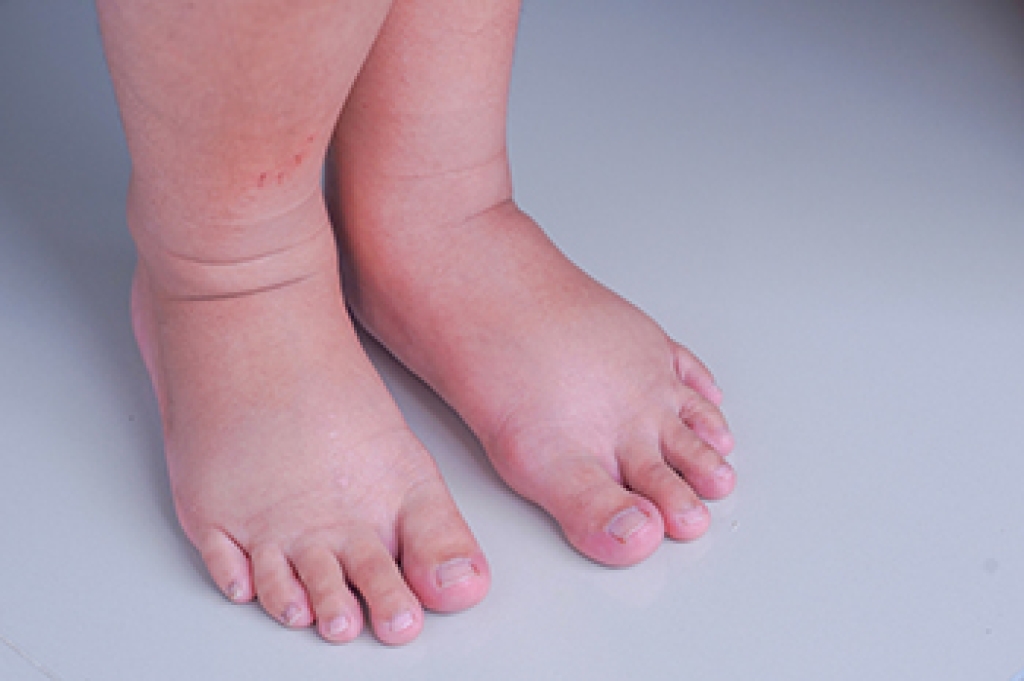
Pregnancy is a remarkable journey filled with countless changes to the body, and one question that often arises is whether the feet grow during this time. The answer, for the most part, is yes and no. During pregnancy, a woman's body goes through significant hormonal changes, including an increase in the hormone relaxin. This helps prepare the body for childbirth by loosening ligaments. This hormone can also affect the ligaments and joints in the feet, causing them to relax and potentially lead to a temporary increase in foot size during pregnancy. Swelling, a common side effect of pregnancy, can also make feet appear larger. However, it is essential to note that this growth also is usually temporary. After giving birth, and once hormonal levels return to normal, many women find that their feet return to their pre-pregnancy size. However, some may experience lasting changes, particularly if they gain a significant amount of weight during pregnancy. While it is possible for feet to appear to grow during pregnancy due to hormonal changes and swelling, these changes are generally not permanent. It's important to monitor foot health during pregnancy and wear shoes that fit properly, regardless of their size. If you have questions about foot growth during pregnancy, it is suggested that you confer with a podiatrist who can provide you with the information you are seeking.
Pregnant women with swollen feet can be treated with a variety of different methods that are readily available. For more information about other cures for swollen feet during pregnancy, consult with one of our podiatrists from Pennsylvania Foot & Ankle. Our doctors will attend to all of your foot and ankle needs.
What Foot Problems Can Arise During Pregnancy?
One problem that can occur is overpronation, which occurs when the arch of the foot flattens and tends to roll inward. This can cause pain and discomfort in your heels while you’re walking or even just standing up, trying to support your baby.
Another problem is edema, or swelling in the extremities. This often affects the feet during pregnancy but tends to occur in the later stages.
How Can I Keep My Feet Healthy During Pregnancy?
If you have any questions, please feel free to contact one of our offices located in Bensalem, Philadelphia, Northeast Philadelphia, Yardley, PA, and Hamilton, NJ . We offer the newest diagnostic and treatment technologies for all your foot care needs.
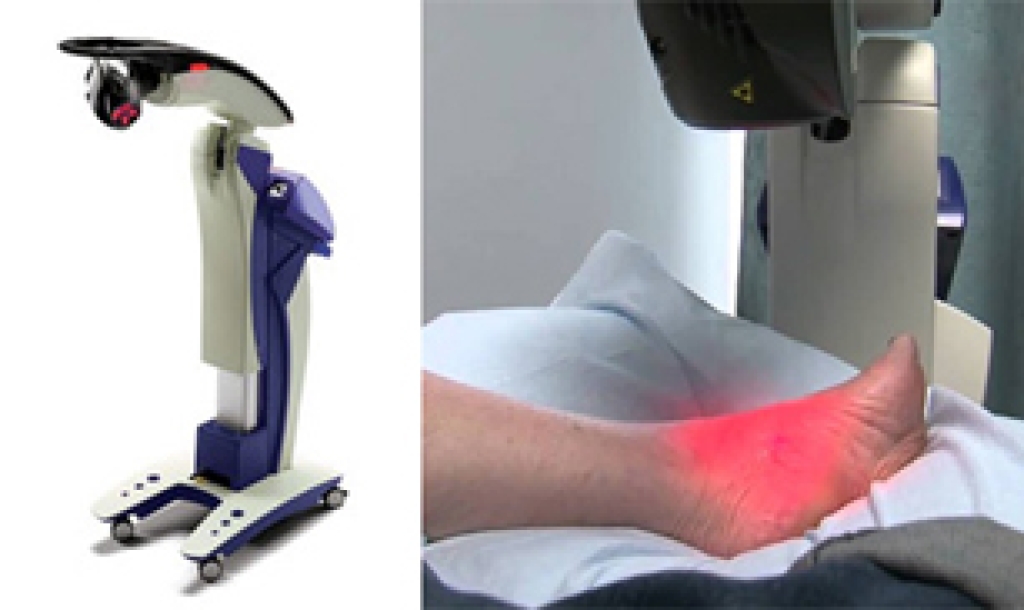
Tendinopathy involves inflammation in and around tendons, often resulting from injury. Low-level laser therapy, which uses monochromatic, coherent, short-wavelength light, has been used since the 1960s to treat tendon injuries. Though investigations are ongoing, some researchers exploring the success of this type of therapy for tendinopathy found that low-level laser therapy consistently shows promise in treating tendinopathy. Patients report improvements in pain, range of motion, and motor function. Combining laser therapy with exercise programs also yielded positive results. If you suffer from tendon pain in your feet or ankles, it is suggested that you make an appointment with a podiatrist to see if this type of treatment can help you.
MLS Laser Therapy is a successful alternative for treating any pain you may be experiencing related to certain podiatric conditions. If you are interested in MLS Laser Therapy, consult with one of our podiatrists from Pennsylvania Foot & Ankle. Our doctors will assess your condition and provide you with quality foot and ankle treatment.
MLS Laser Therapy
Multiwave Locked System (MLS) Laser Therapy is a patented, FDA-cleared technology that helps relieve pain and inflammation from a number of podiatric conditions, including:
MLS Laser Therapy is an ideal alternative to surgery and prescription medication, as it has no negative side effects and encourages accelerated healing. Among its many clinical benefits, MLS Laser Therapy also:
If you have any questions, please feel free to contact one of our offices located in Bensalem, Philadelphia, Northeast Philadelphia, Yardley, PA, and Hamilton, NJ . We offer the newest diagnostic and treatment technologies for all your foot care needs.
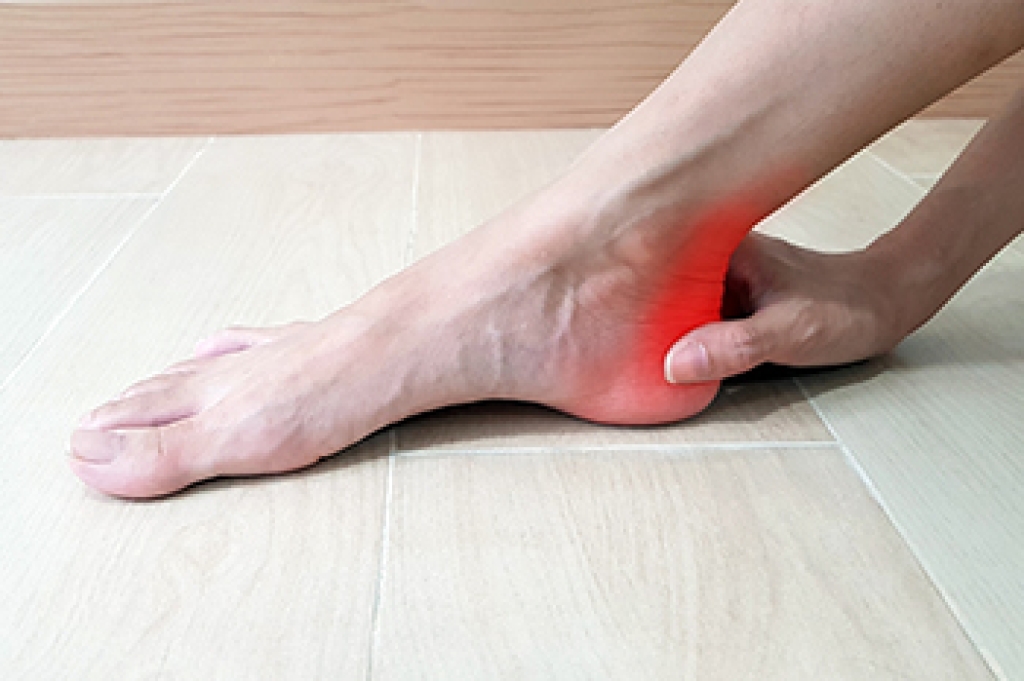
The Achilles tendon, the body's largest tendon, is susceptible to injury due to its limited blood supply and exposure to various forces. Aging and increased activity, especially in sports involving speed, heighten the risk of Achilles tendon problems. These issues are becoming more common with the active aging population. Injuries can develop suddenly or gradually, often requiring extended healing periods. A thorough history and physical examination are necessary for accurate diagnosis and tailored treatment. The primary approach for treatment involves rest and nonsteroidal anti-inflammatory drugs. Additional interventions such as physical therapy, orthotics, or surgery may be necessary in severe cases. If you have Achilles tendon pain or an injury, it is suggested that you make an appointment with a podiatrist for a proper diagnosis and treatment tailored to your situation.
Achilles tendon injuries need immediate attention to avoid future complications. If you have any concerns, contact one of our podiatrists of Pennsylvania Foot & Ankle. Our doctors can provide the care you need to keep you pain-free and on your feet.
What Is the Achilles Tendon?
The Achilles tendon is a tendon that connects the lower leg muscles and calf to the heel of the foot. It is the strongest tendon in the human body and is essential for making movement possible. Because this tendon is such an integral part of the body, any injuries to it can create immense difficulties and should immediately be presented to a doctor.
What Are the Symptoms of an Achilles Tendon Injury?
There are various types of injuries that can affect the Achilles tendon. The two most common injuries are Achilles tendinitis and ruptures of the tendon.
Achilles Tendinitis Symptoms
Rupture Symptoms
Treatment and Prevention
Achilles tendon injuries are diagnosed by a thorough physical evaluation, which can include an MRI. Treatment involves rest, physical therapy, and in some cases, surgery. However, various preventative measures can be taken to avoid these injuries, such as:
If you have any questions please feel free to contact one of our offices located in Bensalem, Philadelphia, Northeast Philadelphia, Yardley, PA, and Hamilton, NJ . We offer the newest diagnostic tools and technology to treat your foot and ankle needs.
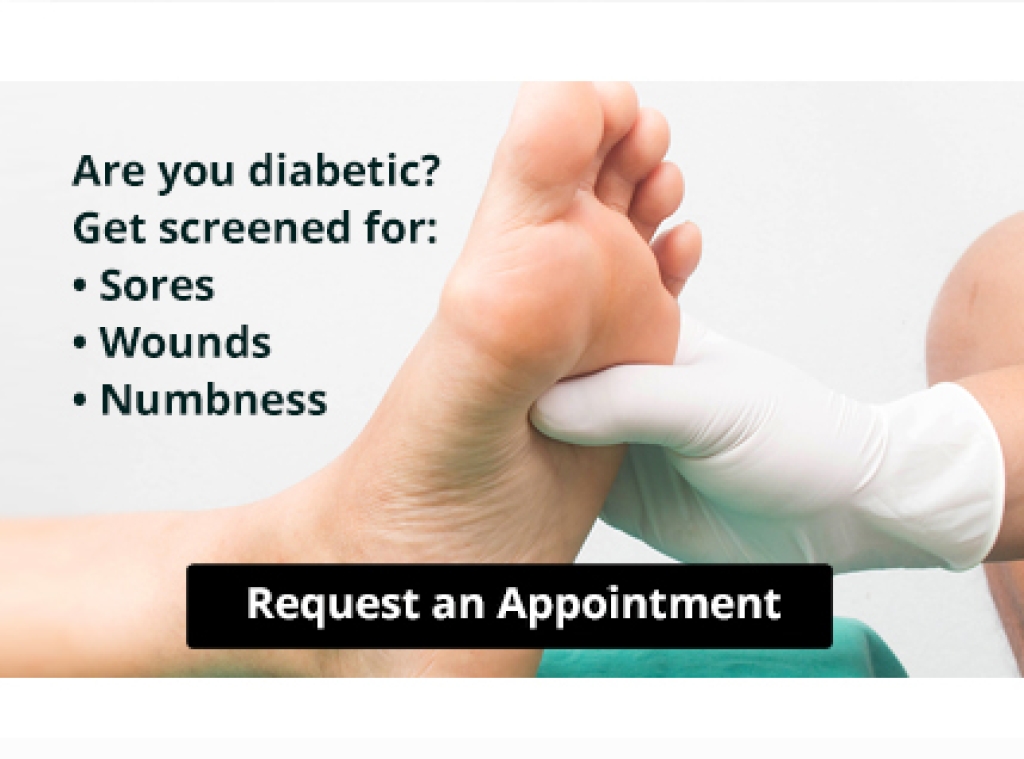
Your feet are covered most of the day. If you're diabetic, periodic screening is important for good health. Numbness is often a sign of diabetic foot and can mask a sore or wound.
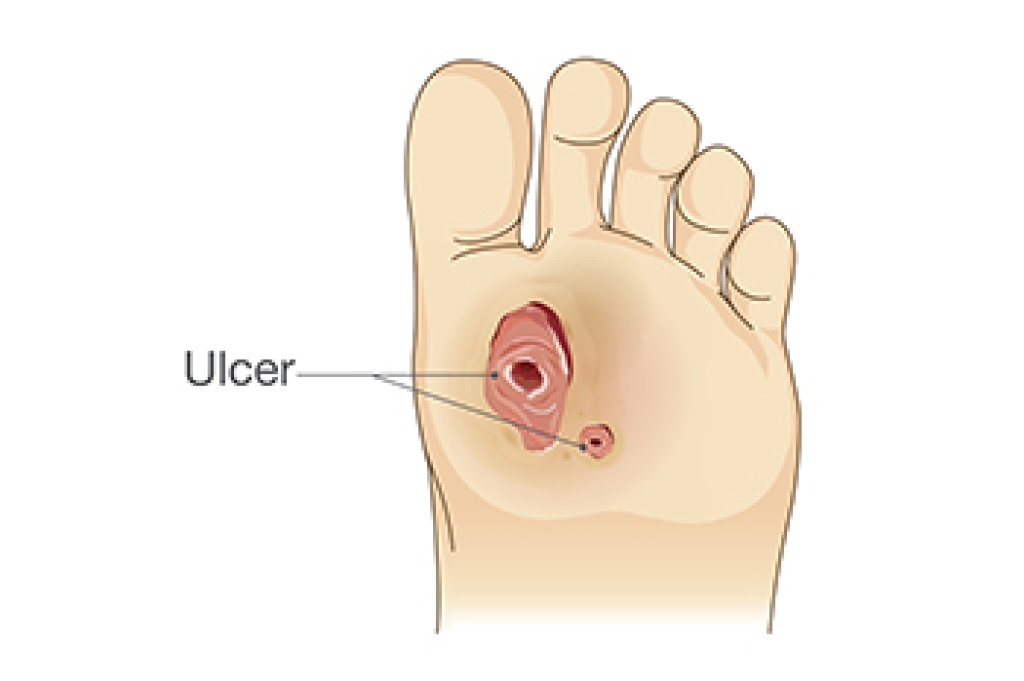
One of the most concerning complications of diabetes is the development of diabetic foot ulcers. A primary culprit behind diabetic foot ulcers is peripheral neuropathy, a condition where nerve damage impairs the ability to feel sensations in your feet. Without pain awareness, you may not notice the pressure your feet experience during everyday activities. This can lead to developing blisters, lesions, or sores. If these injuries are not attended to, they may evolve into foot ulcers. Another significant factor in the development of diabetic foot ulcers is poor blood flow, which can happen as a result of conditions such as peripheral arterial disease. Inadequate blood supply can hinder proper wound healing, making minor injuries prone to infections. Diabetic foot ulcers are a serious concern, and understanding the causes, in addition to taking preventive measures, can significantly reduce the risk. If you have diabetes, it is strongly suggested that you schedule regular check ups with a podiatrist who can both monitor and treat any foot problems as they arise.
Diabetic foot care is important in preventing foot ailments such as ulcers. If you are suffering from diabetes or have any other concerns about your feet, contact one of our podiatrists from Pennsylvania Foot & Ankle. Our doctors can provide the care you need to keep you pain-free and on your feet.
Diabetic Foot Care
Diabetes affects millions of people every year. The condition can damage blood vessels in many parts of the body, especially the feet. Because of this, taking care of your feet is essential if you have diabetes, and having a podiatrist help monitor your foot health is highly recommended.
The Importance of Caring for Your Feet
Patients with diabetes should have their doctor monitor their blood levels, as blood sugar levels play such a huge role in diabetic care. Monitoring these levels on a regular basis is highly advised.
It is always best to inform your healthcare professional of any concerns you may have regarding your feet, especially for diabetic patients. Early treatment and routine foot examinations are keys to maintaining proper health, especially because severe complications can arise if proper treatment is not applied.
If you have any questions, please feel free to contact one of our offices located in Bensalem, Philadelphia, Northeast Philadelphia, Yardley, PA, and Hamilton, NJ . We offer the newest diagnostic and treatment technologies for all your foot care needs.
Connect With Us
