The Importance of Foot Exams for Seniors

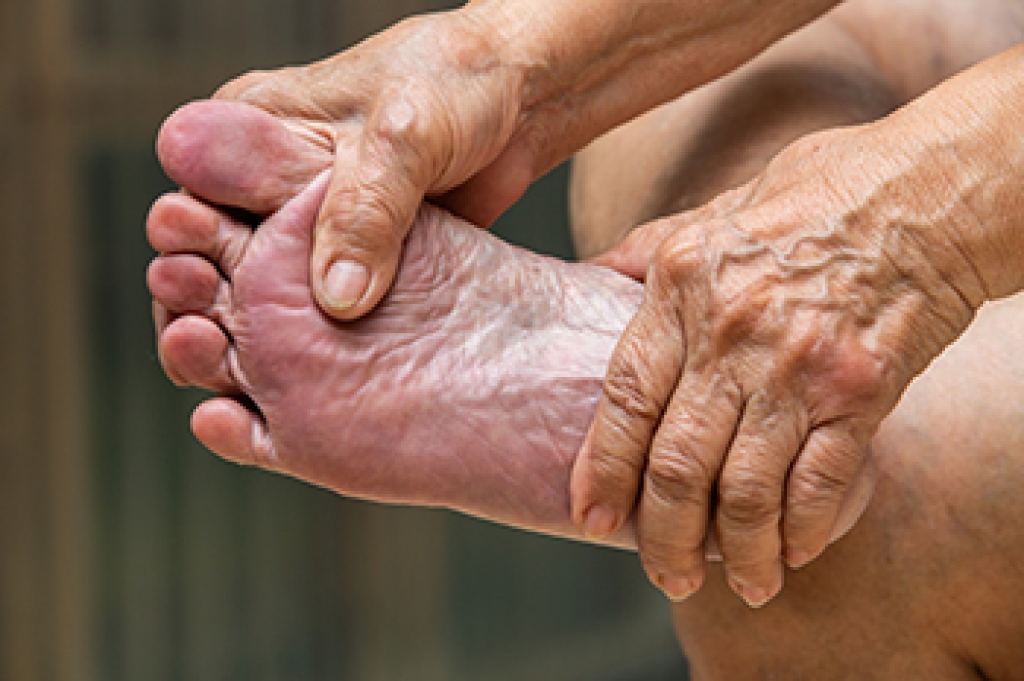
As individuals age, the importance of comprehensive healthcare extends to often overlooked areas, and one such critical aspect is foot health. Foot exams for elderly patients are integral in preventing, identifying, and addressing potential issues that can significantly impact their overall well-being. Aging brings about changes in foot structure, reduced skin elasticity, and diminished sensory perception, making the elderly more susceptible to foot problems. Routine foot examinations can detect early signs of conditions like arthritis, diabetes-related complications, and circulatory issues. Assessing foot health aids in preventing falls, a prevalent concern for the elderly, by addressing issues related to balance and stability. Additionally, podiatrists can identify and manage common foot ailments like bunions, corns, and fungal infections, enhancing mobility and comfort. Regular foot exams empower elderly individuals to actively participate in their health, fostering independence and ensuring that any potential foot-related concerns are addressed promptly, contributing to an overall better quality of life. If you are elderly or caring for an older person, it is suggested that you visit a podiatrist who can perform regular foot exams.

Proper foot care is something many older adults forget to consider. If you have any concerns about your feet and ankles, contact one of our podiatrists from Pennsylvania Foot & Ankle. Our doctors can provide the care you need to keep you pain-free and on your feet.

The Elderly and Their Feet

As we age we start to notice many changes in our body, but the elder population may not notice them right away. Medical conditions may prevent the elderly to take notice of their foot health right away. Poor vision is a lead contributor to not taking action for the elderly.

Common Conditions 

  • Neuropathy – can reduce feeling in the feet and can hide many life-threatening medical conditions.
  • Reduced flexibility – prevents the ability of proper toenail trimming, and foot cleaning. If left untreated, it may lead to further medical issues.
  • Foot sores – amongst the older population can be serious before they are discovered. Some of the problematic conditions they may face are:
  • Gouging toenails affecting nearby toe
  • Shoes that don’t fit properly
  • Pressure sores
  • Loss of circulation in legs & feet
  • Edema & swelling of feet and ankles

Susceptible Infections

Diabetes and poor circulation can cause general loss of sensitivity over the years, turning a simple cut into a serious issue.

If you have any questions, please feel free to contact one of our offices located in Bensalem, Philadelphia, Northeast Philadelphia, Yardley, PA, and Hamilton, NJ . We offer the newest diagnostic and treatment technologies for all your foot care needs.
Read more about Elderly and their Feet

How to Select Optimal Running Footwear

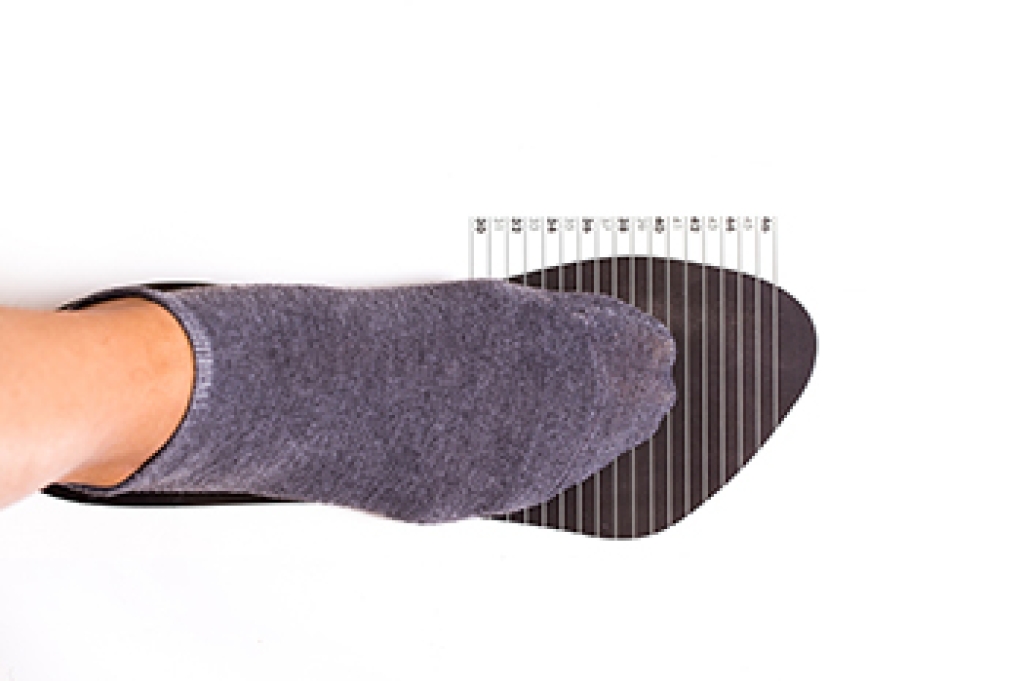
Choosing the right size footwear for running is pivotal in ensuring a comfortable and injury-free experience. Begin by measuring your foot length and width, considering variations between brands and models. Prioritize a thumb's width of space between your longest toe and the shoe's end to accommodate natural foot swelling during running. Verify that the shoe snugly holds the heel without excessive tightness or slipping. Additionally, assess the arch support and overall fit to align with your foot's unique structure. It is important to try on both shoes, as foot sizes can differ slightly. As you test the shoes, simulate running motions to gauge comfort and stability. Remember that the right size is not solely determined by numerical measurements; it is about finding a shoe that feels secure, and supportive, and allows for the natural movement of your feet. If you would like additional information on how to choose the right shoe size, it is suggested that you consult a podiatrist.

It is important to find shoes that fit you properly in order to avoid a variety of different foot problems. For more information about treatment, contact one of our podiatrists from Pennsylvania Foot & Ankle. Our doctors will treat your foot and ankle needs.

Proper Shoe Fitting

Shoes have many different functions. They cushion our body weight, protect our feet, and allow us to safely play sports. You should always make sure that the shoes you wear fit you properly in order to avoid injuries and deformities such as: bunions, corns, calluses, hammertoes, plantar fasciitis, stress fractures, and more. It is important to note that although a certain pair of shoes might be a great fit for someone else, that doesn’t mean they will be a great fit for you. This is why you should always try on shoes before buying them to make sure they are worth the investment. Typically, shoes need to be replaced ever six months to one year of regular use.

Tips for Proper Shoe Fitting

  • Select a shoe that is shaped like your foot
  • Don’t buy shoes that fit too tight, expecting them to stretch to fit
  • Make sure there is enough space (3/8” to ½”) for your longest toe at the end of each shoe when you are standing up
  • Walk in the shoes to make sure they fit and feel right
  • Don’t select shoes by the size marked inside the shoe, but by how the shoe fits your foot

The shoes you buy should always feel as good as they look. Shoes that fit properly will last longer, feel better, and improve your way of life each day.

If you have any questions please contact one of our offices located in Bensalem, Philadelphia, Northeast Philadelphia, Yardley, PA, and Hamilton, NJ . We offer the newest diagnostic and treatment technologies for all your foot and ankle needs.

Read more about Proper Shoe Fitting

Care of Foot Ulcers

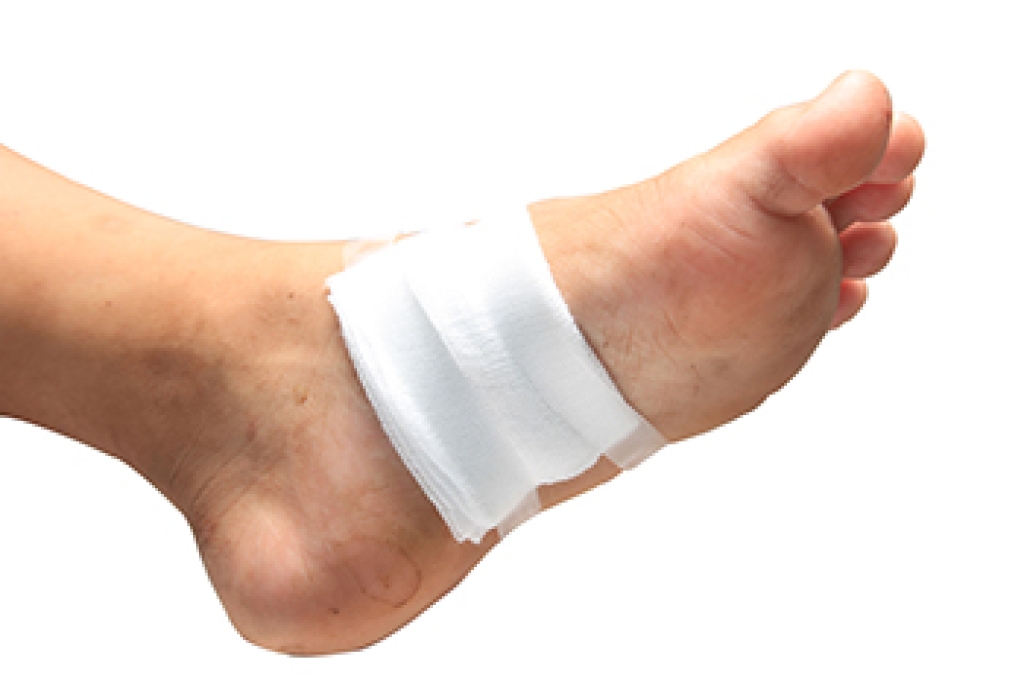
Foot ulcers are a serious concern, especially for the elderly and individuals with conditions such as diabetes that can impair circulation, leading to complications in wound healing. These ulcers come in various forms, with diabetic foot ulcers and neuropathic ulcers, arising from a lack of sensation in the feet, being particularly common. The proper management of these wounds is critical, and it begins with an accurate diagnosis by a qualified podiatrist, who can identify the specific type of ulcer and the best course of treatment. Treatment often involves the use of specialized dressings designed to cater to the specific needs of the wound, aiding in healing and preventing infection. Compression bandages may also be part of the treatment regimen, particularly for ulcers caused by poor venous circulation, which can help to reduce swelling and promote blood flow. For those experiencing recurrent foot ulcers, it is strongly suggested that you make an appointment with a podiatrist for ongoing care. Regular check-ups with a podiatrist can not only address current ulcers but also provide valuable education on foot care, in addition to providing preventive measures to reduce the risk of future foot wounds and ulcers.

Wound care is an important part in dealing with diabetes. If you have diabetes and a foot wound or would like more information about wound care for diabetics, consult with one of our podiatrists from Pennsylvania Foot & Ankle. Our doctors will assess your condition and provide you with quality foot and ankle treatment.

What Is Wound Care?

Wound care is the practice of taking proper care of a wound. This can range from the smallest to the largest of wounds. While everyone can benefit from proper wound care, it is much more important for diabetics. Diabetics often suffer from poor blood circulation which causes wounds to heal much slower than they would in a non-diabetic. 

What Is the Importance of Wound Care?

While it may not seem apparent with small ulcers on the foot, for diabetics, any size ulcer can become infected. Diabetics often also suffer from neuropathy, or nerve loss. This means they might not even feel when they have an ulcer on their foot. If the wound becomes severely infected, amputation may be necessary. Therefore, it is of the upmost importance to properly care for any and all foot wounds.

How to Care for Wounds

The best way to care for foot wounds is to prevent them. For diabetics, this means daily inspections of the feet for any signs of abnormalities or ulcers. It is also recommended to see a podiatrist several times a year for a foot inspection. If you do have an ulcer, run the wound under water to clear dirt from the wound; then apply antibiotic ointment to the wound and cover with a bandage. Bandages should be changed daily and keeping pressure off the wound is smart. It is advised to see a podiatrist, who can keep an eye on it.

If you have any questions please contact one of our offices located in Bensalem, Philadelphia, Northeast Philadelphia, Yardley, PA, and Hamilton, NJ . We offer the newest diagnostic and treatment technologies for all your foot and ankle needs.

Read more about Wound Care

What Causes Plantar Fasciitis?

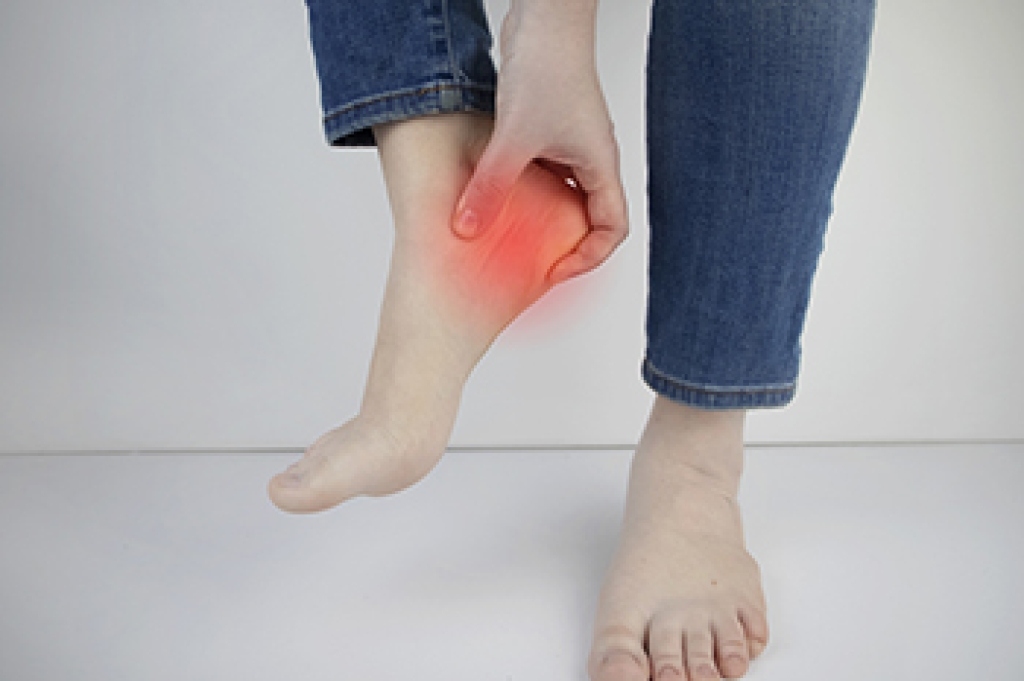
Plantar fasciitis is a common condition that causes heel pain, often described as a stabbing sensation. One leading factor is excessive or repetitive stress on the plantar fascia, a band of tissue connecting the heel to the toes. This stress can result from activities such as running, standing for extended periods, or wearing inadequate footwear. Obesity can also contribute to plantar fasciitis, as the extra weight increases pressure on the feet. Tight calf muscles and inadequate stretching can lead to an abnormal gait, putting strain on the fascia. Furthermore, age and certain foot arch types may play a role in developing this condition. Recognizing these causes can guide individuals in making lifestyle adjustments and seeking timely treatment to alleviate plantar fasciitis and regain comfort in their daily lives. If you have developed plantar fasciitis, it is strongly suggested that you are under the care of a podiatrist who can offer you appropriate treatment methods.

Plantar fasciitis is a common foot condition that is often caused by a strain injury. If you are experiencing heel pain or symptoms of plantar fasciitis, contact one of our podiatrists from Pennsylvania Foot & Ankle. Our doctors can provide the care you need to keep you pain-free and on your feet.

What Is Plantar Fasciitis?

Plantar fasciitis is one of the most common causes of heel pain. The plantar fascia is a ligament that connects your heel to the front of your foot. When this ligament becomes inflamed, plantar fasciitis is the result. If you have plantar fasciitis you will have a stabbing pain that usually occurs with your first steps in the morning. As the day progresses and you walk around more, this pain will start to disappear, but it will return after long periods of standing or sitting.

What Causes Plantar Fasciitis?

  • Excessive running
  • Having high arches in your feet
  • Other foot issues such as flat feet
  • Pregnancy (due to the sudden weight gain)
  • Being on your feet very often

There are some risk factors that may make you more likely to develop plantar fasciitis compared to others. The condition most commonly affects adults between the ages of 40 and 60. It also tends to affect people who are obese because the extra pounds result in extra stress being placed on the plantar fascia.

Prevention

  • Take good care of your feet – Wear shoes that have good arch support and heel cushioning.
  • Maintain a healthy weight
  • If you are a runner, alternate running with other sports that won’t cause heel pain

There are a variety of treatment options available for plantar fasciitis along with the pain that accompanies it. Additionally, physical therapy is a very important component in the treatment process. It is important that you meet with your podiatrist to determine which treatment option is best for you.

If you have any questions, please feel free to contact one of our offices located in Bensalem, Philadelphia, Northeast Philadelphia, Yardley, PA, and Hamilton, NJ . We offer the newest diagnostic and treatment technologies for all your foot care needs.

 

Read more about Plantar Fasciitis

Connect With Us