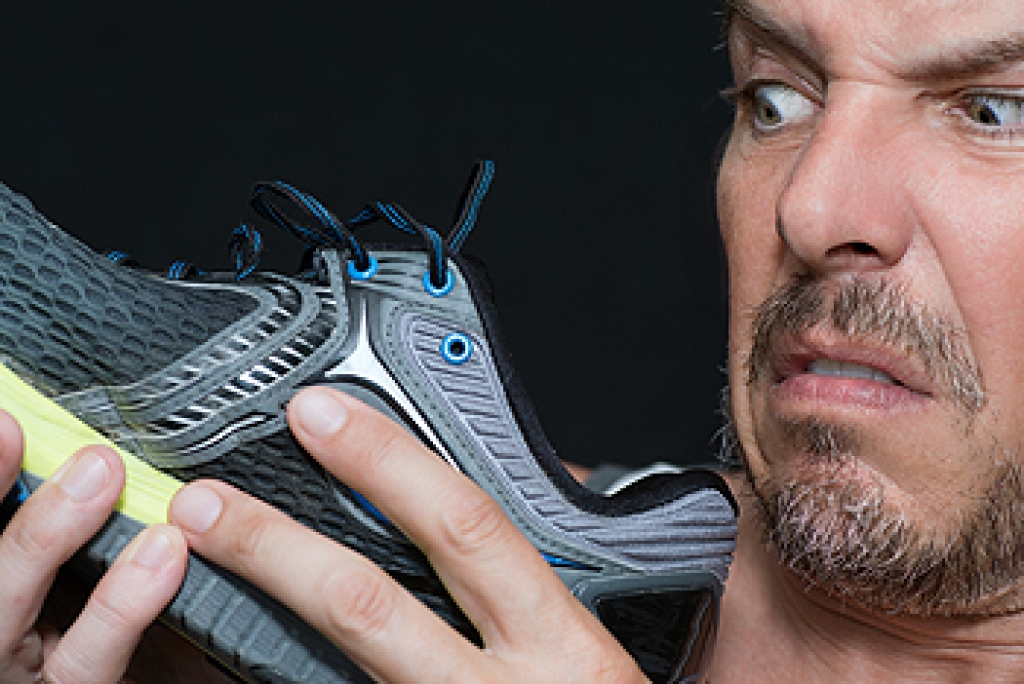
What Can Cause Feet to Constantly Sweat?

If your feet sweat profusely, you may have a condition that is referred to as plantar hyperhidrosis. It is considered to be a rare medical ailment that typically affects approximately three percent of the population. Many patients who have this condition are aware of how their quality of life is affected. Common side effects of feet that sweat excessively can consist of soggy shoes and socks, and the feet may feel cold the majority of the time. Research has indicated this condition is generally caused by hyperactive sweat glands. The circumstances that may trigger sweating can include increased temperatures or stressful situations. If you are suffering from plantar hyperhidrosis, it is strongly advised that you consult with a podiatrist who can properly diagnosis and treat this condition.

If you are suffering from hyperhidrosis contact one of our podiatrists of Pennsylvania Foot & Ankle. Our doctors can provide the care you need to attend to all of your foot and ankle needs.

Hyperhidrosis of the Feet

Hyperhidrosis is a rare disorder that can cause people to have excessive sweating of their feet. This can usually occur all on its own without rigorous activity involved. People who suffer from hyperhidrosis may also experience sweaty palms.

Although it is said that sweating is a healthy process meant to cool down the body temperature and to maintain a proper internal temperature, hyperhidrosis may prove to be a huge hindrance on a person’s everyday life.

Plantar hyperhidrosis is considered to be the main form of hyperhidrosis. Secondary hyperhidrosis can refer to sweating that occurs in areas other than the feet or hands and armpits. Often this may be a sign of it being related to another medical condition such as menopause, hyperthyroidism and even Parkinson’s disease.

In order to alleviate this condition, it is important to see your doctor so that they may prescribe the necessary medications so that you can begin to live a normal life again. If this is left untreated, it is said that it will persist throughout an individual’s life.

A last resort approach would be surgery, but it is best to speak with your doctor to find out what may be the best treatment for you.

If you have any questions, please feel free to contact one of our offices located in Bensalem, Philadelphia, Northeast Philadelphia, Yardley, PA, and Hamilton, NJ . We offer the newest diagnostic and treatment technologies for all your foot care needs.
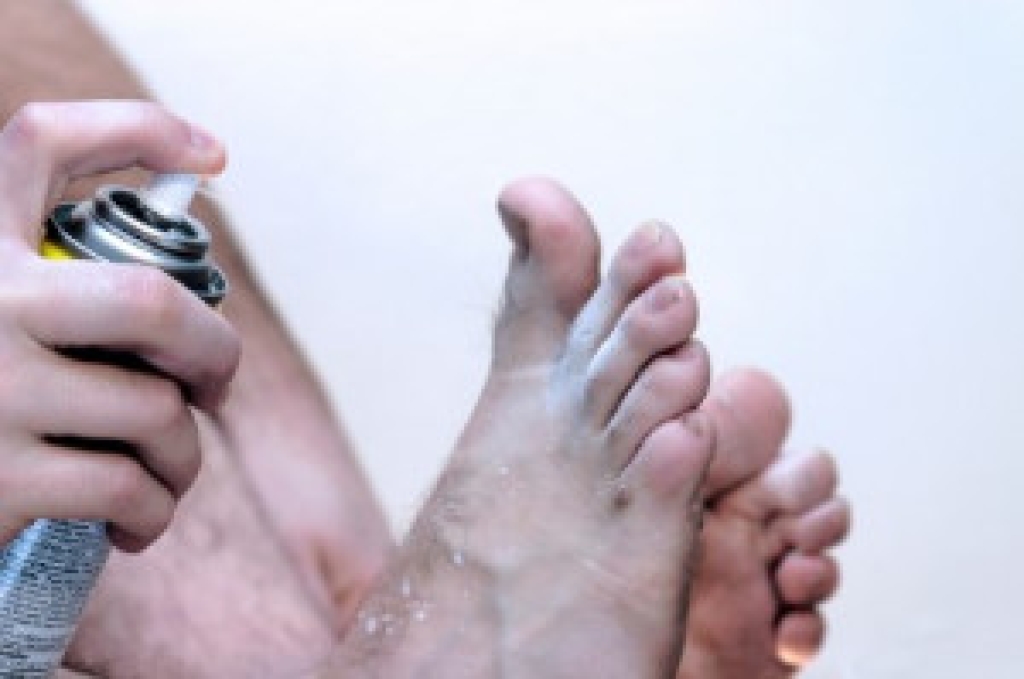

Read more about Hyperhidrosis of the Feet

Symptoms Of Athlete’s Foot

The symptoms that are typically associated with athlete’s foot are often obvious. They include itchy skin between the toes and the soles of the feet, and the skin may often appear red. Some patients also experience a burning or stinging sensation, and it is generally uncomfortable. This condition is caused by a fungus, and is considered to be contagious. This fungi lives and thrives in warm and moist environments which can include swimming pools, locker room floors, and surrounding areas. Prevention measures can be implemented when appropriate shoes are worn while in these places, and it is beneficial to avoid sharing shoes and towels. For mild cases of athlete’s foot, an over-the-counter spray may be used. If your athlete’s foot has become severe, it is suggested that you speak to a podiatrist who can prescribe medication which may be necessary in treating this condition.

Athlete’s Foot

Athlete’s foot is often an uncomfortable condition to experience. Thankfully, podiatrists specialize in treating athlete’s foot and offer the best treatment options. If you have any questions about athlete’s foot, consult with one of our podiatrists from Pennsylvania Foot & Ankle. Our doctors will assess your condition and provide you with quality treatment.

What Is Athlete’s Foot?

Tinea pedis, more commonly known as athlete’s foot, is a non-serious and common fungal infection of the foot. Athlete’s foot is contagious and can be contracted by touching someone who has it or infected surfaces. The most common places contaminated by it are public showers, locker rooms, and swimming pools. Once contracted, it grows on feet that are left inside moist, dark, and warm shoes and socks.

Prevention

The most effective ways to prevent athlete’s foot include:

  • Thoroughly washing and drying feet
  • Avoid going barefoot in locker rooms and public showers
  • Using shower shoes in public showers
  • Wearing socks that allow the feet to breathe
  • Changing socks and shoes frequently if you sweat a lot

Symptoms

Athlete’s foot initially occurs as a rash between the toes. However, if left undiagnosed, it can spread to the sides and bottom of the feet, toenails, and if touched by hand, the hands themselves. Symptoms include:

  • Redness
  • Burning
  • Itching
  • Scaly and peeling skin

Diagnosis and Treatment

Diagnosis is quick and easy. Skin samples will be taken and either viewed under a microscope or sent to a lab for testing. Sometimes, a podiatrist can diagnose it based on simply looking at it. Once confirmed, treatment options include oral and topical antifungal medications.

If you have any questions, please feel free to contact one of our offices located in Bensalem, Philadelphia, Northeast Philadelphia, Yardley, PA, and Hamilton, NJ . We offer the newest diagnostic and treatment technologies for all your foot care needs.
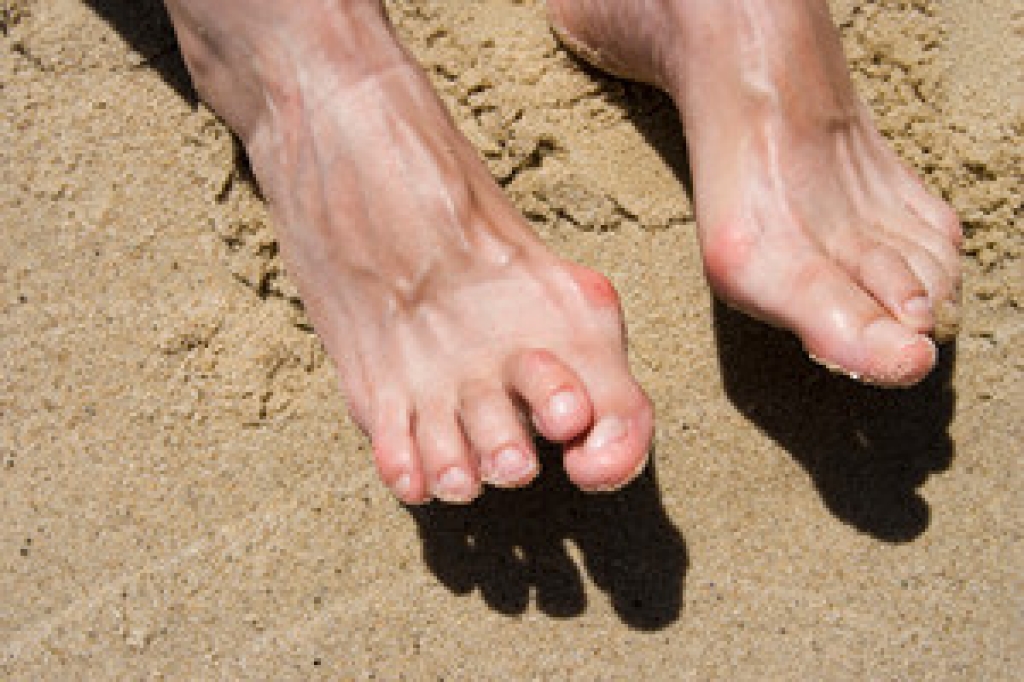
Read more about Athlete's Foot

Types of Arthritis That Can Affect The Feet

The medical term that is known as osteoarthritis may cause bone spurs at the bottom of the big toe, which may lead to the development of a bunion. If you have this type of arthritis, relief may be found when larger size shoes are worn. This may prevent additional pressure from being exerted on the bunion. A common type of arthritis that is referred to as rheumatoid arthritis typically causes inflammation on the ball of the foot. Calluses may develop as a result of the bones pushing against the skin on that part of the foot. An additional form of arthritis, which is known as gout, can affect the big toe, and may come from eating foods that are high in purine levels. Gout attacks may be prevented when healthy eating habits are implemented into the daily routine. If you have arthritis in your feet, it is strongly suggested that you consult with a podiatrist who can help you to manage this condition.

Arthritis can be a difficult condition to live with. If you are seeking treatment, contact one of our podiatrists from Pennsylvania Foot & Ankle. Our doctors can provide the care you need to keep you pain-free and on your feet.

Arthritic Foot Care  

Arthritis is a term that is commonly used to describe joint pain.  The condition itself can occur to anyone of any age, race, or gender, and there are over 100 types of it.  Nevertheless, arthritis is more commonly found in women compared to men, and it is also more prevalent in those who are overweight. The causes of arthritis vary depending on which type of arthritis you have. Osteoarthritis for example, is often caused by injury, while rheumatoid arthritis is caused by a misdirected immune system.

Symptoms

  • Swelling
  • Pain
  • Stiffness
  • Decreased Range of Motion

Arthritic symptoms range in severity, and they may come and go. Some symptoms stay the same for several years but could potentially get worse with time. Severe cases of arthritis can prevent its sufferers from performing daily activities and make walking difficult.

Risk Factors

  • Occupation – Occupations requiring repetitive knee movements have been linked to osteoarthritis
  • Obesity – Excess weight can contribute to osteoarthritis development
  • Infection – Microbial agents can infect the joints and trigger arthritis
  • Joint Injuries – Damage to joints may lead to osteoarthritis
  • Age – Risk increases with age
  • Gender –Most types are more common in women
  • Genetics – Arthritis can be hereditary

If you suspect your arthritis is affecting your feet, it is crucial that you see a podiatrist immediately. Your doctor will be able to address your specific case and help you decide which treatment method is best for you.

If you have any questions please feel free to contact one of our offices located in Bensalem, Philadelphia, Northeast Philadelphia, Yardley, PA, and Hamilton, NJ . We offer the newest diagnostic tools and technology to treat your foot and ankle needs.

Read more about How to Care for Your Arthritic Foot

How Do Heel Spurs Develop?

One of the most noticeable symptoms of a heel spur is pain in the heel and surrounding areas. It can occur as a result of walking and standing on hard surfaces, wearing new shoes that do not fit correctly, or after training for a specific sport. It can develop from consistent pressure that is put on the heel, and may cause a small bony protrusion to form on the heel bone. The symptoms that many people experience is pain on the bottom of the foot while pursuing activities that require walking and standing. If a heel spur is left untreated, pain and discomfort may be felt even when the foot is resting. Moderate relief may be found if a protective pad is worn in the shoe. Additionally, it may be helpful to stretch the heel frequently. This can be accomplished by standing on a step, and gently raising and lowering the heel. Severe heel spurs can be debilitating. If you are suffering from this ailment, it is strongly advised that you consult with a podiatrist who can properly treat this condition.

Heel spurs can be incredibly painful and sometimes may make you unable to participate in physical activities. To get medical care for your heel spurs, contact one of our podiatrists from Pennsylvania Foot & Ankle. Our doctors will do everything possible to treat your condition.

Heels Spurs

Heel spurs are formed by calcium deposits on the back of the foot where the heel is. This can also be caused by small fragments of bone breaking off one section of the foot, attaching onto the back of the foot. Heel spurs can also be bone growth on the back of the foot and may grow in the direction of the arch of the foot.

Older individuals usually suffer from heel spurs and pain sometimes intensifies with age. One of the main condition's spurs are related to is plantar fasciitis.

Pain

The pain associated with spurs is often because of weight placed on the feet. When someone is walking, their entire weight is concentrated on the feet. Bone spurs then have the tendency to affect other bones and tissues around the foot. As the pain continues, the feet will become tender and sensitive over time.

Treatments

There are many ways to treat heel spurs. If one is suffering from heel spurs in conjunction with pain, there are several methods for healing. Medication, surgery, and herbal care are some options.

If you have any questions, please feel free to contact one of our offices located in Bensalem, Philadelphia, Northeast Philadelphia, Yardley, PA, and Hamilton, NJ . We offer the newest diagnostic and treatment technologies for all your foot care needs.
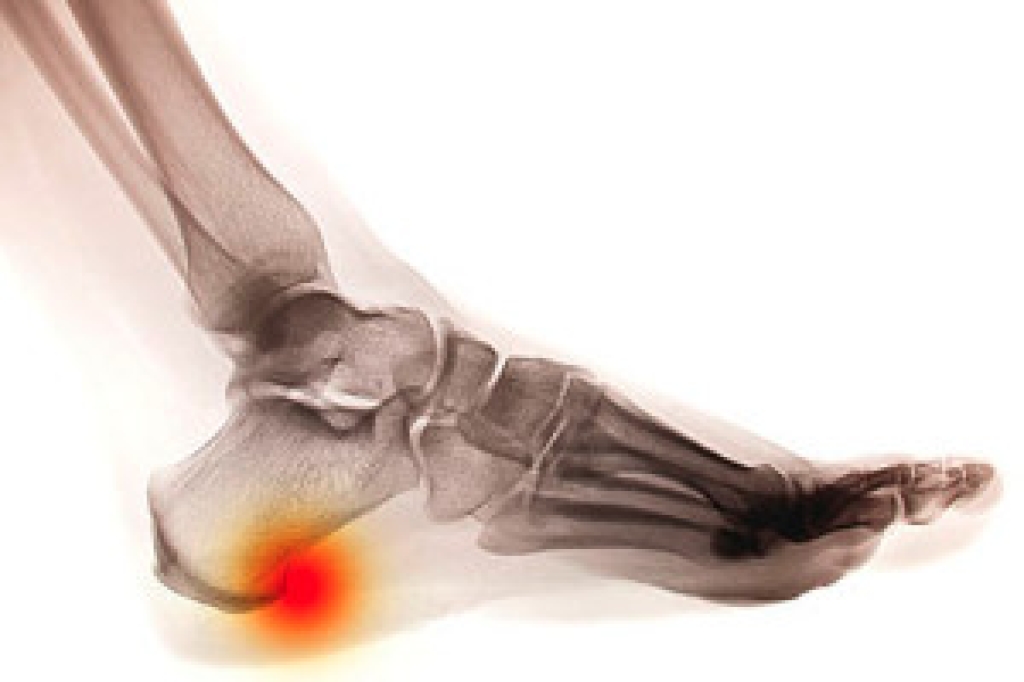
Read more about Heel Spurs

Connect With Us