Plantar Fasciitis and Motion

Plantar fasciitis is a condition tied closely to the biomechanics of the foot. The plantar fascia, a thick band of tissue under the foot, helps support the arch and absorbs impact during walking. It starts at the heel bone and fans out toward the toes. When walking, this tissue stretches and recoils, maintaining foot stability and aiding motion. Improper gait, like uneven pressure on the foot, can strain the fascia. Over time, this strain may lead to tiny tears, causing pain and inflammation. The body repairs these tears with collagen, but repetitive strain may disrupt proper healing, leading to chronic pain. Biomechanical issues, such as flat feet or tight calf muscles, can worsen the problem. Proper treatment, including stretching, wearing supportive footwear, and more, helps. If you have ongoing heel pain, it is suggested that you see a podiatrist to identify the underlying cause, and get expert care

Plantar fasciitis can be very painful and inconvenient. If you are experiencing heel pain or symptoms of plantar fasciitis, contact one of our podiatrists  from Pennsylvania Foot & Ankle. Our doctors can provide the care you need to keep you pain-free and on your feet.

What Is Plantar Fasciitis?

Plantar fasciitis is the inflammation of the thick band of tissue that runs along the bottom of your foot, known as the plantar fascia, and causes mild to severe heel pain.

What Causes Plantar Fasciitis?

  • Excessive running
  • Non-supportive shoes
  • Overpronation
  • Repeated stretching and tearing of the plantar fascia

How Can It Be Treated?

  • Conservative measures – anti-inflammatories, ice packs, stretching exercises, physical therapy, orthotic devices
  • Shockwave therapy – sound waves are sent to the affected area to facilitate healing and are usually used for chronic cases of plantar fasciitis
  • Surgery – usually only used as a last resort when all else fails. The plantar fascia can be surgically detached from the heel

While very treatable, plantar fasciitis is definitely not something that should be ignored. Especially in severe cases, speaking to your doctor right away is highly recommended to avoid complications and severe heel pain. Your podiatrist can work with you to provide the appropriate treatment options tailored to your condition.

If you have any questions, please feel free to contact one of our offices located in Bensalem, Philadelphia, Northeast Philadelphia, Yardley, PA, and Hamilton, NJ . We offer the newest diagnostic and treatment technologies for all your foot care needs.


Read more about Plantar Fasciitis

Wounds That Don't Heal Need to Be Checked

Your feet are covered most of the day. If you're diabetic, periodic screening is important for good health. Numbness is often a sign of diabetic foot and can mask a sore or wound.

Pickleball and Arthritis

Pickleball, a blend of tennis, badminton, and ping-pong, is a low-impact sport that is gaining popularity for its joint-friendly benefits. Low impact means less stress on weight-bearing joints like hips, knees, and ankles, making it ideal for individuals with arthritis. The gentle, consistent movement during pickleball stimulates the production of synovial fluid, which lubricates joints and reduces stiffness. Regular play also improves balance, agility, and joint flexibility, key factors in preventing falls, which is a common concern for those with arthritis. To maximize the benefits, proper preparation is essential. Warm up before playing to loosen joints, and use supportive footwear designed to accommodate arthritic feet. If you play pickleball and have persistent joint pain, it is suggested that you consult a podiatrist to help you stay active safely.

Arthritis can be a difficult condition to live with. If you are seeking treatment, contact one of our podiatrists from Pennsylvania Foot & Ankle. Our doctors can provide the care you need to keep you pain-free and on your feet.

Arthritic Foot Care  

Arthritis is a joint disorder that involves the inflammation of different joints in your body, such as those in your feet. Arthritis is often caused by a degenerative joint disease and causes mild to severe pain in all affected areas. In addition to this, swelling and stiffness in the affected joints can also be a common symptom of arthritis.

In many cases, wearing ill-fitting shoes can worsen the effects and pain of arthritis. Wearing shoes that have a lower heel and extra room can help your feet feel more comfortable. In cases of rheumatoid arthritis, the arch in your foot may become problematic. Buying shoes with proper arch support that contour to your feet can help immensely.

Alleviating Arthritic Pain

  • Exercises that stretch the foot can prevent further pain and injury and increase mobility
  • Most of the pain can be alleviated with anti-inflammatory drugs, heat, and topical medications
  • Massages can help temporarily alleviate pain.

It is best to see your doctor for the treatment that is right for your needs and symptoms. Conditions vary, and a podiatrist can help you determine the right method of care for your feet.

If you have any questions please feel free to contact one of our offices located in Bensalem, Philadelphia, Northeast Philadelphia, Yardley, PA, and Hamilton, NJ . We offer the newest diagnostic tools and technology to treat your foot and ankle needs.

Read more about Arthritic Foot Care

Causes of Lumps and Bumps on the Toe

A lump on the toe can arise for any number of reasons and may vary in size, location, and texture. Probably the most common cause of a lump on the toe is a bunion, caused when the bones of the big or little toe shift out of place. Another cause, termed hallux rigidus, involves stiffness and bony growths on top of the big toe due to arthritis or wear and tear. Softer lumps, such as digital mucous cysts, are fluid-filled sacs that often form near joints and may result from injury or wearing ill-fitting shoes. Conditions like Morton’s neuroma, a nerve-related issue under the toes, or calluses and corns from pressure and friction, can also lead to lumps. Each condition requires a specific approach for relief and prevention of further complications. A podiatrist can provide an accurate diagnosis of the lump or bump on your toe. Treatment options include orthotics or minor surgical procedures depending on the cause. Guidance on footwear choices to alleviate discomfort may be offered. If you notice an unusual lump or bump on a toe, it is suggested that you schedule an appointment with a podiatrist for a diagnosis and treatment.

Toe pain can disrupt your daily activities. If you have any concerns, contact one of our podiatrists of Pennsylvania Foot & Ankle. Our doctors can provide the care you need to keep you pain-free and on your feet.

What Causes Toe Pain?

Most severe toe pain is caused due to a sports injury, trauma from dropping something heavy on the toe, or bumping into something rigid. Other problems can develop over time for various reasons.

Toe pain can be caused by one or more ailments. The most common include:

  • Trauma
  • Sports injury
  • Wearing shoes that are too tight
  • Arthritis
  • Gout
  • Corns and calluses
  • Hammertoe
  • Bunions
  • Blisters
  • Ingrown toenails
  • Sprains
  • Fractures (broken bones)
  • Dislocations

When to See a Podiatrist

  • Severe pain
  • Persistent pain that lasts more than a week
  • Signs of infection
  • Continued swelling
  • Pain that prevents walking

Diagnosis

In many cases the cause of toe pain is obvious, but in others, a podiatrist may want to use more advanced methods to determine the problem. These can range from simple visual inspections and sensation tests to X-rays and MRI scans. Prior medical history, family medical history, and any recent physical traumatic events will all be taken into consideration for a proper diagnosis.

Treatment

Treatments for toe pain and injuries vary and may include shoe inserts, padding, taping, medicines, injections, and in some cases, surgery. If you believe that you have broken a toe, please see a podiatrist as soon as possible.

If you have any questions please contact one of our offices located in Bensalem, Philadelphia, Northeast Philadelphia, Yardley, PA, and Hamilton, NJ . We offer the newest diagnostic and treatment technologies for all your foot and ankle needs.

Read more about Toe Pain

Foot Blisters and How to Prevent Them

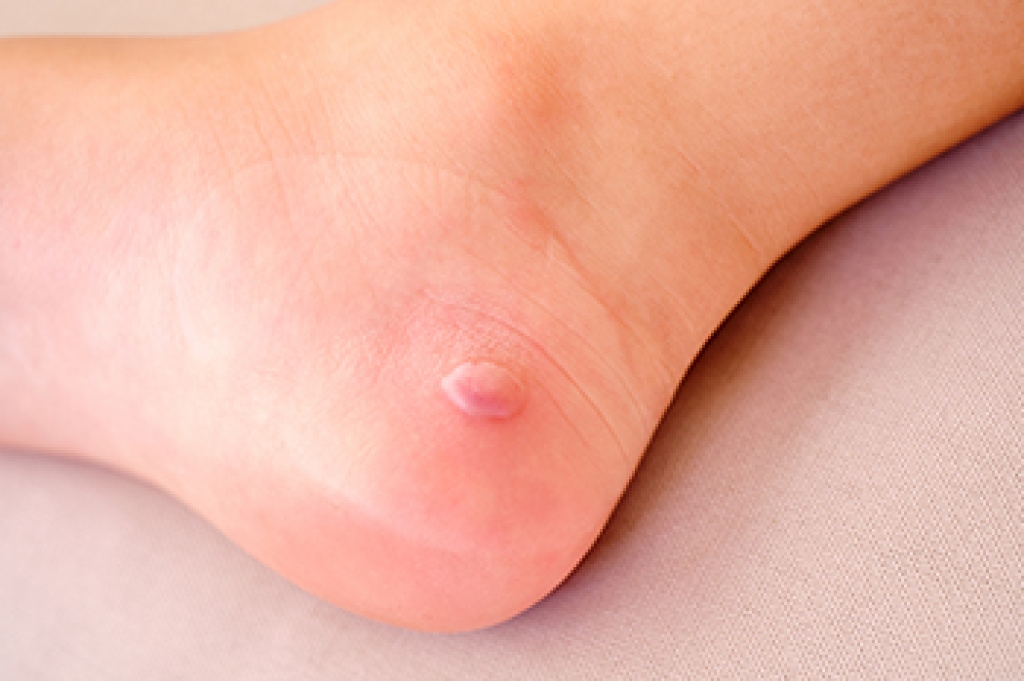
Foot and heel blisters are fluid-filled sacs that form on the skin when it is subjected to friction or pressure. They are commonly caused by wearing ill-fitting shoes or engaging in activities that involve repetitive motion, such as walking or running. The friction causes the top layers of skin to separate, filling with fluid to protect the underlying tissue. Although blisters are usually not serious, they can be painful and may become infected if not cared for properly. To prevent foot blisters, it is essential to wear shoes that fit well and provide adequate support. Using moisture-wicking socks can help reduce friction, while applying blister prevention products or tapes to vulnerable areas of the feet can offer added protection. Foot blisters can be uncomfortable, and may cause difficulty in completing daily activities. If you have developed a foot or heel blister, it is suggested that you contact a podiatrist who can treat infected blisters, and offer additional prevention methods.

Blisters are prone to making everyday activities extremely uncomfortable. If your feet are hurting, contact one of our podiatrists of Pennsylvania Foot & Ankle. Our doctors can provide the care you need to keep you pain-free and on your feet.

Foot Blisters

Foot blisters develop as a result of constantly wearing tight or ill-fitting footwear. This happens due to the constant rubbing from the shoe, which can often lead to pain.

What Are Foot Blisters?

A foot blister is a small fluid-filled pocket that forms on the upper-most layer of the skin. Blisters are filled with clear fluid and can lead to blood drainage or pus if the area becomes infected.

How Do Blisters Form?

Blisters on the feet are often the result of constant friction of skin and material, usually by shoe rubbing. Walking in sandals, boots, or shoes that don’t fit properly for long periods of time can result in a blister. Having consistent foot moisture and humidity can easily lead to blister formation.

Prevention & Treatment

It is important to properly care for the affected area in order to prevent infection and ease the pain. Do not lance the blister and use a Band-Aid to provide pain relief. Also, be sure to keep your feet dry and wear proper fitting shoes. If you see blood or pus in a blister, seek assistance from a podiatrist.

If you have any questions, please feel free to contact one of our offices located in Bensalem, Philadelphia, Northeast Philadelphia, Yardley, PA, and Hamilton, NJ . We offer the newest diagnostic and treatment technologies for all your foot care needs.
Read more about Blisters

It's Time for Beautiful Feet

You don't need an excuse to have beautiful nails. Step outside without worrying about the appearance of your feet.

Preventing Plantar Ulcers in Diabetic Patients

A plantar ulcer is an open sore that develops on the bottom of the foot, often due to high pressure or poor circulation. For people with diabetes and peripheral neuropathy, these ulcers can become a recurring issue, especially if they have had them before. Custom shoe orthotics can help reduce pressure on the feet, lowering the risk of these ulcers returning. Research shows that orthotics shaped to fit the foot and designed based on pressure points are more effective in preventing ulcer recurrence than standard orthotics. However, while these specialized orthotics can reduce ulcers, they do not necessarily prevent other types of foot lesions. If you have diabetes,  it is strongly suggested that you visit a podiatrist for a personalized foot evaluation and directed treatment for you, which may include orthotics.

If you are having discomfort in your feet and would like to try orthotics, contact one of our podiatrists from Pennsylvania Foot & Ankle. Our doctors can provide the care you need to keep you pain-free and on your feet.

What Are Orthotics?

Orthotics are inserts you can place into your shoes to help with a variety of foot problems such as flat feet or foot pain. Orthotics provide relief and comfort for minor foot and heel pain but can’t correct serious biomechanical problems in your feet.

Over-the-Counter Inserts

Orthotics come in a wide variety of over-the-counter inserts that are used to treat foot pain, heel pain, and minor problems. For example, arch supports can be inserted into your shoes to help correct overarched or flat feet, while gel insoles are often used because they provide comfort and relief from foot and heel pain by alleviating pressure.

Prescription Orthotics

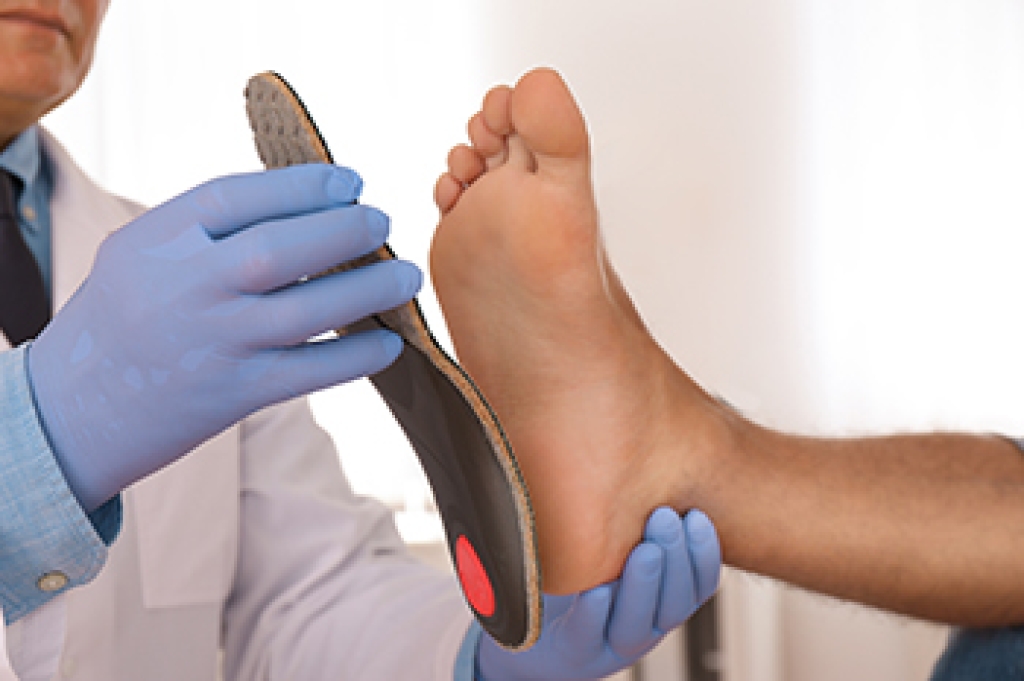
If over-the-counter inserts don’t work for you or if you have a more severe foot concern, it is possible to have your podiatrist prescribe custom orthotics. These high-quality inserts are designed to treat problems such as abnormal motion, plantar fasciitis, and severe forms of heel pain. They can even be used to help patients suffering from diabetes by treating foot ulcers and painful calluses and are usually molded to your feet individually, which allows them to provide full support and comfort.

If you are experiencing minor to severe foot or heel pain, it’s recommended to speak with your podiatrist about the possibilities of using orthotics. A podiatrist can determine which type of orthotic is right for you and allow you to take the first steps towards being pain-free.

If you have any questions, please feel free to contact one of our offices located in Bensalem, Philadelphia, Northeast Philadelphia, Yardley, PA, and Hamilton, NJ . We offer the newest diagnostic and treatment technologies for all your foot care needs.
Read more about Foot Orthotics

Flat Feet in Kids and Young Athletes

Flat feet, or fallen arches, are common in children and young athletes, where the arch of the foot collapses, causing the entire sole to touch the ground. This condition can be hereditary or develop because of obesity, lack of muscle tone, or improper footwear. Symptoms often include foot pain, fatigue, and difficulty participating in sports or physical activities. Children may also complain of discomfort in their legs or knees due to altered gait mechanics from flat feet. Treatment typically starts with supportive footwear and custom orthotics to provide better arch support. Stretching and strengthening exercises can also help improve foot function. A podiatrist specializes in assessing and treating flat feet, offering personalized care and guidance for young athletes. If your child is experiencing symptoms of flat feet, it is suggested that you make an appointment with a podiatrist. They can provide an accurate diagnosis and create a tailored treatment plan to enhance your child's athletic performance.

Flatfoot is a condition many people suffer from. If you have flat feet, contact one of our podiatrists from Pennsylvania Foot & Ankle. Our doctors will treat your foot and ankle needs.

What Are Flat Feet?

Flatfoot is a condition in which the arch of the foot is depressed and the sole of the foot is almost completely in contact with the ground. About 20-30% of the population generally has flat feet because their arches never formed during growth.

Conditions & Problems:

Having flat feet makes it difficult to run or walk because of the stress placed on the ankles.

Alignment – The general alignment of your legs can be disrupted, because the ankles move inward which can cause major discomfort.

Knees – If you have complications with your knees, flat feet can be a contributor to arthritis in that area.  

Symptoms

  • Pain around the heel or arch area
  • Trouble standing on the tip toe
  • Swelling around the inside of the ankle
  • Flat look to one or both feet
  • Having your shoes feel uneven when worn

Treatment

If you are experiencing pain and stress on the foot you may weaken the posterior tibial tendon, which runs around the inside of the ankle. 

If you have any questions, please feel free to contact one of our offices located in Bensalem, Philadelphia, Northeast Philadelphia, Yardley, PA, and Hamilton, NJ . We offer the newest diagnostic and treatment technologies for all your foot care needs.

Read more about Flatfoot

Bunion Formation and Treatment

A bunion is a bony bump that forms at the base of the big toe joint, causing the toe to angle toward the other toes. This deformity creates a noticeable lump on the side of the foot, often leading to redness, swelling, and tenderness surrounding the affected area. Bunions can cause a dull ache or sharp pain, especially when wearing tight shoes. Diagnosis is typically straightforward. A podiatrist will assess the foot’s shape and may use X-rays to confirm the degree of misalignment and rule out other conditions, such as arthritis or gout, which can cause similar symptoms. Treatment varies based on severity. Mild cases may be managed with wider shoes, padding, and custom orthotics. In more advanced cases, surgery may be recommended to realign the joint and correct the deformity. If you have a bunion that is causing you discomfort, it is suggested that you schedule an appointment with a podiatrist to get appropriate treatment.

If you are suffering from bunions, contact one of our podiatrists of Pennsylvania Foot & Ankle. Our doctors can provide the care you need to keep you pain-free and on your feet.

What Is a Bunion?

A bunion is formed of swollen tissue or an enlargement of boney growth, usually located at the base joint of the toe that connects to the foot. The swelling occurs due to the bones in the big toe shifting inward, which impacts the other toes of the foot. This causes the area around the base of the big toe to become inflamed and painful.

Why Do Bunions Form?

Genetics – Susceptibility to bunions are often hereditary

Stress on the feet – Poorly fitted and uncomfortable footwear that places stress on feet, such as heels, can worsen existing bunions

How Are Bunions Diagnosed?

Podiatrists often perform two tests – blood tests and x-rays – when trying to diagnose bunions, especially in the early stages of development. Blood tests help determine if the foot pain is being caused by something else, such as arthritis, while x-rays provide a clear picture of your bone structure to your provider.

How Are Bunions Treated?

  • Refrain from wearing heels or similar shoes that cause discomfort
  • Select wider shoes that can provide more comfort and reduce pain
  • Anti-inflammatory and pain management drugs
  • Orthotics or foot inserts
  • Surgery

If you have any questions, please feel free to contact one of our offices located in Bensalem, Philadelphia, Northeast Philadelphia, Yardley, PA, and Hamilton, NJ . We offer the newest diagnostic and treatment technologies for all your foot care needs.
Read more about Bunions

Heel Pain Can Be Treated!

Do you suffer from heel pain when you get up in the morning? If so, you should seek professional help and have a proper diagnosis performed. Heel pain can be caused by several different foot-related conditions.

Connect With Us