
Gout is a painful, inflammatory form of arthritis. Those affected will typically feel an intense stiffness in the joints of their feet, particularly in the big toe. Schedule a visit to learn about how gout can be managed and treated.
Gout is a painful, inflammatory form of arthritis. Those affected will typically feel an intense stiffness in the joints of their feet, particularly in the big toe. Schedule a visit to learn about how gout can be managed and treated.
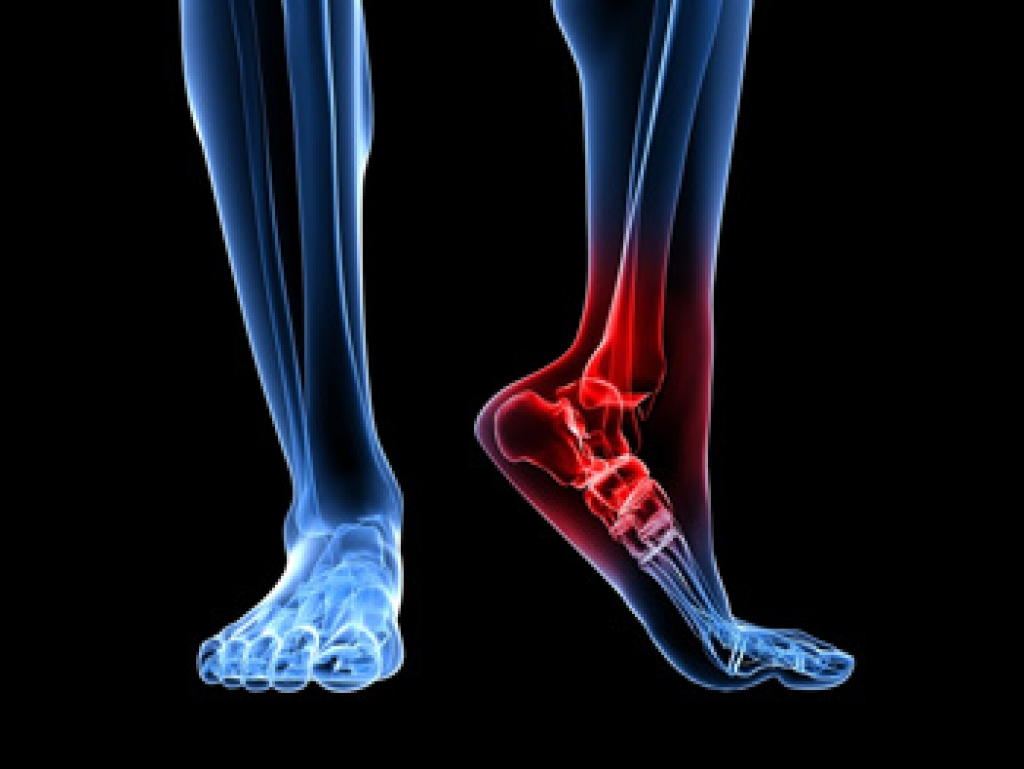 The plantar fascia is a band of tissue that connects the heel to the toes. Strained ligaments in this part of the foot may cause a condition to occur that is referred to as plantar fasciitis. This ailment is considered to be the most common cause of foot pain in adults. The plantar fascia helps to provide the necessary support while performing running and jumping activities, and can cause severe pain and discomfort if it becomes inflamed. Plantar fasciitis may happen for a variety of reasons. These may include experiencing a foot injury, wearing shoes that do not fit correctly, or from standing for extended periods of time throughout the day. Common symptoms that patients may feel can consist of heel pain, which may be more prominent early in the morning. There are several types of treatments available, and it is suggested that you consult with a podiatrist who can help you to determine which one is the best one for you.
Plantar fasciitis is a common foot condition that is often caused by a strain injury. If you are experiencing heel pain or symptoms of plantar fasciitis, contact one of our podiatrists from Pennsylvania Foot & Ankle. Our doctors can provide the care you need to keep you pain-free and on your feet.
What Is Plantar Fasciitis?
Plantar fasciitis is one of the most common causes of heel pain. The plantar fascia is a ligament that connects your heel to the front of your foot. When this ligament becomes inflamed, plantar fasciitis is the result. If you have plantar fasciitis you will have a stabbing pain that usually occurs with your first steps in the morning. As the day progresses and you walk around more, this pain will start to disappear, but it will return after long periods of standing or sitting.
What Causes Plantar Fasciitis?
There are some risk factors that may make you more likely to develop plantar fasciitis compared to others. The condition most commonly affects adults between the ages of 40 and 60. It also tends to affect people who are obese because the extra pounds result in extra stress being placed on the plantar fascia.
Prevention
There are a variety of treatment options available for plantar fasciitis along with the pain that accompanies it. Additionally, physical therapy is a very important component in the treatment process. It is important that you meet with your podiatrist to determine which treatment option is best for you.
If you have any questions, please feel free to contact one of our offices located in Bensalem, Philadelphia, Northeast Philadelphia, Yardley, PA, and Hamilton, NJ . We offer the newest diagnostic and treatment technologies for all your foot care needs.
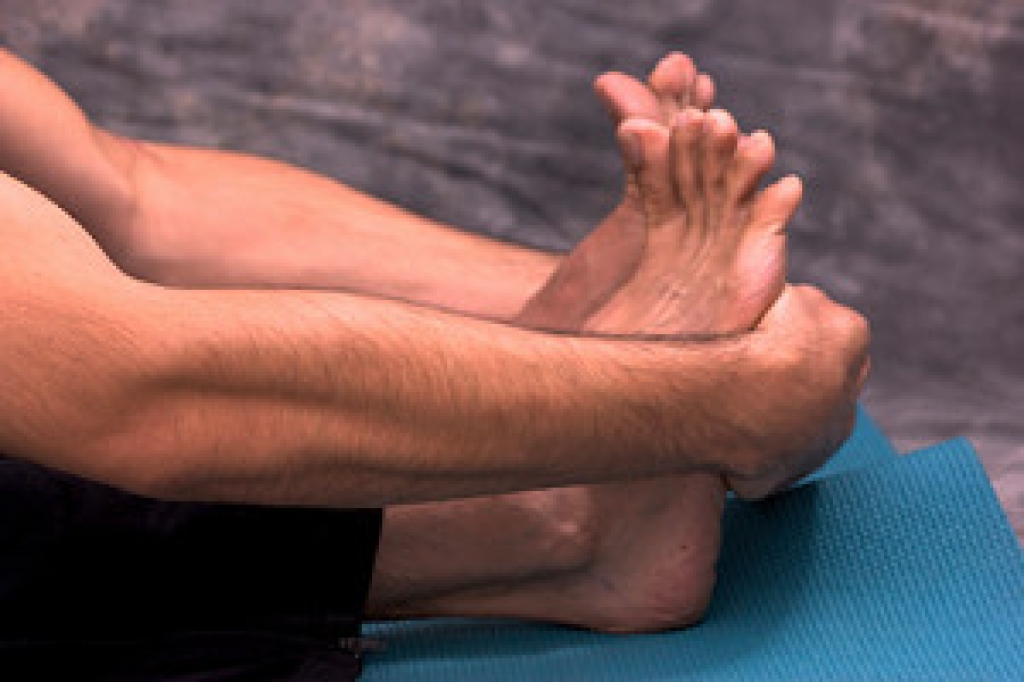 In order to help strengthen your feet and prevent getting an injury, it’s recommended that you incorporate foot stretches in your daily routine. Performing these light exercises during your warmup before a run may help keep your feet flexible, and better prepare them for the activity. One type of exercise you can practice is the big toe extension lunge. To perform this, start by standing inside a door frame and leaning your big toe against the wall angled upward. You will begin to feel a stretch in your big toe once you begin to lunge forward. Another type of foot stretch you can practice is done by rolling either a lacrosse ball or massage ball back and forth under the arch of your foot. This kind of stretch is particularly useful after a run, as it helps to relax the muscles underneath your foot. For more tips on stretching your feet, we recommend you speak with a podiatrist for professional advice.
Why Stretching Is Important for Your Feet
Stretching the feet is a great way to prevent injuries. If you have any concerns with your feet consult with one of our podiatrists from Pennsylvania Foot & Ankle. Our doctors will assess your condition and provide you with quality foot and ankle treatment.
Stretching the Feet
Stretching the muscles in the foot is an important part in any physical activity. Feet that are tight can lead to less flexibility and make you more prone to injury. One of the most common forms of foot pain, plantar fasciitis, can be stretched out to help ease the pain. Stretching can not only ease pain from plantar fasciitis but also prevent it as well. However, it is important to see a podiatrist first to determine if stretching is right for you. Podiatrists can also recommend other ways to stretch your feet. Once you know whether stretching is right for you, here are some excellent stretches you can do.
It is best to go easy when first stretching your foot and work your way up. If your foot starts hurting, stop exercising to ice and rest the foot. It is advised that you then see a podiatrist for help.
If you have any questions please contact one of our offices located in Bensalem, Philadelphia, Northeast Philadelphia, Yardley, PA, and Hamilton, NJ . We offer the newest diagnostic and treatment technologies for all your foot and ankle needs.
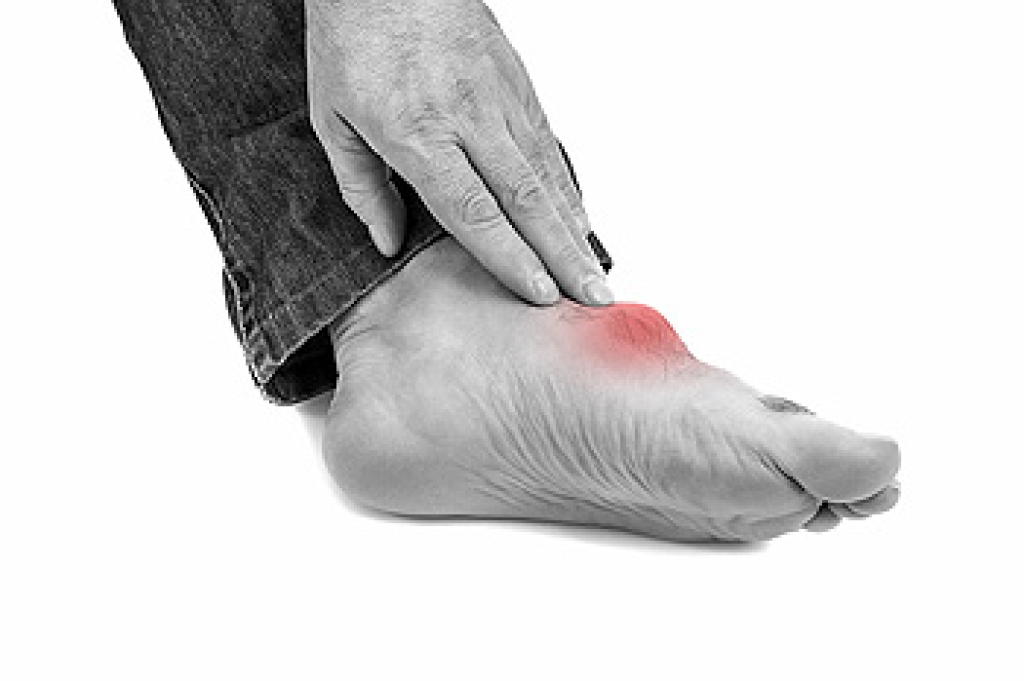 Arthritis can develop in many different forms. The build up of crystals that form in and around the joints is a symptom of arthritis commonly referred to as gout. Gout is particularly painful and most commonly affects the big toe. Some symptoms that indicate you might have developed gout include heat, tenderness, pain, swelling, and redness of the affected joint. You may also notice that the skin over the affected joint may appear shiny, and can begin to peel overtime. Gout typically develops due to an increase of urate crystals that spill out from the cartilage and into the space between the bones and joints. This build up of crystals can lead to what is referred to as a gout attack. For information about treating gout and relieving its symptoms, we recommend that you consult with a podiatrist for professional care and advice.
Gout is a foot condition that requires certain treatment and care. If you are seeking treatment, contact one of our podiatrists from Pennsylvania Foot & Ankle. Our doctors will treat your foot and ankle needs.
What Is Gout?
Gout is a type of arthritis caused by a buildup of uric acid in the bloodstream. It often develops in the foot, especially the big toe area, although it can manifest in other parts of the body as well. Gout can make walking and standing very painful and is especially common in diabetics and the obese.
People typically get gout because of a poor diet. Genetic predisposition is also a factor. The children of parents who have had gout frequently have a chance of developing it themselves.
Gout can easily be identified by redness and inflammation of the big toe and the surrounding areas of the foot. Other symptoms include extreme fatigue, joint pain, and running high fevers. Sometimes corticosteroid drugs can be prescribed to treat gout, but the best way to combat this disease is to get more exercise and eat a better diet.
If you have any questions, please feel free to contact one of our offices located in Bensalem, Philadelphia, Northeast Philadelphia, Yardley, PA, and Hamilton, NJ . We offer the newest diagnostic and treatment technologies for all your foot care needs.

Have you noticed a bony protrusion on the side of your big toe? If so, you may have developed the foot condition known as a bunion. Don't let bunions interfere with your daily activities.
Connect With Us
