Methods for Stretching the Feet

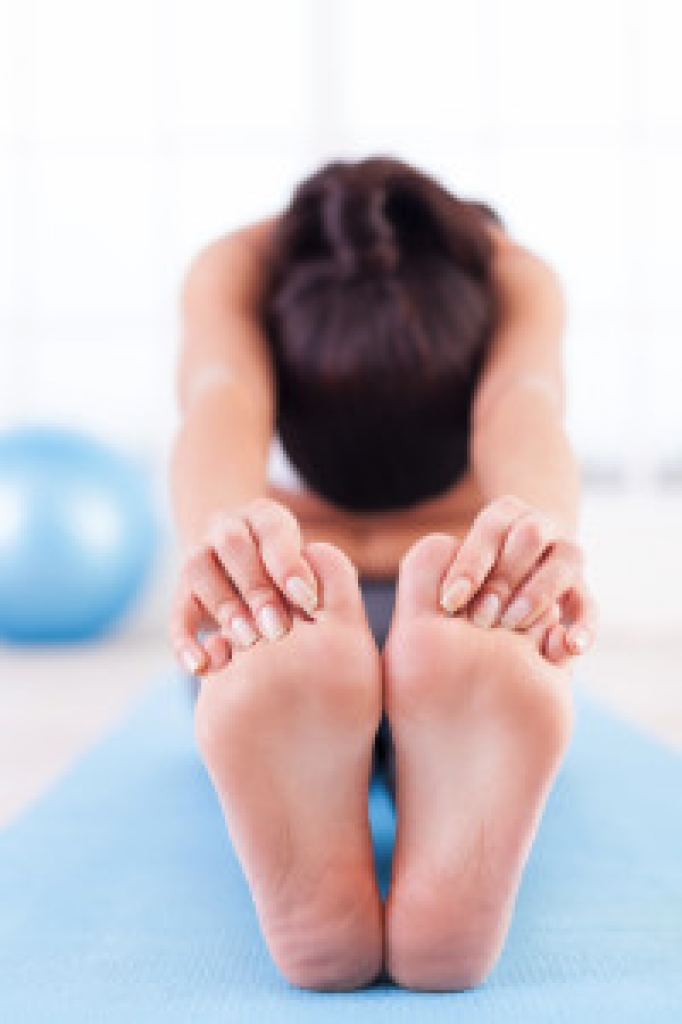
When the feet are properly stretched, it may positively affect the well-being of the overall body. The feet are considered to be the foundation of the body, which is why it’s important to practice effective ways to stretch different areas of the feet. When your foot is rolled on a tennis ball, you may feel the muscles quickly relax. This can be helpful after standing or walking for the majority of the day. Some patients find it beneficial to stand on their tip toes for several seconds, as this may help to relax the muscles, ligaments, and tendons. People who have flat feet may find it useful to stretch the arch, which can be accomplished by standing on the floor and gently lifting the toes. If you would like additional methods for stretching your feet, please consult with a podiatrist.

Stretching the feet is a great way to prevent injuries. If you have any concerns with your feet consult with one of our podiatrists from Pennsylvania Foot & Ankle. Our doctors will assess your condition and provide you with quality foot and ankle treatment.

Stretching the Feet

Being the backbone of the body, the feet carry your entire weight and can easily become overexerted, causing cramps and pain. As with any body part, stretching your feet can serve many benefits. From increasing flexibility to even providing some pain relief, be sure to give your feet a stretch from time to time. This is especially important for athletes or anyone performing aerobic exercises, but anyone experiencing foot pain or is on their feet constantly should also engage in this practice.

Great ways to stretch your feet:

  • Crossing one leg over the others and carefully pull your toes back. Do 10-20 repetitions and repeat the process for each foot
  • Face a wall with your arms out and hands flat against the wall. Step back with one foot and keep it flat on the floor while moving the other leg forward. Lean towards the wall until you feel a stretch. Hold for 30 seconds and perform 10 repetitions for each foot
  • Be sure not to overextend or push your limbs too hard or you could risk pulling or straining your muscle

Individuals who tend to their feet by regular stretching every day should be able to minimize foot pain and prevent new problems from arising.

If you have any questions please contact one of our offices located in Bensalem, Philadelphia, Northeast Philadelphia, Yardley, PA, and Hamilton, NJ . We offer the newest diagnostic and treatment technologies for all your foot and ankle needs.

Read more about How to Stretch Your Feet

Possible Causes of Cracked Heels

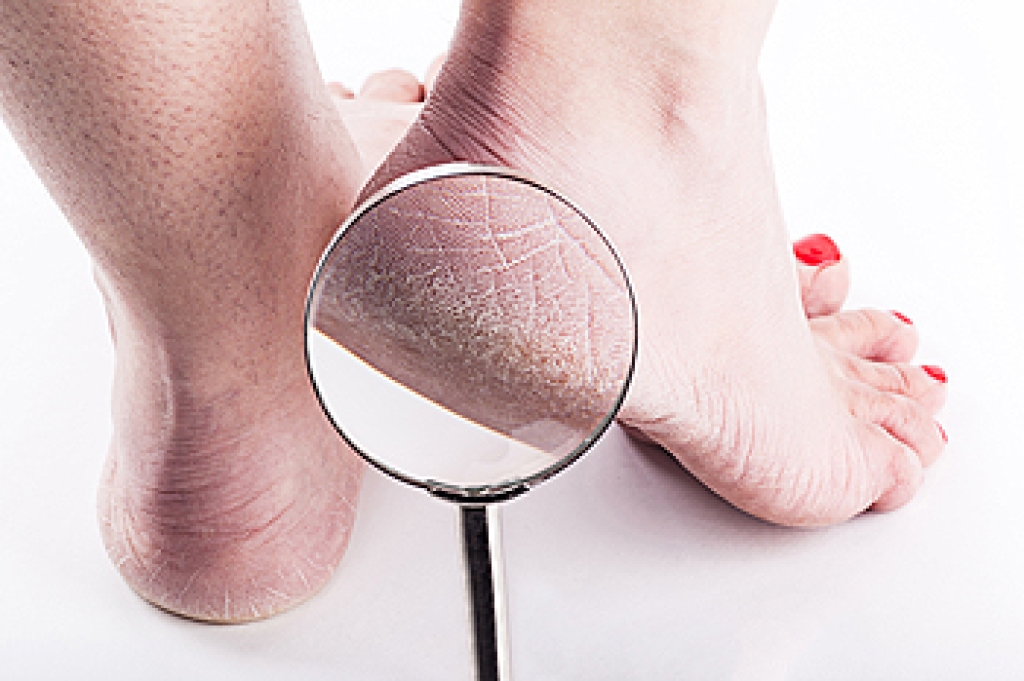
The condition that is known as cracked heels can cause severe pain and discomfort. It can develop as a result of having excessively dry skin, or from standing for extended periods of time throughout the day. Additionally, many patients can develop this ailment from wearing open back shoes. There can also be medical reasons as to why cracked heels may form, including athlete’s foot, psoriasis, or eczema. Moderate relief may be found when the feet are soaked in warm water, followed by frequently applying a good moisturizer. This may help the skin of the feet to become supple and soft. If you have developed cracked heels, it is suggested that you consult a podiatrist who can recommend correct treatment techniques.

If the skin on your feet starts to crack, you may want to see a podiatrist to find treatment. If you have any concerns, contact one of our podiatrists from Pennsylvania Foot & Ankle. Our doctors can provide the care you need to keep you pain-free and on your feet.

Cracked Heels

It is important to moisturize your cracked heels in order to prevent pain, bleeding, and infection. The reason cracked heels form is because the skin on the foot is too dry to support the immense pressure placed on them. When the foot expands, the dry skin on the foot begins to split.

Ways to Help Heal Them

  • Invest in a good foot cream
  • Try Using Petroleum Jelly
  • Ease up on Soaps
  • Drink Plenty of Water

Ways to Prevent Cracked Heels

  • Moisturize After Showering
  • Skip a Shower
  • Keep Shower Water Lukewarm
  • Don’t Scrub Your Feet

If you are unsure how to proceed in treating cracked heels, seek guidance from a podiatrist. Your doctor will help you with any questions or information you may need. 

If you have any questions, please feel free to contact one of our offices located in Bensalem, Philadelphia, Northeast Philadelphia, Yardley, PA, and Hamilton, NJ . We offer the newest diagnostic and treatment technologies for all your foot care needs.

Read more about Solutions for Cracked Heels

Children and Walking

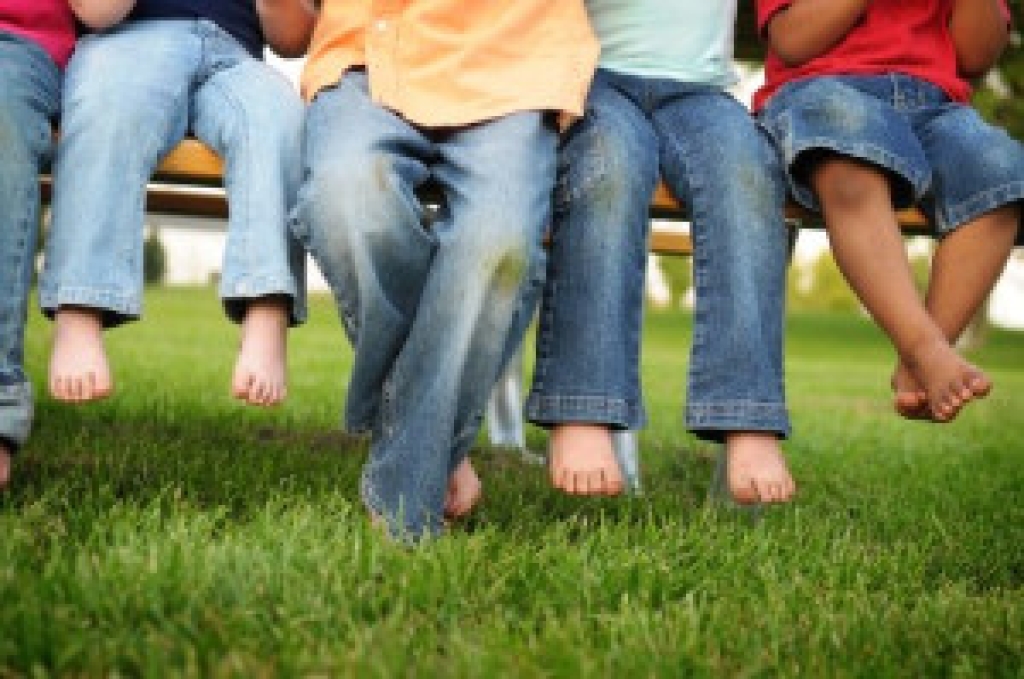
Children’s feet may become stronger when shoes are not worn while indoors. When children are barefoot, they start performing a grasping action with their toes, which can be beneficial in strengthening the entire foot. When walking is done outdoors, it is important to purchase shoes that fit correctly. It is important to measure your child’s feet approximately every three months to avoid purchasing footwear that may constrain their toes. Focusing on buying shoes that are lightweight and made of a breathable material may also be beneficial to the overall health of your child’s feet. Adequate room is necessary in the top of the shoe for the toes to move freely in. Additionally, proper foot care can consist of washing the feet daily, followed by drying them completely between the toes. When the toes are trimmed in a straight line, uncomfortable foot conditions that can include ingrown toenails may be prevented. If you would like additional information about how to care for your child’s feet, please consult with a podiatrist.

Making sure that your children maintain good foot health is very important as they grow. If you have any questions, contact one of our podiatrists of Pennsylvania Foot & Ankle. Our doctors can provide the care you need to keep you pain-free and on your feet.

Keeping Children's Feet Healthy

Having healthy feet during childhood can help prevent medical problems later in life, namely in the back and legs. As children grow, their feet require different types of care. Here are some things to consider...

Although babies do not walk yet, it is still very important to take care of their feet.

Avoid putting tight shoes or socks on his or her feet.

Allow the baby to stretch and kick his or her feet to feel comfortable.

As a toddler, kids are now on the move and begin to develop differently. At this age, toddlers are getting a feel for walking, so don’t be alarmed if your toddler is unsteady or ‘walks funny’. 

As your child gets older, it is important to teach them how to take care of their feet.

Show them proper hygiene to prevent infections such as fungus.

Be watchful for any pain or injury.

Have all injuries checked by a doctor as soon as possible.

Comfortable, protective shoes should always be worn, especially at play.

If you have any questions, please feel free to contact one of our offices located in Bensalem, Philadelphia, Northeast Philadelphia, Yardley, PA, and Hamilton, NJ . We offer the newest diagnostic and treatment technologies for all your foot care needs.

Read more about How to Care for Your Child's Feet

Are Heel Spurs Painful?

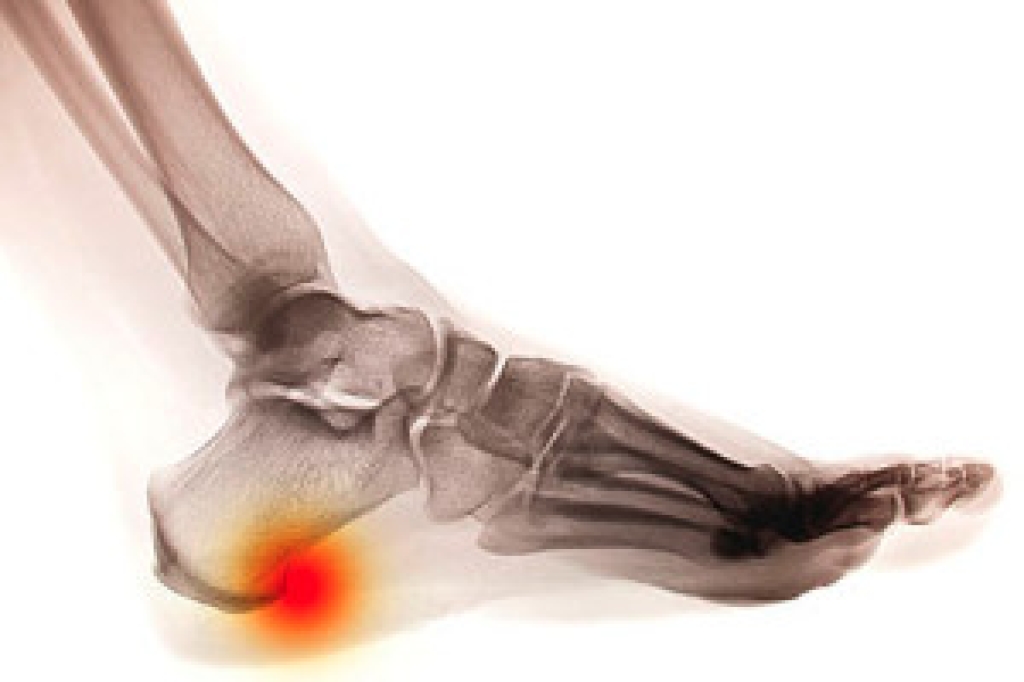
The medical condition that is known as a heel spur can develop from standing on hard surfaces for the majority of the day, or from running and participating in jumping activities. It is defined as a bony growth that forms as a result of heel stress, and develops on the heel bone. Some patients experience severe pain and discomfort from heel spurs. Mild relief may be found when correct treatment is started. This can consist of wearing arch supports, performing specific stretches that can help strengthen the heel, or wearing shoes that have adequate cushioning. If you have developed a heel spur, it is strongly advised that you consult with a podiatrist who can properly treat heel spurs.

Heel spurs can be incredibly painful and sometimes may make you unable to participate in physical activities. To get medical care for your heel spurs, contact one of our podiatrists from Pennsylvania Foot & Ankle. Our doctors will do everything possible to treat your condition.

Heels Spurs

Heel spurs are formed by calcium deposits on the back of the foot where the heel is. This can also be caused by small fragments of bone breaking off one section of the foot, attaching onto the back of the foot. Heel spurs can also be bone growth on the back of the foot and may grow in the direction of the arch of the foot.

Older individuals usually suffer from heel spurs and pain sometimes intensifies with age. One of the main condition's spurs are related to is plantar fasciitis.

Pain

The pain associated with spurs is often because of weight placed on the feet. When someone is walking, their entire weight is concentrated on the feet. Bone spurs then have the tendency to affect other bones and tissues around the foot. As the pain continues, the feet will become tender and sensitive over time.

Treatments

There are many ways to treat heel spurs. If one is suffering from heel spurs in conjunction with pain, there are several methods for healing. Medication, surgery, and herbal care are some options.

If you have any questions, please feel free to contact one of our offices located in Bensalem, Philadelphia, Northeast Philadelphia, Yardley, PA, and Hamilton, NJ . We offer the newest diagnostic and treatment technologies for all your foot care needs.

Read more about How to Treat Heel Spurs

Connect With Us