
Gout is a painful, inflammatory form of arthritis. Those affected will typically feel an intense stiffness in the joints of their feet, particularly in the big toe. Schedule a visit to learn about how gout can be managed and treated.
Gout is a painful, inflammatory form of arthritis. Those affected will typically feel an intense stiffness in the joints of their feet, particularly in the big toe. Schedule a visit to learn about how gout can be managed and treated.
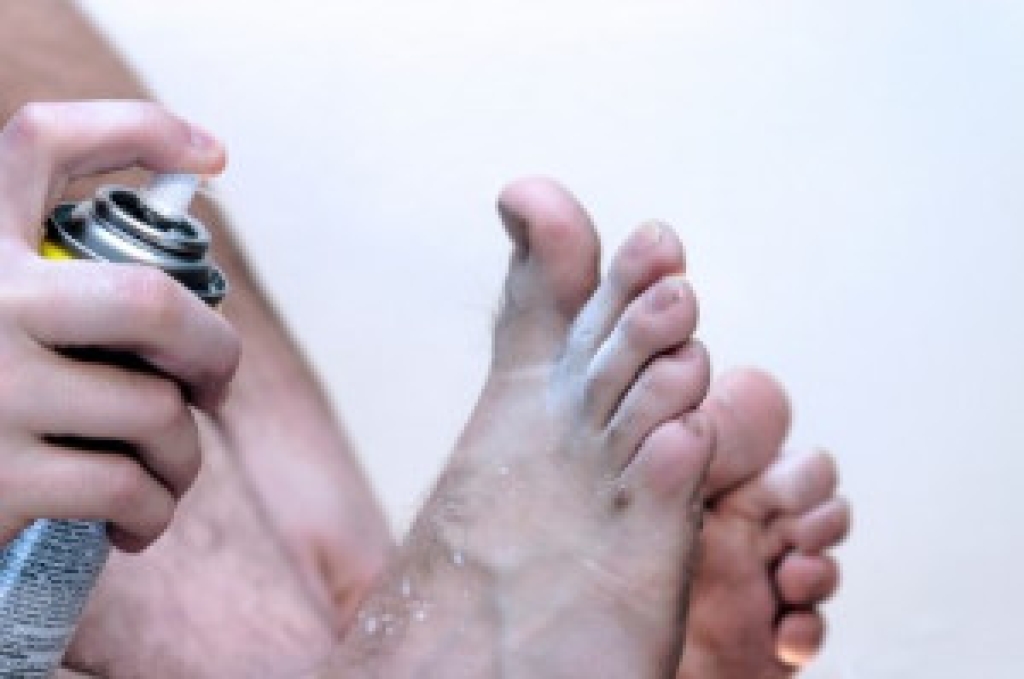 The medical term for athlete’s foot is tinea pedis. It is an infection caused by a fungus that lives and thrives in warm and moist environments. This fungus can enter the body through tiny cracks in the skin of the feet and can cause uncomfortable symptoms. These include itchy skin on the bottom of the feet or between the toes, and the affected area may burn. In severe cases, blisters may develop and ooze, and can often appear unsightly. There are measures that can be implemented that may help to prevent athlete’s foot. These can consist of wearing appropriate shoes while in public pools, showers, and surrounding areas, in addition to refraining from sharing towels, shoes, and socks. If you have symptoms of athlete's foot, it is suggested that you make an appointment with a podiatrist who can offer you treatment options.
Athlete’s foot is an inconvenient condition that can be easily reduced with the proper treatment. If you have any concerns about your feet and ankles, contact one of our podiatrists from Pennsylvania Foot & Ankle. Our doctors will treat your foot and ankle needs.
Athlete’s Foot: The Sole Story
Athlete's foot, also known as tinea pedis, can be an extremely contagious foot infection. It is commonly contracted in public changing areas and bathrooms, dormitory style living quarters, around locker rooms and public swimming pools, or anywhere your feet often come into contact with other people.
Solutions to Combat Athlete’s Foot
Athlete’s foot can cause many irritating symptoms such as dry and flaking skin, itching, and redness. Some more severe symptoms can include bleeding and cracked skin, intense itching and burning, and even pain when walking. In the worst cases, Athlete’s foot can cause blistering as well. Speak to your podiatrist for a better understanding of the different causes of Athlete’s foot, as well as help in determining which treatment options are best for you.
If you have any questions please feel free to contact one of our offices located in Bensalem, Philadelphia, Northeast Philadelphia, Yardley, PA, and Hamilton, NJ . We offer the newest diagnostic and treatment technologies for all your foot and ankle needs.
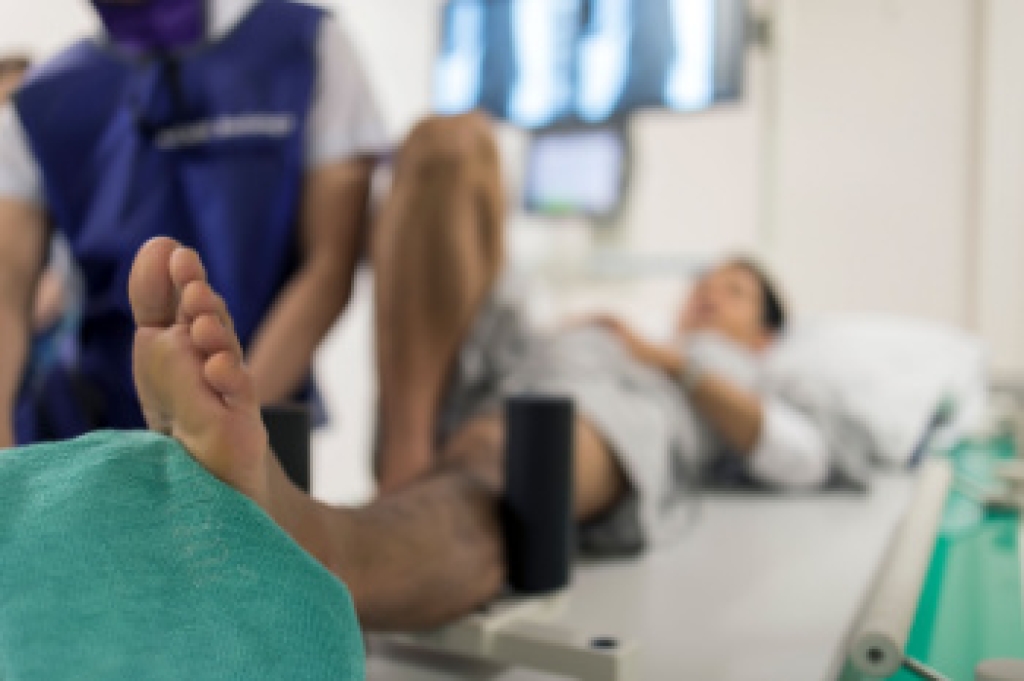
Stress fractures are tiny cracks in the bone that often result from repetitive force rather than a single injury. While athletes and runners frequently experience them, anyone can be at risk. Individual factors, such as low bone density, poor nutrition, or hormonal imbalances, may weaken the skeleton and make it more vulnerable. Foot shape, including flat feet or high arches, can also increase stress on certain bones, raising the chance of a fracture. Training habits play a major role as well. Sudden increases in activity, running on hard surfaces, or wearing unsupportive shoes can overload the bones before they adapt. Insufficient rest between workouts further compounds the problem, leading to breakdown instead of repair. If you suspect a stress fracture, do not push through the pain. It is suggested that you see a podiatrist for an accurate diagnosis, appropriate treatment, and guidance on safer training practices.
Activities where too much pressure is put on the feet can cause stress fractures. To learn more, contact one of our podiatrists from Pennsylvania Foot & Ankle. Our doctors can provide the care you need to keep your pain free and on your feet.
Dealing with Stress Fractures of the Foot and Ankle
Stress fractures occur in the foot and ankle when muscles in these areas weaken from too much or too little use. The feet and ankles then lose support when walking or running from the impact of the ground. Since there is no protection, the bones receive the full impact of each step. Stress on the feet can cause cracks to form in the bones, thus creating stress fractures.
What Are Stress Fractures?
Stress fractures occur frequently in individuals whose daily activities cause great impact on the feet and ankles. Stress factors are most common among:
Symptoms
Pain from the fractures occur in the area of the fractures and can be constant or intermittent. It will often cause sharp or dull pain with swelling and tenderness. Engaging in any kind of activity which involves high impact will aggravate pain.
If you have any questions please contact one of our offices located in Bensalem, Philadelphia, Northeast Philadelphia, Yardley, PA, and Hamilton, NJ . We offer the newest diagnostic and treatment technologies for all your foot and ankle needs.
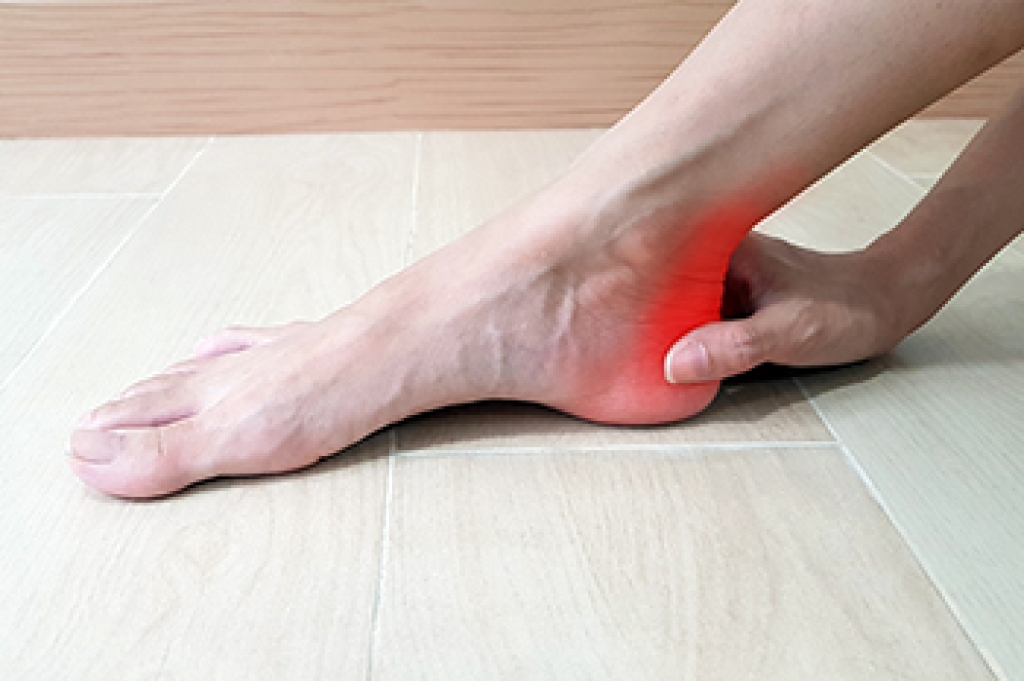
Heel pain is a frequent concern, and one common cause is Achilles tendonitis. This condition is the inflammation of the Achilles tendon, which connects the calf muscles to the heel bone. Causes may include overuse, sudden increases in physical activity, or repetitive strain from sports. Risk factors include tight calf muscles, flat feet, or wearing shoes that lack adequate support. Symptoms often include stiffness, swelling, and pain that worsens with movement. A podiatrist can diagnose the Achilles tendonitis, provide treatment such as targeted stretching exercises or orthotics, and help prevent further injury. If you are struggling with heel pain or suspect you have Achilles tendonitis, it is suggested that you consult a podiatrist who can provide an accurate diagnosis and effective treatment solutions.
Achilles tendon injuries need immediate attention to avoid future complications. If you have any concerns, contact one of our podiatrists of Pennsylvania Foot & Ankle. Our doctors can provide the care you need to keep you pain-free and on your feet.
What Is the Achilles Tendon?
The Achilles tendon is a tendon that connects the lower leg muscles and calf to the heel of the foot. It is the strongest tendon in the human body and is essential for making movement possible. Because this tendon is such an integral part of the body, any injuries to it can create immense difficulties and should immediately be presented to a doctor.
What Are the Symptoms of an Achilles Tendon Injury?
There are various types of injuries that can affect the Achilles tendon. The two most common injuries are Achilles tendinitis and ruptures of the tendon.
Achilles Tendinitis Symptoms
Rupture Symptoms
Treatment and Prevention
Achilles tendon injuries are diagnosed by a thorough physical evaluation, which can include an MRI. Treatment involves rest, physical therapy, and in some cases, surgery. However, various preventative measures can be taken to avoid these injuries, such as:
If you have any questions please feel free to contact one of our offices located in Bensalem, Philadelphia, Northeast Philadelphia, Yardley, PA, and Hamilton, NJ . We offer the newest diagnostic tools and technology to treat your foot and ankle needs.
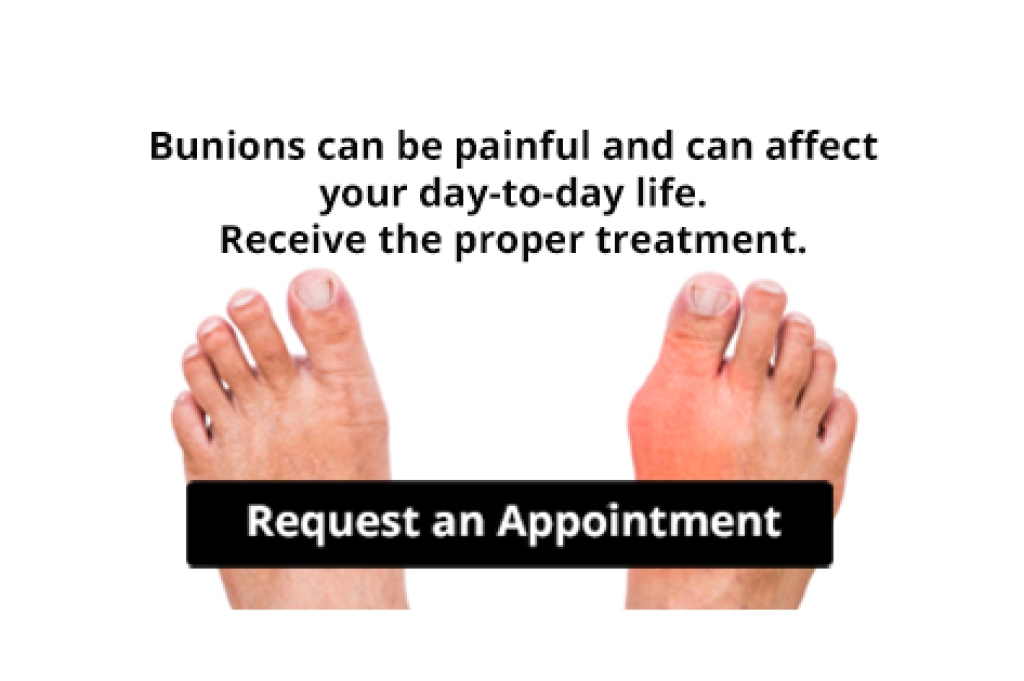
Have you noticed a bony protrusion on the side of your big toe? If so, you may have developed the foot condition known as a bunion. Don't let bunions interfere with your daily activities.
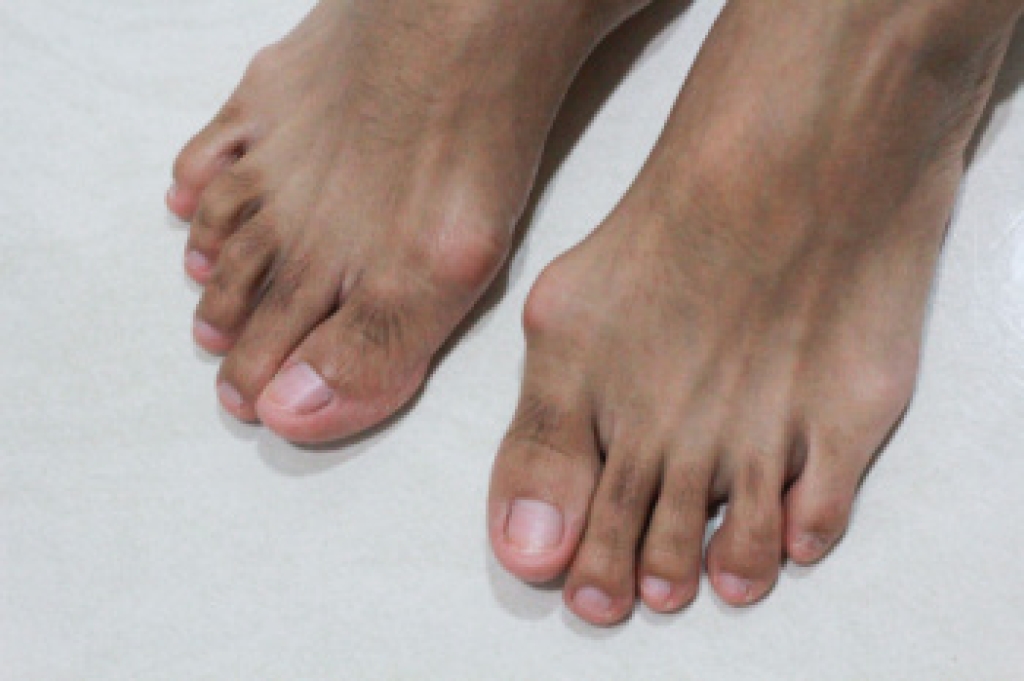
Bunions are bony bumps that form at the base of the big toe when the joint shifts out of alignment. They can be caused by a variety of factors, including genetics, wearing tight or narrow shoes, and arthritis. Other factors are foot injuries or abnormal foot mechanics, such as flat feet or overpronation. Symptoms include a visible bump on the side of the foot, redness, swelling, pain, and difficulty finding in comfortable footwear. The affected area may feel tender or stiff, and walking can become increasingly uncomfortable as the bunion worsens. A podiatrist can diagnose bunions through a physical examination and imaging tests like X-rays to assess the severity of the deformity. Treatment options range from conservative measures, such as padding, orthotics, and shoe modifications, to minimally invasive or traditional surgery, in more severe cases. Early care can help reduce pain and prevent progression. If you have the beginning signs of a bunion, it is suggested that you schedule an appointment with a podiatrist to discuss symptoms and develop an effective treatment plan.
If you are suffering from bunions, contact one of our podiatrists of Pennsylvania Foot & Ankle. Our doctors can provide the care you need to keep you pain-free and on your feet.
What Is a Bunion?
A bunion is formed of swollen tissue or an enlargement of boney growth, usually located at the base joint of the toe that connects to the foot. The swelling occurs due to the bones in the big toe shifting inward, which impacts the other toes of the foot. This causes the area around the base of the big toe to become inflamed and painful.
Why Do Bunions Form?
Genetics – Susceptibility to bunions are often hereditary
Stress on the feet – Poorly fitted and uncomfortable footwear that places stress on feet, such as heels, can worsen existing bunions
How Are Bunions Diagnosed?
Podiatrists often perform two tests – blood tests and x-rays – when trying to diagnose bunions, especially in the early stages of development. Blood tests help determine if the foot pain is being caused by something else, such as arthritis, while x-rays provide a clear picture of your bone structure to your provider.
How Are Bunions Treated?
If you have any questions, please feel free to contact one of our offices located in Bensalem, Philadelphia, Northeast Philadelphia, Yardley, PA, and Hamilton, NJ . We offer the newest diagnostic and treatment technologies for all your foot care needs.
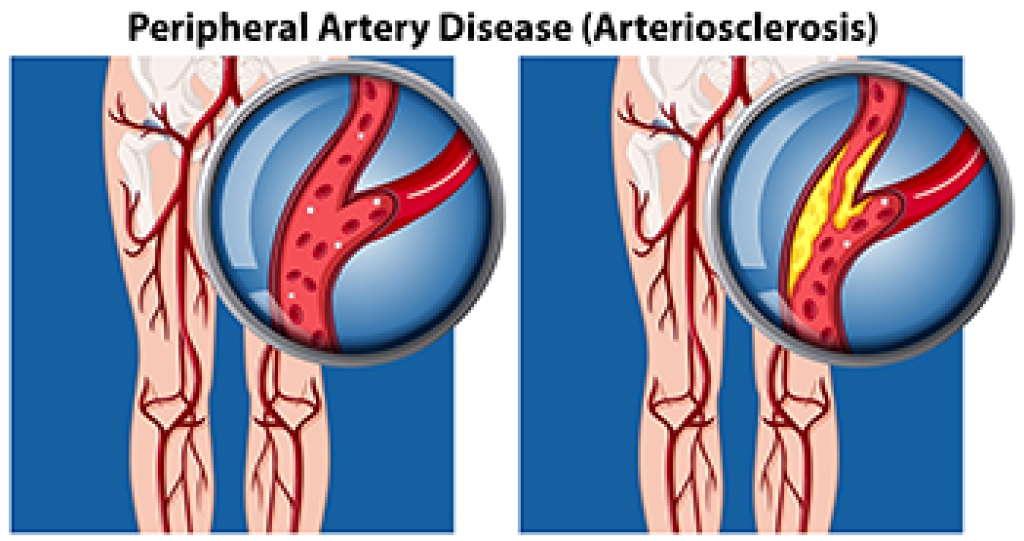
Peripheral arterial disease is a condition where the arteries that carry blood to the legs and feet become narrowed. When circulation is reduced, the feet may feel cold, wounds may heal very slowly, and walking can cause cramping or pain. The skin can sometimes appear pale, shiny, or thin due to the lack of proper blood flow. In more advanced stages, ulcers or sores may develop, which can be difficult to treat without medical attention. Lifestyle factors such as smoking, high cholesterol, and diabetes can increase the risk of this condition. Maintaining healthy habits, staying active, and protecting the feet from injury are all important for prevention. If you notice persistent leg pain, non-healing wounds, or changes in skin color, it is suggested that you seek evaluation from a podiatrist to receive timely and appropriate treatment.
Peripheral artery disease can pose a serious risk to your health. It can increase the risk of stroke and heart attack. If you have symptoms of peripheral artery disease, consult with one of our podiatrists from Pennsylvania Foot & Ankle. Our doctors will assess your condition and provide you with quality foot and ankle treatment.
Peripheral artery disease (PAD) is when arteries are constricted due to plaque (fatty deposits) build-up. This results in less blood flow to the legs and other extremities. The main cause of PAD is atherosclerosis, in which plaque builds up in the arteries.
Symptoms
Symptoms of PAD include:
It is important to note that a majority of individuals never show any symptoms of PAD.
Diagnosis
While PAD occurs in the legs and arteries, Podiatrists can diagnose PAD. Podiatrists utilize a test called an ankle-brachial index (ABI). An ABI test compares blood pressure in your arm to you ankle to see if any abnormality occurs. Ultrasound and imaging devices may also be used.
Treatment
Fortunately, lifestyle changes such as maintaining a healthy diet, exercising, managing cholesterol and blood sugar levels, and quitting smoking, can all treat PAD. Medications that prevent clots from occurring can be prescribed. Finally, in some cases, surgery may be recommended.
If you have any questions, please feel free to contact one of our offices located in Bensalem, Philadelphia, Northeast Philadelphia, Yardley, PA, and Hamilton, NJ . We offer the newest diagnostic and treatment technologies for all your foot care needs.

There are many people that enjoy running as a hobby, stress reliever, or possibly to accomplish a personal goal. Rehabilitation or extensive healing times may be avoided when proper techniques that can prevent running injuries are practiced. These can include developing a focused attitude, and increasing physical strength, which may help to increase stamina. Additionally, many people find it beneficial to follow a professional training program. The legs may feel better when a foam roller is used, which may help to protect the joints. If you would like more information about how running injuries can affect the feet and how to possibly prevent them, it is suggested that you consult with a podiatrist.
All runners should take extra precaution when trying to avoid injury. If you have any concerns about your feet, contact one of our podiatrists of Pennsylvania Foot & Ankle. Our doctors will treat your foot and ankle needs.
How to Prevent Running Injuries
There are a lot of mistakes a runner can make prior to a workout that can induce injury. A lot of athletes tend to overstretch before running, instead of saving those workouts for a post-run routine. Deep lunges and hand-to-toe hamstring pulls should be performed after a workout instead of during a warmup. Another common mistake is jumping into an intense routine before your body is physically prepared for it. You should try to ease your way into long-distance running instead of forcing yourself to rush into it.
More Tips for Preventing Injury
If you have any questions, please feel free to contact one of our offices located in Bensalem, Philadelphia, Northeast Philadelphia, Yardley, PA, and Hamilton, NJ . We offer the newest diagnostic and treatment technologies for all your foot care needs.

If left untreated, an ingrown toenail can lead to more serious concerns, such as an infection. Knowing proper nail care can help in the prevention of an ingrown toenail. Give us a call, and get treated!

A sprained ankle occurs when the ligaments that support the ankle joint are torn, or stretched beyond their limits, and is usually the result of an unexpected twist or roll of the foot. Ankle sprains often happen during sports that involve sudden changes in direction, running on uneven ground, wearing high-heels or flip-flops, or stepping awkwardly off a curb. A previous ankle injury can increase the chance of re-spraining due to reduced stability and balance. Symptoms include pain, swelling, bruising, and tenderness surrounding the ankle, depending on the severity. A mild sprain may still allow walking, while a severe sprain can cause sharp pain, instability, and difficulty bearing weight. Sprains are classified as grade 1 with mild stretching, grade 2 with partial tearing, and grade 3 with complete rupture of the ligament. A podiatrist can diagnose the severity of the sprain and provide appropriate treatment. If you believe you have sprained an ankle, it is suggested that you schedule an appointment with a podiatrist for an evaluation and treatment options.
Although ankle sprains are common, they aren’t always minor injuries. If you need your ankle injury looked at, contact one of our podiatrists from Pennsylvania Foot & Ankle. Our doctors can provide the care you need to keep you pain-free and on your feet.
How Does an Ankle Sprain Occur?
Ankle sprains are the result of a tear in the ligaments within the ankle. These injuries may happen when you make a rapid shifting movement while your foot is planted. A less common way to sprain your ankle is when your ankle rolls inward while your foot turns outward.
What Are the Symptoms?
Preventing a Sprain
Treatment of a Sprain
In many cases, the RICE method (Rest, Ice, Compression, and Elevate) is used to treat ankle sprains. However, you should see a podiatrist to see which treatment option would work best with your injury. In severe cases, surgery may be required.
It is important to ask your doctor about rehab options after you receive treatment for your injury. Stretching, strength training, and balance exercises may help the ankle heal while also preventing further injury.
If you have any questions, please feel free to contact one of our offices located in Bensalem, Philadelphia, Northeast Philadelphia, Yardley, PA, and Hamilton, NJ . We offer the newest diagnostic and treatment technologies for all your foot care needs.
Connect With Us
