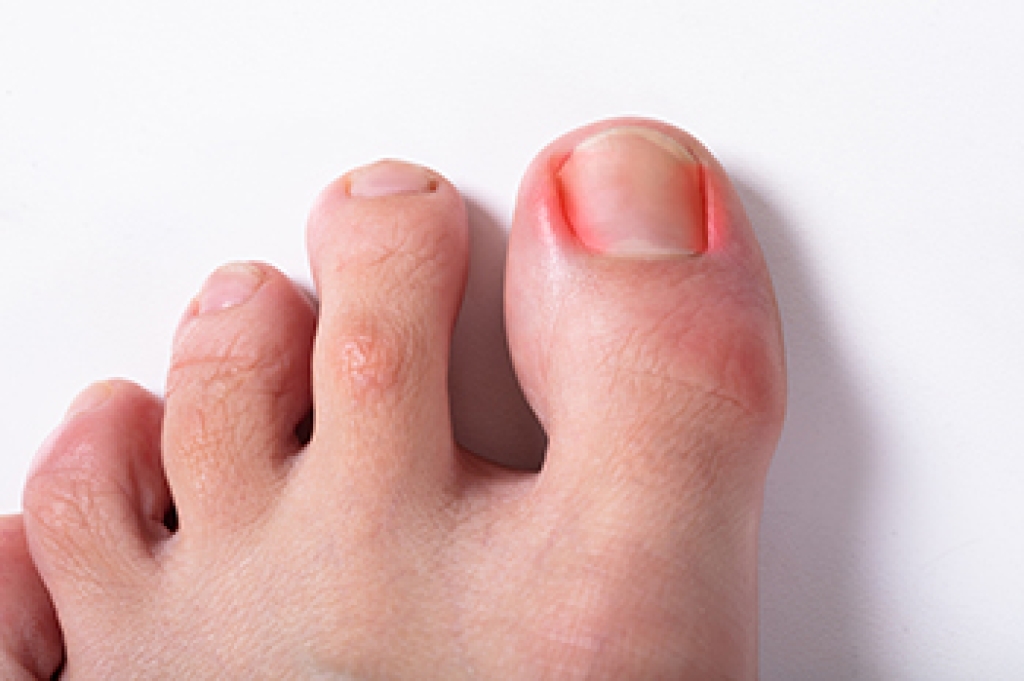
Care for Ingrown Toenails

Ingrown toenails occur when the edge of the toenail grows into the surrounding skin, causing pain, swelling, and sometimes infection. This common condition usually affects the nail on the big toe and can result from improper nail trimming, wearing tight shoes, or injury to the toe. In some cases, a naturally curved nail shape increases the likelihood of developing an ingrown toenail. To prevent or treat ingrown toenails, it is important to trim nails straight across and avoid cutting them too short. Wearing shoes that provide enough room for your toes can also help. If left untreated, ingrown toenails can lead to more serious complications, such as infection, abscess formation, or even the need for surgical removal of part of the nail. If you have an ingrown toenail, it is suggested that you promptly visit a podiatrist who can offer you correct treatment.

Ingrown toenails can become painful if they are not treated properly. For more information about ingrown toenails, contact one of our podiatrists of Pennsylvania Foot & Ankle. Our doctors can provide the care you need to keep you pain-free and on your feet.

Ingrown Toenails

Ingrown toenails occur when a toenail grows sideways into the bed of the nail, causing pain, swelling, and possibly infection.

Causes

  • Bacterial infections
  • Improper nail cutting such as cutting it too short or not straight across
  • Trauma to the toe, such as stubbing, which causes the nail to grow back irregularly
  • Ill-fitting shoes that bunch the toes too close together
  • Genetic predisposition

Prevention

Wearing proper fitting shoes and using proper cutting techniques will also help decrease your risk of developing ingrown toenails.

Treatment

Ingrown toenails are a very treatable foot condition. In minor cases, soaking the affected area in salt or antibacterial soaps will not only help with the ingrown nail itself, but also help prevent any infections from occurring. In more severe cases, surgery is an option. In either case, speaking to your podiatrist about this condition will help you get a better understanding of specific treatment options that are right for you.

If you have any questions, please feel free to contact one of our offices located in Bensalem, Philadelphia, Northeast Philadelphia, Yardley, PA, and Hamilton, NJ . We offer the newest diagnostic and treatment technologies for all your foot care needs.
Read more about Ingrown Toenail Care

Avoiding Foot Pain

Foot pain can present as aching, sharp, or burning sensations in the heel, arch, toes, or ball of the foot. It can be caused by various factors, including wearing poor footwear, overuse, flat feet, high arches, or conditions like plantar fasciitis, bunions, and arthritis. Injuries like sprains or fractures also contribute to foot pain. Foot pain can impact other parts of the body by altering gait and posture, leading to knee, hip, or lower back discomfort. This occurs when the body compensates for pain by shifting weight improperly. To avoid foot pain, the first step is wearing well-fitted, supportive shoes. If your foot pain persists, worsens, or affects your mobility, it is suggested that you schedule an appointment with a podiatrist as early intervention can prevent complications and improve overall foot health.

Foot Pain

Foot pain can be extremely painful and debilitating. If you have a foot pain, consult with one of our podiatrists from Pennsylvania Foot & Ankle. Our doctors will assess your condition and provide you with quality foot and ankle treatment.

Causes

Foot pain is a very broad condition that could be caused by one or more ailments. The most common include:

  • Bunions
  • Hammertoes
  • Plantar Fasciitis
  • Bone Spurs
  • Corns
  • Tarsal Tunnel Syndrome
  • Ingrown Toenails
  • Arthritis (such as Gout, Rheumatoid, and Osteoarthritis)
  • Flat Feet
  • Injury (from stress fractures, broken toe, foot, ankle, Achilles tendon ruptures, and sprains)
  • And more

Diagnosis

To figure out the cause of foot pain, podiatrists utilize several different methods. This can range from simple visual inspections and sensation tests to X-rays and MRI scans. Prior medical history, family medical history, and any recent physical traumatic events will all be taken into consideration for a proper diagnosis.

Treatment

Treatment depends upon the cause of the foot pain. Whether it is resting, staying off the foot, or having surgery; podiatrists have a number of treatment options available for foot pain.

If you have any questions, please feel free to contact one of our offices located in Bensalem, Philadelphia, Northeast Philadelphia, Yardley, PA, and Hamilton, NJ . We offer the newest diagnostic and treatment technologies for all your foot care needs.
Read more about Foot Pain

When Is Surgery Needed for Gout?

Gout is a form of arthritis that commonly affects the feet, particularly the big toe, and can often be controlled with medications and lifestyle changes. However, when gout progresses and causes significant joint damage or chronic pain, surgery may be necessary. Surgery for gout is typically considered when uric acid deposits, called tophi, form around the joints and lead to severe pain, deformities, or infections. The three main types of surgery are tophi removal, joint fusion, and joint replacement. Tophi removal involves cutting out the painful deposits while preserving healthy tissue. Joint fusion stabilizes the bones to relieve pain but may reduce mobility. Joint replacement, used in more advanced cases, involves putting in an artificial joint to improve function and reduce discomfort. A podiatrist can help determine the most appropriate gout treatment based on the severity of the condition. If you have chronic pain from gout, it is suggested that you schedule an appointment with a podiatrist wh can determine if surgery is needed.

Gout is a foot condition that requires certain treatment and care. If you are seeking treatment, contact one of our podiatrists from Pennsylvania Foot & Ankle. Our doctors will treat your foot and ankle needs.

What Is Gout?

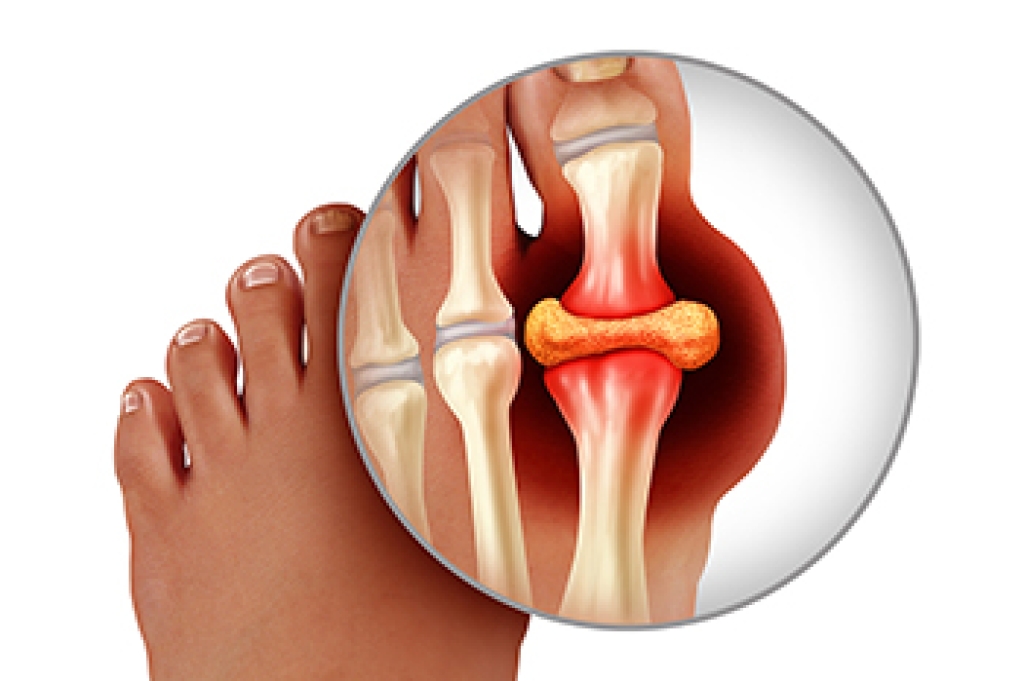
Gout is a type of arthritis caused by a buildup of uric acid in the bloodstream. It often develops in the foot, especially the big toe area, although it can manifest in other parts of the body as well. Gout can make walking and standing very painful and is especially common in diabetics and the obese.

People typically get gout because of a poor diet. Genetic predisposition is also a factor. The children of parents who have had gout frequently have a chance of developing it themselves.

Gout can easily be identified by redness and inflammation of the big toe and the surrounding areas of the foot. Other symptoms include extreme fatigue, joint pain, and running high fevers. Sometimes corticosteroid drugs can be prescribed to treat gout, but the best way to combat this disease is to get more exercise and eat a better diet.

If you have any questions, please feel free to contact one of our offices located in Bensalem, Philadelphia, Northeast Philadelphia, Yardley, PA, and Hamilton, NJ . We offer the newest diagnostic and treatment technologies for all your foot care needs.

Read more about Gout

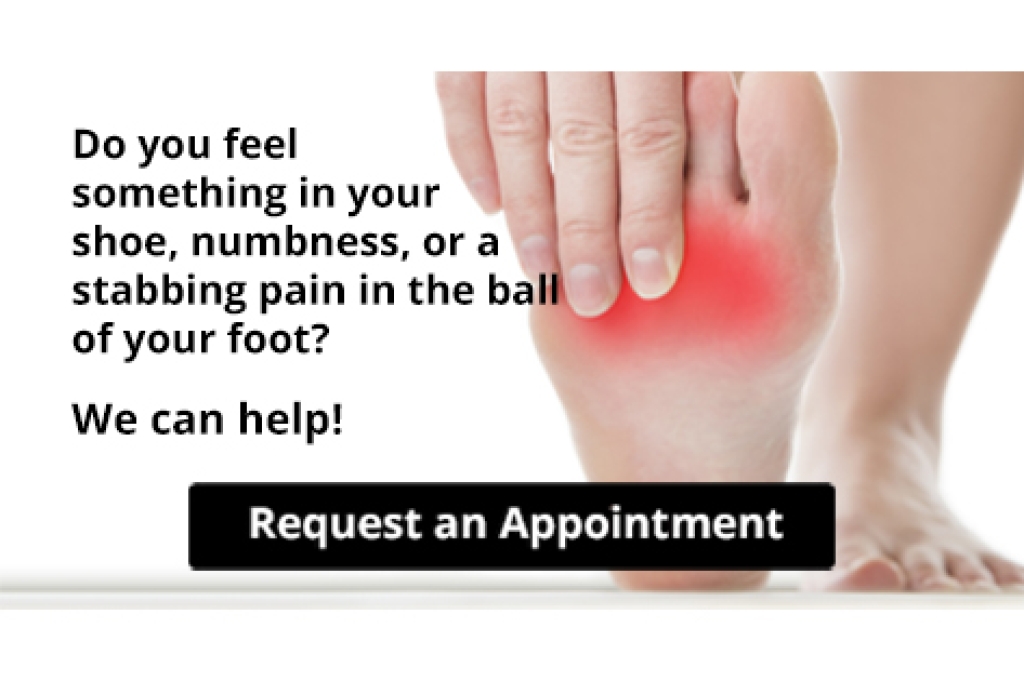
Why Live with Pain and Numbness in Your Feet?

Suffering from this type of pain? You may have the foot condition known as Morton's neuroma. Morton's neuroma may develop as a result of ill-fitting footwear and existing foot deformities. We can help.

Important Foot Care for Your Child

Caring for your child’s feet is essential to supporting their overall development, especially as their feet grow rapidly during the early years. Foot bones begin to develop in infancy and continue forming into early childhood, which is why proper care and attention to their feet are so important. Allowing your child to move freely, whether by wiggling their toes or walking barefoot indoors, helps strengthen their muscles and promotes healthy foot development. It is important to regularly check your child’s feet for any signs of swelling, sores, or ingrown toenails, and ensure that their shoes fit properly to prevent discomfort or deformities. If your child complains of foot pain, limps, or shows any signs of uneven or unusual gait, it may indicate an underlying issue that needs attention. A podiatrist can provide expert guidance, examine your child’s feet, and recommend appropriate treatment. If your child is exhibiting foot problems, it is suggested that you make an appointment with a podiatrist.

Making sure that your children maintain good foot health is very important as they grow. If you have any questions, contact one of our podiatrists of Pennsylvania Foot & Ankle. Our doctors can provide the care you need to keep you pain-free and on your feet.

Keeping Children's Feet Healthy

Having healthy feet during childhood can help prevent medical problems later in life, namely in the back and legs. As children grow, their feet require different types of care. Here are some things to consider...

Although babies do not walk yet, it is still very important to take care of their feet.

Avoid putting tight shoes or socks on his or her feet.

Allow the baby to stretch and kick his or her feet to feel comfortable.

As a toddler, kids are now on the move and begin to develop differently. At this age, toddlers are getting a feel for walking, so don’t be alarmed if your toddler is unsteady or ‘walks funny’. 

As your child gets older, it is important to teach them how to take care of their feet.

Show them proper hygiene to prevent infections such as fungus.

Be watchful for any pain or injury.

Have all injuries checked by a doctor as soon as possible.

Comfortable, protective shoes should always be worn, especially at play.

If you have any questions, please feel free to contact one of our offices located in Bensalem, Philadelphia, Northeast Philadelphia, Yardley, PA, and Hamilton, NJ . We offer the newest diagnostic and treatment technologies for all your foot care needs.

Read more about What to Do to Keep Your Child’s Feet Healthy

Connect With Us