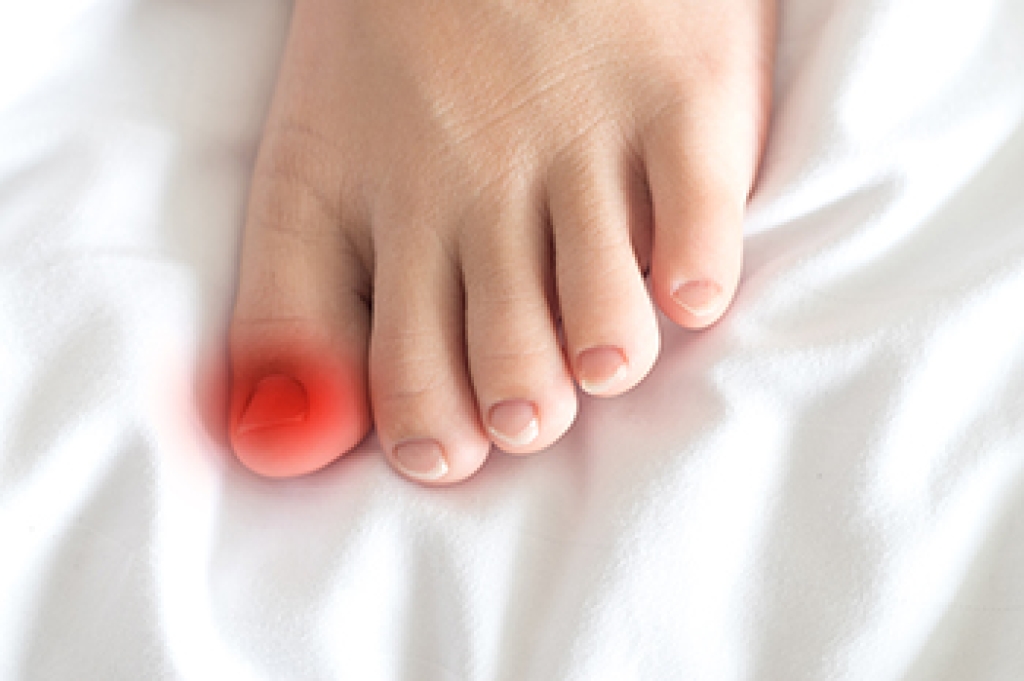
Symptoms of an Ingrown Toenail

The pain that comes from having an ingrown toenail cannot be ignored. The medical term for this condition is referred to as onychocryptosis, and it generally affects the big toe. It happens when the nail grows into the skin instead of over it, and noticeable symptoms may be redness, soreness, and swelling. Effective prevention methods for an ingrown toenail can consist of wearing shoes that fit properly and trimming the toenails straight across instead of in a curved direction. An ingrown toenail also can happen if a toe injury has occurred, or if the shoes and socks that are worn are too tight. Patients may find temporary relief when the foot is soaked in warm water, and the nail is gently pulled away from the skin by using a small piece of cotton. Permanent relief can be found when a podiatrist is contacted, who can perform minor surgery, if necessary for removal of the nail. If you have developed an ingrown toenail, it is suggested that you contact this type of doctor who can determine what the best course of treatment is for you.

Ingrown toenails may initially present themselves as a minor discomfort, but they may progress into an infection in the skin without proper treatment. For more information about ingrown toenails, contact one of our podiatrists of Pennsylvania Foot & Ankle. Our doctors can provide the care you need to keep you pain-free and on your feet.

Ingrown Toenails

Ingrown toenails are caused when the corner or side of a toenail grows into the soft flesh surrounding it. They often result in redness, swelling, pain, and in some cases, infection. This condition typically affects the big toe and may recur if it is not treated properly.

Causes

  • Improper toenail trimming
  • Genetics
  • Improper shoe fitting
  • Injury from pedicures or nail picking
  • Abnormal gait
  • Poor hygiene

You are more likely to develop an ingrown toenail if you are obese, have diabetes, arthritis, or have any fungal infection in your nails. Additionally, people who have foot or toe deformities are at a higher risk of developing an ingrown toenail.

Symptoms

Some symptoms of ingrown toenails are redness, swelling, and pain. In rare cases, there may be a yellowish drainage coming from the nail.

Treatment

Ignoring an ingrown toenail can have serious complications. Infections of the nail border can progress to a deeper soft-tissue infection, which can then turn into a bone infection. You should always speak with your podiatrist if you suspect you have an ingrown toenail, especially if you have diabetes or poor circulation.

If you have any questions, please feel free to contact one of our offices located in Bensalem, Philadelphia, Northeast Philadelphia, Yardley, PA, and Hamilton, NJ . We offer the newest diagnostic and treatment technologies for all your foot care needs.
Read more about Ingrown Toenails

Foot Pain and Shoe Types

It is important to note that foot pain is nothing to take lightly. Since humans use their feet every day for a wide range of activities, maintaining proper foot health and addressing any potential foot pain is critical. Occasionally, foot pain may result from wearing the wrong type of shoe for the specific activity that is being pursued. For example, many individuals who spend a lot of time walking are not wearing shoes that are well suited for this. When an individual engages in walking, it is beneficial the shoes have a significant amount of arch support. This means shoes such as flip flops or flats generally are not well suited to this activity. High heels also are ill-fitted to the activity of walking because this kind of shoe forces the weight of the body to the balls of the feet. Therefore, a patient can try to remember to choose shoes that match the activity they are engaging in. If you are someone struggling with foot pain, it is strongly suggested that you contact a podiatrist today for treatment and advice. 

Foot Pain

Foot pain can be extremely painful and debilitating. If you have a foot pain, consult with one of our podiatrists from Pennsylvania Foot & Ankle. Our doctors will assess your condition and provide you with quality foot and ankle treatment.

Causes

Foot pain is a very broad condition that could be caused by one or more ailments. The most common include:

  • Bunions
  • Hammertoes
  • Plantar Fasciitis
  • Bone Spurs
  • Corns
  • Tarsal Tunnel Syndrome
  • Ingrown Toenails
  • Arthritis (such as Gout, Rheumatoid, and Osteoarthritis)
  • Flat Feet
  • Injury (from stress fractures, broken toe, foot, ankle, Achilles tendon ruptures, and sprains)
  • And more

Diagnosis

To figure out the cause of foot pain, podiatrists utilize several different methods. This can range from simple visual inspections and sensation tests to X-rays and MRI scans. Prior medical history, family medical history, and any recent physical traumatic events will all be taken into consideration for a proper diagnosis.

Treatment

Treatment depends upon the cause of the foot pain. Whether it is resting, staying off the foot, or having surgery; podiatrists have a number of treatment options available for foot pain.

If you have any questions, please feel free to contact one of our offices located in Bensalem, Philadelphia, Northeast Philadelphia, Yardley, PA, and Hamilton, NJ . We offer the newest diagnostic and treatment technologies for all your foot care needs.
Read more about Foot Pain

Dealing With Claw Toe

Most people are familiar with bunions, but another toe deformity that can become uncomfortable, or even painful, is claw toe. The tip of the toe curls underneath the foot, while the base of the toe rises up. This usually occurs in one or more of the smaller toes. Although claw toe can be a sign of diabetes, it may also be the result of shoe type, foot structure, or some type of trauma. Besides improperly fitting shoes or other footwear, the causes of claw toe may include ankle injuries, inflammation, or swelling of the feet. In addition, nerve damage that weakens the muscles in the feet may be a factor. Certain underlying medical conditions, including rheumatoid arthritis, cerebral palsy, and diabetes have been identified as possible factors in the development of claw toe. The risk of claw toe increases with age. If you have noticed a change in the structure of your toes or are experiencing unusual pain in the toes, it is suggested that you consult with a podiatrist who can conduct an examination, offer a diagnosis, and suggest a possible treatment plan.  

Toe pain can disrupt your daily activities. If you have any concerns, contact one of our podiatrists of Pennsylvania Foot & Ankle. Our doctors can provide the care you need to keep you pain-free and on your feet.

What Causes Toe Pain?

Most severe toe pain is caused due to a sports injury, trauma from dropping something heavy on the toe, or bumping into something rigid. Other problems can develop over time for various reasons.

Toe pain can be caused by one or more ailments. The most common include:

  • Trauma
  • Sports injury
  • Wearing shoes that are too tight
  • Arthritis
  • Gout
  • Corns and calluses
  • Hammertoe
  • Bunions
  • Blisters
  • Ingrown toenails
  • Sprains
  • Fractures (broken bones)
  • Dislocations

When to See a Podiatrist

  • Severe pain
  • Persistent pain that lasts more than a week
  • Signs of infection
  • Continued swelling
  • Pain that prevents walking

Diagnosis

In many cases the cause of toe pain is obvious, but in others, a podiatrist may want to use more advanced methods to determine the problem. These can range from simple visual inspections and sensation tests to X-rays and MRI scans. Prior medical history, family medical history, and any recent physical traumatic events will all be taken into consideration for a proper diagnosis.

Treatment

Treatments for toe pain and injuries vary and may include shoe inserts, padding, taping, medicines, injections, and in some cases, surgery. If you believe that you have broken a toe, please see a podiatrist as soon as possible.

If you have any questions please contact one of our offices located in Bensalem, Philadelphia, Northeast Philadelphia, Yardley, PA, and Hamilton, NJ . We offer the newest diagnostic and treatment technologies for all your foot and ankle needs.

Read more about Toe Pain

Gout Pain Can Be Managed

Gout is a painful, inflammatory form of arthritis. Those affected will typically feel an intense stiffness in the joints of their feet, particularly in the big toe. Schedule a visit to learn about how gout can be managed and treated.

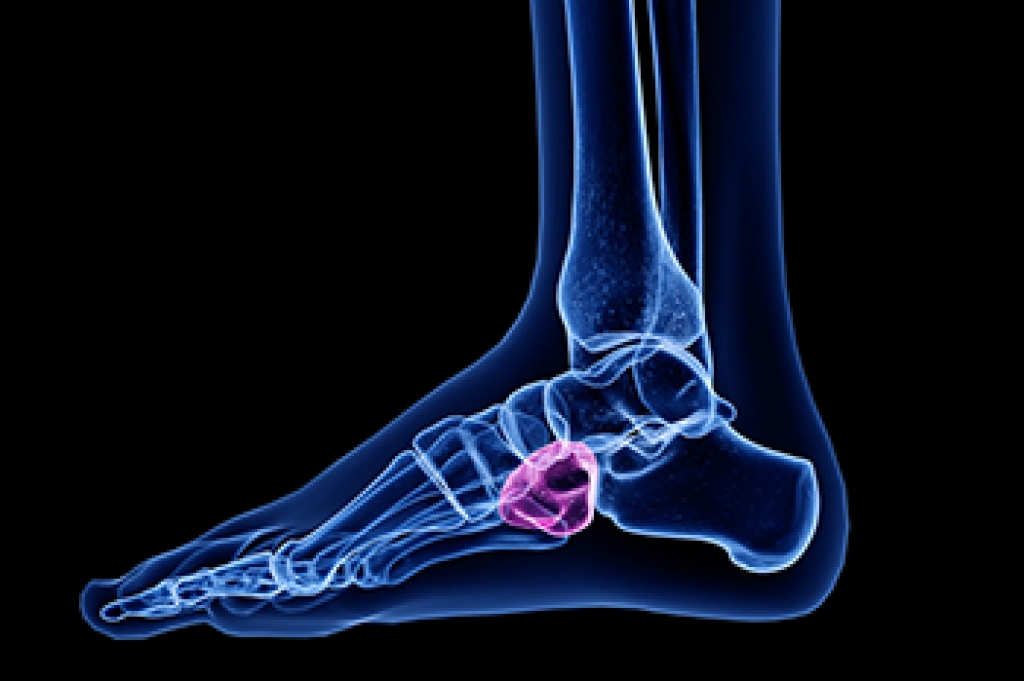
Taping and Cuboid Syndrome

Some conditions of the foot can occur when certain bones in the feet become misaligned. Cuboid syndrome is one such foot condition. It occurs when the cuboid bone, located on the outside of the foot, moves out of alignment. To address this foot affliction, a patient may take several steps. Commonly, an individual might utilize taping to treat their cuboid syndrome. A medical professional can use taping on a patient by wrapping medical tape around the foot. This is done to ultimately stabilize the foot and its bones, ensuring that the affected cuboid bone stays in proper alignment. If taping is effective, it will help the affected area of the foot heal and return to normal. If you have cuboid syndrome, it is highly suggested that you schedule an appointment with a podiatrist today for treatment.  

Cuboid syndrome, also known as cuboid subluxation, occurs when the joints and ligaments near the cuboid bone in the foot become torn. If you have cuboid syndrome, consult with one of our podiatrists from Pennsylvania Foot & Ankle. Our doctors will assess your condition and provide you with quality foot and ankle treatment.

Cuboid syndrome is a common cause of lateral foot pain, which is pain on the outside of the foot. The condition may happen suddenly due to an ankle sprain, or it may develop slowly overtime from repetitive tension through the bone and surrounding structures.

Causes

The most common causes of cuboid syndrome include:

  • Injury – The most common cause of this ailment is an ankle sprain.
  • Repetitive Strain – Tension placed through the peroneus longus muscle from repetitive activities such as jumping and running may cause excessive traction on the bone causing it to sublux.
  • Altered Foot Biomechanics – Most people suffering from cuboid subluxation have flat feet.

Symptoms

A common symptom of cuboid syndrome is pain along the outside of the foot which can be felt in the ankle and toes. This pain may create walking difficulties and may cause those with the condition to walk with a limp.

Diagnosis

Diagnosis of cuboid syndrome is often difficult, and it is often misdiagnosed. X-rays, MRIs and CT scans often fail to properly show the cuboid subluxation. Although there isn’t a specific test used to diagnose cuboid syndrome, your podiatrist will usually check if pain is felt while pressing firmly on the cuboid bone of your foot.

Treatment

Just as the range of causes varies widely, so do treatments. Some more common treatments are ice therapy, rest, exercise, taping, and orthotics.

If you have any questions, please feel free to contact one of our offices located in Bensalem, Philadelphia, Northeast Philadelphia, Yardley, PA, and Hamilton, NJ . We offer the newest diagnostic and treatment technologies for all your foot care needs.
Read more about All About Cuboid Syndrome

Connect With Us