Causes of Hammertoe

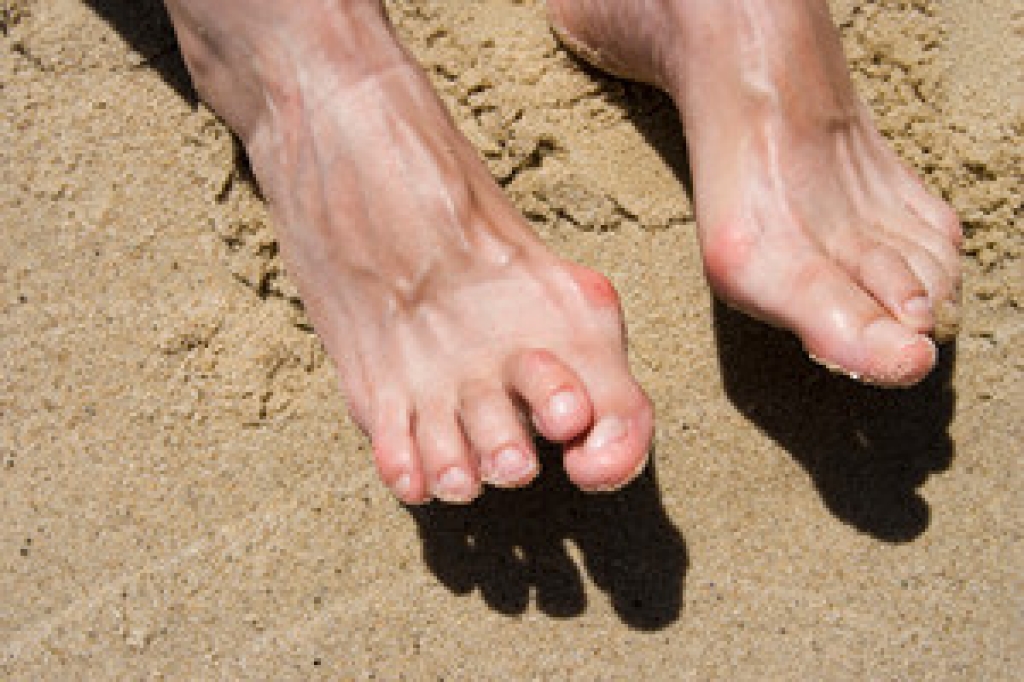
Hammertoe is a foot condition which affects the toes, causing the joints to become deformed. Choosing to wear shoes that fit tightly is often the cause of this condition, resulting in the toes bending into a forced, abnormal position. The shoes will rub on the toe which causes friction, and corns and calluses will most likely develop. Additionally, medical conditions that presently exist, such as diabetes and arthritis, may contribute to the development of hammertoes. There are treatment options available, including splints to realign the toe and orthotics specifically designed to accommodate the affected toe. A consultation with a podiatrist is advised to learn about choosing proper footwear and advice on how to treat hammertoe.

Hammertoe

Hammertoes can be a painful condition to live with. For more information, contact one of our podiatrists from Pennsylvania Foot & Ankle. Our doctors will answer any of your foot- and ankle-related questions.

Hammertoe is a foot deformity that affects the joints of the second, third, fourth, or fifth toes of your feet. It is a painful foot condition in which these toes curl and arch up, which can often lead to pain when wearing footwear.

Symptoms

  • Pain in the affected toes
  • Development of corns or calluses due to friction
  • Inflammation
  • Redness
  • Contracture of the toes

Causes

Genetics – People who are genetically predisposed to hammertoe are often more susceptible

Arthritis – Because arthritis affects the joints in your toes, further deformities stemming from arthritis can occur

Trauma – Direct trauma to the toes could potentially lead to hammertoe

Ill-fitting shoes – Undue pressure on the front of the toes from ill-fitting shoes can potentially lead to the development of hammertoe

Treatment

Orthotics – Custom made inserts can be used to help relieve pressure placed on the toes and therefore relieve some of the pain associated with it

Medications – Oral medications such as anti-inflammatories or NSAIDs could be used to treat the pain and inflammation hammertoes causes. Injections of corticosteroids are also sometimes used

Surgery – In more severe cases where the hammertoes have become more rigid, foot surgery is a potential option

If you have any questions, please feel free to contact one of our offices located in Bensalem, Philadelphia, Northeast Philadelphia, Yardley, PA, and Hamilton, NJ . We offer the newest diagnostic and treatment technologies for all your foot care needs.
Read more about What Are Hammertoes?

It's Time for Beautiful Feet

You don't need an excuse to have beautiful nails. Step outside without worrying about the appearance of your feet.

Causes and Treatment of Cracked Heels

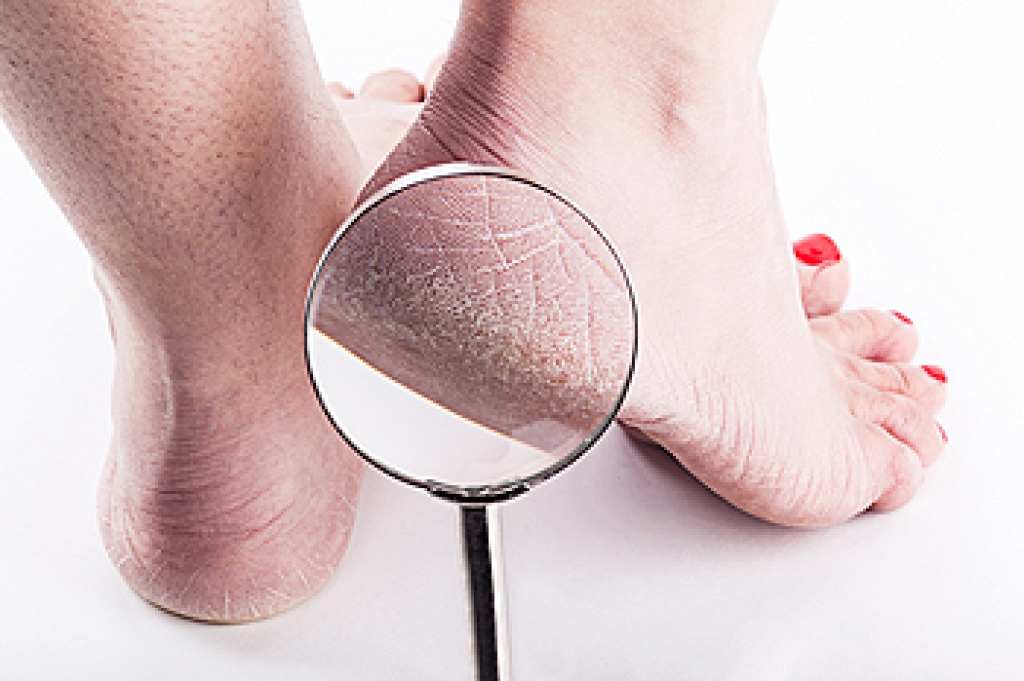
If severe dryness is experienced on the heels of the foot, it may lead to a condition referred to as cracked heels. Calluses will form to protect the skin, and may often split open, possibly leading to a painful infection. Poorly fitting shoes, shoes with exposed backs, obesity, and eczema are among the many reasons for cracked heels to develop. If daily activities include standing for long periods of time, further damage may occur because of the constant pressure the heels must endure. Applying a moisturizer daily will not only feel good, but will help to eliminate the dryness associated with cracked heels. A consultation with a podiatrist is advised to discuss the removal of calluses from severely cracked heels.

Cracked heels are unsightly and can cause further damage to your shoes and feet. If you have any concerns, contact one of our podiatrists from Pennsylvania Foot & Ankle. Our doctors can provide the care you need to keep you pain-free and on your feet.

Cracked Heels

Cracked heels appear unappealing and can make it harder for you walk around in sandals. Aside from looking unpleasant, cracked heels can also tear stockings, socks, and wear out your shoes. There are several methods to help restore a cracked heel and prevent further damage.

How Do You Get Them?

Dry skin is the number one culprit in creating cracked heels. Many athletes, walkers, joggers, and even swimmers suffer from cracked heels. Age and skin oil production play a role to getting cracked heels as well.

Promote Healing

Over the counter medicines can help, especially for those that need instant relief or who suffer from chronic dry feet.

Wear Socks – Wearing socks with medicated creams helps lock in moisture.

Moisturizers – Applying both day and night will help alleviate dryness which causes cracking.

Pumice Stones – These exfoliate and remove dead skin, which allows for smoother moisturizer application and better absorption into the skin. 

Change in Diet

Eating healthy with a well-balanced diet will give the skin a fresh and radiant look. Your body responds to the kinds of food you ingest. Omega-3 fatty acids and zinc supplements can also revitalize skin tissue.

Most importantly, seek professional help if unsure how to proceed in treating cracked heels. A podiatrist will help you with any questions or information needed. 

If you have any questions, please feel free to contact one of our offices located in Bensalem, Philadelphia, Northeast Philadelphia, Yardley, PA, and Hamilton, NJ . We offer the newest diagnostic and treatment technologies for all your foot care needs.

Read more about Solutions for Cracked Heels

Walking or Running Shoes: How to Choose

Many people are unaware of the differences between walking and running shoes. Both types of shoes have different features that are meant to support the foot. Walking shoes tend to be firmer, and they may not be as flexible as shoes that are made for running. This enables the walker to have additional stability that’s needed for proper posture. The walker benefits from shoes that are lighter because the feet are properly supported. Recent research has suggested that adequate cushioning is necessary for comfort and support, however an excess of this may make the shoe too heavy for walking. When choosing shoes that are made for running, it’s important to take the running technique into account. If the impact is felt on the balls of the feet, a slightly higher heel will be beneficial for proper support. For runners whose midfoot meets with the ground, lower heels will be more favorable for achieving maximum comfort and stability.

For more information about walking shoes versus running shoes, consult with one of our podiatrists from Pennsylvania Foot & Ankle. Our doctors can measure your feet to determine what your needs are and help you find an appropriate pair of footwear.

Foot Health: The Differences between Walking & Running Shoes

There are great ways to stay in shape: running and walking are two great exercises to a healthy lifestyle. It is important to know that running shoes and walking shoes are not interchangeable. There is a key difference on how the feet hit the ground when someone is running or walking. This is why one should be aware that a shoe is designed differently for each activity.

You may be asking yourself what the real differences are between walking and running shoes and the answers may shock you.

Differences

Walking doesn’t involve as much stress or impact on the feet as running does. However, this doesn’t mean that you should be any less prepared. When you’re walking, you land on your heels and have your foot roll forward. This rolling motion requires additional support to the feet.

Flexibility – Walking shoes are designed to have soft, flexible soles. This allows the walker to push off easily with each step.

If you have any questions, please feel free to contact one of our offices located in Bensalem, Philadelphia, Northeast Philadelphia, Yardley, PA, and Hamilton, NJ . We offer the newest diagnostic and treatment technologies for all your foot care needs.
Read more about Differences between Walking and Running Shoes

How to Prevent Blisters From Developing

A common condition that many runners endure are blisters on the feet. Blisters often cause discomfort and may force the ceasing of the activity that caused them to develop. If you choose to wear cotton socks while running, they will most likely absorb the sweat the feet produce, and friction will occur to develop a blister. Wearing socks that are synthetic may eliminate the sweat and may be a better option to choose, helping to stop blisters from developing.

Blisters are prone to making everyday activities extremely uncomfortable. If your feet are hurting, contact one of our podiatrists of Pennsylvania Foot & Ankle. Our doctors can provide the care you need to keep you pain-free and on your feet.

Foot Blisters

Foot blisters develop as a result of constantly wearing tight or ill-fitting footwear. This happens due to the constant rubbing from the shoe, which can often lead to pain.

What Are Foot Blisters?

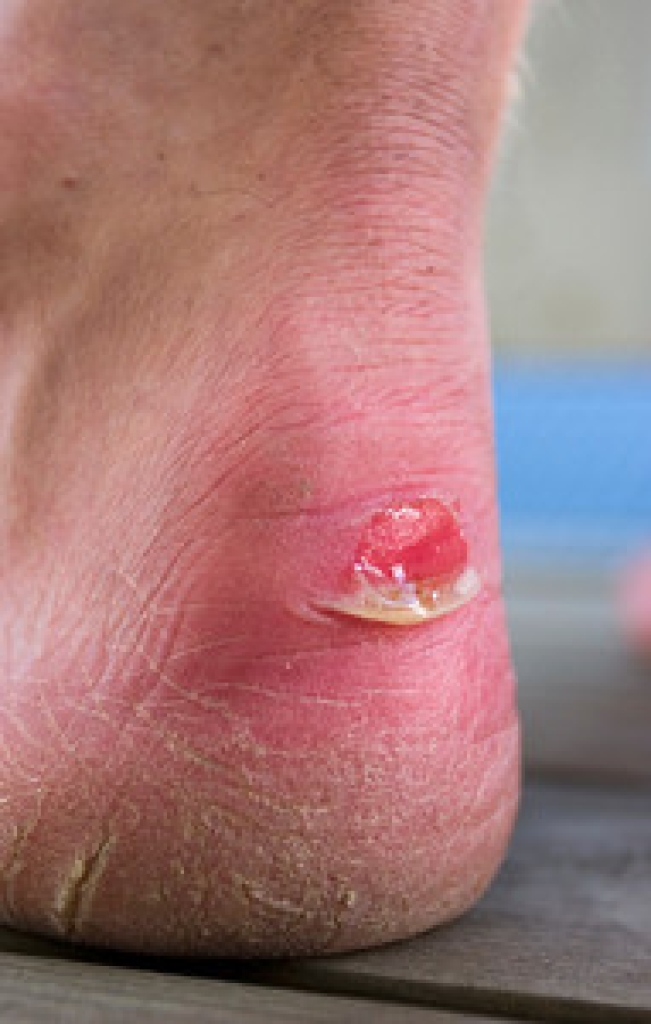
A foot blister is a small fluid-filled pocket that forms on the upper-most layer of the skin. Blisters are filled with clear fluid and can lead to blood drainage or pus if the area becomes infected.

How Do Blisters Form?

Blisters on the feet are often the result of constant friction of skin and material, usually by shoe rubbing. Walking in sandals, boots, or shoes that don’t fit properly for long periods of time can result in a blister. Having consistent foot moisture and humidity can easily lead to blister formation.

Prevention & Treatment

It is important to properly care for the affected area in order to prevent infection and ease the pain. Do not lance the blister and use a Band-Aid to provide pain relief. Also, be sure to keep your feet dry and wear proper fitting shoes. If you see blood or pus in a blister, seek assistance from a podiatrist.

If you have any questions, please feel free to contact one of our offices located in Bensalem, Philadelphia, Northeast Philadelphia, Yardley, PA, and Hamilton, NJ . We offer the newest diagnostic and treatment technologies for all your foot care needs.
Read more about Blisters on the Feet

Heel Pain Can Be Treated!

Do you suffer from heel pain when you get up in the morning? If so, you should seek professional help and have a proper diagnosis performed. Heel pain can be caused by several different foot-related conditions.

To Wear or Not To Wear High Heels

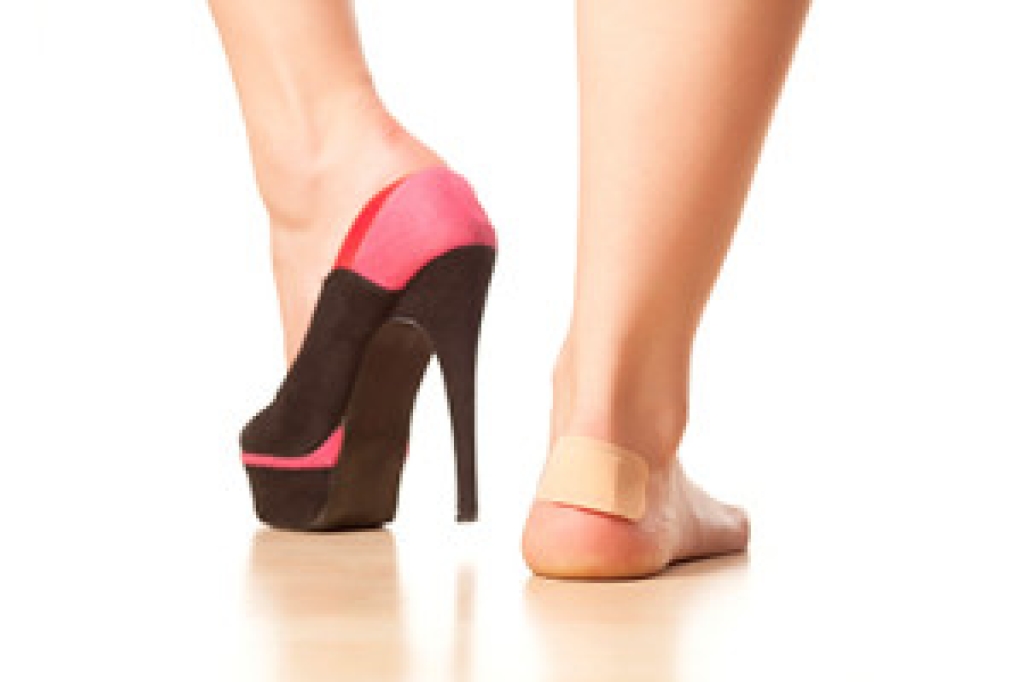
Wearing high heels may negate the fact that the feet act as shock absorbers. If proper shoes are worn, cushioning in the soles of the shoes generally protects the body from the constant battering incurred while walking and running. However, if the choice to wear high heels is made, the body’s weight shifts onto the balls of the feet, forcing the toes to be crammed into a small area and potentially resulting in all kinds of conditions. There are typically several reasons to avoid wearing high heels, one of which is abnormal movement occurring in the ankles. This can result from the foot being forced to bend forward, possibly restricting circulation in the feet. Additionally, the Achilles tendon is often affected which may cause pain in the calves. If high heels are consistently worn, the ankle and calf tendons may lose flexibility, making it difficult to walk. Good advice is to wear high heels as little as possible.

High heels have a history of causing foot and ankle problems. If you have any concerns about your feet or ankles, contact one of our podiatrists from Pennsylvania Foot & Ankle. Our doctors can provide the care you need to keep you pain-free and on your feet.

Effects of High Heels on the Feet

High heels are popular shoes among women because of their many styles and societal appeal.  Despite this, high heels can still cause many health problems if worn too frequently.

Which Parts of My Body Will Be Affected by High Heels?

  • Ankle Joints
  • Achilles Tendon – May shorten and stiffen with prolonged wear
  • Balls of the Feet
  • Knees – Heels cause the knees to bend constantly, creating stress on them
  • Back – They decrease the spine’s ability to absorb shock, which may lead to back pain.  The vertebrae of the lower back may compress.

What Kinds of Foot Problems Can Develop from Wearing High Heels?

  • Corns
  • Calluses
  • Hammertoe
  • Bunions
  • Morton’s Neuroma
  • Plantar Fasciitis

How Can I Still Wear High Heels and Maintain Foot Health?

If you want to wear high heeled shoes, make sure that you are not wearing them every day, as this will help prevent long term physical problems.  Try wearing thicker heels as opposed to stilettos to distribute weight more evenly across the feet.  Always make sure you are wearing the proper shoes for the right occasion, such as sneakers for exercising.  If you walk to work, try carrying your heels with you and changing into them once you arrive at work.  Adding inserts to your heels can help cushion your feet and absorb shock. Full foot inserts or metatarsal pads are available. 

If you have any questions, please feel free to contact one of our offices located in Bensalem, Philadelphia, Northeast Philadelphia, Yardley, PA, and Hamilton, NJ . We offer the newest diagnostic and treatment technologies for all your foot care needs.
Read more about Effect of High Heels on the Feet

Protecting Diabetic Feet

Diabetes is a serious condition, and the feet can be seriously affected. The risk of a difficult to heal infection increases in diabetic patients. Even a small blister or bug bite can lead to infections, commonly including foot ulcers. One reason for this may be nerve damage due to diabetic neuropathy, which can make it difficult to feel. It’s crucial to protect the feet with proper choices in shoes and socks, including checking the feet daily for any type of cuts or sores. Additionally, it’s important to notice any change in temperature or color and to be aware of pain, swelling, or rashes. Taking care of your feet is an important step in managing health issues associated with diabetes. After washing thoroughly, please take the time to dry in between the toes, which may help keep moisture from building up. A consultation with a podiatrist should be considered and advised for proper diabetic foot care.

Diabetic foot care is important in preventing foot ailments such as ulcers. If you are suffering from diabetes or have any other concerns about your feet, contact one of our podiatrists from Pennsylvania Foot & Ankle. Our doctors can provide the care you need to keep you pain-free and on your feet.

Diabetic Foot Care

Diabetes affects millions of people every year. The condition can damage blood vessels in many parts of the body, especially the feet. Because of this, taking care of your feet is essential if you have diabetes, and having a podiatrist help monitor your foot health is highly recommended.

The Importance of Caring for Your Feet

  • Routinely inspect your feet for bruises or sores.
  • Wear socks that fit your feet comfortably.
  • Wear comfortable shoes that provide adequate support.

Patients with diabetes should have their doctor monitor their blood levels, as blood sugar levels play such a huge role in diabetic care. Monitoring these levels on a regular basis is highly advised.

It is always best to inform your healthcare professional of any concerns you may have regarding your feet, especially for diabetic patients. Early treatment and routine foot examinations are keys to maintaining proper health, especially because severe complications can arise if proper treatment is not applied.

If you have any questions, please feel free to contact one of our offices located in Bensalem, Philadelphia, Northeast Philadelphia, Yardley, PA, and Hamilton, NJ . We offer the newest diagnostic and treatment technologies for all your foot care needs.
Read more about How to Care for Diabetic Foot

Causes of Morton’s Neuroma

If the nerve between one of the toes becomes irritated and inflamed, it’s most commonly referred to as a condition called Morton’s neuroma. Middle-aged women may be more affected than men, possibly because of high heels being worn or shoes fitting too tightly. Jogging may also put pressure on the toes, so runners may be affected as well. Occasionally, other conditions can cause Morton’s neuroma, which typically may include flat feet or bunions. There may be several treatments for this ailment, including massaging and resting the foot, utilizing orthotic devices, which may help to relieve pressure, and choosing a shoe with a wider toe. For patients who experience severe pain, surgery may be an option; part of the nerve may be removed or the space around the nerve may be increased. Please consult a podiatrist for a proper diagnosis and the best treatment option available for you.

Morton’s neuroma is a very uncomfortable condition to live with. If you think you have Morton’s neuroma, contact one of our podiatrists of Pennsylvania Foot & Ankle. Our doctors will attend to all of your foot care needs and answer any of your related questions.  

Morton’s Neuroma

Morton's neuroma is a painful foot condition that commonly affects the areas between the second and third or third and fourth toe, although other areas of the foot are also susceptible. Morton’s neuroma is caused by an inflamed nerve in the foot that is being squeezed and aggravated by surrounding bones.

What Increases the Chances of Having Morton’s Neuroma?

  • Ill-fitting high heels or shoes that add pressure to the toe or foot
  • Jogging, running or any sport that involves constant impact to the foot
  • Flat feet, bunions, and any other foot deformities

Morton’s neuroma is a very treatable condition. Orthotics and shoe inserts can often be used to alleviate the pain on the forefront of the feet. In more severe cases, corticosteroids can also be prescribed. In order to figure out the best treatment for your neuroma, it’s recommended to seek the care of a podiatrist who can diagnose your condition and provide different treatment options.

If you have any questions, please feel free to contact one of our offices located in Bensalem, Philadelphia, Northeast Philadelphia, Yardley, PA, and Hamilton, NJ . We offer the newest diagnostic and treatment technologies for all your foot care needs.
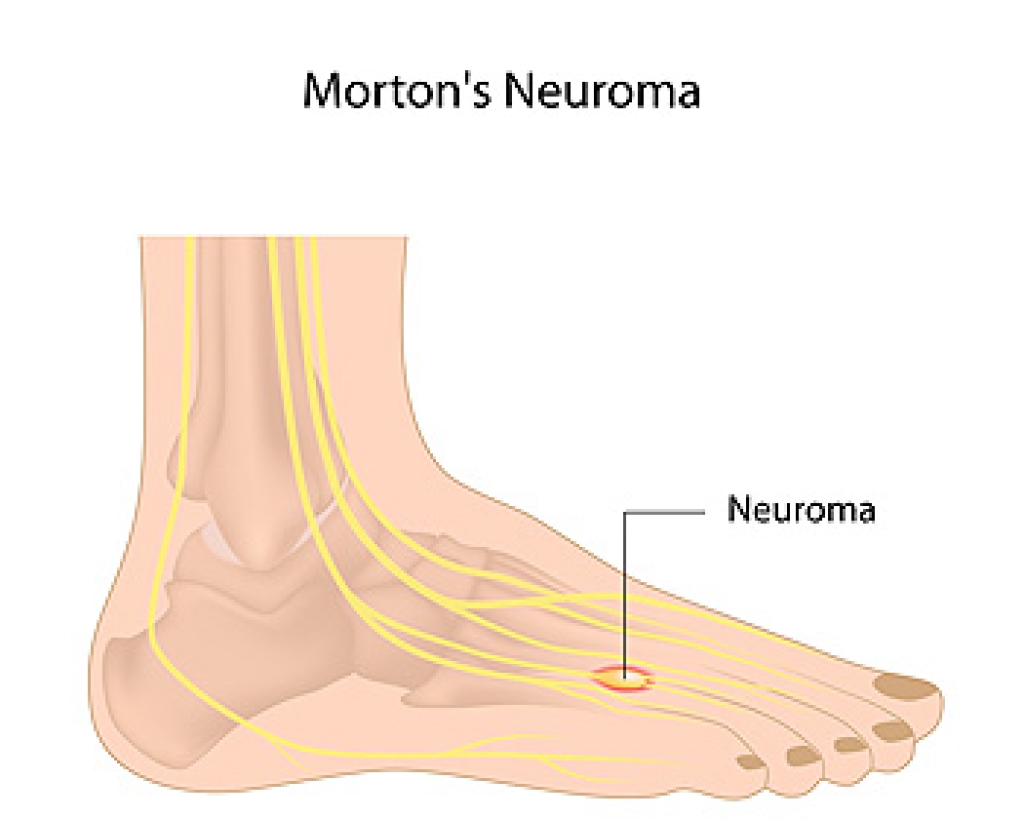
Read more about Morton's Neuroma

Reminder: When Was the Last Time...?

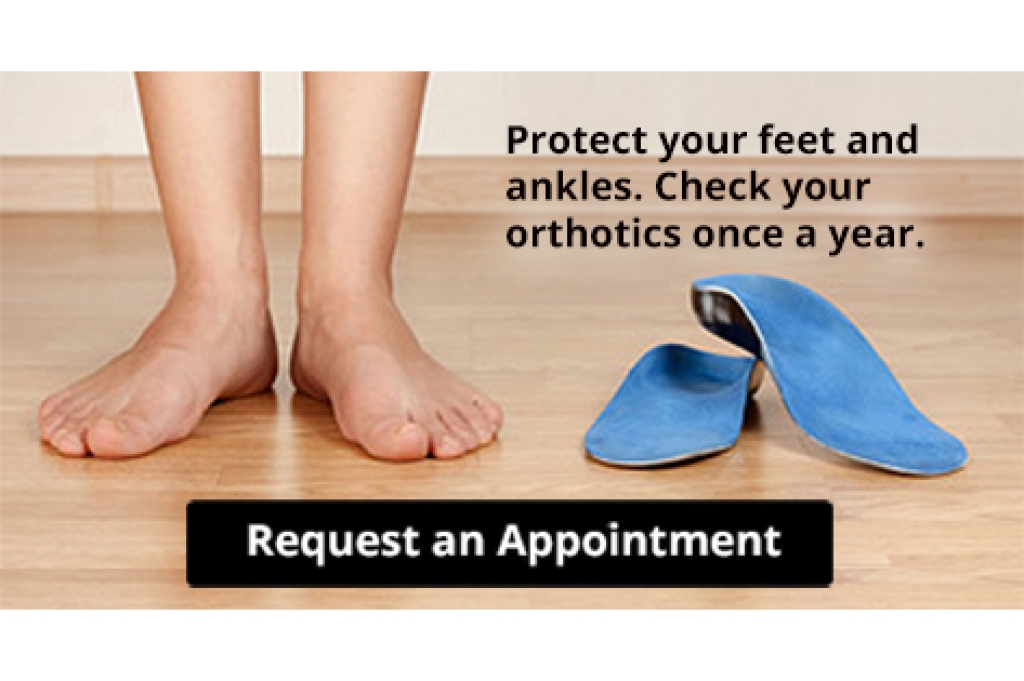
Custom orthotics, or shoe inserts, should be periodically replaced. Orthotics must fit properly to give you the best results. Protect your feet and ankles!

Connect With Us