Connect With Us
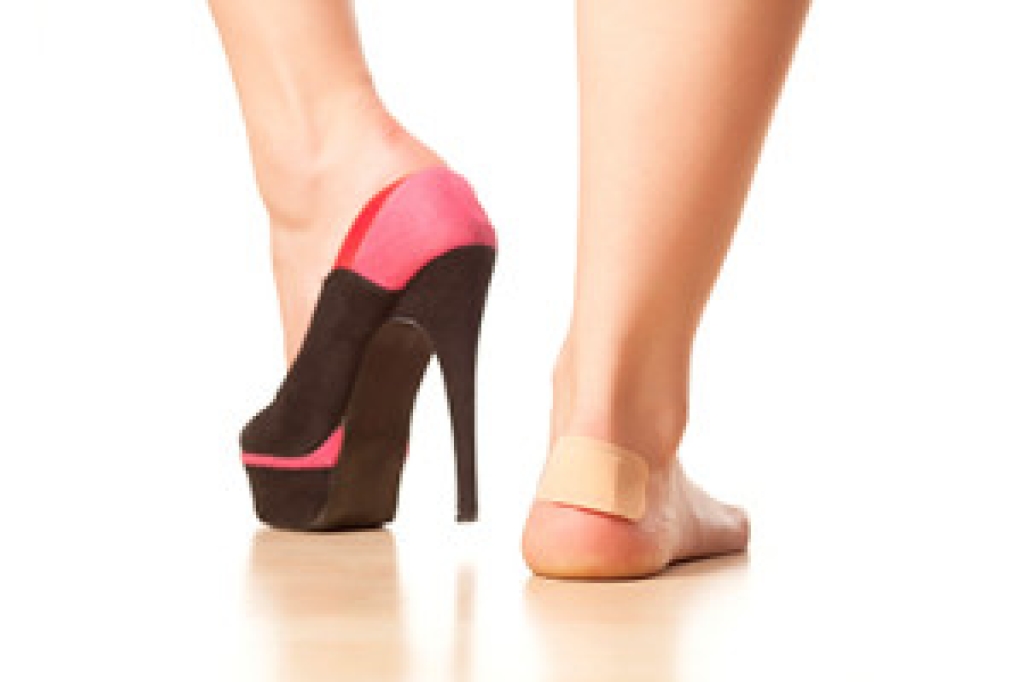
Wearing high heels may negate the fact that the feet act as shock absorbers. If proper shoes are worn, cushioning in the soles of the shoes generally protects the body from the constant battering incurred while walking and running. However, if the choice to wear high heels is made, the body’s weight shifts onto the balls of the feet, forcing the toes to be crammed into a small area and potentially resulting in all kinds of conditions. There are typically several reasons to avoid wearing high heels, one of which is abnormal movement occurring in the ankles. This can result from the foot being forced to bend forward, possibly restricting circulation in the feet. Additionally, the Achilles tendon is often affected which may cause pain in the calves. If high heels are consistently worn, the ankle and calf tendons may lose flexibility, making it difficult to walk. Good advice is to wear high heels as little as possible.
High heels have a history of causing foot and ankle problems. If you have any concerns about your feet or ankles, contact one of our podiatrists from Pennsylvania Foot & Ankle. Our doctors can provide the care you need to keep you pain-free and on your feet.
Effects of High Heels on the Feet
High heels are popular shoes among women because of their many styles and societal appeal. Despite this, high heels can still cause many health problems if worn too frequently.
Which Parts of My Body Will Be Affected by High Heels?
What Kinds of Foot Problems Can Develop from Wearing High Heels?
How Can I Still Wear High Heels and Maintain Foot Health?
If you want to wear high heeled shoes, make sure that you are not wearing them every day, as this will help prevent long term physical problems. Try wearing thicker heels as opposed to stilettos to distribute weight more evenly across the feet. Always make sure you are wearing the proper shoes for the right occasion, such as sneakers for exercising. If you walk to work, try carrying your heels with you and changing into them once you arrive at work. Adding inserts to your heels can help cushion your feet and absorb shock. Full foot inserts or metatarsal pads are available.
If you have any questions, please feel free to contact one of our offices located in Bensalem, Philadelphia, Northeast Philadelphia, Yardley, PA, and Hamilton, NJ . We offer the newest diagnostic and treatment technologies for all your foot care needs.

Diabetes is a serious condition, and the feet can be seriously affected. The risk of a difficult to heal infection increases in diabetic patients. Even a small blister or bug bite can lead to infections, commonly including foot ulcers. One reason for this may be nerve damage due to diabetic neuropathy, which can make it difficult to feel. It’s crucial to protect the feet with proper choices in shoes and socks, including checking the feet daily for any type of cuts or sores. Additionally, it’s important to notice any change in temperature or color and to be aware of pain, swelling, or rashes. Taking care of your feet is an important step in managing health issues associated with diabetes. After washing thoroughly, please take the time to dry in between the toes, which may help keep moisture from building up. A consultation with a podiatrist should be considered and advised for proper diabetic foot care.
Diabetic foot care is important in preventing foot ailments such as ulcers. If you are suffering from diabetes or have any other concerns about your feet, contact one of our podiatrists from Pennsylvania Foot & Ankle. Our doctors can provide the care you need to keep you pain-free and on your feet.
Diabetic Foot Care
Diabetes affects millions of people every year. The condition can damage blood vessels in many parts of the body, especially the feet. Because of this, taking care of your feet is essential if you have diabetes, and having a podiatrist help monitor your foot health is highly recommended.
The Importance of Caring for Your Feet
Patients with diabetes should have their doctor monitor their blood levels, as blood sugar levels play such a huge role in diabetic care. Monitoring these levels on a regular basis is highly advised.
It is always best to inform your healthcare professional of any concerns you may have regarding your feet, especially for diabetic patients. Early treatment and routine foot examinations are keys to maintaining proper health, especially because severe complications can arise if proper treatment is not applied.
If you have any questions, please feel free to contact one of our offices located in Bensalem, Philadelphia, Northeast Philadelphia, Yardley, PA, and Hamilton, NJ . We offer the newest diagnostic and treatment technologies for all your foot care needs.
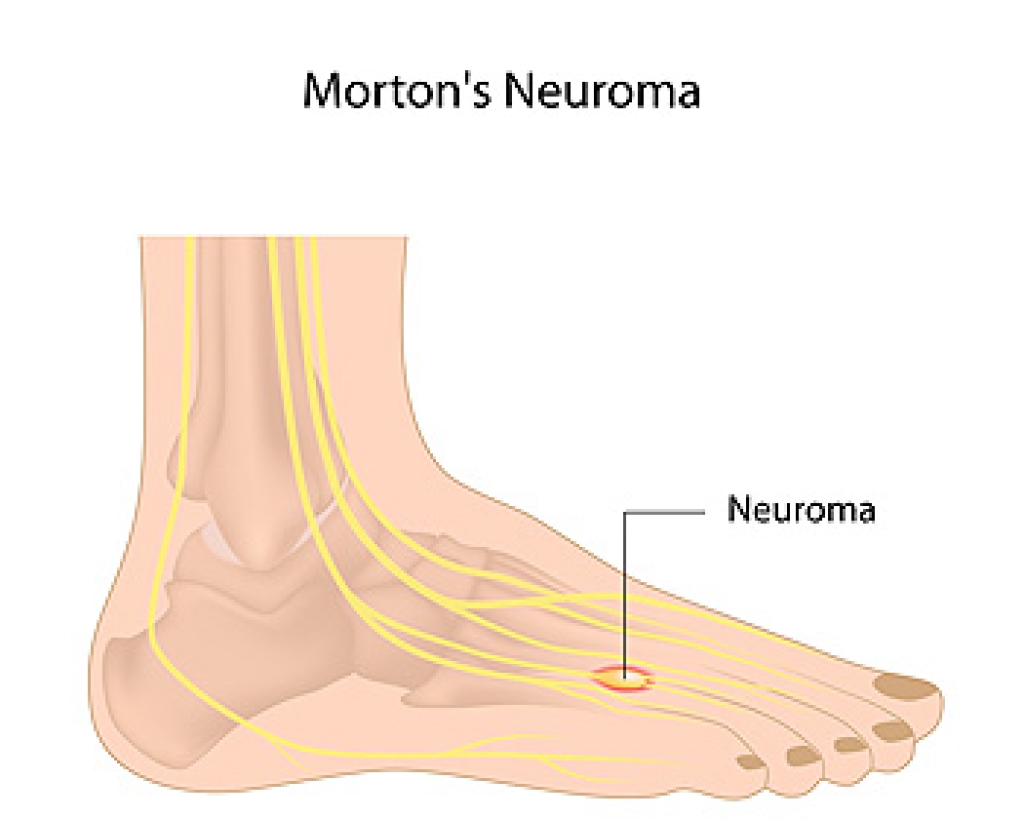
If the nerve between one of the toes becomes irritated and inflamed, it’s most commonly referred to as a condition called Morton’s neuroma. Middle-aged women may be more affected than men, possibly because of high heels being worn or shoes fitting too tightly. Jogging may also put pressure on the toes, so runners may be affected as well. Occasionally, other conditions can cause Morton’s neuroma, which typically may include flat feet or bunions. There may be several treatments for this ailment, including massaging and resting the foot, utilizing orthotic devices, which may help to relieve pressure, and choosing a shoe with a wider toe. For patients who experience severe pain, surgery may be an option; part of the nerve may be removed or the space around the nerve may be increased. Please consult a podiatrist for a proper diagnosis and the best treatment option available for you.
Morton’s neuroma is a very uncomfortable condition to live with. If you think you have Morton’s neuroma, contact one of our podiatrists of Pennsylvania Foot & Ankle. Our doctors will attend to all of your foot care needs and answer any of your related questions.
Morton’s Neuroma
Morton's neuroma is a painful foot condition that commonly affects the areas between the second and third or third and fourth toe, although other areas of the foot are also susceptible. Morton’s neuroma is caused by an inflamed nerve in the foot that is being squeezed and aggravated by surrounding bones.
What Increases the Chances of Having Morton’s Neuroma?
Morton’s neuroma is a very treatable condition. Orthotics and shoe inserts can often be used to alleviate the pain on the forefront of the feet. In more severe cases, corticosteroids can also be prescribed. In order to figure out the best treatment for your neuroma, it’s recommended to seek the care of a podiatrist who can diagnose your condition and provide different treatment options.
If you have any questions, please feel free to contact one of our offices located in Bensalem, Philadelphia, Northeast Philadelphia, Yardley, PA, and Hamilton, NJ . We offer the newest diagnostic and treatment technologies for all your foot care needs.
Connect With Us