Warming Up and Cooling Down

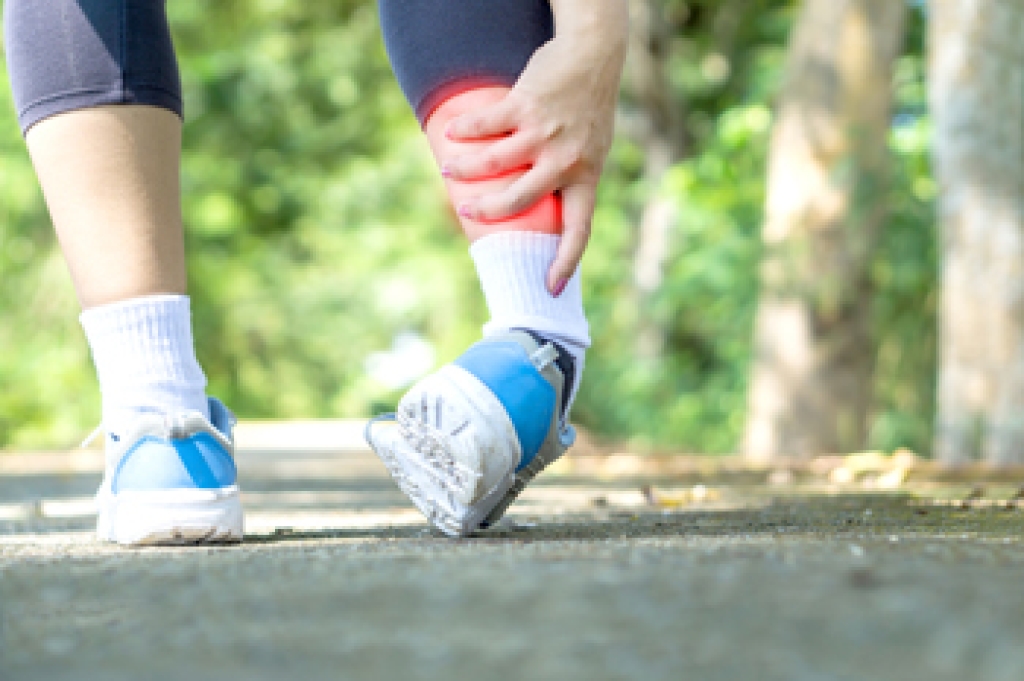
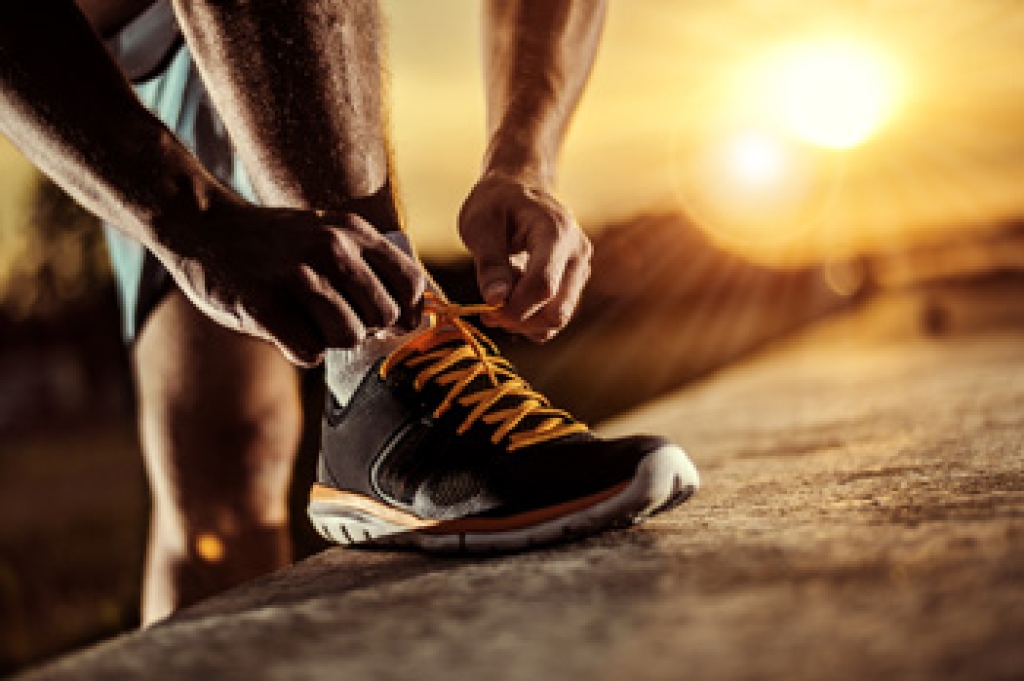
Research has indicated the sport of running is a popular form of exercise among all groups of people. Many children and teenagers enjoy participating in track and field during school, and generally will perform proper warm up and cool down techniques. These can be helpful in preventing running injuries, and should be incorporated into a daily routine if you regularly run. It is beneficial to slowly increase the mileage and the time running is practiced, which can help to prevent stress fractures and injuries from overuse. Additionally, eating healthy foods may help the body to maintain strength, and it is necessary to get adequate sleep as often as possible as well. Many runners know the importance of resting between runs, which can allow the body to recover. If you would like more information about injury prevention, and how the feet may become affected by running injuries, please consult with a podiatrist.

All runners should take extra precaution when trying to avoid injury. If you have any concerns about your feet, contact one of our podiatrists of Pennsylvania Foot & Ankle. Our doctors will treat your foot and ankle needs.

How to Prevent Running Injuries

There are a lot of mistakes a runner can make prior to a workout that can induce injury. A lot of athletes tend to overstretch before running, instead of saving those workouts for a post-run routine. Deep lunges and hand-to-toe hamstring pulls should be performed after a workout instead of during a warmup. Another common mistake is jumping into an intense routine before your body is physically prepared for it. You should try to ease your way into long-distance running instead of forcing yourself to rush into it.

More Tips for Preventing Injury

  • Incorporate Strength Training into Workouts - This will help improve the body’s overall athleticism
  • Improve and Maintain Your Flexibility – Stretching everyday will help improve overall performance
  • “Warm Up” Before Running and “Cool Down” Afterward – A warm up of 5-10 minutes helps get rid of lactic acid in the muscles and prevents delayed muscle soreness
  • Cross-Training is Crucial
  • Wear Proper Running Shoes
  • Have a Formal Gait Analysis – Poor biomechanics can easily cause injury

If you have any questions, please feel free to contact one of our offices located in Bensalem, Philadelphia, Northeast Philadelphia, Yardley, PA, and Hamilton, NJ . We offer the newest diagnostic and treatment technologies for all your foot care needs.
Read more about Preventing Running Injuries

Where Did I Get Toenail Fungus From?

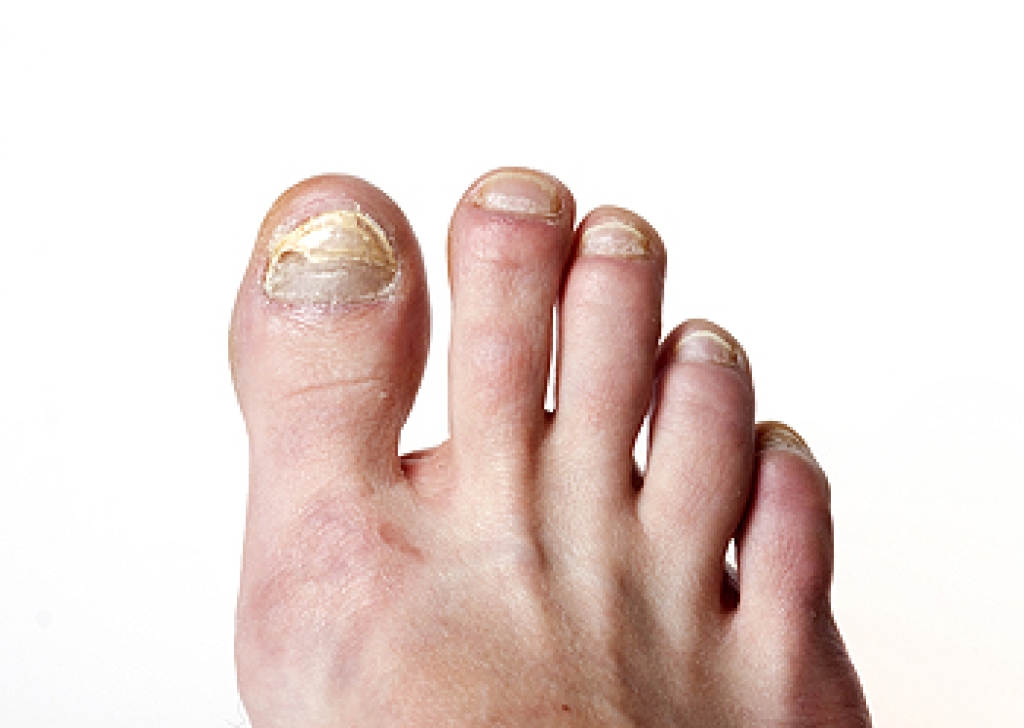
Research has indicated that millions of Americans have a condition that is known as onychomycosis, which is commonly known as toenail fungus. There are noticeable symptoms that are often associated with this ailment. These can include the toenails becoming thick and yellow, in addition to the surrounding skin becoming itchy. In severe cases, the nails may become brittle, and can possibly fall off. It is considered to be a fungal infection, and can be contagious. This type of fungus lives and thrives in warm and moist environments, consisting of public pools, and shower room floors. It is suggested that appropriate shoes are worn while in these areas, as this may help to prevent getting toenail fungus. If you are afflicted with this condition, please consult with a podiatrist who can prescribe medications that can help to heal this condition.

If left untreated, toenail fungus may spread to other toenails, skin, or even fingernails. If you suspect you have toenail fungus it is important to seek treatment right away. For more information about treatment, contact one of our podiatrists of Pennsylvania Foot & Ankle. Our doctors can provide the care you need to keep you pain-free and on your feet.

Symptoms

  • Warped or oddly shaped nails
  • Yellowish nails
  • Loose/separated nail
  • Buildup of bits and pieces of nail fragments under the nail
  • Brittle, broken, thickened nail

Treatment

If self-care strategies and over-the-counter medications does not help your fungus, your podiatrist may give you a prescription drug instead. Even if you find relief from your toenail fungus symptoms, you may experience a repeat infection in the future.

Prevention

In order to prevent getting toenail fungus in the future, you should always make sure to wash your feet with soap and water. After washing, it is important to dry your feet thoroughly especially in between the toes. When trimming your toenails, be sure to trim straight across instead of in a rounded shape. It is crucial not to cover up discolored nails with nail polish because that will prevent your nail from being able to “breathe”.

In some cases, surgical procedure may be needed to remove the toenail fungus. Consult with your podiatrist about the best treatment options for your case of toenail fungus.  

If you have any questions please contact one of our offices located in Bensalem, Philadelphia, Northeast Philadelphia, Yardley, PA, and Hamilton, NJ . We offer the newest diagnostic and treatment technologies for all your foot and ankle needs.

Read more about Toenail Fungus

Why Live with Pain and Numbness in Your Feet?

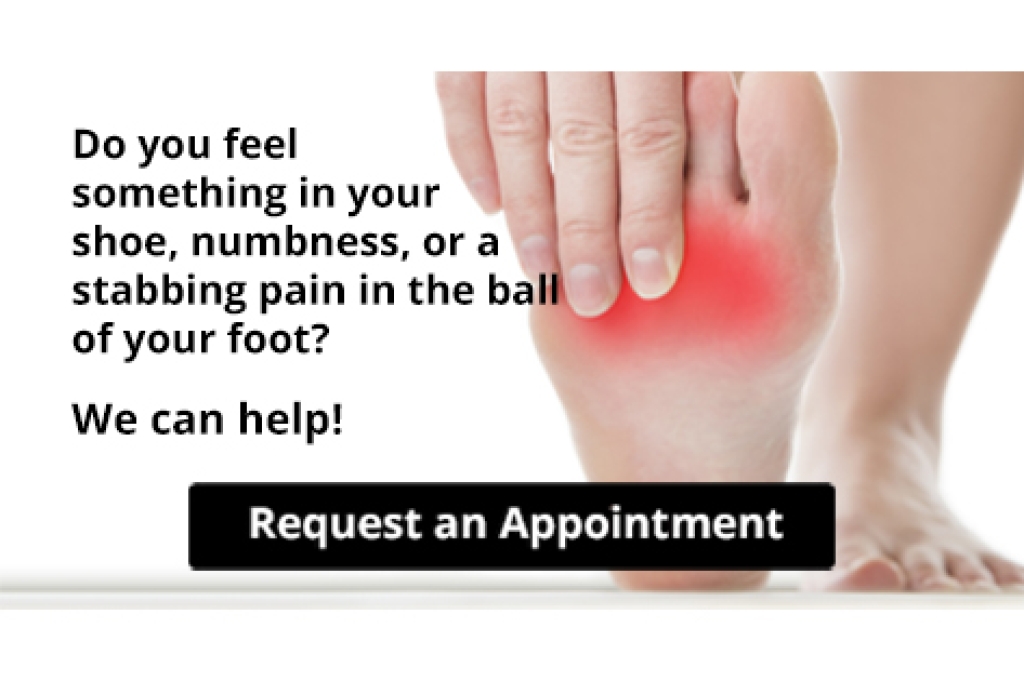
Suffering from this type of pain? You may have the foot condition known as Morton's neuroma. Morton's neuroma may develop as a result of ill-fitting footwear and existing foot deformities. We can help.

Are Bunions Uncomfortable?

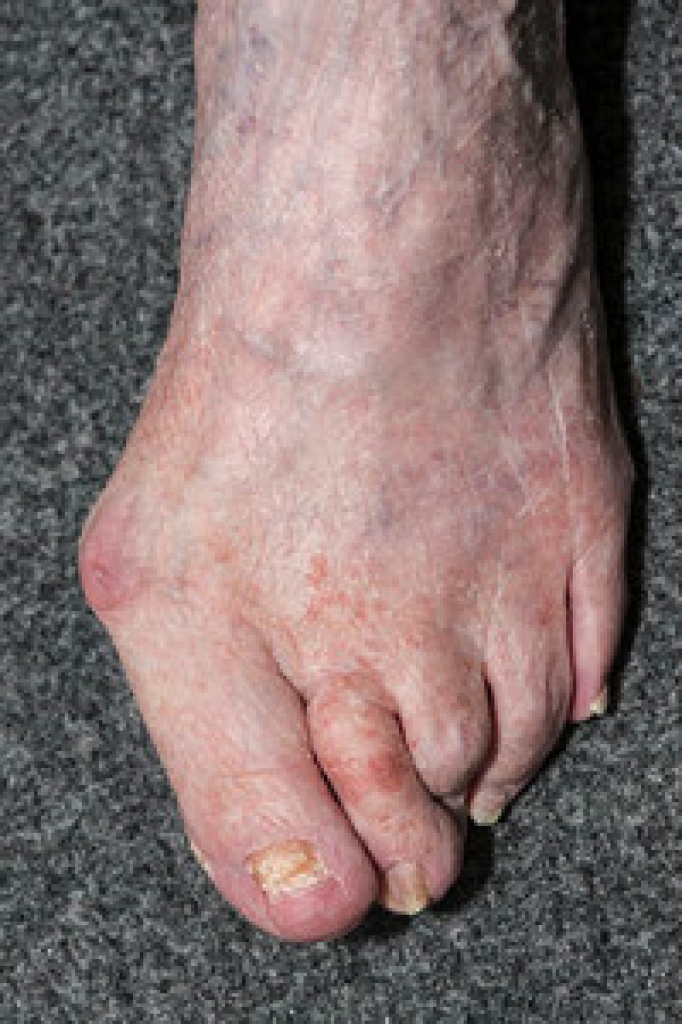
A hard bump on the side or bottom of the big toe may indicate a bunion has developed. This may cause the big toe to shift toward the other toes, and larger shoes may need to be purchased to accommodate the bunion. The reasons bunions may form can include genetic factors, or from wearing shoes that do not have adequate room for the toes to move freely in. Additionally, you may notice a bunion developing due to medical reasons that can consist of having flat feet, or from having an abnormal foot structure. Many patients experience symptoms that can include pain in the big toe and surrounding areas, and the affected area may become red and irritated. Mild relief may be felt when larger shoes are purchased, and it may be beneficial to wear custom-made orthotics which can provide optimal support. If you have a bunion, it is strongly suggested that you are under the care of a podiatrist who can properly treat this condition.

If you are suffering from bunions, contact one of our podiatrists of Pennsylvania Foot & Ankle. Our doctors can provide the care you need to keep you pain-free and on your feet.

What Is a Bunion?

A bunion is formed of swollen tissue or an enlargement of boney growth, usually located at the base joint of the toe that connects to the foot. The swelling occurs due to the bones in the big toe shifting inward, which impacts the other toes of the foot. This causes the area around the base of the big toe to become inflamed and painful.

Why Do Bunions Form?

Genetics – Susceptibility to bunions are often hereditary

Stress on the feet – Poorly fitted and uncomfortable footwear that places stress on feet, such as heels, can worsen existing bunions

How Are Bunions Diagnosed?

Podiatrists often perform two tests – blood tests and x-rays – when trying to diagnose bunions, especially in the early stages of development. Blood tests help determine if the foot pain is being caused by something else, such as arthritis, while x-rays provide a clear picture of your bone structure to your provider.

How Are Bunions Treated?

  • Refrain from wearing heels or similar shoes that cause discomfort
  • Select wider shoes that can provide more comfort and reduce pain
  • Anti-inflammatory and pain management drugs
  • Orthotics or foot inserts
  • Surgery

If you have any questions, please feel free to contact one of our offices located in Bensalem, Philadelphia, Northeast Philadelphia, Yardley, PA, and Hamilton, NJ . We offer the newest diagnostic and treatment technologies for all your foot care needs.
Read more about Bunions

Runners and Walkers Have Different Needs in Shoes

There are known differences between walking and running shoes. The type of shoes that runners typically prefer consist of having additional flexibility, which is needed as a result of strong impact on the ground. People who enjoy walking may benefit from footwear with less padding in the heel and arch areas of the feet. Additionally, walking shoes can offer more support than running shoes. They have firmer soles which may help to make walking more comfortable. If you are interested in learning about additional details of the differences between walking and running shoes, please consult with a podiatrist.

For more information about walking shoes versus running shoes, consult with one of our podiatrists from Pennsylvania Foot & Ankle. Our doctors can measure your feet to determine what your needs are and help you find an appropriate pair of footwear.

Foot Health: The Differences between Walking & Running Shoes

There are great ways to stay in shape: running and walking are two great exercises to a healthy lifestyle. It is important to know that running shoes and walking shoes are not interchangeable. There is a key difference on how the feet hit the ground when someone is running or walking. This is why one should be aware that a shoe is designed differently for each activity.

You may be asking yourself what the real differences are between walking and running shoes and the answers may shock you.

Differences

Walking doesn’t involve as much stress or impact on the feet as running does. However, this doesn’t mean that you should be any less prepared. When you’re walking, you land on your heels and have your foot roll forward. This rolling motion requires additional support to the feet.

Flexibility – Walking shoes are designed to have soft, flexible soles. This allows the walker to push off easily with each step.

If you have any questions, please feel free to contact one of our offices located in Bensalem, Philadelphia, Northeast Philadelphia, Yardley, PA, and Hamilton, NJ . We offer the newest diagnostic and treatment technologies for all your foot care needs.
Read more about Walking Shoes vs. Running Shoes

Connect With Us