Are Bunions Uncomfortable?

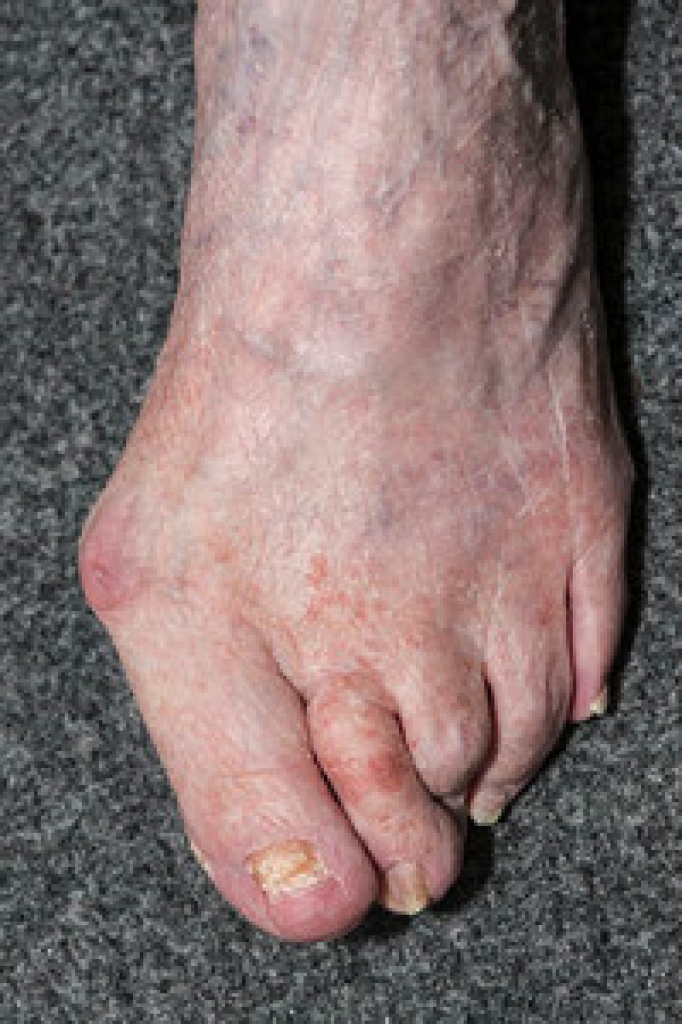
A hard bump on the side or bottom of the big toe may indicate a bunion has developed. This may cause the big toe to shift toward the other toes, and larger shoes may need to be purchased to accommodate the bunion. The reasons bunions may form can include genetic factors, or from wearing shoes that do not have adequate room for the toes to move freely in. Additionally, you may notice a bunion developing due to medical reasons that can consist of having flat feet, or from having an abnormal foot structure. Many patients experience symptoms that can include pain in the big toe and surrounding areas, and the affected area may become red and irritated. Mild relief may be felt when larger shoes are purchased, and it may be beneficial to wear custom-made orthotics which can provide optimal support. If you have a bunion, it is strongly suggested that you are under the care of a podiatrist who can properly treat this condition.

If you are suffering from bunions, contact one of our podiatrists of Pennsylvania Foot & Ankle. Our doctors can provide the care you need to keep you pain-free and on your feet.

What Is a Bunion?

A bunion is formed of swollen tissue or an enlargement of boney growth, usually located at the base joint of the toe that connects to the foot. The swelling occurs due to the bones in the big toe shifting inward, which impacts the other toes of the foot. This causes the area around the base of the big toe to become inflamed and painful.

Why Do Bunions Form?

Genetics – Susceptibility to bunions are often hereditary

Stress on the feet – Poorly fitted and uncomfortable footwear that places stress on feet, such as heels, can worsen existing bunions

How Are Bunions Diagnosed?

Podiatrists often perform two tests – blood tests and x-rays – when trying to diagnose bunions, especially in the early stages of development. Blood tests help determine if the foot pain is being caused by something else, such as arthritis, while x-rays provide a clear picture of your bone structure to your provider.

How Are Bunions Treated?

  • Refrain from wearing heels or similar shoes that cause discomfort
  • Select wider shoes that can provide more comfort and reduce pain
  • Anti-inflammatory and pain management drugs
  • Orthotics or foot inserts
  • Surgery

If you have any questions, please feel free to contact one of our offices located in Bensalem, Philadelphia, Northeast Philadelphia, Yardley, PA, and Hamilton, NJ . We offer the newest diagnostic and treatment technologies for all your foot care needs.

Read more about Bunions

Runners and Walkers Have Different Needs in Shoes

There are known differences between walking and running shoes. The type of shoes that runners typically prefer consist of having additional flexibility, which is needed as a result of strong impact on the ground. People who enjoy walking may benefit from footwear with less padding in the heel and arch areas of the feet. Additionally, walking shoes can offer more support than running shoes. They have firmer soles which may help to make walking more comfortable. If you are interested in learning about additional details of the differences between walking and running shoes, please consult with a podiatrist.

For more information about walking shoes versus running shoes, consult with one of our podiatrists from Pennsylvania Foot & Ankle. Our doctors can measure your feet to determine what your needs are and help you find an appropriate pair of footwear.

Foot Health: The Differences between Walking & Running Shoes

There are great ways to stay in shape: running and walking are two great exercises to a healthy lifestyle. It is important to know that running shoes and walking shoes are not interchangeable. There is a key difference on how the feet hit the ground when someone is running or walking. This is why one should be aware that a shoe is designed differently for each activity.

You may be asking yourself what the real differences are between walking and running shoes and the answers may shock you.

Differences

Walking doesn’t involve as much stress or impact on the feet as running does. However, this doesn’t mean that you should be any less prepared. When you’re walking, you land on your heels and have your foot roll forward. This rolling motion requires additional support to the feet.

Flexibility – Walking shoes are designed to have soft, flexible soles. This allows the walker to push off easily with each step.

If you have any questions, please feel free to contact one of our offices located in Bensalem, Philadelphia, Northeast Philadelphia, Yardley, PA, and Hamilton, NJ . We offer the newest diagnostic and treatment technologies for all your foot care needs.

Read more about Walking Shoes vs. Running Shoes

Are My Feet Flat?

Flat feet is a common ailment among many people. Most babies are born with flat feet, and the arch will generally develop during the early teenage years. It is defined as a condition where the arch is absent from the foot. This can be noticed while standing, if the entire foot touches the floor. Many patients who have flat feet have little or no symptoms. Other patients may find they have trouble walking, and their feet may feel stiff and weak. Moderate relief may be found when shoes that are worn fit properly, and it may be beneficial to practice specific foot stretches which may help to strengthen the feet. If you have symptoms of flat feet, it’s suggested that you consult with a podiatrist who can help you to find relief.

Flatfoot is a condition many people suffer from. If you have flat feet, contact one of our podiatrists from Pennsylvania Foot & Ankle. Our doctors will treat your foot and ankle needs.

What Are Flat Feet?

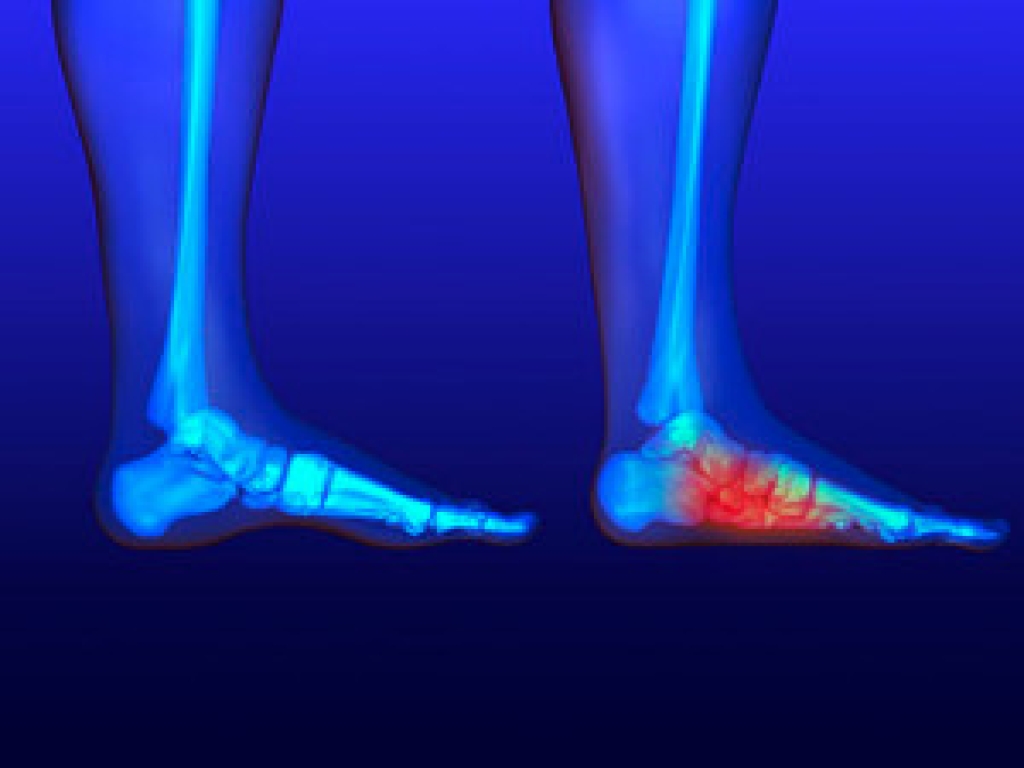
Flatfoot is a condition in which the arch of the foot is depressed and the sole of the foot is almost completely in contact with the ground. About 20-30% of the population generally has flat feet because their arches never formed during growth.

Conditions & Problems:

Having flat feet makes it difficult to run or walk because of the stress placed on the ankles.

Alignment – The general alignment of your legs can be disrupted, because the ankles move inward which can cause major discomfort.

Knees – If you have complications with your knees, flat feet can be a contributor to arthritis in that area.  

Symptoms

  • Pain around the heel or arch area
  • Trouble standing on the tip toe
  • Swelling around the inside of the ankle
  • Flat look to one or both feet
  • Having your shoes feel uneven when worn

Treatment

If you are experiencing pain and stress on the foot you may weaken the posterior tibial tendon, which runs around the inside of the ankle. 

If you have any questions, please feel free to contact one of our offices located in Bensalem, Philadelphia, Northeast Philadelphia, Yardley, PA, and Hamilton, NJ . We offer the newest diagnostic and treatment technologies for all your foot care needs.

Read more about What is Flexible Flat Foot?

Plantar Warts Can Be Treated!

Plantar warts are small growths that develop on parts of the feet that bear weight. They're typically found on the bottom of the foot. Don't live with plantar warts, and call us today!

Symptoms of Neuropathy

Many diabetic patients have been prone to experience a foot condition known as neuropathy. This condition may develop when the peripheral nerves become damaged. When these nerves become compressed, it’s likely that those affected will experience a certain degree of pain and discomfort. Common symptoms of neuropathy can include a numbing or tingling sensation, muscle cramping, difficulty with balance, or loss of feeling in the affected area. To help treat this condition, some patients have found relief with physical therapy and the use of assistive walking devices. For more information on neuropathy and how to treat this condition, it’s recommended that you speak with a podiatrist.

Neuropathy

Neuropathy can be a potentially serious condition, especially if it is left undiagnosed. If you have any concerns that you may be experiencing nerve loss in your feet, consult with one of our podiatrists from Pennsylvania Foot & Ankle. Our doctors will assess your condition and provide you with quality foot and ankle treatment for neuropathy.

What Is Neuropathy?

Neuropathy is a condition that leads to damage to the nerves in the body. Peripheral neuropathy, or neuropathy that affects your peripheral nervous system, usually occurs in the feet. Neuropathy can be triggered by a number of different causes. Such causes include diabetes, infections, cancers, disorders, and toxic substances.

Symptoms of Neuropathy Include:

  • Numbness
  • Sensation loss
  • Prickling and tingling sensations
  • Throbbing, freezing, burning pains
  • Muscle weakness

Those with diabetes are at serious risk due to being unable to feel an ulcer on their feet. Diabetics usually also suffer from poor blood circulation. This can lead to the wound not healing, infections occurring, and the limb may have to be amputated.

Treatment

To treat neuropathy in the foot, podiatrists will first diagnose the cause of the neuropathy. Figuring out the underlying cause of the neuropathy will allow the podiatrist to prescribe the best treatment, whether it be caused by diabetes, toxic substance exposure, infection, etc. If the nerve has not died, then it’s possible that sensation may be able to return to the foot.

Pain medication may be issued for pain. Electrical nerve stimulation can be used to stimulate nerves. If the neuropathy is caused from pressure on the nerves, then surgery may be necessary.

If you have any questions, please feel free to contact one of our offices located in Bensalem, Philadelphia, Northeast Philadelphia, Yardley, PA, and Hamilton, NJ . We offer the newest diagnostic and treatment technologies for all your foot care needs.

Read more about Neuropathy

Connect With Us