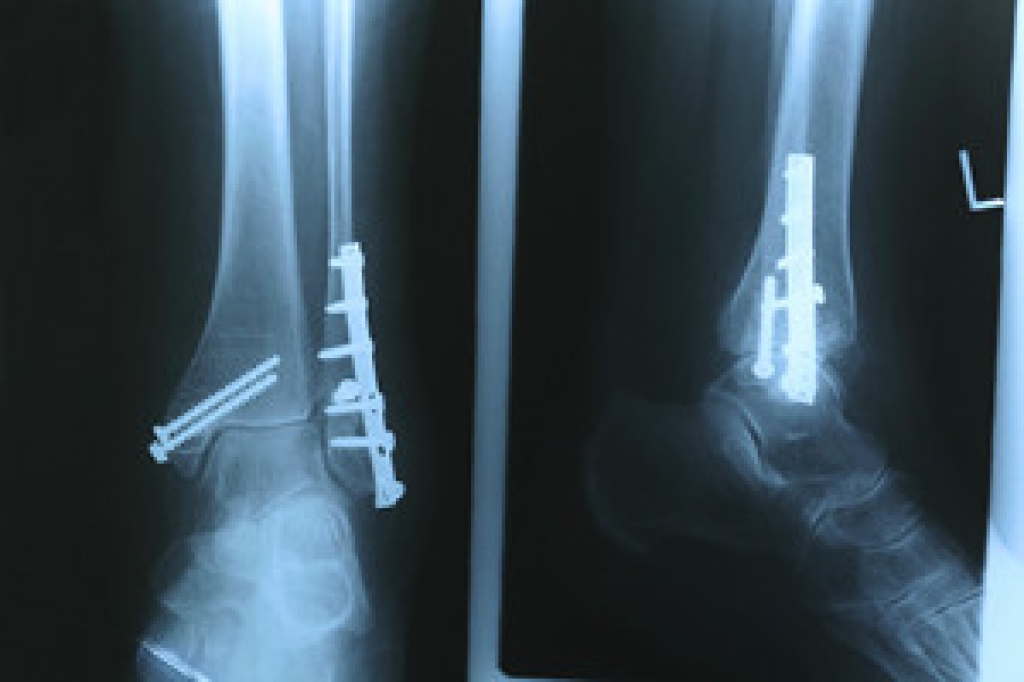
Is Ankle Surgery Right for Me?

People who are severely afflicted by ankle arthritis may choose to have ankle surgery performed. It is considered to be joint replacement surgery, and may be successful in removing damaged tissue in the ankle. This is followed by replacing it with a metal or plastic prosthesis. The benefits of this type of surgery may include improved range of motion in the ankle, and can protect the ankle joint. Research has shown the ideal candidate can include patients who are middle-aged or above, have a normal weight, and refrain from having a physically demanding lifestyle. The recovery process can consist of using crutches for two weeks after surgery, followed by wearing a protective boot for approximately six weeks. Many patients practice ankle stretches or exercises at this point, which will gradually strengthen the ankle, and normal activity can eventually resume. If you have severe ankle pain and are considering having joint replacement surgery performed, it is strongly suggested that you are under the care of a podiatrist who can determine if this is the right choice for you.

In certain cases, in which the patient suffers from extreme pain or damage in a joint, joint replacement surgery may be deemed useful. If you have constant pain in a foot joint, consult with one of our podiatrists from Pennsylvania Foot & Ankle. Our doctors will assess your condition and provide you with quality foot and ankle treatment.

What Is Joint Replacement Surgery?

Over time, joints wear down; this can be exacerbated by diseases and conditions. Joint replacement surgery, also known as arthroplasty, is when a damaged joint is surgically removed and replaced with a prosthesis. Prostheses, which can be made of ceramic, plastic, or metal, act as joints in lieu of an actual joint. One of the most prevalent causes for joint replacement is arthritis.

Arthritis in the Foot

Arthritis can occur in any joint in the body, including in the feet. Common types of arthritis in the foot are osteoarthritis, rheumatoid arthritis, and gout. The big toe is usually where arthritis occurs in the foot; this is known as hallux rigidus.

Joint Replacement Surgery in the Foot

The most common form of joint replacement in the foot is a first metatarsophalangeal (MTP) joint placement. MTP joint replacement surgery is designed to treat hallux rigidus. Surgery is not intensive, and recovery occurs within one to two months after the procedure has been done. Overall, joint replacement surgery is a safe and effective way to treat pain in the joint of the foot.

If you have any questions, please feel free to contact one of our offices located in Bensalem, Philadelphia, Northeast Philadelphia, Yardley, PA, and Hamilton, NJ . We offer the newest diagnostic and treatment technologies for all your foot care needs.

Read more about Joint Replacement Surgery

2 Categories of Flat Feet

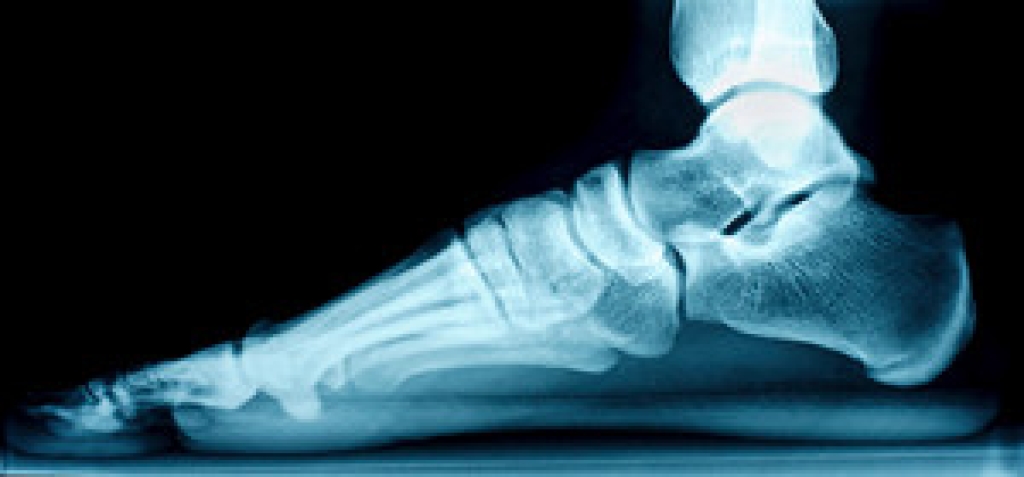
The majority of babies are born with flat feet, and they may remain that way into adulthood. Flat feet are easily noticed as the foot lies flat on the floor while standing, and the lack of an arch may be painful for some patients. Flat feet fall into two categories. Those who have weak muscles in the foot are referred to as having flexible flat feet, and the arch may be seen while lying down. With this condition, the arch will disappear when weight is put on it. Rigid flat feet will remain the same whether standing or lying down, and there may be a reduced range of motion. Many people who have flat feet choose to wear orthotics, which can be successful in treating this type of abnormal foot structure. Severely flat feet may cause difficulty in completing daily activities, and surgery may be considered for permanent relief. If you are an adult who has flat feet, it is suggested that you are under the care of a podiatrist who can guide you toward the relief options and offer the treatment that is best for you.

Flatfoot is a condition many people suffer from. If you have flat feet, contact one of our podiatrists from Pennsylvania Foot & Ankle. Our doctors will treat your foot and ankle needs.

What Are Flat Feet?

Flatfoot is a condition in which the arch of the foot is depressed and the sole of the foot is almost completely in contact with the ground. About 20-30% of the population generally has flat feet because their arches never formed during growth.

Conditions & Problems:

Having flat feet makes it difficult to run or walk because of the stress placed on the ankles.

Alignment – The general alignment of your legs can be disrupted, because the ankles move inward which can cause major discomfort.

Knees – If you have complications with your knees, flat feet can be a contributor to arthritis in that area.  

Symptoms

  • Pain around the heel or arch area
  • Trouble standing on the tip toe
  • Swelling around the inside of the ankle
  • Flat look to one or both feet
  • Having your shoes feel uneven when worn

Treatment

If you are experiencing pain and stress on the foot you may weaken the posterior tibial tendon, which runs around the inside of the ankle. 

If you have any questions, please feel free to contact one of our offices located in Bensalem, Philadelphia, Northeast Philadelphia, Yardley, PA, and Hamilton, NJ . We offer the newest diagnostic and treatment technologies for all your foot care needs.
Read more about What is Flexible Flat Foot?

Plantar Warts Can Be Treated!

Plantar warts are small growths that develop on parts of the feet that bear weight. They're typically found on the bottom of the foot. Don't live with plantar warts, and call us today!

What Can Cause Plantar Fasciitis?

The plantar fascia is found on the bottom of the foot. It is a long portion of tissue that connects the heel to the toes and can become quite painful if it becomes irritated. A heel injury or gradual wear and tear may lead to developing plantar fasciitis. This foot condition is defined as inflammation or tears that happen to the plantar fascia, which can occur from wearing shoes that do not have adequate cushioning in the heel area. It can also happen to people who stand on hard or uneven surfaces for most of the day, causing excess pressure on the heel and surrounding areas. Many people enjoy running and jogging, and it is helpful to be aware of how this can negatively impact the heels. Pregnant women may develop plantar fasciitis, as a result of the added weight the feet must endure. Temporary relief may be found when the affected foot is elevated, and walking is kept to a minimum. A podiatrist is a specialist that can effectively treat plantar fasciitis, and it is suggested that you contact this type of doctor who can offer you the treatment option that is best for you.

Plantar fasciitis can be very painful and inconvenient. If you are experiencing heel pain or symptoms of plantar fasciitis, contact one of our podiatrists  from Pennsylvania Foot & Ankle. Our doctors can provide the care you need to keep you pain-free and on your feet.

What Is Plantar Fasciitis?

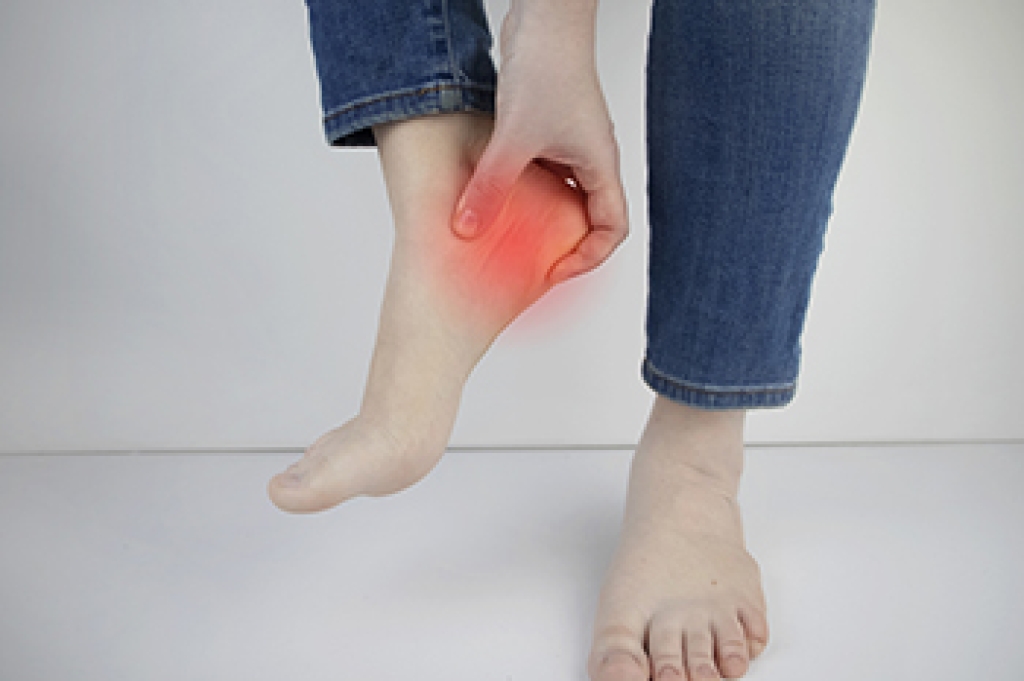
Plantar fasciitis is the inflammation of the thick band of tissue that runs along the bottom of your foot, known as the plantar fascia, and causes mild to severe heel pain.

What Causes Plantar Fasciitis?

  • Excessive running
  • Non-supportive shoes
  • Overpronation
  • Repeated stretching and tearing of the plantar fascia

How Can It Be Treated?

  • Conservative measures – anti-inflammatories, ice packs, stretching exercises, physical therapy, orthotic devices
  • Shockwave therapy – sound waves are sent to the affected area to facilitate healing and are usually used for chronic cases of plantar fasciitis
  • Surgery – usually only used as a last resort when all else fails. The plantar fascia can be surgically detached from the heel

While very treatable, plantar fasciitis is definitely not something that should be ignored. Especially in severe cases, speaking to your doctor right away is highly recommended to avoid complications and severe heel pain. Your podiatrist can work with you to provide the appropriate treatment options tailored to your condition.

If you have any questions, please feel free to contact one of our offices located in Bensalem, Philadelphia, Northeast Philadelphia, Yardley, PA, and Hamilton, NJ . We offer the newest diagnostic and treatment technologies for all your foot care needs.

Read more about Plantar Fasciitis

Stretching May Relieve Arch and Heel

The arch is responsible for several functions in the foot, and may become painful for various reasons. Performing specific stretches may help to relieve any discomfort, and bring overall relief to the entire foot. The plantar fascia is located on the bottom of the foot, and connects the heel to the toes. The arch is often affected if the plantar fascia becomes inflamed, and mild relief may be found when it is frequently stretched. This can be done by sitting in a chair with the affected foot on the other knee. The foot can be grasped in one hand, while holding the foot with the other hand, and pulling the heel back. The plantar fascia can also be stretched while kneeling with the hands and knees on the floor. A gentle stretch can be felt while sitting back on the heels. Many people find relief when they place their foot on a frozen water bottle and roll it back and forth several times. If you would like more information about how to relieve arch and heel pain, it is suggested that you consult with a podiatrist who can provide you with the information you are seeking.

Stretching the feet is a great way to prevent injuries. If you have any concerns with your feet consult with one of our podiatrists from Pennsylvania Foot & Ankle. Our doctors will assess your condition and provide you with quality foot and ankle treatment.

Stretching the Feet

Being the backbone of the body, the feet carry your entire weight and can easily become overexerted, causing cramps and pain. As with any body part, stretching your feet can serve many benefits. From increasing flexibility to even providing some pain relief, be sure to give your feet a stretch from time to time. This is especially important for athletes or anyone performing aerobic exercises, but anyone experiencing foot pain or is on their feet constantly should also engage in this practice.

Great ways to stretch your feet:

  • Crossing one leg over the others and carefully pull your toes back. Do 10-20 repetitions and repeat the process for each foot
  • Face a wall with your arms out and hands flat against the wall. Step back with one foot and keep it flat on the floor while moving the other leg forward. Lean towards the wall until you feel a stretch. Hold for 30 seconds and perform 10 repetitions for each foot
  • Be sure not to overextend or push your limbs too hard or you could risk pulling or straining your muscle

Individuals who tend to their feet by regular stretching every day should be able to minimize foot pain and prevent new problems from arising.

If you have any questions please contact one of our offices located in Bensalem, Philadelphia, Northeast Philadelphia, Yardley, PA, and Hamilton, NJ . We offer the newest diagnostic and treatment technologies for all your foot and ankle needs.

Read more about Stretching Your Feet

Connect With Us