
Have you noticed a bony protrusion on the side of your big toe? If so, you may have developed the foot condition known as a bunion. Don't let bunions interfere with your daily activities.
Have you noticed a bony protrusion on the side of your big toe? If so, you may have developed the foot condition known as a bunion. Don't let bunions interfere with your daily activities.

Sharp heel pain and general foot pain can result from several conditions. Plantar fasciitis, a common cause, is characterized by inflammation of the thick band of tissue running along the bottom of the foot. Bursitis, the inflammation of fluid-filled sacs that cushion the bones, can also lead to significant foot pain. Gout, a form of arthritis resulting from the accumulation of uric acid crystals, often causes sudden and intense discomfort in the big toe or ankle. Tarsal tunnel syndrome, involving compression of the tibial nerve, can create sharp, tingling pain extending into the arch. Additionally, heel spurs, which are bony growths on the underside of the heel, can cause stabbing pain, especially while walking or standing. If you have any type of foot pain, it is suggested that you consult a podiatrist who can determine the cause and offer treatment options.
Foot Pain
Foot pain can be extremely painful and debilitating. If you have a foot pain, consult with one of our podiatrists from Pennsylvania Foot & Ankle. Our doctors will assess your condition and provide you with quality foot and ankle treatment.
Causes
Foot pain is a very broad condition that could be caused by one or more ailments. The most common include:
Diagnosis
To figure out the cause of foot pain, podiatrists utilize several different methods. This can range from simple visual inspections and sensation tests to X-rays and MRI scans. Prior medical history, family medical history, and any recent physical traumatic events will all be taken into consideration for a proper diagnosis.
Treatment
Treatment depends upon the cause of the foot pain. Whether it is resting, staying off the foot, or having surgery; podiatrists have a number of treatment options available for foot pain.
If you have any questions, please feel free to contact one of our offices located in Bensalem, Philadelphia, Northeast Philadelphia, Yardley, PA, and Hamilton, NJ . We offer the newest diagnostic and treatment technologies for all your foot care needs.
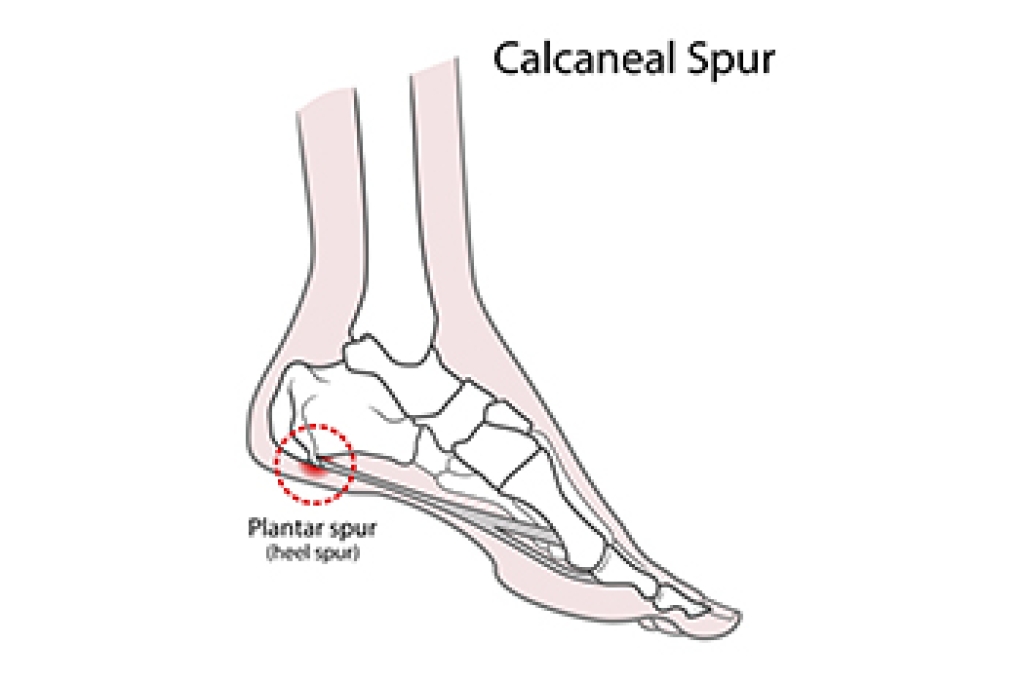
Heel spurs are bony growths that develop on the heel bone, with the two main types being plantar and dorsal heel spurs. Plantar heel spurs form on the bottom of the heel and are often associated with plantar fasciitis, causing pain and inflammation where the plantar fascia connects to the heel bone. Dorsal heel spurs develop at the back of the heel, typically where the Achilles tendon attaches, leading to discomfort and swelling in the area. Common symptoms of heel spurs include sharp pain while standing up in the morning, tenderness, and difficulty walking or running. Diagnosis usually involves a physical examination and imaging tests like X-rays to confirm the presence of the bony growths. Heel spurs can be painful. If you have developed one, it is suggested that you consult a podiatrist sooner rather than later who can offer you correct relief and treatment options.
Heel spurs can be incredibly painful and sometimes may make you unable to participate in physical activities. To get medical care for your heel spurs, contact one of our podiatrists from Pennsylvania Foot & Ankle. Our doctors will do everything possible to treat your condition.
Heels Spurs
Heel spurs are formed by calcium deposits on the back of the foot where the heel is. This can also be caused by small fragments of bone breaking off one section of the foot, attaching onto the back of the foot. Heel spurs can also be bone growth on the back of the foot and may grow in the direction of the arch of the foot.
Older individuals usually suffer from heel spurs and pain sometimes intensifies with age. One of the main condition's spurs are related to is plantar fasciitis.
Pain
The pain associated with spurs is often because of weight placed on the feet. When someone is walking, their entire weight is concentrated on the feet. Bone spurs then have the tendency to affect other bones and tissues around the foot. As the pain continues, the feet will become tender and sensitive over time.
Treatments
There are many ways to treat heel spurs. If one is suffering from heel spurs in conjunction with pain, there are several methods for healing. Medication, surgery, and herbal care are some options.
If you have any questions, please feel free to contact one of our offices located in Bensalem, Philadelphia, Northeast Philadelphia, Yardley, PA, and Hamilton, NJ . We offer the newest diagnostic and treatment technologies for all your foot care needs.

Diabetic peripheral neuropathy is a common issue for individuals with type 2 diabetes, with nearly half experiencing this complication. This condition arises when prolonged high blood sugar levels cause damage to the nerves, especially in the feet and lower legs. Symptoms of peripheral neuropathy include numbness, tingling, burning sensations, and muscle weakness, which can progressively disrupt daily activities. A significant concern is “diabetic foot,” where the loss of feeling and poor blood flow can lead to ulcers, infections, and in severe cases loss of limb. Diabetic neuropathy also can increase the risk of falls and fractures due to lack of sensation in the feet, impaired balance and reduced coordination. Factors such as smoking, high blood pressure, obesity, and cholesterol issues can further increase the risk of developing this diabetic peripheral neuropathy. Early detection and proper management are of extreme importance. If you notice unusual sensations in your feet or lower legs, especially persistent numbness or pain, it is suggested that you make an appointment with a podiatrist who can conduct a thorough examination and recommend a personalized treatment plan.
Neuropathy
Neuropathy can be a potentially serious condition, especially if it is left undiagnosed. If you have any concerns that you may be experiencing nerve loss in your feet, consult with one of our podiatrists from Pennsylvania Foot & Ankle. Our doctors will assess your condition and provide you with quality foot and ankle treatment for neuropathy.
What Is Neuropathy?
Neuropathy is a condition that leads to damage to the nerves in the body. Peripheral neuropathy, or neuropathy that affects your peripheral nervous system, usually occurs in the feet. Neuropathy can be triggered by a number of different causes. Such causes include diabetes, infections, cancers, disorders, and toxic substances.
Symptoms of Neuropathy Include:
Those with diabetes are at serious risk due to being unable to feel an ulcer on their feet. Diabetics usually also suffer from poor blood circulation. This can lead to the wound not healing, infections occurring, and the limb may have to be amputated.
Treatment
To treat neuropathy in the foot, podiatrists will first diagnose the cause of the neuropathy. Figuring out the underlying cause of the neuropathy will allow the podiatrist to prescribe the best treatment, whether it be caused by diabetes, toxic substance exposure, infection, etc. If the nerve has not died, then it’s possible that sensation may be able to return to the foot.
Pain medication may be issued for pain. Electrical nerve stimulation can be used to stimulate nerves. If the neuropathy is caused from pressure on the nerves, then surgery may be necessary.
If you have any questions, please feel free to contact one of our offices located in Bensalem, Philadelphia, Northeast Philadelphia, Yardley, PA, and Hamilton, NJ . We offer the newest diagnostic and treatment technologies for all your foot care needs.

If left untreated, an ingrown toenail can lead to more serious concerns, such as an infection. Knowing proper nail care can help in the prevention of an ingrown toenail. Give us a call, and get treated!
Connect With Us
