What to Consider When Buying New Running Shoes

Running is great exercise, but if you are not wearing the right shoes, you may be putting yourself at risk for injuries and pain. Before you run, make sure that you are wearing properly-fitted running shoes specifically designed for this sport. The exact type of running shoes that you buy can depend on several factors. Consider where you are planning to run, and choose shoes that work well on that surface. It is also important to determine the amount of cushioning that you would like under your foot and to know whether or not you need a specific type of shoe to support your gait. For more information on how to pick the best running shoes for you, consult with a podiatrist today.

If you are a runner, wearing the right running shoe is essential. For more information, contact one of our podiatrists from Pennsylvania Foot & Ankle. Our doctors can provide the care you need to keep you pain-free and on your feet.

Choosing the Right Running Shoe for Your Foot Type

To increase performance and avoid the risk of injury, it is important to choose the right running shoe based on your foot type. The general design of running shoes revolves around pronation, which is how the ankle rolls from outside to inside when the foot strikes the ground.

  • Neutral runners are able to choose from a wide variety of shoes, including minimalist shoes or even going barefoot.
  • Runners who overpronate, or experience an over-abundance of ankle rolling, should choose shoes that provide extra motion control and stability.
  • Runners who underpronate, or supinate, have feet that have high arches and lack flexibility, preventing shock absorption. They require shoes with more flexibility and cushion.

If you have any questions, please feel free to contact one of our offices located in Bensalem, Philadelphia, Northeast Philadelphia, Yardley, PA, and Hamilton, NJ . We offer the newest diagnostic and treatment technologies for all your foot care needs.

Read more about Choosing the Right Running Shoe for Your Foot Type

Who Is at Risk for Gout?

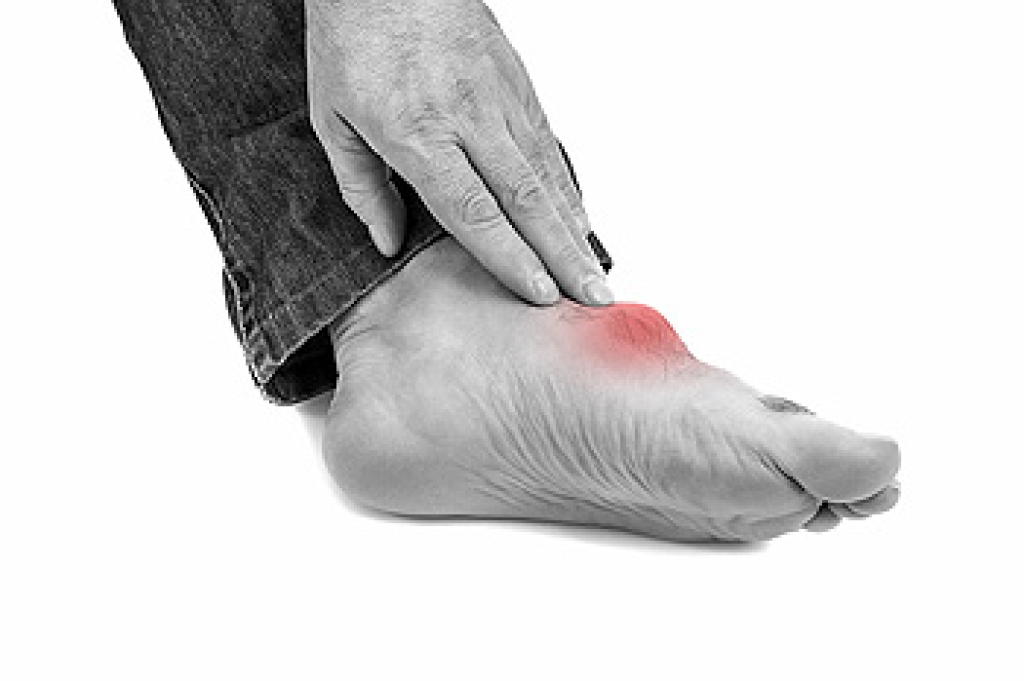
Gout is a type of arthritis caused by a buildup of uric acid in the bloodstream. The uric acid can crystallize and deposit itself in the joints of your feet and ankles, causing pain and swelling in the joint. While anyone can suffer from a gout attack, some people can be more at risk than others. Middle-aged men and postmenopausal women are more likely to get gout, as are people who have family members with gout, as some people are genetically predisposed to this condition. Your diet may increase your chances of developing gout as well. Food that is rich in purines, such as red meat, organ meet, and certain fish can all raise uric acid levels in the bloodstream. Various medical conditions are associated with an increased risk of gout, including high blood pressure, kidney disease, thyroid disease, diabetes, and sleep apnea. If you suspect that you have gout, please consult with a podiatrist for treatment.

Gout is a foot condition that requires certain treatment and care. If you are seeking treatment, contact one of our podiatrists from Pennsylvania Foot & Ankle. Our doctors will treat your foot and ankle needs.

What Is Gout?

Gout is a type of arthritis caused by a buildup of uric acid in the bloodstream. It often develops in the foot, especially the big toe area, although it can manifest in other parts of the body as well. Gout can make walking and standing very painful and is especially common in diabetics and the obese.

People typically get gout because of a poor diet. Genetic predisposition is also a factor. The children of parents who have had gout frequently have a chance of developing it themselves.

Gout can easily be identified by redness and inflammation of the big toe and the surrounding areas of the foot. Other symptoms include extreme fatigue, joint pain, and running high fevers. Sometimes corticosteroid drugs can be prescribed to treat gout, but the best way to combat this disease is to get more exercise and eat a better diet.

If you have any questions, please feel free to contact one of our offices located in Bensalem, Philadelphia, Northeast Philadelphia, Yardley, PA, and Hamilton, NJ . We offer the newest diagnostic and treatment technologies for all your foot care needs.

Read more about Everything You Need to Know About Gout

All About Ankle Pain

Whether you’ve rolled your ankle while walking, endured a sprain, or experience symptoms in your joints, ankle pain is something that is worth monitoring. Pain in this area can be the result of inflammation or damage to the bones, joints, cartilage, ligaments, tendons, or muscles that make up the ankle. Ankle pain is often accompanied by other symptoms such as swelling, bruising, redness, numbness, tingling, instability, and a reduced ability to bear weight on the affected ankle. The most common cause of ankle pain is an injury, such as a sprain or Achilles tendonitis. Arthritic conditions such as rheumatoid arthritis, osteoarthritis, and gout tend to cause pain in the ankle joint as well. Nerve damage or neuropathy can cause lower limb pain and is especially common among diabetics. If you are experiencing ankle pain, it is strongly recommended that you seek the care of a podiatrist, who can diagnose and treat your condition.

Ankle pain can be caused by a number of problems and may be potentially serious. If you have ankle pain, consult with one of our podiatrists from Pennsylvania Foot & Ankle. Our doctors will assess your condition and provide you with quality foot and ankle treatment.

Ankle pain is any condition that causes pain in the ankle. Due to the fact that the ankle consists of tendons, muscles, bones, and ligaments, ankle pain can come from a number of different conditions.

Causes

The most common causes of ankle pain include:

  • Types of arthritis (rheumatoid, osteoarthritis, and gout)
  • Ankle sprains
  • Broken ankles
  • Achilles tendonitis
  • Achilles tendon rupture
  • Stress fractures
  • Bursitis
  • Tarsal tunnel syndrome
  • Plantar fasciitis

Symptoms

Symptoms of ankle injury vary based upon the condition. Pain may include general pain and discomfort, swelling, aching, redness, bruising, burning or stabbing sensations, and/or loss of sensation.

Diagnosis

Due to the wide variety of potential causes of ankle pain, podiatrists will utilize a number of different methods to properly diagnose ankle pain. This can include asking for personal and family medical histories and of any recent injuries. Further diagnosis may include sensation tests, a physical examination, and potentially x-rays or other imaging tests.

Treatment

Just as the range of causes varies widely, so do treatments. Some more common treatments are rest, ice packs, keeping pressure off the foot, orthotics and braces, medication for inflammation and pain, and surgery.

If you have any questions please feel free to contact one of our offices located in Bensalem, Philadelphia, Northeast Philadelphia, Yardley, PA, and Hamilton, NJ . We offer the newest diagnostic tools and technology to treat your foot and ankle needs.

Read more about Ankle Pain

Are You Suffering From Ingrown Toenails?

If left untreated, an ingrown toenail can lead to more serious concerns, such as an infection. Knowing proper nail care can help in the prevention of an ingrown toenail. Give us a call, and get treated!

Can I Treat Toenail Fungus at Home?

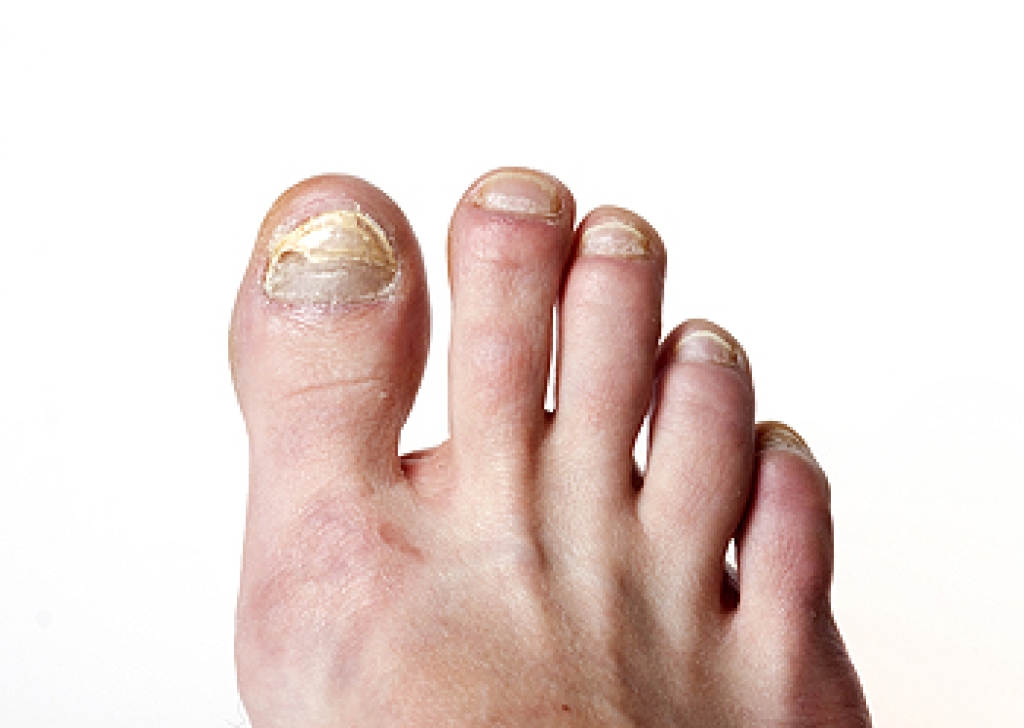
Toenail fungus, also known as onychomycosis, is a common fungal infection that can result in the swelling, yellowing, and crumbling of the nail. A weakened immune system, abnormal skin pH levels, moist environments, sweaty socks and shoes, and diabetes can all be contributing factors to the fungus growing. Treatment should begin promptly as the nail can crack or split, and in severe cases the entire toenail could fall off. Some common suggestions for treatment are various at home remedies including different oils and cornmeal. Unfortunately, there is little evidence for the effectiveness of at home remedies. If you have toenail fungus, it is recommended that you speak with a podiatrist. A podiatrist can prescribe effective treatments such as topical antifungal creams, oral antifungal medications, laser treatment or in severe cases, surgery. 

If left untreated, toenail fungus may spread to other toenails, skin, or even fingernails. If you suspect you have toenail fungus it is important to seek treatment right away. For more information about treatment, contact one of our podiatrists of Pennsylvania Foot & Ankle. Our doctors can provide the care you need to keep you pain-free and on your feet.

Symptoms

  • Warped or oddly shaped nails
  • Yellowish nails
  • Loose/separated nail
  • Buildup of bits and pieces of nail fragments under the nail
  • Brittle, broken, thickened nail

Treatment

If self-care strategies and over-the-counter medications does not help your fungus, your podiatrist may give you a prescription drug instead. Even if you find relief from your toenail fungus symptoms, you may experience a repeat infection in the future.

Prevention

In order to prevent getting toenail fungus in the future, you should always make sure to wash your feet with soap and water. After washing, it is important to dry your feet thoroughly especially in between the toes. When trimming your toenails, be sure to trim straight across instead of in a rounded shape. It is crucial not to cover up discolored nails with nail polish because that will prevent your nail from being able to “breathe”.

In some cases, surgical procedure may be needed to remove the toenail fungus. Consult with your podiatrist about the best treatment options for your case of toenail fungus.  

If you have any questions please contact one of our offices located in Bensalem, Philadelphia, Northeast Philadelphia, Yardley, PA, and Hamilton, NJ . We offer the newest diagnostic and treatment technologies for all your foot and ankle needs.

Read more about Treating Toenail Fungus

Connect With Us