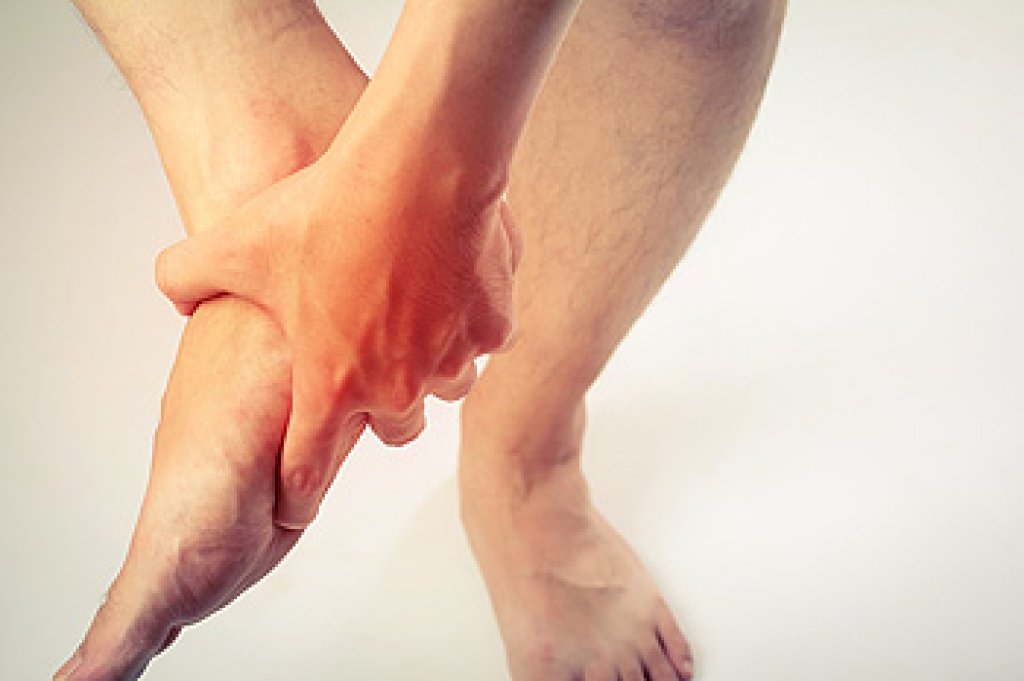
Treating Cuboid Syndrome

Cuboid syndrome is caused by the cuboid bone shifting out of alignment with surrounding bones, which then may cause pain in the middle of the foot. There are various forms of treatment for cuboid syndrome, including home remedies and help from a medical professional. The first step in treating this condition involves rest, because reducing activity that puts pressure on the injured area might give the bone space to heal. Home remedies involve, resting, icing, compressing and elevating the foot. If the pain perseveres, then it may be time to seek help from a medical professional. Two examples of possible treatments are the cuboid whip and the cuboid squeeze. Both options involve manipulating the cuboid bone back into place. Manipulation should be more successful when it is done within 24 hours after the injury occurs, so seeking professional help is important. Foot manipulation may not be the best option if an individual is dealing with other foot conditions, so if you feel that you may have cuboid syndrome or have similar pain, then it is recommended to speak to a podiatrist to find the right treatment for your specific needs.

Cuboid syndrome, also known as cuboid subluxation, occurs when the joints and ligaments near the cuboid bone in the foot become torn. If you have cuboid syndrome, consult with one of our podiatrists from Pennsylvania Foot & Ankle. Our doctors will assess your condition and provide you with quality foot and ankle treatment.

Cuboid syndrome is a common cause of lateral foot pain, which is pain on the outside of the foot. The condition may happen suddenly due to an ankle sprain, or it may develop slowly overtime from repetitive tension through the bone and surrounding structures.

Causes

The most common causes of cuboid syndrome include:

  • Injury – The most common cause of this ailment is an ankle sprain.
  • Repetitive Strain – Tension placed through the peroneus longus muscle from repetitive activities such as jumping and running may cause excessive traction on the bone causing it to sublux.
  • Altered Foot Biomechanics – Most people suffering from cuboid subluxation have flat feet.

Symptoms

A common symptom of cuboid syndrome is pain along the outside of the foot which can be felt in the ankle and toes. This pain may create walking difficulties and may cause those with the condition to walk with a limp.

Diagnosis

Diagnosis of cuboid syndrome is often difficult, and it is often misdiagnosed. X-rays, MRIs and CT scans often fail to properly show the cuboid subluxation. Although there isn’t a specific test used to diagnose cuboid syndrome, your podiatrist will usually check if pain is felt while pressing firmly on the cuboid bone of your foot.

Treatment

Just as the range of causes varies widely, so do treatments. Some more common treatments are ice therapy, rest, exercise, taping, and orthotics.

If you have any questions, please feel free to contact one of our offices located in Bensalem, Philadelphia, Northeast Philadelphia, Yardley, PA, and Hamilton, NJ . We offer the newest diagnostic and treatment technologies for all your foot care needs.
Read more about Cuboid Syndrome

Symptoms of a Broken Toe

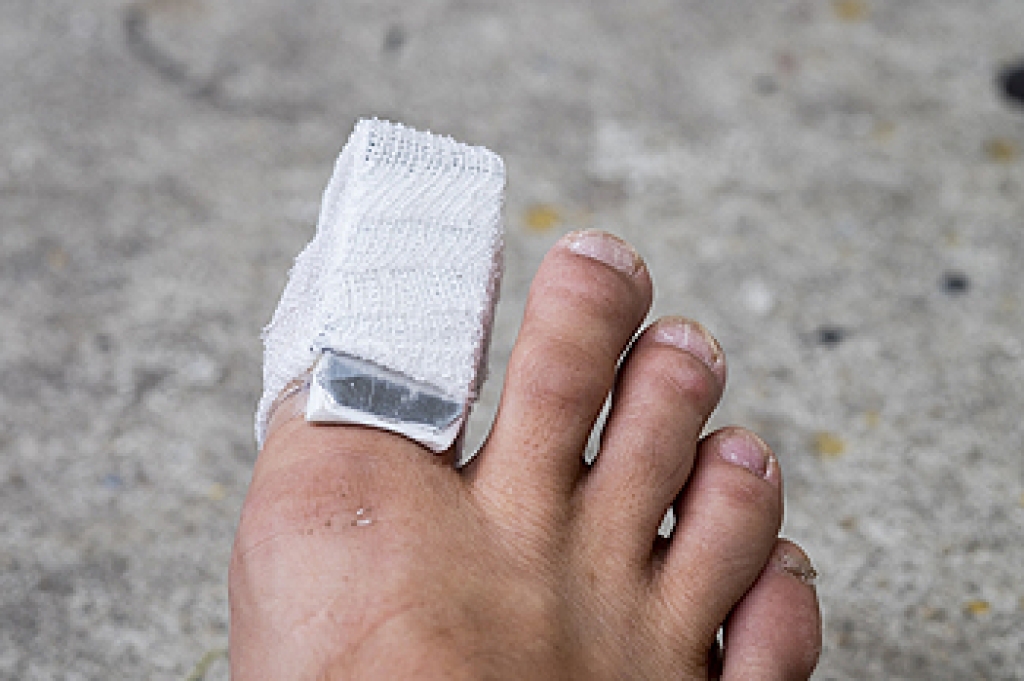
The symptoms may be similar in sprained and broken toes, and it may be difficult to determine the extent of the injury. If the bone is intact, it is most likely a sprained toe, and one or more broken bones are indicative of a fractured toe. There are several symptoms that are associated with broken toes, including severe discomfort and pain beginning at the time of the injury, bruising on the toe and surrounding area, in addition to the inability to walk and put weight on it. Two common causes for broken toes to occur may include stubbing it against something hard or dropping a heavy object on it. Once a proper diagnosis is performed, which typically consists of having an X-ray taken, it will be confirmed if the toe is broken. At this time, the correct treatment procedure can begin, which will generally include resting the toe, and splinting it to the toe next to it, which may aid in stabilizing it. If you feel you have broken your toe, it is recommended that you speak to a podiatrist as quickly as possible, so a proper diagnosis can be determined.

Broken toes may cause a lot of pain and should be treated as soon as possible. If you have any concerns about your feet, contact one of our podiatrists from Pennsylvania Foot & Ankle. Our doctors will treat your foot and ankle needs.

What Is a Broken Toe?

A broken toe occurs when one or more of the toe bones of the foot are broken after an injury. Injuries such as stubbing your toe or dropping a heavy object on it may cause a toe fracture.

Symptoms of a Broken Toe

  • Swelling
  • Pain (with/without wearing shoes)
  • Stiffness
  • Nail Injury

Although the injured toe should be monitored daily, it is especially important to have a podiatrist look at your toe if you have severe symptoms. Some of these symptoms include worsening or new pain that is not relieved with medication, sores, redness, or open wounds near the toe.

If you have any questions please feel free to contact one of our offices located in Bensalem, Philadelphia, Northeast Philadelphia, Yardley, PA, and Hamilton, NJ . We offer the newest diagnostic tools and technology to treat your foot and ankle needs.

Read more about What to Know About a Broken Toe

Proper Foot Care Techniques for the Elderly

Research has shown foot health may influence the overall well-being of the body. It’s common for many patients to ignore the health of their feet until an uncomfortable foot condition arises. This is especially true of the elder population, and taking proper care of their feet may be difficult as the aging process occurs. There may be noticeable symptoms, which may indicate potential concerns, and these may include the presence of open sores, burning pain and discomfort, or discoloration of the feet. When specific techniques are implemented, which may aid in proper foot care, many uncomfortable foot conditions may be avoided. These may include trimming the toenails straight across, elevating the feet frequently during the day, in addition to wearing shoes that are comfortable and fit correctly. If you would like additional information on how to properly take of elderly feet, it is suggested to speak with a podiatrist who can guide you with the correct knowledge.


Proper foot care is something many older adults forget to consider. If you have any concerns about your feet and ankles, contact one of our podiatrists from Pennsylvania Foot & Ankle. Our doctors can provide the care you need to keep you pain-free and on your feet.

The Elderly and Their Feet

As we age we start to notice many changes in our body, but the elder population may not notice them right away. Medical conditions may prevent the elderly to take notice of their foot health right away. Poor vision is a lead contributor to not taking action for the elderly.

Common Conditions 

  • Neuropathy – can reduce feeling in the feet and can hide many life-threatening medical conditions.
  • Reduced flexibility – prevents the ability of proper toenail trimming, and foot cleaning. If left untreated, it may lead to further medical issues.
  • Foot sores – amongst the older population can be serious before they are discovered. Some of the problematic conditions they may face are:
  • Gouging toenails affecting nearby toe
  • Shoes that don’t fit properly
  • Pressure sores
  • Loss of circulation in legs & feet
  • Edema & swelling of feet and ankles

Susceptible Infections

Diabetes and poor circulation can cause general loss of sensitivity over the years, turning a simple cut into a serious issue.

If you have any questions, please feel free to contact one of our offices located in Bensalem, Philadelphia, Northeast Philadelphia, Yardley, PA, and Hamilton, NJ . We offer the newest diagnostic and treatment technologies for all your foot care needs.
Read more about Taking Care of Elderly Feet

Foot Surgery May Relieve Pain

There are several different types of foot conditions that may require surgery if relief is not found using traditional methods of treatment. One type may include bunion surgery in which removal of the protruding bone may aid in diminishing pain that is often associated with it. If you have severe arthritis, you may want to consider fusion surgery, which joins the bones together and this may prevent painful rubbing. A foot condition that is known as hammertoe can cause pain and difficulty in walking, and surgery may be required that can straighten the toes. Plantar fasciitis will typically affect the heel of the foot, and many patients experience severe pain and discomfort if they are afflicted with this foot condition. Surgery is typically successful in removing the portion of the tissue that is causing the pain. If you have these or any other foot conditions, it is suggested to consult with a podiatrist who can help you determine if foot surgery is right for you.

Foot surgery is sometimes necessary to treat a foot ailment. To learn more, contact one of our podiatrists of Pennsylvania Foot & Ankle. Our doctors will assist you with all of your foot and ankle needs.

When Is Surgery Necessary?

Foot and ankle surgery is generally reserved for cases in which less invasive, conservative procedures have failed to alleviate the problem. Some of the cases in which surgery may be necessary include:

  • Removing foot deformities like bunions and bone spurs
  • Severe arthritis that has caused bone issues
  • Cosmetic reconstruction

What Types of Surgery Are There?

The type of surgery you receive will depend on the nature of the problem you have. Some of the possible surgeries include:

  • Bunionectomy for painful bunions
  • Surgical fusion for realignment of bones
  • Neuropathy decompression surgery to treat nerve damage

Benefits of Surgery

Although surgery is usually a last resort, it can provide more complete pain relief compared to non-surgical methods and may allow you to finally resume full activity.

Surgical techniques have also become increasingly sophisticated. Techniques like endoscopic surgery allow for smaller incisions and faster recovery times.

If you have any questions, please feel free to contact one of our offices located in Bensalem, Philadelphia, Northeast Philadelphia, Yardley, PA, and Hamilton, NJ . We offer the newest diagnostic and treatment technologies for all your foot care needs.
Read more about Foot Surgery

Different Types of Pain That is Associated with the Achilles Tendon

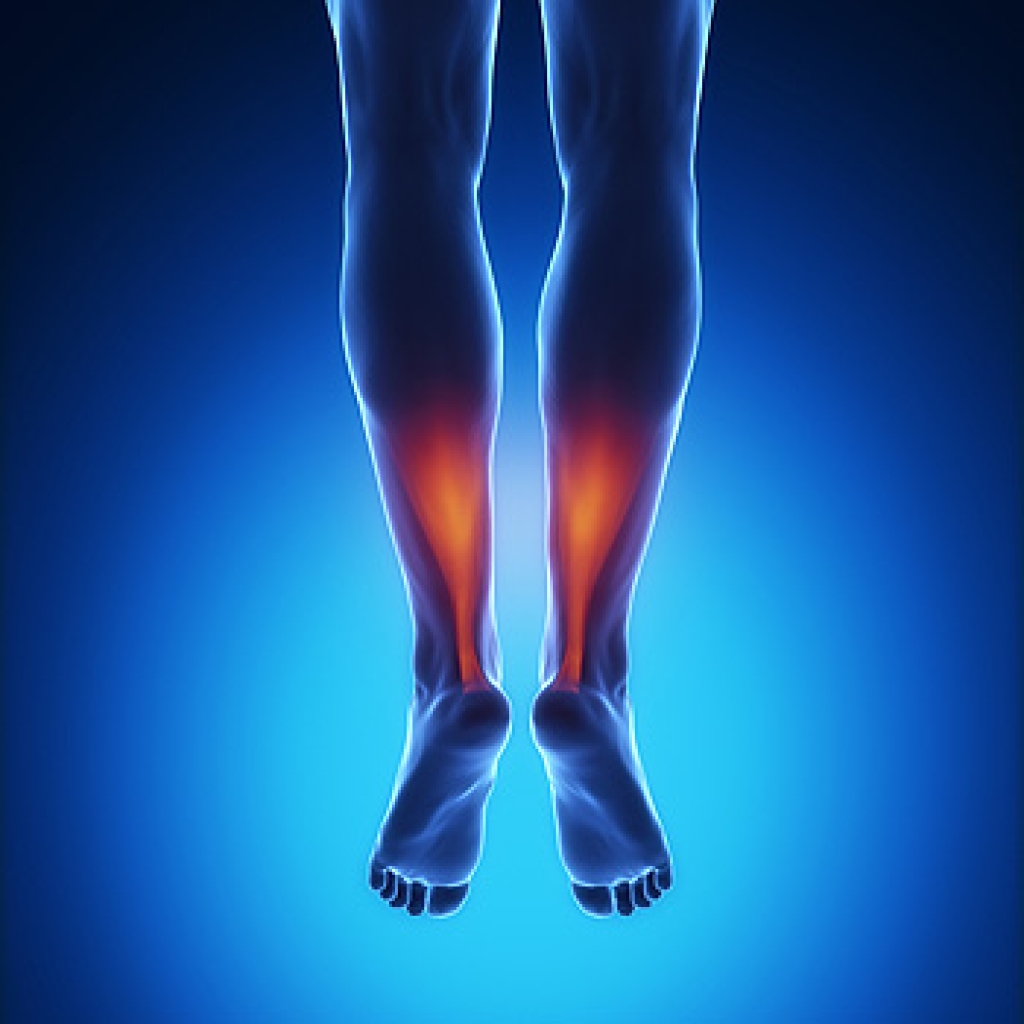
The largest tendon in the body is referred to as the Achilles tendon. The purpose of this particular tendon is to connect the heel to the toes, and if this should endure an injury and become torn or inflamed, severe pain and discomfort may be an unfortunate repercussion. There are different types of pain that is associated with the Achilles tendon, which may include Achilles tendonitis and Achilles tendinosis. The latter condition consists of chronic pain that may originate from improper treatment of Achilles tendonitis. This original ailment may occur in people who participate in running and jumping activities, and severe pain and burning may often accompany this type of tendonitis. There may be additional reasons why this tendon may become inflamed, including running in cold weather or having flat feet, or if one leg is significantly shorter than the other. If you are experiencing pain that involves the Achilles tendon, it’s suggested to speak to a podiatrist, so a proper diagnosis can be obtained, and treatment can begin.

Achilles tendon injuries need immediate attention to avoid future complications. If you have any concerns, contact one of our podiatrists of Pennsylvania Foot & Ankle. Our doctors can provide the care you need to keep you pain-free and on your feet.

What Is the Achilles Tendon?

The Achilles tendon is a tendon that connects the lower leg muscles and calf to the heel of the foot. It is the strongest tendon in the human body and is essential for making movement possible. Because this tendon is such an integral part of the body, any injuries to it can create immense difficulties and should immediately be presented to a doctor.

What Are the Symptoms of an Achilles Tendon Injury?

There are various types of injuries that can affect the Achilles tendon. The two most common injuries are Achilles tendinitis and ruptures of the tendon.

Achilles Tendinitis Symptoms

  • Inflammation
  • Dull to severe pain
  • Increased blood flow to the tendon
  • Thickening of the tendon

Rupture Symptoms

  • Extreme pain and swelling in the foot
  • Total immobility

Treatment and Prevention

Achilles tendon injuries are diagnosed by a thorough physical evaluation, which can include an MRI. Treatment involves rest, physical therapy, and in some cases, surgery. However, various preventative measures can be taken to avoid these injuries, such as:

  • Thorough stretching of the tendon before and after exercise
  • Strengthening exercises like calf raises, squats, leg curls, leg extensions, leg raises, lunges, and leg presses

If you have any questions please feel free to contact one of our offices located in Bensalem, Philadelphia, Northeast Philadelphia, Yardley, PA, and Hamilton, NJ . We offer the newest diagnostic tools and technology to treat your foot and ankle needs.

Read more about Achilles Tendon Injuries

Connect With Us